How Many Yards a Bloodhound’s First Runaway Should Be
Bringing a Bloodhound puppy into your home is an adventure, and for many, the dream involves tapping into that incredible nose. But if you’ve ever wondered where to even begin with formal scent work, especially when it comes to laying that very first “runaway” trail, you’re not alone. It can feel daunting, like you need specialized knowledge or a sprawling field. This guide is all about simplifying that initial step, helping you understand precisely how short and sweet that first trail should be to set your Bloodhound pup up for a lifetime of enthusiastic trailing.
The Absolute Beginner: Why Your Bloodhound Puppy Needs a Super Short First Trail
When you first introduce your Bloodhound puppy to the concept of following a human scent trail, the temptation might be to create a winding, challenging path to really test their burgeoning nose. However, this is one of those times where less is absolutely, unequivocally more. We're talking about a brand-new learner, still figuring out the world and their place in it. Overwhelming them with complexity right out of the gate can actually be counterproductive, leading to frustration for both of you and potentially dampening their natural drive.
The Psychology Behind a Tiny Trail: Building Confidence, Not Confusion
Imagine asking a toddler to run a marathon. Sounds absurd, right? The same principle applies to your Bloodhound puppy's first scent trail. Their brains are sponges, soaking up information, but they also have very short attention spans and an overwhelming amount of new sensory input to process daily. A super short trail isn't about underestimating their capabilities; it's about setting them up for guaranteed success. When they easily find the "runaway" person at the end of a brief path, it builds immense confidence. They learn that trailing is a fun game where they always win. This positive association is crucial. Every successful find releases those happy brain chemicals, reinforcing their desire to play the game again. If the first experience is confusing or too difficult, they might associate trailing with stress or failure, which is the last thing you want for a breed renowned for its scenting prowess. You want to make it an easy win, a joyful discovery, and a confirmation of their innate talent.
Think of it like teaching a child to read: you start with simple words, then short sentences, not Shakespeare on day one. For a Bloodhound puppy, the "simple word" is a very short, very clear scent trail leading directly to a beloved person and a fantastic reward. This early success primes them to believe in themselves and the game. You're building a foundation of positive reinforcement that will carry them through more challenging trails later on.
Setting the Scene: What "Runaway" Really Means for a Puppy
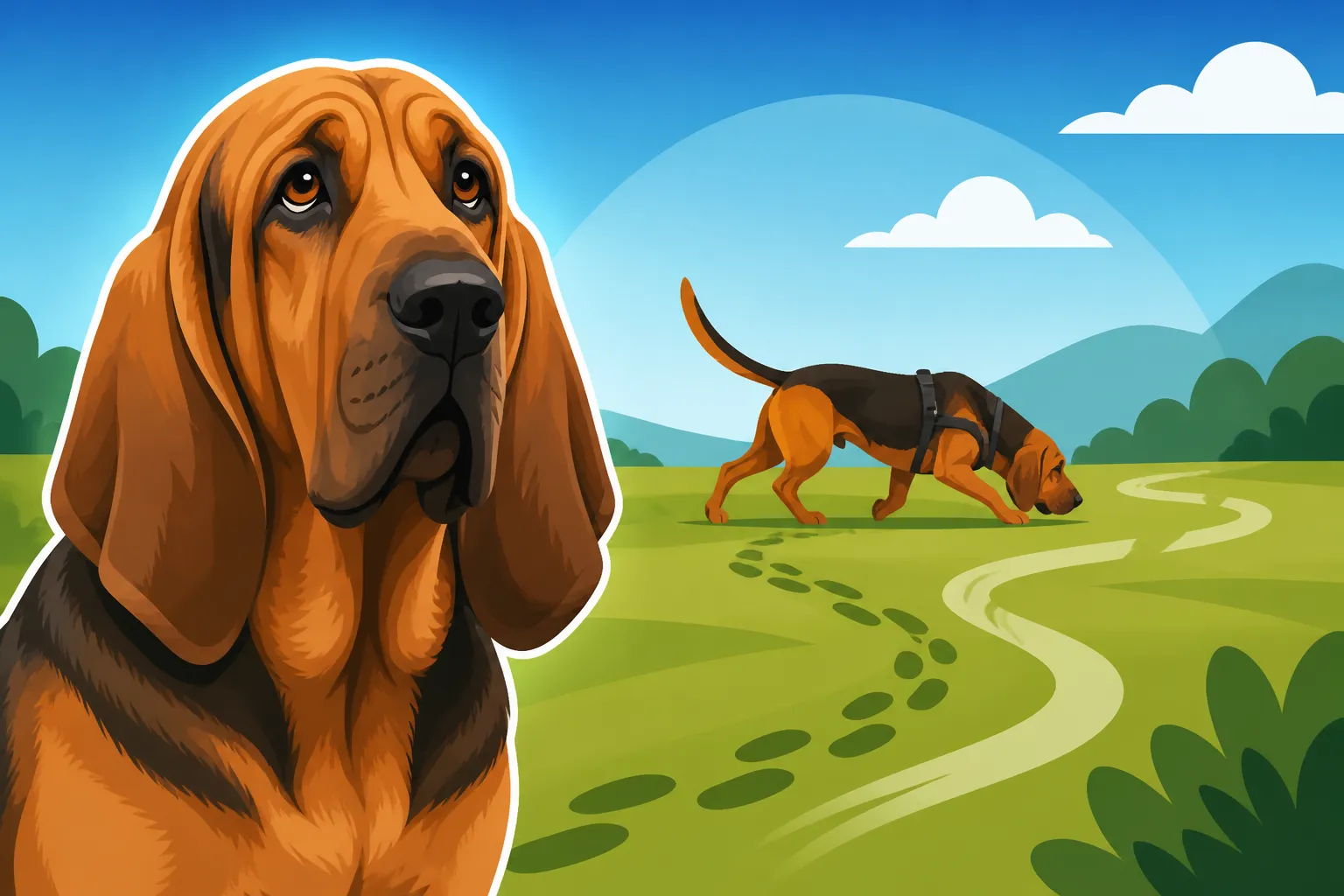
For adult Bloodhounds working in search and rescue, a "runaway" is a person who has deliberately left a trail for the dog to follow, often over long distances and varied terrain. But for a tiny Bloodhound puppy, the term needs a much gentler interpretation. Forget elaborate scenarios. For your pup, the "runaway" is simply a familiar, trusted person (often you, another family member, or a close friend) who walks a very short distance, out of sight, and waits with an exciting reward.
The goal isn't realism; it's engagement. The "runaway" isn't a lost person yet; they're a playmate. The scent article they might start on could be a simple piece of cloth they've held for a few minutes, or even just letting the pup sniff their hand before they walk away. The entire exercise is designed to be a fun game of hide-and-seek, with the puppy's powerful nose as the star player. This early game helps them understand the concept of following a specific human odor in a controlled, non-stressful environment. It teaches them to focus their incredible abilities, even if only for a few steps, on a single, clear objective: finding their friend. This is the very first lesson in Starting a Bloodhound Puppy on a Trail.
Pinpointing the Perfect Distance: Five to Ten Yards is Your Sweet Spot
Alright, let's get specific about that first trail. When we talk about "super short," we genuinely mean it. For a Bloodhound puppy, typically between 8 weeks and 6 months old when starting out, your very first runaway should be no more than about five to ten yards. Yes, you read that right – that's just a few steps! This might seem almost ridiculously short for a breed famed for tracking miles, but remember, we're building a habit and a positive association, not running a marathon.
The Ideal Setup: Who, What, Where, and When for the First Run
To make this initial experience perfect, every detail matters.
- Who: The "runaway" should be someone the puppy absolutely adores. Their favorite human, perhaps the person who always has the best treats or gives the best belly rubs. This ensures maximum motivation. The "handler" (the person holding the puppy) should also be calm and encouraging.
- What: The scent article can be simple. It could be a piece of cloth rubbed on the runaway's skin, or even just their hand that the puppy sniffs directly. Simplicity is key. As for equipment, your pup needs a comfortable, well-fitting harness – not a collar, which can put pressure on their delicate trachea. A lightweight, comfortable harness is essential. You can find excellent options on platforms like Amazon, but ensuring it fits securely without restricting movement is paramount. You'll also need a lightweight long line, perhaps 10-15 feet to start, attached to the harness, so the handler can guide and support without pulling on the neck. This early training is vital for teaching them to work on a line, which is how Which Harness a Bloodhound Trails In will be utilized.
- Where: Choose a distraction-free environment. Your quiet backyard, a calm park early in the morning, or even a large, empty room in your house. Avoid busy streets, dog parks, or areas with too many novel scents that could overwhelm a young pup. The ground should be relatively easy for the puppy to navigate – short grass, packed dirt, or even a low-pile carpet indoors.
- When: Pick a time when your puppy is rested, happy, and a little bit hungry, but not ravenous or overly stimulated. Before a meal is often ideal. Keep the session very brief – just one or two successful trails, lasting only a few minutes each. End on a high note, always!
Here's how a typical first runaway might play out:
- The handler holds the puppy, preventing them from seeing the "runaway" depart.
- The "runaway" lets the puppy sniff their hand or a scent article, then walks five to ten yards away, perhaps just around a tree or a small bush, and crouches down, calling the puppy's name in an excited, happy voice.
- The handler shows the scent article (or the spot where the runaway's hand was) to the puppy and, with an encouraging "Find!", releases the pup on the long line.
- The puppy, picking up the strong, fresh scent and hearing their friend, will likely bound directly to the person.
- BIG PARTY! The runaway showers the puppy with praise, play, and the most delicious, high-value treats imaginable.
Rewards and Reinforcement: Making Every Find a Victory
The reward at the end of that first trail is everything. It needs to be irresistible. Forget dry kibble; think boiled chicken, tiny pieces of cheese, hot dogs, or a favorite squeaky toy. This isn't just a treat; it's a jackpot. The "runaway" should be waiting with open arms, ready to make a huge fuss over the puppy.
This positive reinforcement is critical. It cements in the puppy's mind that "following this smell leads to the best thing ever!" The excitement and joy of finding their person and getting that incredible reward is what drives them to want to trail again and again. Whether Food Is the Right Reward for a Trailing Bloodhound is a resounding yes, especially in these early stages. The entire experience should be an overflowing cup of positive emotions. If the puppy seems confused, or loses interest, the trail was probably too long or too distracting. Scale it back even further next time, and make the reward even better.
| Trailing Element | First Trail (5-10 yards) | Second-Fifth Trails (10-25 yards) |
|---|---|---|
| Distance | 5-10 yards | 10-25 yards |
| "Runaway" Visibility | Just out of sight, calling puppy's name | Initially out of sight, less calling |
| Scent Article | Hand sniff, simple cloth | Hand sniff, cloth, or simple personal item |
| Terrain | Easy, flat, low distraction (grass, indoor) | Still easy, low distraction, maybe slight variation |
| Handler Involvement | Guiding, supporting, highly encouraging | Guiding as needed, less direct intervention |
| Reward | High-value jackpot, enthusiastic praise & play | High-value jackpot, enthusiastic praise & play |
| Duration | Very short (1-2 minutes total) | Still short (2-5 minutes total) |
Taking the Next Steps: Gradually Lengthening and Complicating the Trail
Once your Bloodhound puppy is consistently and enthusiastically succeeding at those 5-10 yard trails, it's time to very, very slowly and incrementally increase the challenge. The key word here is "gradually." We're not making giant leaps; we're taking tiny steps, ensuring success at each new level before moving on. This slow progression is vital to maintain their confidence and enjoyment in the game.
Adding Subtle Challenges: Gentle Curves and Longer Waits
Over the next several sessions, you can begin to introduce small changes. Don't add all the challenges at once! Pick one element to tweak per session or every few sessions.
- Increase Distance: Extend the trail by just another 5-10 yards at a time. So, from 10 yards, you might go to 15, then 20, then 25. Watch your puppy closely. If they start to struggle or seem less enthusiastic, you've gone too far, too fast. Reel it back in.
- Introduce Gentle Curves: Instead of a perfectly straight line, the "runaway" can now make one soft, wide curve. Again, think easy. No sharp 90-degree turns yet. The idea is to teach the puppy that the scent might not always lead in a straight line, but the fun reward is still at the end.
- Slightly Longer Waits: The "runaway" can wait for a few more seconds (say, 10-20 seconds) before calling the puppy or being found. This introduces the concept of a slightly "older" trail.
- Vary the "Runaway": Introduce another trusted family member or friend as the "runaway" to help the puppy generalize that any human scent can be followed. Just make sure they are equally enthusiastic and rewarding! This also helps the puppy understand that it's the scent they follow, not just the sight of a specific person.
- Slightly Different Surfaces: If you've been on grass, try a short stretch of pavement or dirt. Again, very short sections and low distraction. The goal is to build versatility in their scent work.
Remember, the goal is never to stump the puppy. It's always to build on previous successes. Think about what your pup needs to learn next and introduce it in the easiest possible way. This careful layering of skills helps them develop a strong understanding of how to work a trail. It's not about making it hard, but about expanding their repertoire of trailing experiences.
Listening to Your Bloodhound: Pacing the Progression
The most important "rule" in puppy trailing is to listen to your Bloodhound. They will tell you if you're moving too fast or if they're not ready for the next step.
- Signs of Frustration or Disinterest: If your puppy starts sniffing around randomly, looking up at you, sitting down, or pulling away from the trail, these are huge signals. It means they're either confused, overwhelmed, or bored. Stop, simplify, and ensure the next session is an undeniable win.
- Eagerness to Start: When you bring out the harness and long line, does your puppy light up? Do they whine with anticipation? This is the enthusiasm you want to maintain. If that spark diminishes, re-evaluate your training approach.
- Focus on the Trail: Observe their nose. Is it glued to the ground, meticulously working the path? That's what you want to see. If their head is up, scanning, they're not fully committed to the scent.
- Short Sessions are Key: Even as the trails get a little longer, keep the actual work time short. A few successful trails in a 10-15 minute session is far more valuable than one long, frustrating trail. For The First Year With a Bloodhound That Already Wants to Trail, short, positive sessions are the cornerstone.
Patience is your biggest virtue. Bloodhounds are phenomenal scent dogs, but they are still puppies first. Their physical and mental stamina, as well as their attention spans, are still developing. Pushing them too hard, too fast, can create burnout or avoidance. Instead, let them guide the pace, and celebrate every single success, no matter how small it seems.
Essential Gear and Mindset for Successful Puppy Trailing
Successful trailing with your Bloodhound puppy isn't just about the trail itself; it's also about having the right tools and, perhaps even more importantly, the right attitude as their handler. Without these, even the best-laid plans can fall flat.
Choosing the Right Tools: Harnesses and Lines
While your Bloodhound's nose is their primary tool, the equipment you use helps facilitate their work and ensures their safety and comfort.
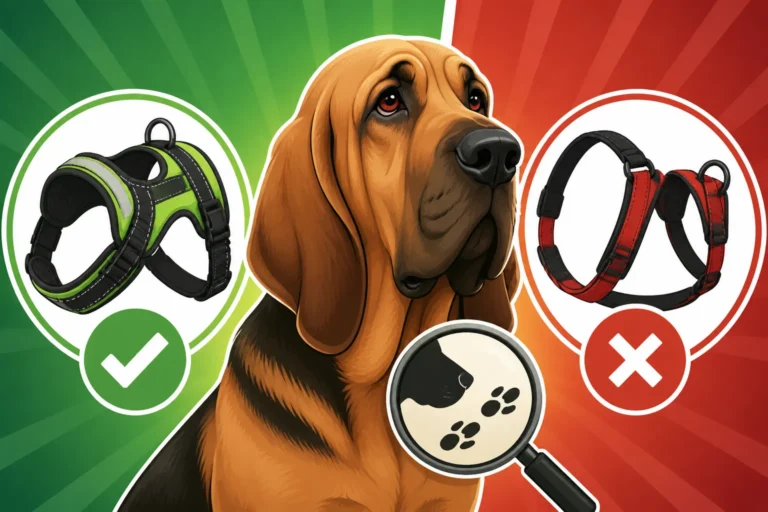
- Harness, Not a Collar: This cannot be stressed enough. For any serious scent work, especially with a breed prone to pulling when on a scent, a harness is paramount. A collar can damage the trachea, especially if the dog suddenly pulls, and it can restrict breathing which is vital for optimal scenting. Look for a Y-front or H-back harness that allows full shoulder movement and doesn't rub in the armpits. Brands found on Amazon offer a wide variety, but fit is crucial. You want something that distributes pressure evenly across their chest and shoulders, leaving their neck and throat free.
- Long Line: For puppy trailing, start with a 10-15 foot lightweight line. This allows your puppy freedom to work the scent without feeling constantly reined in, while still giving you control to prevent them from wandering off. As they get more proficient, you might move to 20 or 30-foot lines. The material matters too; biothane lines are popular as they don't absorb water or odors, are easy to clean, and glide through grass without snagging as much as some traditional rope lines. The length of the line is critical as it helps the handler communicate without being too intrusive, an important part of Whether an Average Owner Can Train a Bloodhound to Trail.
- Scent Articles: As mentioned earlier, simple is best initially. A cotton pad or piece of gauze rubbed on the "runaway's" skin or even just a worn sock can work. The key is that it carries a distinct human scent from the person the puppy needs to find. As the puppy progresses, you might introduce different textures or materials.
- High-Value Treats: We covered this, but it bears repeating. Have a variety of super-tasty, small, soft treats readily available. You want them to be easily swallowed so the celebration doesn't get interrupted.
Investing in good quality, comfortable gear early on makes a significant difference in your puppy's comfort and your ability to train effectively. Remember, their equipment should enhance their ability to do the job, not hinder it.
The Human Element: Patience, Positivity, and Persistence
Your mindset as the handler is just as important as the puppy's natural talent.
- Patience is a Virtue: Bloodhounds are methodical. They follow their nose, often at their own pace. Resist the urge to rush them, point out the trail, or yank on the leash. Let them work. They know what they're doing, even if it looks like they're just sniffing dirt. This is their process. Sometimes, they'll check and re-check an area. Trust them.
- Stay Positive: Every interaction during training should be upbeat and encouraging. Your tone of voice, your body language – it all communicates to your puppy. If you get frustrated, they will pick up on it and associate training with negative emotions. Keep it a game, even when they make mistakes. Gentle guidance is fine, but harsh corrections are not. Training programs like BAXTER & Bella often emphasize positive reinforcement, and that philosophy aligns perfectly with Bloodhound scent work.
- Persistence (for you, not them): Consistency is key. Short, regular training sessions are far more effective than infrequent, long ones. Even 5-10 minutes a few times a week will build their skills and confidence exponentially more than an hour-long session once a month. Don't give up if a session doesn't go perfectly; just adjust, learn, and try again.
- Be an Observer, Not a Controller: Your role as the handler is to observe what your Bloodhound is telling you, manage the environment, and celebrate their successes. You're not "leading" them on the trail; they are leading you. Learn to read their subtle cues – how their tail moves, the intensity of their sniff, the slight change in body posture. These tell-tale signs reveal if they're on scent or just exploring.
Embracing this journey with patience and positive reinforcement will not only foster your Bloodhound's incredible natural abilities but will also deepen the bond between you and your unique scenting partner. Remember, it's about the partnership and the process, not just the destination.
Disclaimer
This article is for general informational purposes only and does not constitute professional advice. Laws, prices and regulations vary by location and change over time. Consult a qualified professional for guidance on your specific situation.