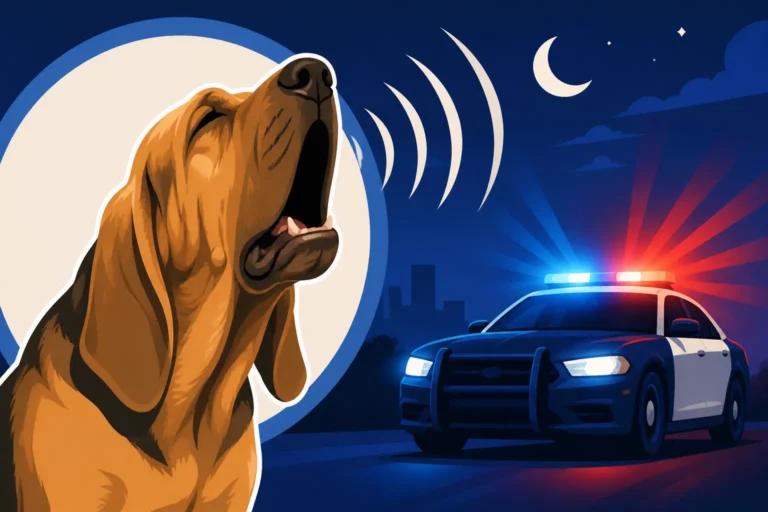
Whether Neighbors Tolerate a Bloodhound
One of the biggest worries new Bloodhound owners face, and a real struggle for seasoned ones too, is how their beloved hound's characteristic baying will impact their neighbors. It's a valid concern, because a Bloodhound's voice is undeniably distinctive and can carry far, sometimes leading to friction even in the most dog-friendly communities. This guide is here to walk you through understanding your Bloodhound's vocal tendencies, offering practical strategies to manage them, and most importantly, helping you foster positive relationships with your neighbors.
Understanding the Bloodhound's Vocal Nature
Let's be honest, Bloodhounds aren't known for being quiet, dainty creatures. They are hounds, after all, and their voices are a fundamental part of who they are. It’s not just a casual bark; it's a deep, resonant sound that can feel both ancient and powerful. This vocal predisposition is something every Bloodhound owner needs to understand and respect, both for their dog's well-being and for peaceful coexistence with those living around them.
The Instinct Behind the Bay
The Bloodhound's bay isn't some random noise; it's a deeply ingrained instinct, a carryover from centuries of breeding for scent work. When a Bloodhound bays, it's often communicating something vital in its world: "I'm on a scent!", "There's something interesting here!", or "I'm looking for my pack!" This isn't naughtiness; it's nature. Their entire existence is built around following a trail and vocalizing to their handler to indicate their progress or a find. This hardwired drive means that asking a Bloodhound to be completely silent is like asking a bird not to sing.
Many people compare Bloodhounds to other breeds, perhaps thinking their vocalizations are similar to a Labrador's occasional bark or a terrier's yappy alarm. But a Bloodhound’s bay is in a league of its own. It’s a sustained, melodic, and often mournful sound that originates from their very core. It's designed to carry over long distances, to cut through various terrains, and to keep a handler informed during an active trail. This makes it particularly challenging to manage in a suburban or urban setting where sound travels easily between homes.
Consider a Bloodhound out in a field, nose to the ground, working a trail. The bay serves a crucial function, letting its human partner know it's found something, or is hot on the heels of the scent. Without this vocalization, the partnership between dog and handler on a long, arduous search would be far less effective. When you bring this highly specialized animal into a home environment, those instincts don't just magically disappear. They need an appropriate outlet, or they'll find one, often to the chagrin of unsuspecting neighbors.
How Loud a Bloodhound's Bay Is
Let's not sugarcoat it: a Bloodhound's bay is loud. It's a deep, booming sound that resonates through the air and can travel surprisingly far. Unlike a sharp, piercing bark that might startle you, a Bloodhound's bay is typically a prolonged, sustained vocalization. It's meant to be heard across fields and through dense woods by its handler, not just to announce someone at the front door. This means that what might be acceptable noise levels for another breed could quickly become a major disturbance when it comes from a large hound like a Bloodhound.
The sheer volume is often what catches owners and neighbors off guard. You might be inside your house, completely unaware that your Bloodhound, left out in the yard for a moment, has decided to strike up a conversation with the squirrel in the oak tree across the street, or the dog three houses down. That deep, throaty bay isn't easily ignored. It's a sound that can penetrate walls and travel through open windows, especially in the quiet hours of early morning or late evening.
This unique sonic signature means that even if you're in an area with a bit more space between houses, your Bloodhound's voice can still easily reach your neighbors. It's a sound that commands attention, and while some might find it charming or even picturesque, others will quickly find it grating, especially if it's frequent or prolonged. Understanding this inherent loudness is the first step in genuinely managing the issue and setting realistic expectations with those around you.
The Difference Between Baying, Barking, and Howling
While many people use "barking" as a catch-all term for any dog vocalization, a Bloodhound actually engages in a few distinct types of sounds, each with different meanings and implications for your neighbors. Understanding these nuances can help you identify the trigger and respond more effectively. The most famous is, of course, the bay. This is that deep, mournful, prolonged sound that is so characteristic of the breed. It's often associated with following a scent, expressing excitement, or seeking attention, and it tends to be quite rhythmic and melodic, albeit loud.
Barking, on the other hand, is usually sharper, more abrupt, and serves a different purpose. A Bloodhound might bark to alert you to someone at the door, to express frustration, or to initiate play. It's typically shorter, more staccato, and often accompanied by a visual cue like running to the window. While a Bloodhound can bark, it's not their primary form of vocal communication, especially when deeply engaged in their instinctive scent work. This distinction is important because the frequency and context of barking might be easier to control with training than the more primal bay.
Then there’s howling, which is less common but can occur. Howling is often a form of long-distance communication, a response to sirens, other howling dogs, or a deep expression of loneliness or distress. While a Bloodhound might howl, it's typically not their default vocalization in the same way the bay is. When addressing neighbor concerns, it’s helpful to be able to explain that your dog isn't just "barking non-stop" but is actually "baying," which can sometimes help educate them about the breed's unique traits, even if it doesn't diminish the volume.
Common Triggers for Bloodhound Vocalization
Recognizing why your Bloodhound is baying or making noise is half the battle. Bloodhounds aren't usually vocal just for the fun of it; there's almost always an underlying reason, often tied directly to their intense sense of smell and their breed's purpose. Understanding these common triggers will help you implement targeted solutions and reduce neighborhood disturbances.
Scent-Driven Baying
This is perhaps the most quintessential Bloodhound trigger. Their noses are paramount, and when they detect an intriguing scent, their instinct is to follow it and often to vocalize about it. This could be the faint trail of a rabbit that passed through your yard hours ago, the lingering scent of a distant skunk, or even the subtle aroma of a human walking by on the sidewalk outside your fence line. For a Bloodhound, these aren't just smells; they are stories waiting to be unraveled, and their bay is a part of that narrative.
Imagine your Bloodhound in the backyard. The mail carrier just walked by a few minutes ago, leaving an invisible (to us) trail of human scent along the sidewalk. To your Bloodhound, this is a clear, compelling path. They might put their nose to the ground, let out a deep bay, and follow that line along your fence, vocalizing as they go. They are quite literally doing what they were bred to do. This isn't defiant behavior; it's inherent. Trying to punish this natural inclination is often counterproductive and can lead to frustration for both you and your dog.
It's not just visible triggers like people or animals. A strong gust of wind can carry the scent of a barbecue from two blocks away, or the presence of a stray cat that was in your neighbor's yard last night. These subtle, invisible triggers can send your Bloodhound into a baying frenzy that seems to come out of nowhere to a human observer. Understanding that their world is dominated by scent helps put their vocalizations into perspective. It means that managing their baying isn't about shutting them up, but about redirecting their incredible olfactory drive.
Boredom and Loneliness
A Bloodhound that is not adequately stimulated, either mentally or physically, is a recipe for a noisy hound. These dogs are intelligent, driven, and have a remarkable amount of stamina when it comes to following a trail. If they are left alone in a backyard with nothing to do, or cooped up inside without enough engagement, that pent-up energy and mental prowess will inevitably find an outlet, and often, that outlet is their voice. A bored Bloodhound will bay, bark, or howl to alleviate their restlessness and signal their unhappiness.
Think about a typical workday. You leave your Bloodhound home alone for several hours. Without appropriate mental enrichment or physical exercise beforehand, they might start baying out of sheer boredom. They might just sit by the window and bay at every passing car, or stand by the back door and bay at the empty yard. This isn't malicious; it’s a cry for attention and a way to burn off unused energy. This kind of vocalization can be particularly frustrating for neighbors because it often seems relentless and without any obvious external trigger.
Loneliness can also be a significant factor. Bloodhounds are pack animals and thrive on companionship. Being left alone for extended periods without human interaction can lead to separation anxiety, which often manifests in destructive behaviors, house soiling, and, yes, excessive vocalization. A Bloodhound baying mournfully for hours because they miss their family is a heartbreaking sound, and one that is unlikely to endear them to your neighbors. Addressing these core needs for companionship and mental stimulation is crucial to managing their noise levels.
Alerting and Anxiety
Bloodhounds are often surprisingly good watchdogs, not in the aggressive "protection dog" sense, but in their capacity to alert you to anything unusual. Their incredible senses mean they pick up on things far sooner than we do, and they're not shy about letting you know. This can mean baying at a delivery truck, a pedestrian walking by, or even an unfamiliar sound from far off that you wouldn't even register. They consider it their job to inform you of the goings-on in their territory.
Beyond general alerting, anxiety can also be a significant contributor to vocalization. Just like any dog, Bloodhounds can suffer from various forms of anxiety, including generalized anxiety or noise phobias. A thunderstorm, fireworks, or even construction noise in the neighborhood can trigger intense fear, and some Bloodhounds will vocalize excessively as a way to cope with their distress. This isn't a deliberate attempt to be noisy; it's a genuine reaction to feeling unsafe or overwhelmed.
Separation anxiety, as mentioned before, is a common culprit. A Bloodhound who becomes extremely distressed when left alone will often bay, howl, and bark incessantly. This isn't just boredom; it's a panic response. Their vocalizations are an attempt to call their family back to them, and they can be relentless and profoundly upsetting for both the dog and the human neighbors who have to listen to it. Recognizing the signs of anxiety and seeking professional help is vital for both your dog's welfare and your neighborly relations.
Proactive Strategies for Minimizing Baying
Managing a Bloodhound's vocalizations requires a multifaceted approach that addresses their instincts, environmental factors, and training. It's about providing appropriate outlets and consistent guidance, rather than simply trying to suppress their natural voice. These proactive steps can make a significant difference in fostering a quieter home and a more harmonious neighborhood.
Meeting Their Instinctual Needs Through Scent Work
The single most effective way to reduce unwanted baying is to channel your Bloodhound's incredible nose into purposeful scent work. A tired Bloodhound is often a quiet Bloodhound, and nothing tires a Bloodhound quite like engaging its primary sense. Mantrailing Is the Answer to a Bloodhound, Not Obedience is a core philosophy here. Instead of fighting their natural drive, embrace it! Regularly engaging them in structured scent games or actual mantrailing sessions can profoundly impact their overall behavior and reduce their need to self-entertain with their voice.
Consider setting up daily "nose work" games around your home or yard. Hide treats or their favorite toys and let them use their nose to find them. You can use puzzle toys or snuffle mats, easily found on platforms like Amazon, to make mealtime a mental challenge. These activities are incredibly enriching and can burn more mental energy than a simple walk around the block. A Bloodhound that has spent 20-30 minutes intensely focusing on a scent challenge will often be content to nap for hours afterward, significantly reducing opportunities for boredom-induced baying. This fulfills their instinctual desire to track, making them feel accomplished and satisfied.
For a more advanced approach, look into formal mantrailing or K9 nose work classes. These structured environments teach you how to set trails and encourage your Bloodhound to follow them, providing an invaluable outlet for their talents. Even if you never intend for your Bloodhound to be a certified search dog, the process of learning and engaging in this work can transform their behavior. It gives them a "job" that aligns perfectly with their genetics, making them calmer, more focused, and ultimately, less prone to disruptive vocalizations. This is a positive feedback loop: the more they work their nose, the less they feel the need to bay aimlessly.
Environmental Management and Sound Barriers
Sometimes, simply tweaking your Bloodhound's environment can make a world of difference in managing their vocalizations. If your Bloodhound bays at everything that moves or makes a sound outside, limiting their visual and auditory access to those triggers can be highly effective. This doesn't mean locking them away, but rather intelligently managing their exposure. For instance, if they're particularly prone to baying at passersby in the front yard, consider using privacy fencing or even strategically placed dense shrubbery to block their view.
Indoors, think about areas where your Bloodhound spends most of their time. If they're constantly looking out a window and vocalizing, try redirecting them to a different, less stimulating spot in the house, perhaps with a comfy bed and a long-lasting chew toy. Playing classical music or white noise can help mask external sounds that might trigger a baying fit, creating a calmer auditory environment for your hound. Products like sound machines can be beneficial here, creating a consistent low hum that makes it harder for subtle outdoor noises to penetrate their consciousness.
For outdoor time, ensure your fencing is secure and ideally, provides some visual barrier. A solid fence that prevents them from seeing everything that walks by can dramatically reduce alert-baying. If your yard backs onto a busy area, consider adding a second layer of defense like a row of tall evergreens, not only for aesthetics but also for their sound-dampening properties. The goal isn't to completely isolate them, but to reduce the constant barrage of sensory input that can overstimulate a Bloodhound's already heightened senses.
Training for Quiet
While we acknowledge that training a Bloodhound to be "quiet" on command can be a significant challenge given their inherent vocal nature, it's not impossible to teach them to respond to cues and to be less reactive. The key is consistency, positive reinforcement, and understanding that their definition of "quiet" might be different from yours. Don't expect immediate silence, but aim for a reduction in duration or intensity of baying.
Start by teaching a "quiet" cue. When your Bloodhound barks or bays, let them get a few vocalizations out, then approach them calmly. Present a high-value treat right near their nose. The moment they stop vocalizing to sniff the treat, even for a second, mark that moment with a verbal cue like "Quiet!" and reward them generously. Slowly increase the duration of silence required before the treat is given. This method teaches them that being quiet, even for a short time, earns them something good. Online resources like BAXTER & Bella offer structured training programs that often include modules on managing vocalizations through positive reinforcement.
It's equally important to manage their environment and anticipate triggers. If you know the mail carrier is coming, try to distract your Bloodhound with a game or a puzzle toy before they arrive. Reward them for not baying. Sometimes, teaching an alternative behavior, such as going to their bed and lying down when a trigger appears, can be more effective than trying to stop a bay mid-stream. Remember, Bloodhounds respond best to patience and positive motivation. Harsh corrections are often detrimental, leading to a shut-down or anxious dog rather than a quieter one. Why a Bark Collar Is the Wrong Answer for a Bloodhound is important to remember here; these tools rarely address the root cause of the vocalization and can cause fear or pain.
Addressing Neighbor Concerns and Building Relationships
Living with a vocal hound means that at some point, you'll likely have to address concerns from your neighbors. How you handle these interactions can make all the difference between a minor hiccup and ongoing neighborhood tension. Proactive communication and a willingness to compromise are key.
Open Communication and Empathy
The absolute best way to handle potential neighbor complaints is to get ahead of them. If you've just adopted a Bloodhound, or if your existing hound has developed a new vocal habit, consider reaching out to your immediate neighbors before they feel the need to complain. A simple conversation, explaining that Bloodhounds are a vocal breed and that you are actively working on managing their baying, can go a long way. This shows respect and acknowledges their potential discomfort.
When a neighbor does approach you, or if you decide to initiate the conversation, lead with empathy. Put yourself in their shoes: persistent baying can be incredibly disruptive, especially if they work from home, have young children, or simply crave peace and quiet. Start by genuinely listening to their concerns without becoming defensive. "I understand this must be frustrating to hear," or "I'm so sorry that my dog's baying has been disturbing your peace," can de-escalate the situation immediately.
Once you've listened, explain what steps you are already taking to mitigate the issue. This demonstrates that you are a responsible owner who is actively engaged in finding solutions. You might mention the new scent work routine you've implemented, the training classes you're attending (perhaps with BAXTER & Bella's online resources), or the privacy fence you're installing. Offer to exchange phone numbers so they can text you if the baying becomes excessive, allowing you to intervene quickly. This level of transparency and willingness to work together often turns potential adversaries into allies.
Documenting Efforts and Seeking Professional Help
In some cases, despite your best efforts, neighbor complaints might persist or even escalate. This is where documenting your efforts becomes invaluable. Keep a log of your Bloodhound's daily exercise routine, scent work sessions, and any training you're doing to reduce vocalizations. Note down specific times when your dog was vocal and what steps you took to address it. This factual record can be incredibly helpful if you ever need to demonstrate to an HOA, landlord, or even animal control that you are actively and responsibly managing your dog.
If you've tried various strategies and are still struggling, don't hesitate to seek professional help. A certified professional dog trainer or a veterinary behaviorist can offer tailored advice and training plans specific to your Bloodhound's individual needs and triggers. They might identify underlying anxieties or behavioral patterns that you've missed. Having a professional involved also shows your neighbors and any potential authorities that you are taking the issue seriously and investing in expert solutions. They might recommend specific environmental changes or advanced training techniques that you hadn't considered.
Sometimes, the issue isn't just about training, but about the dog's overall well-being. A vet behaviorist can rule out any medical reasons for increased vocalization or suggest anxiety-reducing medications if appropriate, in conjunction with behavioral modification. This holistic approach ensures that all angles are covered, from their physical health to their mental state and training needs. Remember, you're not alone in this; there are resources available to help both you and your Bloodhound live more harmoniously with your community.
Legal and Community Considerations
It's a harsh reality, but persistent noise complaints can sometimes lead to legal or community action. Most towns and cities have noise ordinances that address excessive animal vocalizations, often defining what constitutes a "nuisance" and how long continuous barking or baying is allowed to go on. Homeowners' Associations (HOAs) or apartment complexes might also have specific rules about pet noise that are even stricter than local laws. It's crucial to be aware of these regulations in your area.
Before you face a formal complaint, take the time to look up your local noise ordinances and any HOA rules that might apply to you. Understanding the legal framework can help you assess your risk and guide your mitigation strategies. If you find yourself facing official action, having a detailed log of your efforts, and perhaps a letter from a professional trainer or vet behaviorist outlining your progress, can be instrumental in demonstrating your good faith and responsible ownership.
The ultimate goal is to avoid these situations altogether through proactive management and good neighbor relations. However, being informed and prepared is always wise. In extreme cases, if a Bloodhound's baying cannot be sufficiently managed and it consistently violates local ordinances, it can lead to fines, requirements for the dog to be rehomed, or even, in the most tragic circumstances, euthanasia. This underscores the importance of addressing vocalization issues head-on, with empathy, consistency, and professional support if needed.
Life with a Baying Bloodhound in the Neighborhood
Embracing life with a Bloodhound means accepting their unique traits, including their powerful voice. The aim isn't to silence them completely, but to manage their vocalizations so they don't become a persistent nuisance to your neighbors. It's a journey of understanding, effort, and building goodwill.
Managing Expectations for Both Owner and Neighbor
Let's be realistic: a Bloodhound will never be a completely silent dog. Their bay is an intrinsic part of their breed, just like their incredible nose. As an owner, you need to manage your own expectations – you won't eliminate all baying, but you can significantly reduce nuisance vocalizations. The goal is to cultivate a Bloodhound that is mostly quiet and content, with occasional, understandable outbursts rather than constant noise.
It's equally important to manage your neighbors' expectations, preferably from the outset. Educate them (gently!) about the breed's nature and purpose. Explaining that the bay isn't aggression, but an instinctual form of communication, can sometimes shift their perception. If they understand that you are actively working with your dog, providing outlets for their scent drive, and that you care about their peace, they are far more likely to be tolerant of the occasional bay. Consistency in your efforts will speak volumes.
The truth is, some level of noise from any dog is a part of living in a community. The challenge with a Bloodhound is that their "normal" noise level is often higher and more distinctive than other breeds. Aim for a balance where your Bloodhound feels fulfilled, you've done your due diligence in training and management, and your neighbors feel respected and have their concerns addressed. It's a continuous effort, but a rewarding one that allows you to enjoy your magnificent hound without constant worry.
Benefits of a Well-Managed Bloodhound in the Community
While the focus is often on managing the noise, a well-managed Bloodhound brings so much joy and interest to a neighborhood. Their gentle, good-natured demeanor makes them fantastic ambassadors for the breed. When neighbors see you actively working with your hound, taking them on long walks, engaging them in scent games, and being responsive to feedback, it paints a picture of responsible ownership. This positive image can go a long way in offsetting any occasional baying.
Imagine your Bloodhound, calm and collected after a solid hour of Nose Work Tires a Bloodhound More Than Walking training, gently greeting children and adults on a neighborhood stroll. Their unique looks often attract attention, and a well-socialized Bloodhound can melt hearts with their soft eyes and characteristic wrinkles. They become known as the friendly, interesting dog on the block, rather than just "the noisy one."
Furthermore, responsible Bloodhound ownership can even foster a stronger sense of community. By being open and communicative with your neighbors, you might find common ground and build relationships. Perhaps a neighbor has an interest in dogs and is curious about scent work, or another is a seasoned dog owner who offers advice. A Bloodhound, despite its powerful voice, can truly be a beloved part of a neighborhood, enriching the lives of those around them, as long as their unique vocal nature is understood and managed with care and respect.
| Vocalization Type | Description | Common Triggers | Impact on Neighbors | Management Approach |
|---|---|---|---|---|
| Baying | Deep, resonant, prolonged, often mournful sound | Strong scents, excitement, tracking instinct, attention-seeking | Can be heard far, prolonged, distinctive, potentially very disruptive | Scent work, mental enrichment, environmental control, "quiet" cue |
| Barking | Shorter, sharper, more abrupt | Alerts (doorbell, people), frustration, play invitation, anxiety | More typical "dog noise," can be frequent and irritating | Redirection, positive reinforcement for desired behavior, reduce triggers |
| Howling | Sustained, wailing, mournful sound | Response to sirens, other dogs, loneliness, separation anxiety, distress | Can be quite unsettling, prolonged, sounds like distress or sadness | Address underlying anxiety/loneliness, companionship, sound masking |
Disclaimer
This article is for general informational purposes only and does not constitute professional advice. Laws, prices and regulations vary by location and change over time. Consult a qualified professional for guidance on your specific situation.