What Traveling to Bloodhound Trailing Events Costs
As Bloodhound owners, we know the call of the trail is strong, not just for our dogs, but for us too! The excitement of seeing your hound put its nose to work, following that faint human scent, is truly unparalleled. However, getting to those thrilling trailing events, whether for certification, competition, or advanced training, often comes with a significant financial outlay that many new owners don't fully anticipate. This guide will walk you through the various costs associated with traveling to Bloodhound trailing events, from getting there to staying there, so you can budget effectively and focus on the joy of the hunt.
Understanding the Core Travel Expenses for Trailing Events
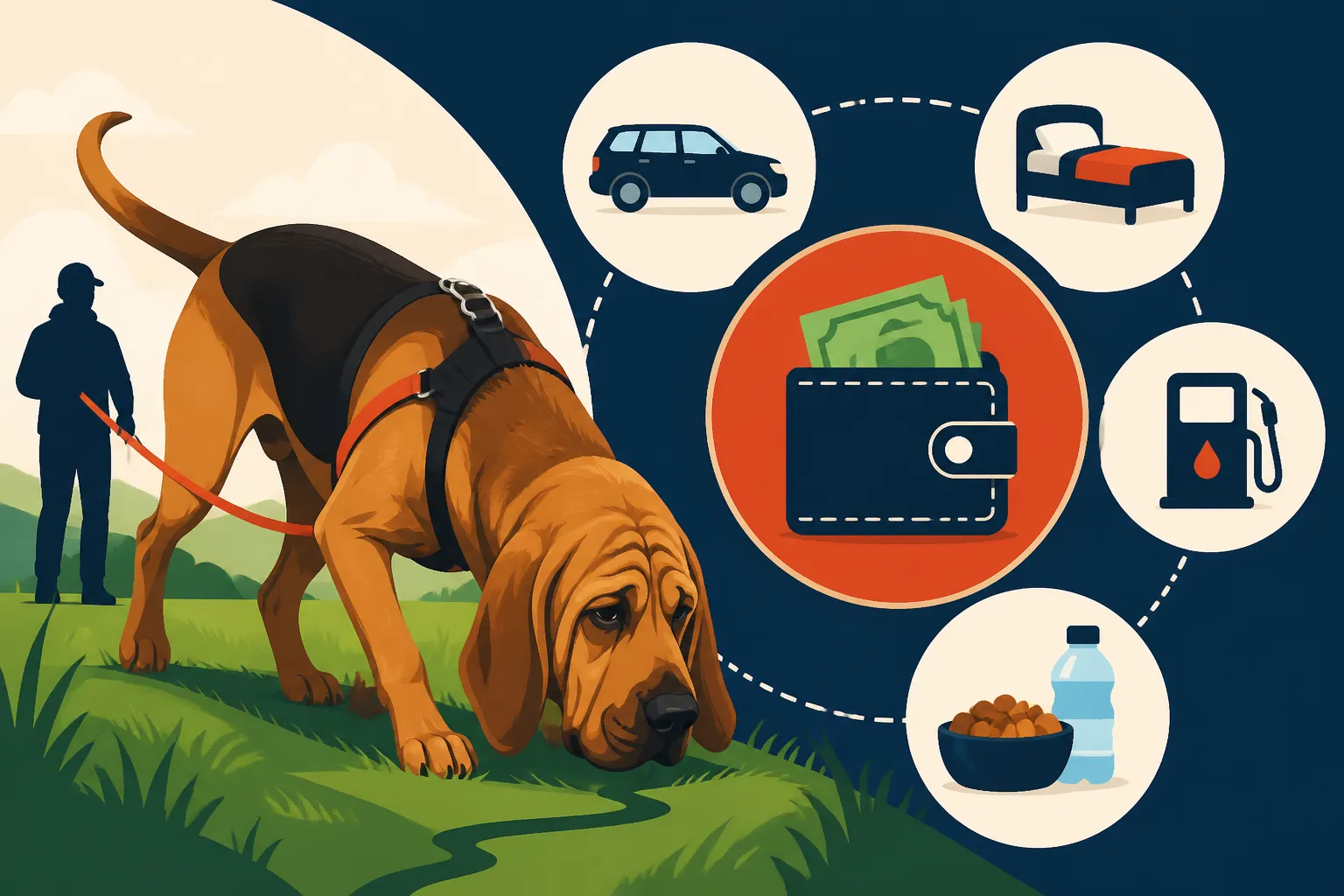
Venturing out to Bloodhound trailing events is rarely a local affair. Often, the best training opportunities, certified tests, or competitive venues are hours, or even a full day’s drive, away. This means you're not just signing up for an event; you're planning a mini-expedition. The core expenses typically fall into a few major buckets: transportation, accommodation, food for both you and your hound, and the event-specific fees themselves. It's easy to focus on just the entry fee, but that’s often the smallest piece of the financial pie. Thinking about these trips as an entire package rather than individual line items helps prevent sticker shock later on.
Imagine you've found the perfect American Bloodhound Club trailing test, but it's six states away. Suddenly, you're not just considering a tank of gas; you're looking at multiple tanks, maybe a night or two in a dog-friendly hotel, and all your meals away from home. Then there are the incidentals – a new treat to reward a great find, a forgotten leash, or an emergency vet visit (heaven forbid!). Each category of expense needs careful consideration and budgeting to ensure these adventures remain a source of joy, not financial stress. It’s not just about the cost but the cumulative cost of taking your unique dog to do the work they were born for.
Initial Investments: Gear and Memberships
Before you even hit the road, there are foundational costs for any serious Bloodhound handler involved in trailing. These are often one-time or annual expenses that enable your participation. Think of them as your entry ticket into the world of scent work.
First, you'll need the right equipment. A sturdy, comfortable tracking harness is absolutely essential, designed to distribute pressure evenly across your dog's chest and shoulders, not their throat. This is distinctly different from a regular walking harness. Paired with this is a long line, typically 15 to 30 feet, which allows your Bloodhound to work a trail with freedom while you maintain control. Quality gear isn't cheap, but it’s an investment in your dog’s safety and performance. You can find excellent options for What a Mantrailing Harness and Long Line Cost and What a Tracking Harness Costs for a Bloodhound from reputable online retailers like Chewy, which often have a wide selection and competitive pricing. Don't skimp here; a cheap harness can chafe, break, or even injure your dog, and a flimsy line can snap at a crucial moment. The specific length of line you need can also impact cost, so understanding How Long a Line a Bloodhound Handler Buys is key.
Then there are memberships. If you're serious about trailing, especially if you plan to title your Bloodhound, joining organizations like the American Bloodhound Club (ABC) or local tracking clubs is often necessary. These memberships provide access to sanctioned events, educational resources, and a community of like-minded individuals. Annual dues are a recurring cost, but the benefits, including eligibility for certain trials and seminars, usually outweigh them. Sometimes these memberships also offer discounts on event entry fees, which can add up over time. It’s also worth considering introductory mantrailing seminars, as covered in What a Mantrailing Seminar Costs a Bloodhound Owner, which give you a taste of the sport before fully committing.
The Price of Getting Your Bloodhound and Yourself to the Event Site
Once you're ready to roll, the actual journey to the event location can be the single largest variable expense. Bloodhounds are big dogs, and they take up space, which impacts your vehicle choice and fuel consumption. Getting from point A to point B isn't just about gas; it's about the wear and tear on your vehicle, potential tolls, and the time commitment.
Let's talk about fuel. Most Bloodhound owners travel by car, and if you have a larger SUV or truck – which many do to accommodate these magnificent hounds comfortably – you're likely not getting stellar gas mileage. A trip of several hundred miles each way means multiple fill-ups. Prices at the pump fluctuate wildly, so what might be affordable one month could feel like a luxury the next. Factor in that you might be driving through different states with varying fuel taxes. I always recommend mapping out your route and estimating fuel costs using current averages for your vehicle. Add a buffer for unexpected detours or idling time at rest stops.
For very distant events, flying might be considered, but it's incredibly rare for Bloodhounds. Their size makes cargo travel complex, expensive, and stressful. Most owners agree it's not ideal for the dog's well-being, especially a scent hound whose primary tool is its nose, and who thrives on routine and handler proximity. Therefore, ground travel remains the go-to. Don't forget vehicle maintenance; long drives demand a well-maintained car. Oil changes, tire rotations, and general checks become even more critical when you're relying on your vehicle to transport your precious cargo safely across long distances. It's part of the broader cost of owning Whether a Working Bloodhound Costs More to Keep Than a Pet One.
Road Trip Provisions and Pet Safety
A good road trip requires more than just gas. You’ll need provisions for yourself, but even more importantly, for your Bloodhound. This isn't just about their regular meals, but also plenty of water, especially if you're traveling in warm weather. Collapsible bowls, a cooler for water, and maybe even a small fan for their crate if your car's AC isn't reaching them properly are essential. Snacks for both of you are a given, but for your hound, consider high-value treats for training rewards at the event and easy-to-digest options for the car.
Safety equipment is also non-negotiable. A sturdy, crash-tested crate is ideal for car travel, securing your Bloodhound and preventing them from becoming a projectile in an accident. If a crate isn't feasible, a safety harness that clips into the seatbelt is the next best option. Never let your Bloodhound roam loose in the car, no matter how calm they seem. In an emergency stop, they could be seriously injured or injure you.
Finally, think about unexpected roadside stops. Having a first-aid kit for both humans and dogs is crucial. Know where the emergency vet clinics are along your route, especially for overnight stops. While no one wants to think about it, accidents happen, and having a plan, along with pet insurance like Healthy Paws, can be a lifesaver. Being prepared for the unexpected is a huge part of responsible Bloodhound ownership, particularly when traveling.
Staying Comfortable and Prepared: Accommodation and On-Site Necessities
Once you arrive at your destination, finding appropriate lodging is the next big hurdle. Not all hotels welcome giant, baying hounds with open arms – or at all. This adds another layer of cost and complexity to planning.
Finding Dog-Friendly Lodging
Your accommodation choices are largely dictated by whether the event itself offers on-site camping or dorms, or if you're seeking external options. Many trailing events are held in rural areas, and sometimes primitive camping is available directly at the venue, which can be the most budget-friendly option. However, camping means bringing all your own gear: tent, sleeping bag, cooking equipment, and supplies for your dog's comfort. You’ll also need to consider amenities like water access, restrooms, and power.
If camping isn't your style, or isn't offered, dog-friendly hotels or Airbnbs are your next best bet. These often come with additional pet fees – sometimes a flat rate per stay, other times a nightly charge. These fees can add up quickly, especially for multiple nights. It's vital to call ahead and confirm the pet policy, including weight or breed restrictions, before booking. Some hotels might charge extra for large breeds or have a two-dog limit if you're bringing a friend's hound along. You also need to be mindful of your Bloodhound's behavior in a hotel room. Their loud baying can quickly earn you a complaint, and their tendency to drool and shed means you'll need to be extra diligent about cleanliness to avoid additional cleaning fees.
Consider booking well in advance, especially if the event is popular or in a remote area with limited options. Sometimes, the only available dog-friendly places are significantly more expensive. For longer stays, an Airbnb or VRBO might offer better value and more space for you and your dog, along with kitchen access to save on food costs.
Setting Up Your Home Away From Home
Beyond the roof over your head, you need to think about setting up a comfortable and functional space for your Bloodhound. This includes their travel crate, which doubles as their "room" at the hotel or campsite. Make sure it's spacious enough for them to stand, turn around, and lie down comfortably. Bring their favorite bedding and toys to help them feel secure in an unfamiliar environment.
Food and water are critical. Maintaining their regular feeding schedule and diet is important to avoid stomach upset, especially before a working event. If your Bloodhound eats specialized food, like a fresh diet from Ollie, ensure you have enough packed or a plan for sourcing it if you’re staying for an extended period. Don't forget bowls – consider elevated feeders to prevent their long ears from dipping into their food. You’ll also need a supply of your regular ear cleaner and wipes for those droopy folds. Everything on a Bloodhound Hangs Down and Has to Be Cleaned, so travel is no excuse to skip their vital grooming routine. You may also want a snood to keep those ears clean while eating.
For comfort and hygiene, bring plenty of old towels and blankets. Bloodhounds drool, they shed, and they can track dirt after a successful trail. Having designated "hound towels" can save your furniture and make cleanup easier. Portable fans can be a godsend in warm climates or stuffy hotel rooms, ensuring your Bloodhound stays cool and comfortable. Also, remember their preventatives! Flea, tick, and heartworm medications are crucial, especially when traveling to new areas where different parasites might be prevalent. You can easily stock up on these and other essentials through online retailers like Chewy before your trip.
Beyond the Basics: Event Fees, Training, and Unexpected Costs
The costs don't stop once you've arrived and settled in. The event itself brings its own set of expenses, and there are always those unexpected outlays that seem to pop up from nowhere.
Event Entry and Additional Training Costs
The most obvious event-specific cost is the entry fee for the trailing test, seminar, or competition. These can vary widely, from relatively modest fees for local club events to several hundred dollars for national-level tests or multi-day seminars. For example, What an American Bloodhound Club Trailing Test Entry Costs can be substantial. Often, these fees are non-refundable, so ensure your Bloodhound is truly prepared before you commit.
Sometimes, you might also incur costs for last-minute training or private lessons at the event site. Perhaps a professional handler or instructor is offering short coaching sessions, and you decide to take advantage. While beneficial, these add to your overall expenditure. Some handlers also participate in pre-event conditioning or warm-up trails, which might have a small fee attached. It's a fine line between preparation and overspending, but for a high-stakes event, a little extra guidance can make a big difference.
Consider the cost of a What a Bloodhound's Scent Article Kit Costs if you don't already have one, or need a fresh one for the event. Having multiple scent articles ensures you always have a clean, untainted scent source for training and trials. Also, many events offer merchandise – shirts, hats, commemorative items – which can be tempting additions to your bill if you're not careful!
The Ever-Present "Unexpected" Column
Ah, the "unexpected" column – every Bloodhound owner's nemesis! Despite the best planning, something invariably comes up. This is where having an emergency fund is crucial, as highlighted in Whether a Bloodhound Owner Needs an Emergency Fund.
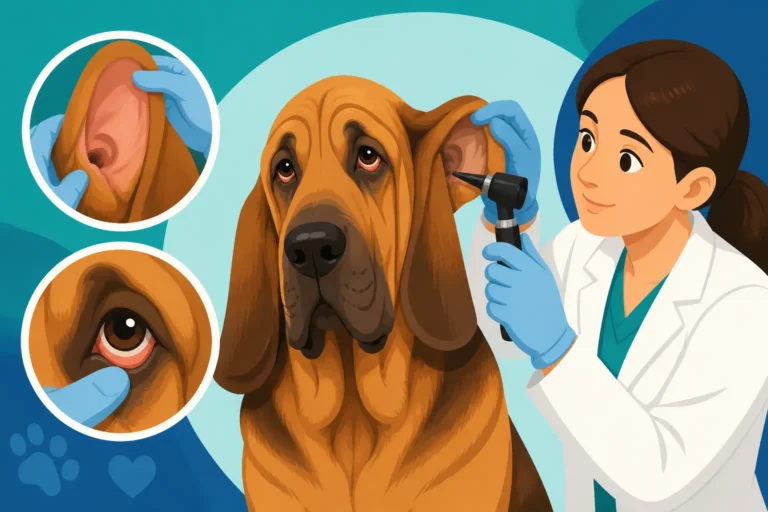
For instance, your Bloodhound might suffer a minor injury on the trail – a thorn in a paw, a scrape, or even just general soreness from unaccustomed exertion. A quick vet visit for a check-up or some pain medication will add to your tab. Or, worse, stress from travel or a change in routine could trigger a bout of gastrointestinal upset, potentially leading to a midnight emergency visit to an unfamiliar veterinary clinic. It’s always good practice to research emergency veterinary services in the area you’re visiting, especially if you’re far from your regular vet. While you hope you never need it, knowing Whether a Bloodhound Owner Should Choose a Vet With Overnight Surgery in the area you're traveling to is a good idea. Even routine pre-travel health checks can add up, as What a Bloodhound's Ear and Eye Check Adds to a Vet Visit shows.
Beyond medical emergencies, you might forget a crucial piece of gear, requiring a hurried and often overpriced purchase at a local pet store. Or perhaps your dog’s collar or leash breaks. You might need to buy extra water or ice. Even simple things like parking fees at the event, or tips for helpful staff, can chip away at your budget. Always build a "contingency" into your travel budget – a realistic amount, perhaps 10-15% of your total estimated costs, set aside for these unforeseen circumstances. This way, you can handle minor hiccups without derailing your entire financial plan for the trip.
| Category | Typical Items/Services | Frequency | Estimated Cost Range (Relative) |
|---|---|---|---|
| Pre-Travel Gear | Tracking Harness, Long Line, Scent Articles, Crate | One-time/As Needed | Medium to High |
| Memberships/Training | Club Dues, Seminar Fees, Certification Entry | Annual/Per Event | Medium |
| Transportation | Fuel, Vehicle Maintenance, Tolls | Per Trip | High |
| Accommodation | Hotel/Airbnb Pet Fees, Camping Fees | Per Trip | Medium to High |
| Food & Supplies | Dog Food, Treats, Water, Handler Snacks, Grooming Supplies, Pet First Aid | Per Trip | Medium |
| Event Specific | Entry Fees, Extra Training Sessions, Merchandise | Per Event | Medium to High |
| Contingency | Emergency Vet, Replacement Gear, Unexpected Incidentals | As Needed | Variable (Budget 10-15%) |
Traveling to Bloodhound trailing events is an incredible experience that strengthens the bond with your dog and allows them to fulfill their deepest instincts. While the costs can accumulate, thorough planning and budgeting can help manage the financial strain. By understanding all the potential expenses, from your gear and memberships to the journey itself, your accommodation, and those pesky unexpected items, you can embark on these adventures with confidence, focusing on the thrill of the chase rather than worrying about your wallet. Happy trails!
Disclaimer
This article is for general informational purposes only and does not constitute professional advice. Laws, prices and regulations vary by location and change over time. Consult a qualified professional for guidance on your specific situation.