What a Bloodhound’s Scent Article Kit Costs
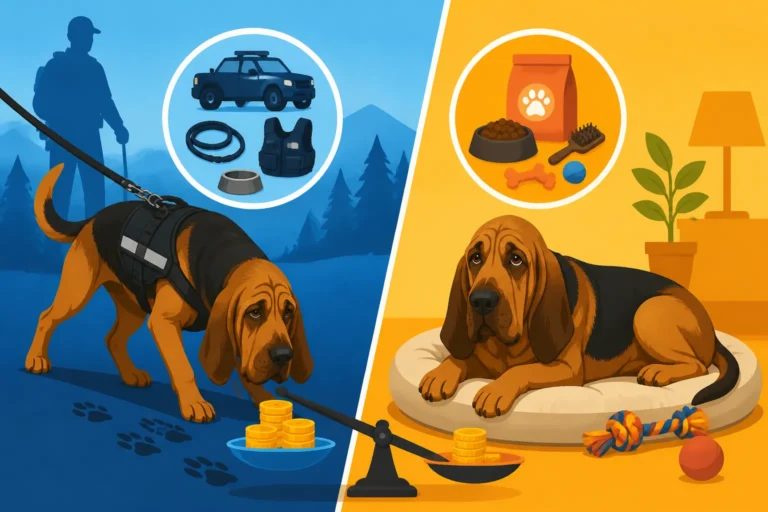
There's nothing quite like the sight of a Bloodhound with its nose to the ground, utterly focused, unraveling a scent puzzle that's invisible to us. It's a truly amazing partnership, but if you're just getting started with scent work or even considering a Bloodhound, you might be wondering what it takes, financially, to equip yourself for this incredible journey. Beyond the initial excitement, assembling a practical scent article kit can feel a bit daunting, but don't worry – this guide will walk you through the real costs, breaking down everything you need to get your furry detective on the trail.
The Non-Negotiable Elements of a Bloodhound's Scent Article Kit
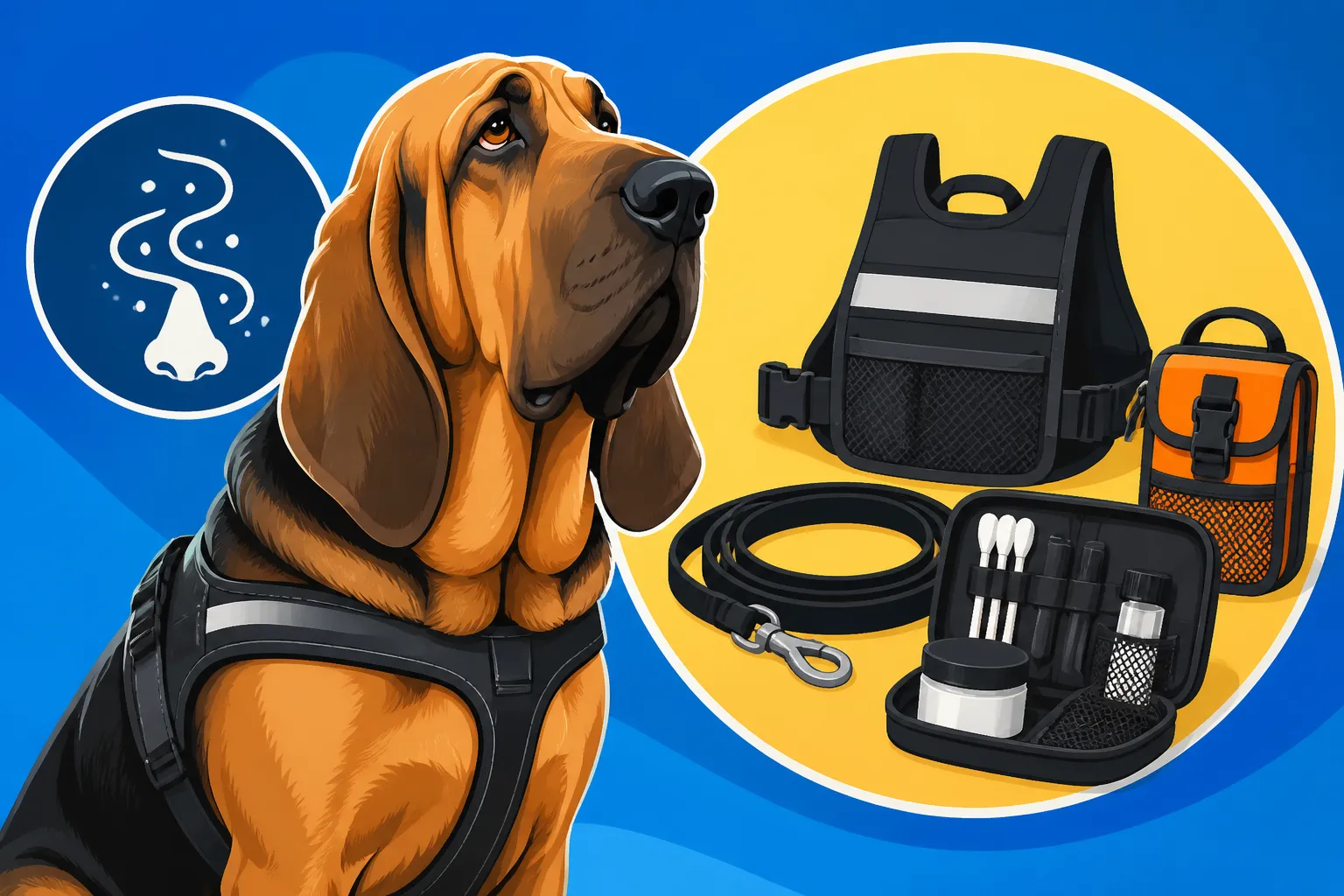
When you first think about a "scent article kit," your mind might jump to fancy, expensive gadgets. The truth is, the core of what you need for your Bloodhound’s scent work is often surprisingly simple, focusing on protecting and presenting the scent itself. These are the items you absolutely can't skip if you want to set your dog up for success and avoid frustrating false trails.
Scent Articles Themselves: The Heart of the Trail
At its most fundamental, a scent article is just something that carries the unique odor signature of the person your Bloodhound needs to find. For many of us, especially when starting out, this means items already lying around the house. Think worn socks, a t-shirt someone slept in, or even a small piece of fabric that's been pressed against their skin for a few minutes. The beauty of it is, these are usually free! You're literally repurposing everyday items.
However, as you advance or want to create specific training scenarios, you might encounter specialized "scent pads" or "swatches" designed to hold scent particularly well and be easily handled. These are typically small pieces of cotton, wool, or synthetic fabric. They might come in a pack for a few dollars, but they're certainly not a requirement for beginners. The key is simply having an item that has been in direct contact with the person you want your dog to trail, ideally for a sustained period to allow a good amount of epithelial cells (skin cells) to transfer. This is the very foundation of trailing, giving your Bloodhound something solid to work with.
Scent-Proof Containers for Preservation
Once you have a scent article, the next crucial step is keeping that scent pure and uncontaminated until your Bloodhound is ready to work. This is where scent-proof containers become your best friend. Imagine putting on your running shoes, only to find someone else's muddy footprints inside – that's what a contaminated scent article feels like to a Bloodhound. To them, it's confusing, and it muddies the waters of the trail.
You'll need containers that seal tightly to prevent the target odor from mixing with other ambient smells. Glass jars with airtight lids, like canning jars, are fantastic and often quite economical. Heavy-duty freezer bags, especially the double-seal varieties, can also work well, though they may not be as completely odor-proof over very long periods as glass. For more advanced or professional setups, you might see purpose-built scent tins or tubes, sometimes designed to hold specific types of scent swabs. These can be a bit more of an investment, costing a few dollars per specialized container, but they offer peace of mind regarding scent integrity. You can often find excellent multi-packs of glass jars or sturdy storage bags from retailers like Chewy, which can help keep costs down when buying in bulk. Having several containers allows you to store individual scent articles for different family members or multiple target scents for complex training exercises.
Handling Gloves: Protecting the Scent's Integrity
This might seem like a small detail, but it's absolutely non-negotiable: you need to handle your scent articles with gloves. Every time. Our hands carry a multitude of scents – our own skin cells, residue from what we've touched, food, lotion, you name it. If you handle a scent article with bare hands, you're inadvertently adding your own scent to the mix, contaminating the target odor. This can make it incredibly difficult, if not impossible, for your Bloodhound to distinguish the correct trail.
Nitrile or latex-free gloves are the go-to choice for this. They're inexpensive, readily available at drugstores or in bulk online, and create a barrier that protects the integrity of the scent. Think of it as forensic science for your dog – you wouldn't see a crime scene investigator picking up evidence without gloves, and your scent work should be treated with the same respect for purity. A box of 100 or 200 gloves will last you a good while and is a small but vital investment in your Bloodhound's training. It's a habit you need to cultivate from day one, even when introducing your Bloodhound puppy to its first scent article. For example, when you prepare What Scent Article a Bloodhound Puppy Starts On, you'll want to use gloves to ensure only the target scent is present.
Essential Gear for Laying and Working a Trail
Beyond the scent article itself, there are several pieces of equipment that are absolutely fundamental to actually doing scent work with your Bloodhound. These aren't just accessories; they are tools that enable clear communication, safety, and effective trailing.
The Working Harness and Long Line
If you're going to do any serious scent work with your Bloodhound, a dedicated working harness and a long line are not optional; they're your primary communication tools. Trying to do scent work on a regular collar or even a standard walking harness is like trying to drive a precision race car with a loose steering wheel – it just won't work.
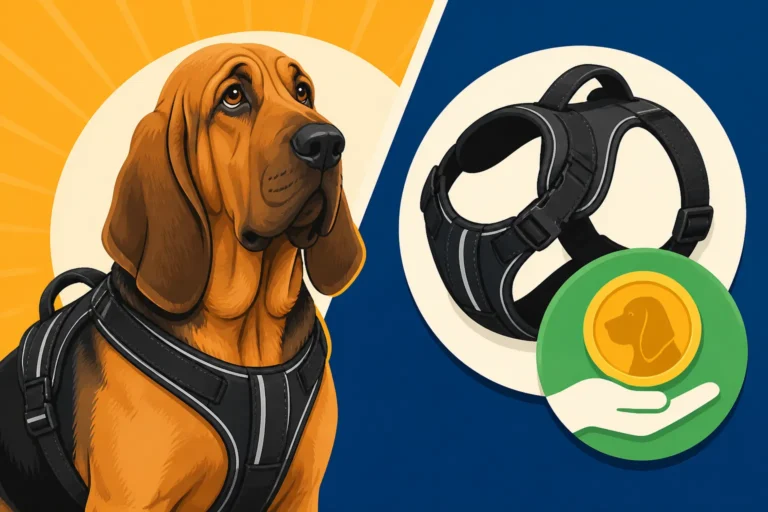
- The Harness: A proper tracking or Y-front harness is designed to allow your Bloodhound full, unrestricted shoulder movement while applying pressure evenly across their chest and shoulders, rather than on their throat. This keeps their airway clear and allows them to lean into the work without discomfort. High-quality harnesses can range significantly in price, from around $40-$100 or more, depending on materials (nylon, padded, biothane) and brand. While it's an upfront cost, a good harness is a durable piece of equipment that will last for years with proper care. You'll want to explore Which Harness a Bloodhound Trails In to find the best fit for your dog.
- The Long Line: This is your lifeline. A long line, typically 15 to 30 feet or even longer, allows your Bloodhound to range out and follow a trail without being held back by a short leash, while still keeping them safely connected to you. Materials like biothane are popular because they're durable, easy to clean (a must for messy trails!), and don't absorb water. Nylon lines are also common and generally more affordable. Expect to pay between $20-$60 for a quality long line. Again, this is an investment that will see countless hours of use. Understanding How Long a Line a Bloodhound Handler Buys is crucial for effective trailing, as the length often depends on the environment you're working in.
Rewards: Fueling Your Bloodhound's Motivation
Your Bloodhound is working for you and for the sheer joy of the hunt, but high-value rewards are crucial for marking success and maintaining motivation, especially in training. After successfully completing a trail or finding the target, a fantastic reward reinforces that amazing effort. This isn't just about a pat on the head; it’s about providing something truly exciting to your dog.
High-value treats are usually soft, smelly, and easily digestible. Think small pieces of cooked chicken, cheese, hot dogs, or specially formulated training treats. The cost here is an ongoing one, as you'll go through a lot of treats! A bag of quality training treats can cost anywhere from $5 to $20, and you'll likely need to replenish them regularly. Some handlers even make their own boiled chicken or liver treats, which can be more economical and allow you to control ingredients. While it's tempting to think that Whether Food Is the Right Reward for a Trailing Bloodhound is a simple 'yes,' the type of food reward can make a huge difference in your dog's enthusiasm and focus.
Tracking Collar or Vest for Visibility and Safety
When your Bloodhound is deep in concentration on a trail, their focus is singular. This means they might not be as aware of their surroundings, and in certain environments, their natural coloring can make them blend in. A brightly colored tracking collar or a reflective vest can significantly enhance their visibility, especially when working near roads, in dense woods, or during low-light conditions.
These items are primarily about safety, both for your dog and for any passersby who might not expect a large dog to emerge from the brush. A simple high-visibility collar can be found for under $15, while a more robust, reflective vest designed for working dogs might cost $20-$40. Some handlers also opt for GPS tracking collars, which can be a much higher investment (often $100-$300+) but offer an invaluable layer of security, especially if your Bloodhound gets disconnected from the long line in a vast area. While not strictly part of the "scent article kit," these safety additions are paramount for any serious trailing work. Don't forget to consider Whether a Bloodhound Handler Needs Reflective Gear if you're working at dawn, dusk, or in challenging weather conditions.
Practical Considerations and Budgeting Tips
Assembling your Bloodhound's scent article kit isn't just about buying items; it's about smart choices, understanding longevity, and budgeting effectively.
DIY vs. Pre-Made Kits
You might come across "nose work" kits online or at specialty pet stores. These kits often contain small containers, cotton swabs, and various essential oils (like birch, anise, or clove) for teaching scent discrimination games. While these can be fun and introduce your dog to scent, they are generally not designed for human-specific trailing, which is the Bloodhound's forte.
- DIY Kit (Recommended for Trailing): Assembling your own kit means you get exactly what you need for human scent trailing. You gather your free scent articles, invest in good quality glass jars, buy a box of nitrile gloves, and get the right harness and long line. This approach is usually more cost-effective for true Bloodhound work and allows for greater customization. It also ensures you're not paying for components (like essential oils) that aren't typically used in man-trailing.
- Pre-Made Nose Work Kits: These are typically geared towards detection-style scent work, where the dog learns to identify a specific odor rather than follow a trail left by a person. While they have their place in general canine enrichment, they won't fully equip you for tracking a human. They might cost anywhere from $30 to $100+, but much of that cost might be for items you won't use for traditional Bloodhound trailing.
Longevity and Replacement Costs
While some items in your kit are one-time purchases, others are consumables or will wear out over time. It's helpful to consider these ongoing costs when planning your budget.
- Durable Items: Your working harness and long line, if chosen well, should last for many years. Quality biothane lines are incredibly tough. Glass scent jars are also very durable, as long as they're not dropped! These represent a significant initial investment, but low replacement frequency.
- Consumable Items: Nitrile gloves are used every session and need to be regularly replenished. High-value treats are a constant outgoing expense. If you're using specialized scent pads, those will also need to be replaced. These are smaller, but more frequent, costs.
- Safety Gear: Reflective vests or high-visibility collars should be checked periodically for wear and tear, especially if your Bloodhound works in rough terrain. Fading or damage can compromise their effectiveness.
Here’s a general overview of the estimated costs for a basic, functional scent article kit for your Bloodhound:
| Item | Description | Estimated Cost Range (USD) | Frequency |
|---|---|---|---|
| Scent Articles | Worn clothing, fabric swatches (often free) | $0 – $10 | As needed |
| Scent Containers | Glass jars with airtight lids, heavy-duty freezer bags | $10 – $30 (for multiple) | Initial, low |
| Handling Gloves | Nitrile or latex-free (box of 100-200) | $15 – $25 | Ongoing |
| Working Harness | Y-front or tracking harness, durable material | $40 – $100 | Initial, low |
| Long Line | 15-30+ feet, biothane or quality nylon | $20 – $60 | Initial, low |
| High-Value Treats | Soft, smelly training treats (monthly supply) | $10 – $40 | Ongoing |
| Visibility Collar/Vest | Reflective, brightly colored for safety | $15 – $40 | Initial, low |
| Total Initial Investment | (Excluding long-term treat costs) | $110 – $295+ | One-time |
Note: These are estimates and can vary based on brand, quality, and where you purchase your supplies.
Finding Affordable Supplies
It's natural to want to save a few dollars where you can without compromising your Bloodhound's training.
- Online Retailers: Websites like Chewy are excellent for purchasing items like gloves in bulk, finding deals on durable long lines, and exploring various treat options. Their wide selection often means competitive pricing.
- Repurposing Household Items: Don't underestimate the power of DIY. Clean, empty pickle jars or jam jars can be perfect scent containers. Old, clean t-shirts, socks, or even pieces of flannel sheets make excellent scent articles.
- Local Training Groups/Clubs: Connect with other Bloodhound owners or local scent work clubs. Sometimes, these groups have bulk ordering discounts for supplies, or members might have spare equipment they're willing to sell or lend. They can also provide valuable insights into local suppliers. It's smart to have a general fund set aside for your dog's needs, whether it's for an unexpected vet visit or for stocking up on supplies, which is why we often suggest that Whether a Bloodhound Owner Needs an Emergency Fund is a critical consideration for new owners.
Beyond the Kit: Related Training Expenses
While this article focuses on the direct cost of a scent article kit, it's important to acknowledge that the kit is just one piece of the overall scent work puzzle. There are other related expenses that significantly contribute to your Bloodhound's trailing education.
Access to Training Resources and Instructors
Having the right gear is one thing, but knowing how to use it effectively is another. Bloodhounds are incredibly intelligent, but guiding their natural instincts into structured trailing requires skill and knowledge on the handler's part.
- Books and Online Courses: There are many excellent resources available, from foundational books on scent work to online courses that guide you step-by-step through laying trails and reading your dog. These can range from free online articles and videos to paid courses costing $50 to several hundred dollars.
- Local Classes and Seminars: Working with an experienced instructor is invaluable. They can provide immediate feedback, help you troubleshoot problems, and guide you through progressively more challenging trails. Local group classes might cost $150-$300 for a multi-week session. Specialized seminars, often with renowned Bloodhound handlers or tracking experts, can be a more significant investment, with fees ranging from $100 for a single day to $500+ for a weekend-long intensive. Attending What a Mantrailing Seminar Costs a Bloodhound Owner can offer immense value, providing hands-on experience and insights you won't get from a book.
- Mentorship: Sometimes, the most valuable training comes from an experienced mentor within the Bloodhound community. While this often doesn't have a direct monetary cost, it requires building relationships and dedicating time. It’s definitely a journey, and you might wonder Whether an Average Owner Can Train a Bloodhound to Trail – the answer is yes, with the right resources and dedication!
Trial and Certification Fees
If your goal is to pursue titles, certifications, or even work with your Bloodhound in a professional capacity (like search and rescue), there will be additional costs associated with trials and evaluations.
- Entry Fees: Each trial or certification event typically has an entry fee. For American Bloodhound Club (ABC) trailing tests, these fees can range from $25 to $75 or more per entry, depending on the type of test (e.g., puppy stake, non-competitive, competitive). These fees cover the cost of judges, test layers, and administrative overhead. For an idea of the commitment, check out What an American Bloodhound Club Trailing Test Entry Costs.
- Travel and Accommodation: Attending trials often means traveling, which incurs costs for fuel, and potentially lodging and food, especially if the event is far from home. These travel expenses can quickly add up, easily surpassing the entry fee itself.
- Membership Dues: Joining organizations like the American Bloodhound Club can provide access to events, resources, and a community of like-minded individuals. Membership dues are usually an annual fee. To really understand the commitment required for advanced trailing, it's useful to look at What an American Bloodhound Club Trailing Title Requires.
Ultimately, the cost of a Bloodhound's scent article kit is a relatively small part of the overall investment in a successful and enriching scent work journey. The most significant costs often come from ongoing training, education, and commitment, which, for many Bloodhound owners, are absolutely worth it to witness their incredible dog in action.
Disclaimer
This article is for general informational purposes only and does not constitute professional advice. Laws, prices and regulations vary by location and change over time. Consult a qualified professional for guidance on your specific situation.