Whether Pet Insurance Is Worth It on a Bloodhound
Bringing a magnificent Bloodhound into your life is an unparalleled joy, but let's be real: owning one of these incredible hounds often comes with significant, sometimes unexpected, financial demands. Between their unique health predispositions and their sheer size, veterinary bills can quickly add up, leaving many owners wondering how to best prepare. This guide will help you navigate the landscape of pet insurance and alternative financial strategies, so you can decide if it's a worthwhile investment for your beloved Bloodhound.
The Unique Health Challenges (and Costs) of Owning a Bloodhound
Bloodhounds are truly special dogs, known for their incredible noses and gentle dispositions. However, their distinctive physical traits and genetic heritage also predispose them to a range of health issues that can become quite expensive over their lifespan. Understanding these potential costs upfront is crucial for any Bloodhound owner, or prospective owner, trying to budget for their companion's well-being.
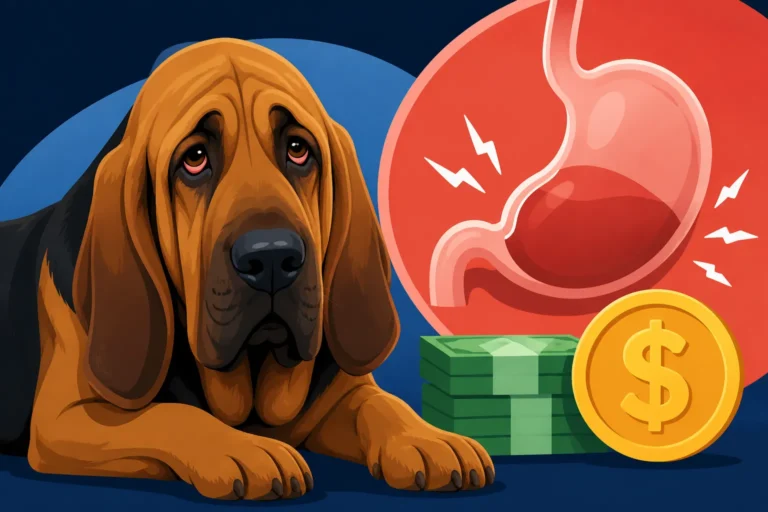
One of the most terrifying and sudden emergencies Bloodhound owners face is bloat, or Gastric Dilatation-Volvulus (GDV). This condition, where the stomach fills with gas and can twist, is rapidly fatal without immediate veterinary intervention. Bloat Is What Kills Most Bloodhounds, and the emergency surgery required is not only complex but also incredibly costly, often running into thousands of dollars, especially if it happens in the middle of the night at an emergency clinic. The sheer size of a Bloodhound means higher doses of anesthesia and more surgical supplies, contributing to the higher price tag for this critical procedure.
Beyond bloat, Bloodhounds are prone to a host of orthopedic issues. Conditions like Hip and Elbow Dysplasia in the Bloodhound are sadly common in large breeds, and while careful breeding aims to reduce their incidence, they can still occur. Diagnosing these conditions often involves X-rays and specialized consultations, and treatment can range from long-term pain management medications to expensive corrective surgeries, physical therapy, or even total joint replacements as they age. These aren't one-off expenses; they often involve ongoing care and regular veterinary check-ups to manage discomfort and maintain mobility.
Then there are the "signature" Bloodhound features that, while adorable, require meticulous and often costly care. Their long, pendulous ears, for instance, are a magnet for dirt, moisture, and yeast, making A Bloodhound's Ears Are a Standing Infection Risk. Chronic ear infections can become a revolving door of vet visits, cytology tests, prescription ear drops, and sometimes even sedation for thorough cleaning. Similarly, their famously loose facial skin and drooping eyelids, while essential for trapping scent, also make them susceptible to eye issues like ectropion and entropion, which may require corrective Eyelid Surgery Is the Bill Bloodhound Owners Do Not Expect to prevent discomfort and further complications. These aren't just cosmetic procedures; they are vital for your dog's comfort and long-term eye health. It's truly a testament to their dedication that many Bloodhound owners dutifully tackle The Standing Cost of a Bloodhound's Ears and eyes.
What Pet Insurance Actually Covers for Your Scenthound
When you're looking at pet insurance for your Bloodhound, it's important to understand that not all policies are created equal. The goal is to find coverage that genuinely addresses the types of issues your particular breed is prone to, rather than just basic accident coverage. Many pet insurance plans offer different tiers, and what's included in each can vary dramatically, which is why a thorough comparison is so important.
Most comprehensive pet insurance plans are designed to cover accidents and illnesses. This means if your Bloodhound suddenly experiences a catastrophic event like bloat, the plan would kick in to help with the costs of emergency surgery, hospitalization, and post-operative care. Similarly, if they develop a serious illness such as cancer or heart disease, these plans would typically cover diagnostics, treatments, medications, and specialist visits. This can be a huge relief for expensive and unexpected events like What Emergency Bloat Surgery Costs on a Bloodhound, which can easily deplete a savings account in a single night.
However, where policies diverge is often around what they classify as "pre-existing conditions" and what they cover for chronic or hereditary issues. For a breed like the Bloodhound, hereditary conditions such as hip and elbow dysplasia are a significant concern. Some policies might exclude these entirely if symptoms appear before coverage begins, while others may offer limited coverage after a waiting period, or if the condition wasn't diagnosed before enrollment. It's crucial to read the fine print regarding genetic and congenital conditions. Many companies, like Healthy Paws, are quite transparent about their coverage, but you still need to understand your specific policy.
Preventive or wellness care is another area where policies differ. Some pet insurance providers offer separate wellness plans or riders that can be added to a comprehensive policy. These plans typically cover routine expenses like annual exams, vaccinations, heartworm medication, and sometimes even dental cleanings. While these aren't usually where the huge unexpected bills come from, they are certainly a regular part of Whether a Bloodhound's Costs Arrive on a Schedule and can add up over time. Companies like Chewy often have resources explaining what their partners' plans cover for these routine costs, helping you budget for the day-to-day care alongside potential emergencies.
Weighing Your Options: Is Pet Insurance the Right Fit for Your Bloodhound?
Deciding whether pet insurance is "worth it" for your Bloodhound really boils down to your personal financial situation, your risk tolerance, and your peace of mind. There's no single right answer, as every owner's circumstances are different. However, by looking at the pros and cons, you can make an informed decision that feels right for you and your beloved scent hound.
For many Bloodhound owners, the biggest "pro" of pet insurance is the financial safety net it provides. Knowing that a significant portion of a large, unexpected vet bill—like for an emergency bloat surgery or a complex orthopedic procedure—will be reimbursed can be an enormous relief. Instead of making life-or-death decisions based on the cost, you can focus purely on providing the best possible care for your dog. This can be particularly reassuring for expensive conditions like The Four Eye Problems a Bloodhound Is Born Toward that may require multiple specialist visits or surgeries.
On the flip side, pet insurance involves ongoing monthly premiums, which, for a large breed like a Bloodhound, can be quite substantial. You might pay into a policy for years without ever making a major claim, leading some owners to feel they've "wasted" money. Additionally, most policies come with deductibles (an amount you pay out-of-pocket before reimbursement kicks in) and reimbursement percentages (e.g., they pay 70-90% of the bill, and you cover the rest). This means you'll still have some upfront costs to manage, even with insurance. Understanding these financial mechanics is key to assessing the true value of a policy.
Here's a quick comparison of the financial approaches:
| Factor | Pet Insurance | Self-Insuring (Emergency Fund) |
|---|---|---|
| Monthly Cost | Regular premium payments | Regular deposits into savings |
| Major Event | Deductible + Co-pay; large portion reimbursed | Full bill paid from savings |
| Peace of Mind | High, especially for catastrophic events | Depends on fund size; less if fund is low |
| Accessibility | Quick access to funds (after deductible/reimbursement) | Funds immediately available (if saved) |
| Pre-existing | Often excluded or limited | No exclusions, funds are yours |
| Max Coverage | Annual or lifetime limits typically apply | Limited only by amount saved |
| Return on "Investment" | Only if significant claims made | Savings remain yours, accrue interest |
Consider your personal comfort level with risk. If the thought of a multi-thousand-dollar vet bill keeps you up at night, then pet insurance might be a sound investment for your mental well-being, even if you don't "break even" on it in the long run. If you're disciplined with saving and prefer to keep your money liquid, then building a robust emergency fund might be more appealing.
Building Your Own Safety Net: Alternatives to Traditional Pet Insurance
For various reasons, pet insurance isn't for everyone. Maybe the premiums feel too high, you have concerns about pre-existing conditions, or you simply prefer to manage your own finances. The good news is that there are viable alternatives to ensure your Bloodhound still receives the best possible care, even in the face of unexpected health challenges. The key here is proactive planning and financial discipline. Whether a Bloodhound Owner Needs an Emergency Fund is not a question of if, but how much.
The most common alternative is establishing a dedicated emergency fund specifically for your Bloodhound's veterinary needs. This involves regularly setting aside money into a separate savings account that is only for your dog. Think of it like self-insuring. If you aim to save an amount equivalent to what a major emergency surgery (like for bloat) would cost, plus a cushion for follow-up care or other unexpected illnesses, you'll be well-prepared. Many Bloodhound owners target at least $5,000 to $10,000 for this fund, given the potential severity and cost of common breed ailments.
Another strategy is to combine a smaller emergency fund with careful budgeting for routine and preventive care. For instance, you could use services like Ollie for your Bloodhound's high-quality diet, knowing that good nutrition is a foundation for health. Simultaneously, you’d budget separately for annual vet check-ups, vaccinations, and parasite prevention, treating these as regular household expenses rather than emergencies. For potential minor issues like routine ear cleanings or skin fold wiping, having good quality supplies on hand from places like Chewy can save you a trip to the vet, but always consult your vet if you suspect an infection.
For owners with limited funds upfront, discussing payment plans directly with your veterinary clinic or considering veterinary credit cards can be options in an emergency. Many clinics are understanding and willing to work with clients facing large, unexpected bills, especially if you have a good relationship with them. While these are not "alternatives" in the sense of proactive planning, they can be a critical lifeline if your emergency fund isn't quite where it needs to be when disaster strikes. However, relying solely on these in a crisis can add stress and accumulate interest, so they're best seen as a last resort or supplementary measure rather than a primary strategy. For example, if your Bloodhound faces a severe issue like Hip and Elbow Dysplasia in the Bloodhound requiring long-term management, a credit line can help smooth out the cost, but an emergency fund is always preferable.
Disclaimer
This article is for general informational purposes only and does not constitute professional advice. Laws, prices and regulations vary by location and change over time. Consult a qualified professional for guidance on your specific situation.