Whether a Bloodhound Health Guarantee Covers Bloat
It's a common worry for any Bloodhound owner, or anyone considering bringing one of these magnificent scent hounds into their home: the specter of bloat. This sudden, life-threatening condition can strike without warning, turning a healthy dog into a critical emergency in mere hours. Naturally, when investing in a purebred Bloodhound, you look for every assurance, and a health guarantee from a breeder often seems like the ultimate safety net. But does that guarantee truly extend to the terrifying reality of bloat? This guide will dive deep into what health guarantees typically cover, specifically addressing the complexities of bloat, and explore additional layers of protection for your beloved companion.
Understanding the Landscape of Bloodhound Health Guarantees
Bringing home a Bloodhound puppy is a huge commitment, filled with dreams of long walks, endless snuggles, and maybe even some scent work adventures. Part of that commitment often involves purchasing from a responsible breeder who provides a health guarantee. But what exactly does that piece of paper promise?
What a Breeder's Health Guarantee Typically Entails
At its heart, a health guarantee is a breeder's promise regarding the initial health and genetic integrity of the puppy they sell. These guarantees usually cover specific genetic or congenital health defects – meaning conditions that are either inherited directly from the parents' genes or that the puppy was born with, even if not immediately apparent. For instance, common issues like severe hip or elbow dysplasia, certain heart conditions, or specific eye diseases that are known to be hereditary in the breed might be explicitly listed. The breeder is, in essence, vouching for their breeding practices and the health of their lines. They are trying to provide you with a healthy foundation for your future family member, acknowledging that certain serious health problems can arise despite their best efforts in screening their breeding stock. The intent is to offer some peace of mind that you’re not starting with a puppy predisposed to crippling, early-onset genetic issues.
The Nuance Between Guarantees and Pet Insurance
It's crucial to understand that a breeder's health guarantee is fundamentally different from pet insurance. Think of a health guarantee as a limited warranty from the manufacturer (the breeder) for specific, usually serious, genetic or congenital defects, often with a set timeframe (e.g., one or two years). The remedies offered are typically also limited – a refund of the purchase price, a replacement puppy (often requiring you to return the original dog), or sometimes a partial contribution towards vet bills, but almost always with a cap on the amount.
Pet insurance, on the other hand, is a financial product from an insurance company designed to help cover a much broader range of veterinary costs, including accidents, illnesses, and sometimes even wellness care, depending on the plan. You pay a monthly premium, and the insurance company reimburses you for a percentage of eligible vet bills after you've met your deductible. Companies like Healthy Paws offer various plans that can cover everything from routine check-ups to emergency surgeries. Unlike a breeder's guarantee, pet insurance policies are generally much more comprehensive in scope and are designed to cover unforeseen medical expenses that can crop up at any point in your dog's life, not just those tied to initial genetic predispositions. This distinction becomes incredibly important when we talk about a condition like bloat.
The Specifics: Does Bloat Fall Under a Guarantee?
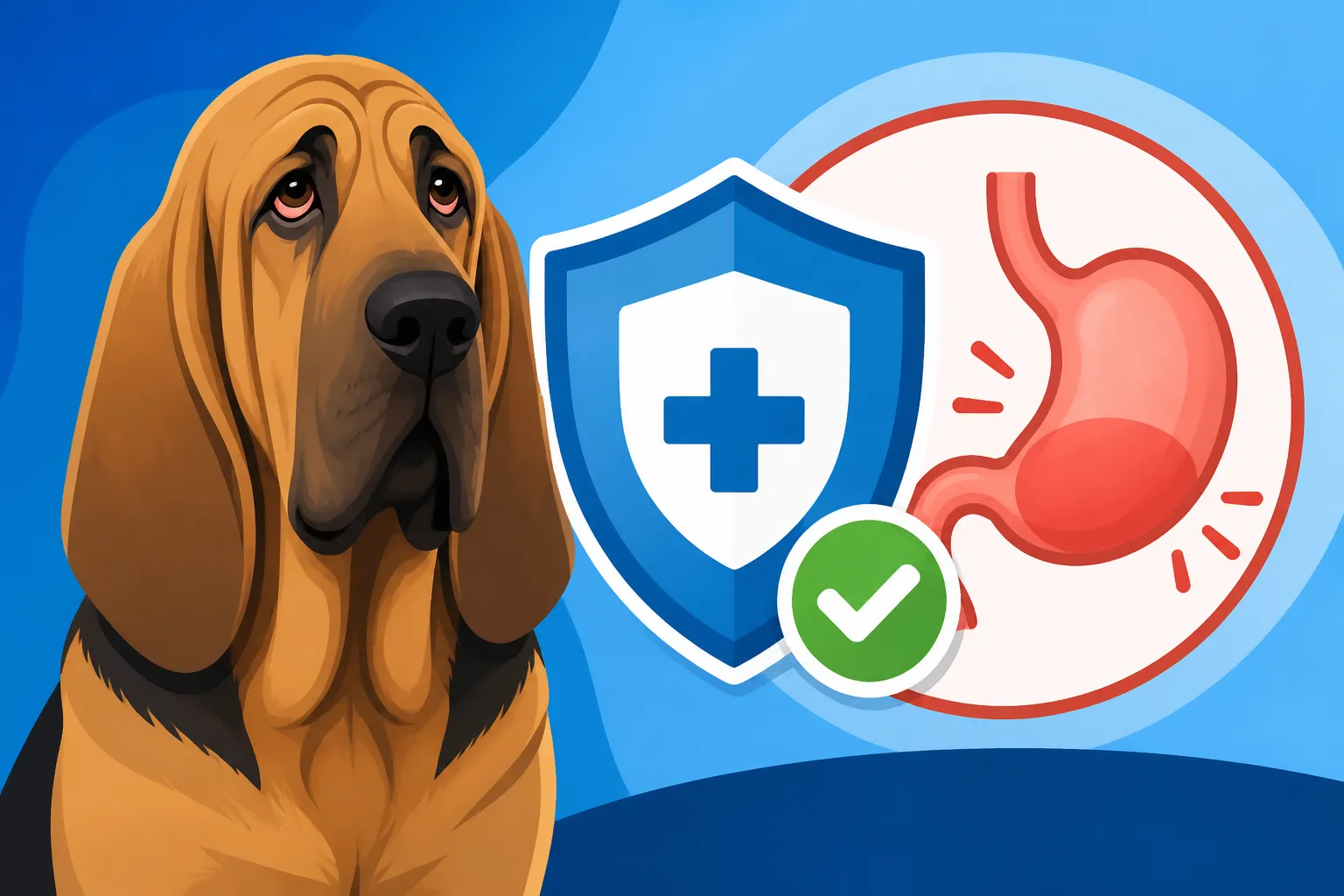
Now, let's get to the heart of the matter for Bloodhound owners: the terrifying reality of bloat. This condition, medically known as Gastric Dilatation-Volvulus (GDV), is a sudden and severe ailment where the stomach fills with gas and often twists, cutting off blood supply and quickly becoming fatal if not treated. Bloat Is What Kills Most Bloodhounds is a stark reminder of its severity.
Why Bloat is a Tricky Subject for Guarantees
Bloat is particularly complex when it comes to health guarantees because it's not simply a genetic or congenital defect in the same way hip dysplasia might be. While Bloodhounds are inherently predisposed due to their deep, narrow chest conformation, bloat is generally considered a multifactorial condition. This means it arises from a combination of genetic predisposition (the breed's body shape), environmental factors (like rapid eating, large meals, stress, certain types of food), and individual physiology. It's not a condition a puppy is "born with" in the same way an extra toe might be, nor is it a simple dominant/recessive gene issue that breeders can easily screen for and eliminate.
Because bloat is so multifactorial, most standard health guarantees from breeders do not explicitly cover it. Breeders might argue that while the predisposition is genetic, the actual event of bloat is often triggered or exacerbated by external factors, which are beyond their control once the puppy leaves their care. This can be incredibly frustrating for an owner facing a massive emergency vet bill for a condition so prevalent in the breed.
Common Exclusions and Limited Timeframes
Most health guarantees come with specific exclusions. These often include:
- Acquired conditions: Illnesses or injuries that develop after the puppy goes home and are not directly linked to a genetic defect. Bloat often falls into this category for the reasons mentioned above.
- Environmental factors: Issues arising from diet, exercise, stress, or accidents.
- Conditions diagnosed outside the guarantee period: Many guarantees only last for a year or two. Bloat can happen at any age, including after these initial periods.
Consider a scenario: you get your Bloodhound puppy, and the guarantee is for two years for genetic defects. At three years old, your beloved hound suddenly bloats. While the breed's conformation contributed to the risk, the guarantee likely won't cover the emergency surgery costs because it's past the timeframe and often considered an acquired, multifactorial condition rather than a simple genetic defect. This highlights the limitations of relying solely on a breeder's guarantee for this specific concern.
Navigating the Fine Print: What to Look For (and Ask For) in a Guarantee
Understanding that bloat is generally not a straightforward inclusion in health guarantees doesn't mean you shouldn't be thorough when reviewing your contract or discussing it with a breeder. In fact, it makes it even more critical to be informed.
Reading the Contract Thoroughly
When you receive a health guarantee from a Bloodhound breeder, resist the urge to skim. Read every single clause, especially the sections on covered conditions, exclusions, and the timeframe of the guarantee. Look for language that is specific about digestive issues, stomach problems, or any breed-specific conditions. Some exceptionally proactive and responsible breeders might have clauses related to certain predispositions, but it's rare to find explicit bloat coverage. Pay close attention to:
- Specific diseases listed: Are any listed that relate to gastrointestinal health or structural predispositions?
- Timeframe: How long is the guarantee valid? A guarantee that only covers the first 6 months is far less protective than one covering the first 2 years, especially for conditions that might manifest later.
- Remedies: What does the breeder offer if a covered condition arises? A replacement puppy? A partial refund? Often, there's no provision for covering veterinary treatment costs directly, only for replacing the dog.
- Owner responsibilities: Guarantees often require you to follow specific veterinary care protocols, feed certain diets, or provide proof of diagnosis from a licensed veterinarian. Failing to meet these can void the guarantee.
Asking Direct Questions to the Breeder
Before you even commit to a puppy, have an open and honest conversation with the breeder. Don't be shy about asking direct questions. A good breeder will appreciate your thoroughness and be transparent.
Ask questions like:
- "Given Bloodhounds' predisposition, what is your specific policy on bloat in your health guarantee?"
- "Does your guarantee cover any stomach issues or structural predispositions that might increase bloat risk?"
- "If my Bloodhound developed bloat within the guarantee period, what would be the process and your contribution?"
- "Do you require or recommend a preventive gastropexy? If so, does that impact the guarantee?" (A gastropexy is a surgical procedure that tacks the stomach to the abdominal wall to prevent it from twisting, which is crucial for Bloodhounds. We'll talk more about that.) What the American Bloodhound Club Asks Breeders to Screen usually focuses on hips, elbows, eyes, and thyroid, not bloat coverage in a guarantee, but a good breeder should be open to discussing preventive measures and their stance on bloat risk.
Get these answers in writing if possible, even if it's just an email confirming your conversation. Verbal agreements are notoriously hard to enforce. Understand that breeders are typically selling puppies, not insuring them for life against every possible medical scenario. Their primary role is to ensure responsible breeding, genetic screening, and providing a healthy start.
Remedy Limitations and Requirements
It's rare for a breeder's guarantee to cover the full cost of an emergency like bloat surgery, which can be thousands of dollars. More often, the "remedy" might be a replacement puppy or a partial refund of the purchase price. This means even if bloat were covered (which, again, is uncommon), you'd likely still be on the hook for the massive vet bill while potentially having the option to get a new dog or a portion of your original investment back.
Many guarantees also have strict requirements for the owner, such as:
- Veterinary confirmation: You'll need written documentation from a licensed veterinarian, often including specific tests or necropsy results, to prove the condition.
- Timely notification: There might be a short window in which you must inform the breeder of a diagnosis.
- Return of the dog: Some guarantees require the return of the affected dog for a replacement, which can be emotionally devastating if you've already bonded with your Bloodhound.
It's vital to be aware of these logistical and emotional hurdles before you ever need to use the guarantee.
Beyond the Guarantee: Other Ways to Protect Your Bloodhound
Given that a breeder's health guarantee is unlikely to explicitly cover bloat, it's essential to put other layers of protection in place for your Bloodhound. Proactive steps can make all the difference in prevention, early detection, and financial preparedness.
Preventive Measures: The Gastropexy Decision
For Bloodhound owners, one of the most significant proactive steps you can take against bloat is a preventive gastropexy. This surgical procedure permanently attaches the stomach to the abdominal wall, preventing it from twisting if it dilates. While it doesn't stop the stomach from filling with gas (dilatation), it dramatically reduces the life-threatening risk of torsion (volvulus).
The Gastropexy Decision Every Bloodhound Owner Faces is a serious one, but many Bloodhound owners choose this path for peace of mind. Discussing it with your veterinarian is crucial. Often, it can be performed when your Bloodhound is spayed or neutered, making it a single anesthesia event. What a Preventive Gastropexy Does for a Bloodhound is to convert a sudden death sentence into a less critical, though still serious, medical event. The Age a Bloodhound Should Have a Gastropexy is typically when they are young, often alongside spay/neuter surgery, to get ahead of the risk. Even if your breeder's guarantee doesn't mention bloat, investing in a gastropexy is one of the best ways to protect your hound.
The Lifeline of Pet Insurance
This is where pet insurance truly shines as a critical safety net for Bloodhound owners. Unlike breeder guarantees, comprehensive pet insurance policies typically do cover emergency conditions like bloat, provided it's not a pre-existing condition when you enroll. If your Bloodhound develops bloat after your policy is active and past any waiting periods, the insurance can cover a significant portion of the emergency surgery, hospitalization, and follow-up care.
When choosing a pet insurance provider, look for companies with good reputations for covering breed-specific conditions. Brands like Healthy Paws are often recommended for their comprehensive accident and illness plans. Be sure to read the policy details carefully and ask questions:
- What are the waiting periods for illnesses or accidents?
- What percentage of vet bills do they reimburse?
- What is your annual deductible and maximum payout?
- Are there any exclusions for breed-specific conditions? (Bloat is usually covered as an illness/accident, not a congenital exclusion, but always verify).
Getting your Bloodhound insured as a puppy is often the best strategy, as it ensures that any conditions that develop later (like bloat) won't be deemed "pre-existing." What Insurance Will and Will Not Cover on a Bloodhound is a vital resource for understanding the nuances of pet insurance.
Building an Emergency Fund
Even with a gastropexy and pet insurance, unexpected vet costs can arise. Deductibles and co-pays can still add up. Having a dedicated emergency fund specifically for your Bloodhound is a wise financial strategy. Imagine facing a $5,000 bloat surgery bill; even if insurance covers 80%, you're still responsible for $1,000 plus your deductible. What Emergency Bloat Surgery Costs on a Bloodhound can be astronomical. A liquid fund of a few thousand dollars can provide immense peace of mind.
Responsible Feeding and Care Practices
While not a guarantee against bloat, adopting responsible feeding and care practices can help mitigate risk.
- Multiple, smaller meals: Instead of one or two large meals, feeding your Bloodhound two or three smaller meals throughout the day can reduce the amount of gas and food in the stomach at any one time. Whether Three Meals Lower a Bloodhound's Bloat Risk is a commonly asked question, and for many owners, it's a preventative step they swear by.
- Rest before and after meals: Avoid vigorous exercise or excitement immediately before or after eating. A good rule of thumb is to wait at least an hour before and after meals. How Long After Exercise a Bloodhound Should Eat is often recommended to be a minimum of an hour.
- Slow feeders: If your Bloodhound gulps their food down, a slow feeder bowl can help them eat more slowly, reducing air intake. You can find many options from retailers like Chewy.
- Hydration: Always provide fresh water, but discourage guzzling large amounts immediately after eating.
- Monitor for stress: Some studies suggest that stress can be a contributing factor to bloat. Maintaining a calm and consistent routine can be beneficial.
Consistent Veterinary Care
Regular check-ups with your veterinarian are paramount. Your vet is your best partner in monitoring your Bloodhound's overall health and discussing breed-specific risks. They can help you identify any subtle changes that might indicate a problem and advise on the latest preventive strategies and Whether a Bloodhound Owner Should Screen for Bloat Genetics.
| Feature | Breeder Health Guarantee (Typical) | Pet Insurance (Typical) |
|---|---|---|
| Coverage Scope | Specific genetic/congenital defects, usually listed. | Accidents, illnesses (including bloat), sometimes wellness. |
| Timeframe | Limited (e.g., 1-2 years from purchase). | Ongoing as long as premiums are paid; no fixed end date. |
| Cost | Included in puppy purchase price; remedies often capped. | Monthly/annual premiums, deductibles, co-pays. |
| Claim Process | Direct negotiation with breeder; often requires extensive vet documentation. | Submitting claims to insurance company; direct reimbursement. |
| Pre-existing Conditions | Not applicable, as it's for issues present at birth/inherited. | Generally excluded if diagnosed before policy or during waiting period. |
| Bloat Coverage | Rarely explicit; usually excluded due to multifactorial nature. | Typically covered as an illness/accident if not pre-existing. |
| Remedy Type | Refund, replacement puppy; rarely covers vet bills. | Reimburses a percentage of vet bills after deductible. |
While a breeder's health guarantee offers an initial layer of assurance, especially for overt genetic issues, it's generally not the safety net you need for a condition as complex and urgent as bloat in a Bloodhound. A combination of a preventive gastropexy, comprehensive pet insurance (like those from Healthy Paws), a dedicated emergency fund, and diligent daily care practices will offer the most robust protection for your beloved companion against this terrifying condition. When looking at food options, remember that even high-quality foods like those from Ollie should be introduced slowly and fed in appropriate portions to avoid sudden dietary changes that might trigger digestive upset. The financial and emotional investment in a Bloodhound is considerable, and proactive planning is key to ensuring a long, happy, and healthy life together.
Disclaimer
This article is for general informational purposes only and does not constitute professional advice. Laws, prices and regulations vary by location and change over time. Consult a qualified professional for guidance on your specific situation.