Whether a Bloodhound’s Ear Ablation Is Ever Necessary
It's incredibly disheartening when your beloved Bloodhound suffers from chronic ear infections, a relentless cycle of pain, itching, head shaking, and frequent vet visits that seem to go nowhere. You try every drop, every pill, every special cleaning routine, only to see the redness return, the discharge thicken, and that familiar, sad tilt of their head indicating discomfort. When medical treatments have been exhausted and your hound is still miserable, the question of a total ear canal ablation—a major surgery—inevitably arises. This guide will help you understand if this drastic step is ever truly necessary for your Bloodhound, what it involves, and what life looks like afterward.
The Relentless Cycle of Bloodhound Ear Infections
If you own a Bloodhound, you know that their ears are both magnificent and a constant source of concern. They are a defining characteristic, those long, heavy, velvety folds that sweep the ground, aiding their incredible nose. But those very features, so iconic, also make them incredibly susceptible to persistent ear problems. It's a frustration shared by nearly every Bloodhound owner, and it’s not for lack of trying to keep them healthy.
Why Bloodhounds Are So Prone to Ear Troubles
Let's face it: a Bloodhound's ear anatomy is practically a blueprint for infection. Their long, pendulous ear leathers hang down, effectively sealing off the ear canal from fresh air. This creates a warm, moist, dark environment – precisely what bacteria and yeast thrive in. Beyond that, the ear canal itself is quite deep and often has a somewhat convoluted shape, making it difficult for natural debris and earwax to exit. You might clean and clean, but you're constantly fighting against nature. Plus, these hounds have loose skin, and sometimes folds around the ear opening can further trap moisture and prevent airflow. A Bloodhound's Ears Are a Standing Infection Risk is not an exaggeration; it's a daily reality we manage.
Think about it this way: every time your Bloodhound dips their head to sniff an intriguing scent trail or plunges their face into a water bowl, those ears get wet, or pick up debris. That moisture then gets trapped against the ear canal opening, creating a humid microclimate. This is why you're constantly cleaning, drying, and treating. We also know that some Bloodhounds are more predisposed to yeast infections due to underlying allergies, which can cause increased inflammation and wax production, further exacerbating the issue. It's a perfect storm of genetics and environment that leads to repeated bouts of otitis externa, the medical term for outer ear inflammation.
When Treatments Just Aren't Enough
You've been through the routine countless times: a trip to the vet, where they clean the ear, take a swab for cytology (to see if it's yeast, bacteria, or both), and prescribe a cocktail of medicated ear drops, often containing antifungals, antibiotics, and steroids. Sometimes, oral antibiotics or anti-inflammatories are added to the mix. You religiously follow the instructions, cleaning the ears before applying the medication, sometimes two or three times a day. For a while, things seem to improve. The head shaking lessens, the scratching stops, and the angry redness recedes.
But then, it starts again. A little flick of the head, a tentative scratch, a faint odor that you've come to dread. Back to the vet you go. Each cycle brings more frustration, more expense, and more discomfort for your beloved hound. Over time, these chronic infections lead to significant changes within the ear canal. The lining thickens, scar tissue builds up, and sometimes the cartilage in the ear canal actually hardens, a process called calcification. This narrowing and hardening of the ear canal makes it even harder for medications to penetrate and even harder for air to circulate, creating a vicious cycle that medical management simply cannot break. At this point, the ear canal itself becomes a permanent problem, not just a temporary host for invaders. When your vet tells you that medical management is no longer effective because the ear's structure is permanently damaged, that's often when a more drastic option like a total ear canal ablation comes into the conversation. It's a tough conversation, but one that sometimes needs to happen for the dog's long-term comfort. When a Bloodhound's Ear Infection Becomes Permanent is a harsh reality for many.
Understanding Total Ear Canal Ablation (TECA)
When you've tried everything—from regular cleaning with specific solutions you might find on Chewy, to prescription drops and oral medications, even trying to manage underlying allergies—and your Bloodhound is still suffering, the idea of a major surgery can be daunting. But understanding what a Total Ear Canal Ablation (TECA) actually involves can help you make an informed decision for your hound.
What TECA Surgery Actually Entails
Total Ear Canal Ablation, often referred to as TECA, is a significant, irreversible surgical procedure. In simple terms, the surgeon removes the entire ear canal, from the opening all the way down to the middle ear. What remains is the outer ear flap (the pinna), which still looks like a Bloodhound's ear, but there's no longer a tube leading down inside. The goal is straightforward: to eliminate the diseased, chronically infected ear canal entirely, thereby removing the source of the persistent pain and infection. The middle ear, if also infected, is addressed at the same time in a procedure often combined with a bulla osteotomy.
This is not a quick fix or a minor procedure. It requires a skilled veterinary surgeon, often a specialist, and a significant recovery period. During the surgery, the ear canal and all infected tissue are meticulously removed. The tympanic bulla, a bony cavity in the skull that houses the middle ear, is often opened to clean out any infection that has spread there. This deep cleaning and removal of diseased tissue are critical to preventing future problems. It’s a complex operation that permanently changes the anatomy of the ear, but it aims to provide a permanent solution to a problem that has been causing chronic suffering. What a Total Ear Canal Ablation Means for a Bloodhound is a profound shift in their physical landscape.
The Ideal Candidate for TECA
Not every Bloodhound with an ear infection is a candidate for TECA. This surgery is reserved for very specific, severe cases where all other options have been exhausted. The ideal candidate is typically a dog that has suffered from chronic, severe, and painful ear infections for an extended period—often years—that have proven completely unresponsive to aggressive medical management. This means multiple courses of antibiotics, antifungals, steroids, advanced ear cleansers, and sometimes even dietary changes if allergies are suspected.
Beyond just being medically unresponsive, there are specific physical changes in the ear that make TECA necessary. These include:
- Significant Scarring and Narrowing: The ear canal has become severely thickened and narrowed due to chronic inflammation, making it impossible for air to circulate or for medications to reach the site of infection.
- Calcification: The soft tissues of the ear canal have hardened into bone-like material, rendering them inflexible and completely blocking access.
- Recurrent Ear Hematomas: Sometimes, the constant head shaking and scratching associated with chronic infections can lead to repeated aural hematomas (blood blisters on the ear flap), which, while treated, are a symptom of the underlying, unresolved infection.
- Ruptured Eardrum and Middle Ear Infection: If the eardrum has been repeatedly ruptured and infection has spread into the middle ear (otitis media), medical treatment becomes even more challenging, and TECA may be the only way to resolve it.
The decision for TECA is never taken lightly and always involves thorough diagnostics, including deep ear exams, possibly under sedation, and imaging like CT scans, to assess the extent of the damage.
Life After TECA: Addressing Hearing and Quality of Life
One of the most immediate and significant changes after TECA surgery is the impact on hearing in the affected ear. Since the entire ear canal is removed, the ability to conduct sound to the inner ear is severely compromised, resulting in significant, often complete, hearing loss in that ear. This is a big concern for many owners, but it's important to consider the context. By the time TECA is on the table, the ear canal is usually so scarred and inflamed that hearing is already significantly impaired. Many dogs who undergo TECA have already been living with severely reduced hearing due to the chronic infection. Whether a Bloodhound Loses Hearing After Ear Surgery is almost a certainty for that ear.
The most profound benefit of TECA is the dramatic improvement in the dog's quality of life. Imagine living with constant pain, itching, and pressure in your ear. Dogs undergoing TECA often show a remarkable transformation post-recovery. They are no longer in pain, they stop shaking their heads constantly, the foul odor is gone, and they become more relaxed and engaged. They can often sleep comfortably, play without discomfort, and generally enjoy a much happier existence. While adapting to unilateral (one-sided) or bilateral (both sides) hearing loss might take a little time, dogs are incredibly resilient and adapt quickly, relying more on their other senses, especially their incredible noses. The peace and comfort they gain far outweigh the loss of hearing in an already non-functional ear.
The Hard Decision: Weighing Pros and Cons
Making the decision to pursue a Total Ear Canal Ablation for your Bloodhound is incredibly difficult. It’s a major surgery with significant implications, both for your dog's health and your own peace of mind and wallet. It's crucial to weigh all aspects carefully before proceeding.
The Benefits of an Ablation
For a Bloodhound suffering from chronic, intractable ear infections, the benefits of a successful TECA can be life-changing. First and foremost, the primary benefit is complete and permanent relief from pain and discomfort. Imagine the constant ache, itch, and pressure your dog has been experiencing for months, if not years. TECA removes the source of that agony. This means no more painful head shaking, no more frantic scratching that can lead to raw skin and secondary infections, and no more tenderness when you touch their head.
Secondly, it eliminates the recurrent infections and the associated foul odor and discharge. You know the smell – that sickly sweet, yeasty, or sometimes putrid odor that permeates everything. With the diseased ear canal gone, so too are the conditions that foster these infections. This leads to a cleaner, happier dog and a much more pleasant home environment for everyone.
Finally, TECA brings an end to the endless cycle of veterinary visits, medication costs, and stressful treatments. No more struggling to apply drops to a painful ear, no more sedated ear cleanings, and no more repeated prescriptions. While the upfront cost of surgery is substantial, it often eliminates future expenses that accumulate quickly over time. This offers a significant improvement in the overall quality of life for both the Bloodhound and their dedicated owner.
The Downsides and Risks
Despite the significant benefits, TECA is not without its considerable downsides and risks. It's important to be fully aware of these before making your decision.
- Irreversibility: Once the ear canal is removed, it cannot be put back. This is a permanent change to your dog's anatomy.
- Hearing Loss: As discussed, there will be significant, if not complete, hearing loss in the operated ear. While dogs adapt, it is a sensory loss.
- Surgical Risks: Like any major surgery, TECA carries risks associated with anesthesia (which can be higher for older dogs or those with other health issues) and the procedure itself. Potential complications include:
- Facial Nerve Paralysis: The facial nerve runs very close to the ear canal. While surgeons are incredibly careful, it can be damaged, leading to drooping of the eyelid, lip, and ear on the affected side. This can sometimes be temporary, but it can also be permanent, affecting blinking and potentially leading to dry eye.
- Infection: Even though the goal is to remove infection, post-operative infection is still a risk.
- Hemorrhage: Excessive bleeding during or after surgery is a possibility.
- Seroma formation: A pocket of fluid can accumulate under the skin at the surgical site.
- Vestibular Disease: Damage to the inner ear structures can cause balance problems, head tilt, and nausea, though this is less common with TECA itself, more with middle ear involvement.
- Recovery Time: The recovery period is significant, often involving several weeks of restricted activity, pain management, and careful wound care. Your Bloodhound will need an Elizabethan collar to prevent them from scratching the incision.
- Cost: The financial investment is substantial. What Ear Canal Surgery Costs on a Bloodhound can be a huge hurdle for many families, encompassing surgeon fees, anesthesia, hospital stay, medications, and follow-up care.
Financial and Emotional Considerations
The decision to pursue TECA often comes after months or years of emotional and financial strain. You've likely spent a considerable amount on diagnostics, medications, and numerous vet visits. The cumulative cost of managing chronic ear infections can be staggering. When faced with a TECA recommendation, you're not just looking at the single large bill for surgery; you're also acknowledging the cost of years of previous treatments that ultimately failed.
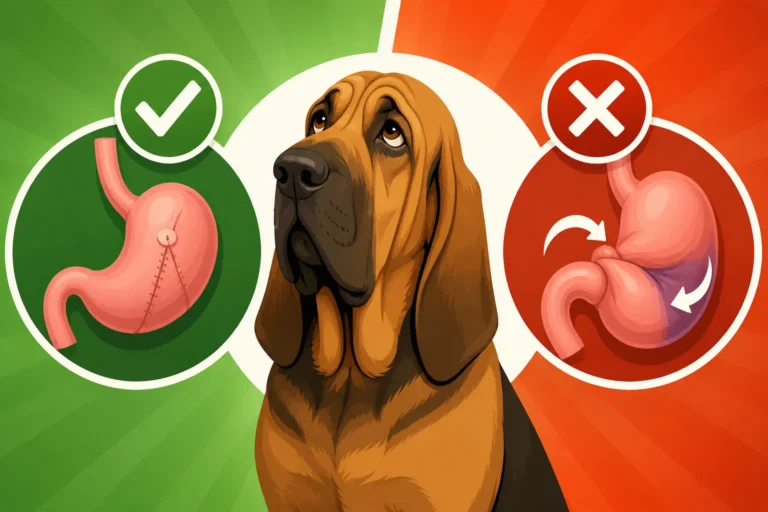
It's wise to consider pet insurance, though for a condition that has been ongoing, it would likely be considered pre-existing and therefore not covered. However, if you are reading this before chronic ear problems have set in, or if you are considering a puppy, a plan from a provider like Healthy Paws could be invaluable for future unforeseen medical needs, including potential ear issues or even unexpected emergencies like Bloat Is What Kills Most Bloodhounds.
Emotionally, it's draining to watch your beloved companion suffer. The thought of permanent hearing loss, coupled with the risks of a major surgery, can cause a lot of anxiety. Many owners feel guilt, wondering if they could have done something differently. Remember, you've done everything you could with medical management. This decision comes from a place of wanting to end your dog's suffering and give them a better quality of life. It’s a loving choice, even if it feels heartbreaking. Consult with your regular veterinarian and potentially a board-certified veterinary surgeon. They can provide realistic expectations, discuss specific risks for your dog, and help you navigate this difficult path.
| Feature | Chronic Medical Management (Long-term) | Total Ear Canal Ablation (TECA) |
|---|---|---|
| Pain Relief | Temporary/Partial, often recurs | Permanent and complete |
| Infection Control | Often temporary, recurs when treatment stops | Permanent elimination of ear canal infection |
| Ear Function | Impaired, often painful, reduced hearing | Complete hearing loss in affected ear |
| Veterinary Visits | Frequent and ongoing | Intensive initially, then routine check-ups |
| Cost | Cumulative, ongoing expense for medications & visits | High upfront surgical cost, minimal ongoing ear costs |
| Recovery | Immediate, but issues return | Significant surgical recovery period (weeks) |
| Risks | Medication side effects, discomfort, chronic pain | Anesthesia risks, nerve damage, surgical complications |
| Reversibility | Yes, can stop/change treatments | No, irreversible |
| Quality of Life | Often compromised by chronic discomfort | Dramatically improved post-recovery due to pain relief |
When Alternatives Have Been Exhausted
It bears repeating: Total Ear Canal Ablation is not a first resort. It's a measure considered when all other, less invasive, and less permanent solutions have failed. Before you reach this point, it’s likely you've tried a wide array of strategies.
The Role of a Veterinary Dermatologist or Surgeon
When you're facing chronic ear infections that just won't clear up, consulting with a specialist is paramount. A board-certified veterinary dermatologist brings an incredible depth of knowledge regarding skin and ear conditions, including allergies that often underlie persistent ear problems. They might suggest more advanced diagnostics, such as allergy testing (environmental or food), or specialized imaging like a CT scan of the ear to get a detailed view of the extent of internal damage. They might also have access to novel treatments or specialized medications that your general practice vet might not typically use. Sometimes, simply getting a fresh pair of expert eyes on the problem can uncover an overlooked piece of the puzzle.
If, after consulting with a dermatologist, medical management still proves ineffective, then a board-certified veterinary surgeon will be the next specialist to see. They are the experts in procedures like TECA and can give you a clear understanding of the surgical process, potential risks, and expected outcomes specific to your Bloodhound. They can assess if the damage to the ear canal is indeed irreversible and if your dog is a good candidate for the surgery. Their expertise is crucial for such a complex and life-altering procedure. Don't hesitate to seek these specialized opinions; they are a vital step in ensuring you've explored every possible avenue.
Preventative Measures and Long-Term Care (Even After TECA)
Even if your Bloodhound undergoes a TECA on one ear, the principles of good ear care remain vital for the other ear, or for managing overall health. If allergies were a contributing factor, these still need to be managed. This might involve special diets – perhaps considering options like those offered by Ollie, which focus on fresh, high-quality ingredients, or prescription diets obtained through your vet. Regular cleaning with appropriate ear cleansers (many of which are available through retailers like Chewy) will continue to be important for the remaining ear, along with ensuring good airflow and dryness.
Post-surgery, rigorous follow-up care is crucial. This includes diligent wound care, administering all prescribed pain medications and antibiotics, and preventing your Bloodhound from disturbing the surgical site. Your vet will provide detailed instructions for managing their recovery, which will include monitoring the incision for signs of infection and limiting strenuous activity. Patience during this time is essential, as full healing takes weeks.
Living with a Recovered Bloodhound
After a successful TECA and recovery, you'll likely notice a remarkable transformation in your Bloodhound. The most striking change will be the absence of pain and constant irritation. They will no longer shake their head in agony or rub their ears incessantly. This relief often translates into a happier, more comfortable, and more engaged dog. They might play more, seek affection, and generally seem to enjoy life more fully.
Adapting to hearing loss, especially if it's bilateral, will require some adjustments from you. You might need to rely more on visual cues and hand signals. Remember, by the time TECA is needed, their hearing was likely already severely compromised, so the change might not be as dramatic as you fear. Many owners find that their Bloodhound adapts quickly, compensating with their other powerful senses, especially their unparalleled nose. Your bond with your Bloodhound will deepen as you celebrate their newfound freedom from chronic suffering. This surgery, while significant, offers a chance for a genuinely improved quality of life, allowing your Bloodhound to simply be a dog again, free from the constant burden of ear pain.
Disclaimer
This article is for general informational purposes only and does not constitute professional advice. Laws, prices and regulations vary by location and change over time. Consult a qualified professional for guidance on your specific situation.