Whether a Bloodhound Needs Extra Anesthesia Monitoring
The thought of your beloved Bloodhound undergoing anesthesia for any procedure can be incredibly nerve-wracking. These big, gentle giants are wonderful companions, but their unique physiology means that what might be a routine procedure for a smaller dog can carry specific considerations for them. When your vet mentions surgery, a common question that pops into an owner's head is, "Does my Bloodhound really need extra anesthesia monitoring?" It's a valid concern, and one we're going to dive deep into. This guide will walk you through why Bloodhounds have particular anesthesia considerations, what enhanced monitoring actually involves, and how you can work with your veterinary team to ensure the safest possible experience for your floppy-eared friend.
The Unique Anesthesia Risks for Bloodhounds
It’s natural to feel a knot in your stomach when your large dog needs surgery. For Bloodhounds, the anxiety can be even higher because they truly are a breed apart, and their distinct physical characteristics come with a specific set of challenges when it comes to anesthesia. Understanding these nuances is the first step in advocating for the best care for your dog.
Why Bloodhounds Are Different
Bloodhounds are magnificent dogs, known for their powerful build, deep chests, and wonderfully loose skin, which aids them in their unparalleled scent work. However, these very traits that make them so special can also introduce complications under anesthesia. Their sheer size means that drug dosages need to be calculated meticulously, and their metabolism of these drugs can sometimes differ from smaller breeds. It's not just about giving a bigger dose; it's about the entire physiological response.
Perhaps one of the most significant concerns for Bloodhound owners is their breed's predisposition to bloat, or Gastric Dilatation-Volvulus (GDV). While anesthesia doesn't cause bloat, the stress of surgery, changes in blood pressure, and even the positioning during the procedure can be contributing factors. Their deep chests, a hallmark of the breed, are directly implicated in increasing the risk of this life-threatening condition. Knowing Why a Bloodhound's Chest Shape Causes Bloat can help you appreciate why any procedure involving abdominal manipulation or prolonged recumbency might heighten your concern. Furthermore, their pendulous jowls and loose skin around the throat can sometimes make airway management slightly more challenging during intubation and recovery, requiring extra vigilance from the veterinary team.
Common Anesthesia Complications in Large Breeds
Beyond the general risks associated with anesthesia for any dog, large breeds like Bloodhounds face several specific complications that warrant enhanced monitoring. These aren't meant to scare you, but rather to inform you so you can have a productive conversation with your vet.
One prevalent issue is hypothermia. Large dogs have a greater surface area, and prolonged exposure to cool operating rooms, coupled with the sedative effects of anesthesia which lower metabolic rate, can lead to a significant drop in body temperature. Hypothermia isn't just about feeling cold; it can slow down drug metabolism, prolong recovery times, impair blood clotting, and even increase the risk of heart rhythm disturbances.
Delayed recovery is another common concern. Due to their size and sometimes slower drug metabolism, Bloodhounds can take longer to wake up fully after anesthesia. This extended grogginess increases the risk of aspiration (inhaling vomit) if they're not closely supervised as they regain consciousness and their swallow reflex. This period also presents a risk of self-injury as they might try to stand before they're fully steady.
Lastly, while not strictly a brachycephalic breed (like Pugs or Bulldogs), Bloodhounds can still experience respiratory challenges. Their extensive jowls and heavy soft tissue can contribute to airway obstruction, especially during recovery when their muscle tone is diminished. Any pre-existing respiratory issues or even just the positioning during surgery can exacerbate these problems, making close monitoring of their breathing vital.
Pre-Anesthetic Workup: More Than Just a Courtesy
A thorough pre-anesthetic workup is absolutely paramount for Bloodhounds. This isn't just a standard checkbox item; it's a critical diagnostic step that can uncover hidden issues which might increase anesthesia risk. Because Bloodhounds are often stoic, they can mask pain or illness until a condition is quite advanced, making these tests even more important.
Typically, a comprehensive pre-anesthetic workup includes blood tests like a Complete Blood Count (CBC) and a chemistry panel. The CBC gives your vet insight into red and white blood cell counts, which can indicate anemia, infection, or other systemic issues. The chemistry panel provides information about organ function, particularly the liver and kidneys, which are crucial for metabolizing and excreting anesthetic drugs. Abnormalities here can prompt your vet to adjust the anesthetic protocol or even postpone surgery until the underlying issue is addressed.
Depending on your Bloodhound's age and medical history, your vet might recommend additional diagnostics. For instance, an electrocardiogram (ECG) to assess heart rhythm and electrical activity, or chest X-rays to evaluate lung and heart health, can be invaluable. Considering that Bloodhounds, like many large breeds, can be prone to certain cardiac conditions, knowing Whether a Bloodhound Needs a Cardiac Exam Before Breeding highlights the importance of checking their heart health throughout their lives, especially before anesthesia. This thorough investigation helps your veterinary team tailor the safest possible anesthetic plan specifically for your dog, catching potential problems before they become emergencies. While there's a cost associated with these tests, knowing What a Bloodhound's Pre Anesthetic Bloodwork Costs is a small price to pay for your dog's safety and your peace of mind.
What "Extra" Anesthesia Monitoring Actually Means
When we talk about "extra" anesthesia monitoring for a Bloodhound, we're really discussing a level of vigilance and technical support that goes beyond the bare minimum. It's about providing the most comprehensive safety net possible, tailored to the unique needs of these magnificent dogs.
Beyond the Basics: A Deeper Dive into Vital Signs
All animals undergoing anesthesia receive some form of monitoring, but the depth and detail of that monitoring can vary significantly. Basic monitoring usually involves a human observer checking vital signs like heart rate and respiratory rate through observation and palpation, often with the aid of a pulse oximeter that gives a general idea of oxygen saturation. For a Bloodhound, we ideally want to go much further than this.
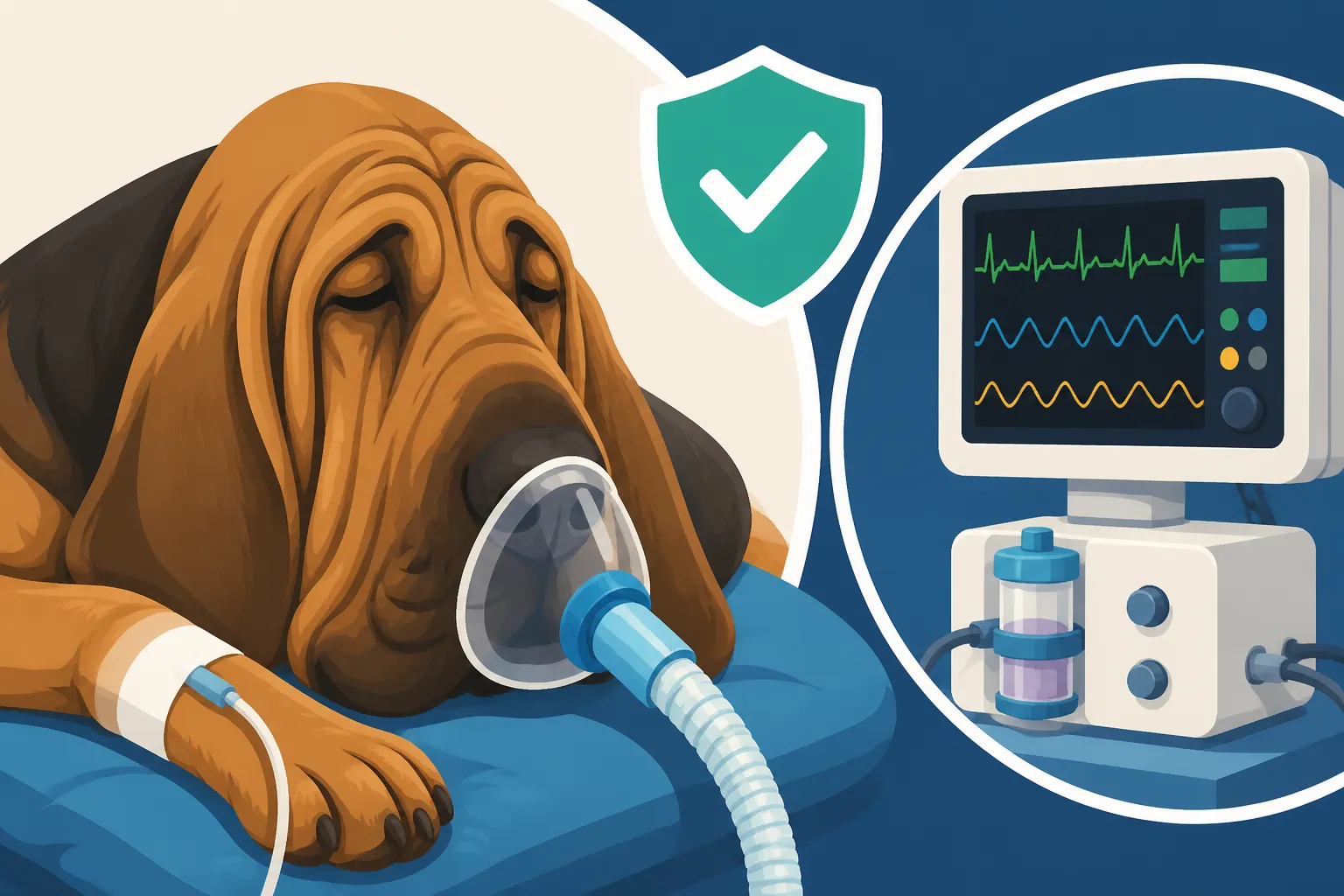
Advanced monitoring equipment provides a continuous, real-time snapshot of your dog's physiological status, allowing for immediate adjustments to anesthesia and supportive care. Here's what that typically includes:
- Electrocardiogram (ECG): This sophisticated device continuously tracks the electrical activity of the heart. It doesn't just tell you the heart rate; it reveals the rhythm, allowing the veterinary team to detect any irregular beats (arrhythmias) or other cardiac abnormalities as they happen. Given their size, Bloodhounds can be prone to certain heart conditions, making an ECG particularly valuable.
- Blood Pressure (BP): Monitoring blood pressure is critical because anesthesia can significantly lower it. Sustained low blood pressure (hypotension) can reduce blood flow to vital organs like the kidneys, brain, and liver, potentially leading to serious complications. Blood pressure monitors, often using a Doppler or oscillometric cuff, provide continuous readings to ensure healthy organ perfusion.
- Capnography: This is a fantastic piece of equipment that measures the amount of carbon dioxide in your dog's exhaled breath. It provides a real-time assessment of how well your Bloodhound is ventilating (breathing effectively) and offers insights into metabolic status and circulation. If your dog isn't breathing deeply enough or their CO2 levels are off, the capnograph will immediately alert the team.
- Pulse Oximetry (SpO2): While basic monitoring might include this, advanced monitoring ensures it's consistently accurate. A pulse oximeter measures the oxygen saturation in your Bloodhound's blood. Low oxygen levels (hypoxemia) are a serious concern during anesthesia and require immediate intervention to prevent organ damage.
- Temperature Monitoring: Hypothermia is a major risk for large breeds. Continuous temperature monitoring, typically via an esophageal or rectal probe, allows the team to actively manage your Bloodhound's body temperature. This means using forced-air warmers, circulating warm water blankets, and warming IV fluids to prevent dangerous drops.
These advanced parameters offer a comprehensive view, allowing the veterinary team to make precise, informed decisions throughout the procedure.
The Human Element: A Dedicated Anesthetist's Impact
Having all the fancy equipment in the world is fantastic, but it's only as good as the person operating it and interpreting the data. This is where the "extra" human monitoring truly shines for a Bloodhound. Instead of one veterinary technician juggling monitoring duties, assisting the surgeon, and preparing instruments, a dedicated anesthetist or highly trained veterinary assistant focuses solely on your Bloodhound's vital signs and anesthetic depth from the moment sedation begins until they are safely in recovery.
This continuous vigilance means that any subtle change in your Bloodhound's ECG, blood pressure, or capnography reading is noticed and addressed immediately. They are constantly adjusting anesthetic drug levels, fluid rates, and warming measures based on these real-time observations. Their sole focus is your dog's stability and safety. This dedicated attention is particularly invaluable for large breeds like Bloodhounds, who often have complex physiological responses to anesthesia. An experienced anesthetist will understand the nuances of a Bloodhound's slower metabolism or propensity for hypothermia and anticipate potential issues before they become critical. This level of personalized care significantly elevates the safety profile of any procedure.
Supporting Systems: Fluid Management and Pain Control
Beyond the direct monitoring of vital signs, robust supporting systems like meticulous fluid management and comprehensive pain control are integral to successful and safe anesthesia for Bloodhounds. These aspects are often part of enhanced monitoring protocols and contribute significantly to both intra-operative stability and post-operative recovery.
Intravenous (IV) Fluid Therapy: During any anesthetic procedure, IV fluids are crucial. For a Bloodhound, they serve multiple vital functions. They help maintain stable blood pressure, counteract the vasodilating (blood vessel widening) effects of some anesthetics, ensure proper organ perfusion, and help prevent dehydration. The fluids also act as a vehicle for administering emergency medications if needed. Precise fluid rates, adjusted based on your Bloodhound's size, condition, and the length of the procedure, are monitored and managed throughout. This is especially important during longer surgeries or in cases of significant blood loss.
Multi-Modal Pain Management: Effective pain control begins before surgery (pre-emptive analgesia), continues during the procedure (intra-operative analgesia), and extends well into the recovery period (post-operative analgesia). For a large dog like a Bloodhound, a multi-modal approach—using a combination of different pain medications that work in various ways—is often employed. This might include opioids, non-steroidal anti-inflammatory drugs (NSAIDs), and local anesthetic blocks at the surgical site. Good pain management not only makes your Bloodhound more comfortable but also facilitates a smoother and faster recovery. Dogs in less pain are often more willing to eat, drink, and move, which helps prevent complications. The recovery period after surgery, like a bloat procedure, is critically important, and knowing How Long a Bloodhound Stays In After Bloat Surgery gives you an idea of the extended care often required.
Temperature Management: As mentioned, hypothermia is a significant concern. Beyond continuous monitoring, active warming measures are standard in enhanced protocols. This includes the use of forced-air warming blankets (like Bair Huggers), circulating warm water pads, and administering warmed IV fluids. Maintaining a stable core body temperature ensures that your Bloodhound's metabolism functions optimally, speeding up recovery and reducing the risk of complications.
These comprehensive supporting systems, combined with advanced vital sign monitoring and dedicated personnel, form the cornerstone of safe anesthesia for your Bloodhound, ensuring their comfort and well-being every step of the way.
Discussing Anesthesia Protocols with Your Veterinarian
Facing any surgical procedure for your beloved Bloodhound brings a host of questions, and a candid discussion with your veterinary team about anesthesia protocols is essential. This isn't about second-guessing their expertise, but rather empowering yourself with information and ensuring you're comfortable with the plan for your unique dog.
Key Questions to Ask Your Veterinary Team
Don't be shy about asking questions! A good veterinary team welcomes an informed owner. Prepare a list of questions before your appointment so you don't forget anything important. Here are some key inquiries to make regarding your Bloodhound's anesthesia:
- "Who will be monitoring my Bloodhound during anesthesia?"
- Clarify if a dedicated veterinary technician or assistant will be solely focused on monitoring your dog, or if their duties will be split. Ideally, for a Bloodhound, you want someone with undivided attention on your dog's vitals.
- "What specific monitoring equipment will be used?"
- Ask about ECG, blood pressure, capnography, and continuous temperature monitoring. Understanding the technology available reassures you about the depth of observation.
- "What pre-anesthetic testing do you recommend, and why?"
- Ensure a thorough blood panel, and discuss if an ECG or chest X-rays are advisable, especially if your Bloodhound is older or has any known health concerns. An older Bloodhound, typically starting to show Aging in a Bloodhound Starts at Six, might have more underlying issues to consider.
- "What anesthetic drugs will be used, and what are their potential side effects in a Bloodhound?"
- Vets often have a range of drugs they can use. Understanding their choice and how it might impact a large, deep-chested breed is helpful.
- "What measures will be taken to keep my Bloodhound warm during and after surgery?"
- Confirm the use of active warming devices, as hypothermia is a significant risk.
- "What is your plan for pain management before, during, and after the procedure?"
- Inquire about a multi-modal pain protocol to ensure your Bloodhound's comfort.
- "What is your emergency protocol if complications arise?"
- Knowing that the clinic is prepared for the unexpected, including having emergency drugs and procedures ready, can provide significant comfort.
- "How will my Bloodhound be monitored during recovery, and for how long?"
- The recovery period is critical. Ask about post-anesthesia monitoring and if overnight care is available, particularly for longer or more complex surgeries. This leads into the cost of post-surgery rechecks, as discussed in What a Bloodhound's Post Surgery Rechecks Cost.
These questions ensure you have a clear picture of the plan and that all necessary precautions are being considered for your Bloodhound.
Understanding Your Vet's Approach: When to Consider a Specialist or Referral Center
It's important to recognize that not all veterinary clinics are equipped with the same level of technology or staffing for anesthesia monitoring. Many general practice vets are excellent and manage routine procedures safely every day. However, for a Bloodhound, especially one with pre-existing conditions or undergoing a high-risk surgery, a more specialized approach might be warranted.
For instance, if your Bloodhound is scheduled for a major orthopedic surgery, such as for Hip and Elbow Dysplasia in the Bloodhound, or a complex internal procedure, or if they have known heart or kidney issues, your primary veterinarian might suggest consulting with a board-certified veterinary anesthesiologist. These specialists have advanced training and expertise in managing anesthesia for the most challenging cases, often working in large veterinary hospitals or university referral centers. These centers typically boast the most cutting-edge monitoring equipment and have teams of dedicated specialists.
Don't hesitate to ask your primary vet if they feel a referral for anesthesia consultation or surgery at a specialist center would be beneficial for your Bloodhound. This is particularly relevant for procedures like a preventive gastropexy, where the decision to move forward can be influenced by cost and available facilities; knowing The Gastropexy Decision Every Bloodhound Owner Faces is a big factor here. It's about finding the best fit for your dog's specific needs and ensuring you're comfortable with the level of care. Sometimes, driving a bit further to a facility with overnight monitoring capabilities, as explored in Whether a Bloodhound Owner Should Choose a Vet With Overnight Surgery, can make all the difference for a large breed with specific recovery needs. Ultimately, your vet wants the best for your Bloodhound, and a conversation about options is always a healthy one.
Balancing Safety, Practicality, and Cost
The conversation about anesthesia for your Bloodhound inevitably comes back to a blend of safety, practicality, and, let's be honest, cost. It’s a delicate balance, and as a responsible pet owner, you want to make the best possible decisions for your companion without breaking the bank.
The Cost of Vigilance: Understanding the Investment
It's no secret that "extra" monitoring and specialized care come with an additional price tag. When you see line items for "anesthesia monitoring" or "dedicated technician," it's not a luxury upsell; it's a reflection of the enhanced safety measures being put into place for your Bloodhound. These costs cover several key areas:
- Specialized Equipment: The advanced monitoring devices we discussed – ECG, capnography, blood pressure cuffs, continuous temperature probes – represent a significant investment for veterinary clinics. The cost of using and maintaining these sophisticated machines is factored into the fee.
- Dedicated Staff Time: Having a veterinary technician whose sole focus is your Bloodhound's anesthesia monitoring, from induction to recovery, means their time is fully dedicated to your dog. This expertise and undivided attention are invaluable, and understandably, it's reflected in the cost.
- Medications and Supplies: The specific anesthetic agents, pain medications, and IV fluids used in an enhanced protocol can also contribute to the overall expense. Warmed IV fluids, specific reversal agents, and a multi-modal pain cocktail are often part of a premium anesthesia plan.
It's helpful to remember that these costs are an investment in your Bloodhound's safety and well-being. Preventing a complication is always less expensive, both financially and emotionally, than treating one. For instance, the bill for emergency bloat surgery, detailed in What a Bloodhound's Bloat Surgery Bill Comes To, can be staggering, and avoiding such a crisis through careful preventative measures and robust surgical protocols is always the goal. When planning for elective procedures, such as a gastropexy, understanding The Age a Gastropexy Is Cheapest on a Bloodhound can also help you budget. Always ask your veterinary clinic for a detailed estimate outlining all anticipated costs, so there are no surprises.
Pet Insurance and Financial Planning
The reality of veterinary costs, especially for large breeds prone to certain health issues, makes financial planning a crucial part of Bloodhound ownership. Pet insurance can be a literal lifesaver when unexpected surgeries or emergencies arise. Many pet insurance providers, such as Healthy Paws, offer plans that cover accidents and illnesses, including the costs associated with anesthesia monitoring, surgery, and post-operative care. It's always a good idea to research different policies and understand what they cover, including deductibles and reimbursement percentages. While a preventative gastropexy might not always be covered if considered elective, some plans might cover complications or subsequent issues. Knowing Whether a Gastropexy Is Covered by Insurance is a good question to ask any potential provider.
Beyond insurance, having an emergency fund specifically for your Bloodhound's care is highly recommended. For routine needs and supplies, online retailers like Chewy can help you manage costs by offering competitive prices on food, medications, and other essentials. If your Bloodhound needs specific recovery diets or specialized nutrition, services like Ollie provide fresh, human-grade food that can be beneficial during a sensitive recovery period. Planning ahead, whether through insurance, savings, or smart shopping, can significantly ease the financial burden when your Bloodhound needs extra care.
Making an Informed Decision for Your Bloodhound
Ultimately, the decision of whether to opt for "extra" anesthesia monitoring for your Bloodhound rests with you, in consultation with your trusted veterinarian. While all anesthetic procedures carry some inherent risk, for a breed with the unique physiology and predispositions of a Bloodhound, a proactive and comprehensive approach to anesthesia safety is highly recommended.
The goal is to minimize risks as much as possible, ensuring your loyal companion sails through their procedure and wakes up comfortably, ready for a smooth recovery. By educating yourself, asking pertinent questions, and openly discussing concerns with your veterinary team, you can make an informed decision that prioritizes your Bloodhound's well-being. Your Bloodhound depends on you to be their advocate, and understanding the nuances of anesthesia monitoring is a powerful way to fulfill that role.
Disclaimer
This article is for general informational purposes only and does not constitute professional advice. Laws, prices and regulations vary by location and change over time. Consult a qualified professional for guidance on your specific situation.