What a Bloodhound Rescue Charges to Adopt
Bringing a Bloodhound into your home is an incredibly rewarding experience, but the initial hurdle for many potential adopters is figuring out the financial aspect, especially when considering a rescue. It’s a common frustration not knowing exactly what costs to expect, and the adoption fee is often just the first number that comes to mind. This comprehensive guide will walk you through what Bloodhound rescues typically charge for adoption, what those fees cover, and the other critical financial considerations you'll face when welcoming a rescue Bloodhound into your family.
Understanding Bloodhound Rescue Adoption Fees
Adopting a Bloodhound from a rescue organization is a fantastic way to give a deserving dog a second chance, but it does come with an adoption fee. This isn't a "purchase" price in the traditional sense; rather, it's a contribution that helps the rescue continue its vital work. Understanding the rationale behind these fees and what they generally entail can help you prepare financially and appreciate the value you're receiving.
Why Rescues Charge a Fee
Many people wonder why rescues charge anything at all, especially when the dogs are in need of homes. The simple truth is that operating a legitimate, responsible rescue organization is incredibly expensive. These fees are absolutely essential for rescues to cover the extensive costs associated with taking in, rehabilitating, and rehoming Bloodhounds. Without these fees, most rescues simply couldn't exist, leaving countless dogs without a safety net.
Think about all the steps involved from the moment a Bloodhound enters a rescue's care. There's the initial assessment, the veterinary check-ups, necessary vaccinations, spaying or neutering, microchipping, and often, addressing any existing health issues. Many Bloodhounds come into rescue with conditions that require immediate and costly medical attention, far exceeding what a typical adoption fee might cover. The fee helps to offset these significant expenses, ensuring that every dog they take in receives the care it needs.
Beyond the medical, there are daily operational costs. Food, bedding, toys, cleaning supplies, and facility maintenance all add up quickly, especially for large breeds like Bloodhounds who eat a substantial amount and require sturdy accommodations. These organizations rely on adoption fees, donations, and the tireless work of volunteers to keep their doors open and continue their mission of saving lives. It's truly a labor of love, funded by a community of dedicated people.
The Typical Range of Bloodhound Adoption Fees
The adoption fee for a Bloodhound from a rescue can vary quite a bit, depending on the specific organization, the dog's age, its health needs, and even the geographic location of the rescue. Generally speaking, you can expect Bloodhound adoption fees to fall within a range that reflects the considerable investment made in each dog. These aren't impulse purchases; they're thoughtful contributions to a dog's well-being and the rescue's sustainability.
Puppies, especially purebred Bloodhound puppies, often command higher adoption fees. This is because puppies require their initial vaccinations, deworming, and sometimes early spay/neuter surgery, plus the demand for them is generally higher. Conversely, senior Bloodhounds or those with significant ongoing medical conditions might have lower adoption fees, or sometimes even no fee at all, to encourage their adoption into loving homes. Rescues understand that these dogs might require more care down the line, and they want to remove as many barriers to adoption as possible.
It's also worth noting that some rescues have sliding scale fees or special programs. For instance, a rescue might offer a discounted fee for a Bloodhound adopted by a senior citizen or a veteran. Always check with the specific rescue organization you're interested in for their current fee structure and what's included. They are usually very transparent about how their fees are determined and what they cover.
Factors Influencing the Adoption Fee
Several key factors play a role in determining the final adoption fee for a Bloodhound. These elements help rescues balance their books while also ensuring that their dogs are placed responsibly and sustainably. Understanding these factors can give you a better appreciation for the value that an adoption fee represents.
One primary factor is the age of the Bloodhound. As mentioned, puppies typically have the highest fees due to high demand and initial vet costs. Adult Bloodhounds, usually between one and six years old, often have moderate fees. Senior Bloodhounds, say anything over The Age a Bloodhound Is Considered Senior, often have the lowest fees, recognizing that their remaining lifespan is shorter and they may have more age-related health issues. Some rescues even offer "fospice" (foster hospice) programs for very old or terminally ill dogs, where the adoption fee is waived entirely.
The medical history of the individual dog also plays a huge part. A Bloodhound that came into rescue severely neglected, requiring extensive surgeries, dental work, or prolonged rehabilitation for an injury will have accumulated significant costs. While the adoption fee won't cover all of it – rescues rely heavily on donations for extreme cases – it helps to recoup some of those expenses. Conversely, a healthy Bloodhound with no major issues might still have a standard fee because the rescue must budget for the dogs that do come in with high needs. Location and the specific rescue's operational costs (rent, staff, utilities) can also influence fees, as can the demand for Bloodhounds in that area.
What Your Adoption Fee Actually Covers
When you pay an adoption fee to a Bloodhound rescue, you're not just buying a dog; you're contributing to a system that provides comprehensive care and a fresh start for these magnificent hounds. It's a payment that ensures the dog you're bringing home has received a solid foundation of health and well-being. Knowing what's included can truly highlight the value of rescue adoption.
Veterinary Care Before Adoption
This is often the largest single component covered by an adoption fee. Every responsible Bloodhound rescue ensures that their dogs receive thorough veterinary attention before being cleared for adoption. This usually includes a comprehensive physical exam to check for any underlying health issues, internal parasites, or external concerns like skin conditions. It's vital that rescues catch these problems early to prevent them from becoming more severe or spreading to other dogs.
Beyond the initial check-up, nearly all rescue Bloodhounds will be spayed or neutered. This is a non-negotiable step for ethical rescues, helping to control pet overpopulation and prevent certain health issues later in life. Vaccinations are also up-to-date for their age, protecting against common canine diseases. You can expect your Bloodhound to be current on distemper, parvovirus, adenovirus, and rabies vaccines. In some areas, additional vaccines like bordetella (kennel cough) might also be administered. Furthermore, most rescues will microchip their Bloodhounds, providing a permanent form of identification crucial for their safe return if they ever get lost. This is an incredible peace of mind, especially given a Bloodhound's tendency to follow its nose.
Often, Bloodhounds come into rescue with specific health challenges. This might include ear infections, which are unfortunately common due to their long, pendulous ears, or skin fold dermatitis, another frequent issue given their characteristic loose skin. The adoption fee helps cover the diagnosis and initial treatment for these conditions, ensuring that by the time you adopt, these issues are either resolved or well on their way to recovery. A Bloodhound's Ears Are a Standing Infection Risk and Skin Fold Dermatitis on a Bloodhound are frequent problems rescues tackle.
Daily Care and Shelter Expenses
While veterinary care is a major chunk, the day-to-day costs of housing and caring for a Bloodhound add up considerably. Your adoption fee also helps cover these ongoing expenses, allowing the rescue to provide a safe and comfortable environment for all the dogs in their care. Imagine feeding a kennel full of large, hungry Bloodhounds—it’s no small feat!
Food is a primary daily expense. Rescues aim to provide quality nutrition, which can be costly for a large breed dog. Your fee contributes to the bags of kibble, special diets for dogs with sensitivities, and treats used for training and enrichment. Beyond food, there's the cost of keeping the dogs comfortable and clean. This includes bedding, blankets, and constant cleaning supplies to maintain hygiene and prevent the spread of illness. Think about the amount of laundry, disinfectants, and paper towels needed to keep a facility running smoothly and smelling as fresh as possible.
Utilities like heating, cooling, and electricity are also significant overheads, particularly for rescues operating in colder or hotter climates. These costs ensure that the Bloodhounds are kept at a comfortable temperature, protecting them from extreme weather. Lastly, the adoption fee contributes to administrative costs—things like maintaining records, processing applications, and covering insurance for the facility. These are the less glamorous but equally essential expenses that keep a rescue functioning.
Training and Behavioral Support
Many Bloodhounds end up in rescue not because of anything inherently wrong with them, but due to changes in their owners' circumstances or a misunderstanding of the breed's unique needs and behaviors. Rescues often invest time and resources into addressing behavioral issues or simply providing basic training to make their Bloodhounds more adoptable. Your adoption fee helps fund these crucial programs.
For instance, a Bloodhound might come into rescue with little to no leash training. Rescues will work on leash manners, teaching the dog to walk politely rather than pulling relentlessly on the trail of an interesting scent. This is particularly important for Bloodhounds, as Why Off Leash Is Not a Goal With a Bloodhound. Some dogs might have separation anxiety, fear issues, or simply need to learn basic house manners. Rescues employ trainers or experienced volunteers to work with these dogs, using positive reinforcement techniques to build their confidence and teach them appropriate behavior.
The fees also support behavioral assessments. Rescues carefully evaluate each Bloodhound's temperament, how they interact with other dogs, cats, and children, and whether they have any specific triggers or needs. This information is invaluable for matching the right dog with the right family, ensuring a successful and lasting placement. It means that when you adopt, you often receive a Bloodhound whose personality and needs have already been thoughtfully evaluated, giving you a head start on understanding your new companion.
Beyond the Adoption Fee: Other Initial Costs
While the adoption fee covers a significant portion of a rescue Bloodhound's initial care, it's crucial to understand that it's only the first financial step. Bringing a new dog home, especially a large breed like a Bloodhound, comes with a host of other necessary expenses. Budgeting for these additional costs from day one will set you up for success and prevent unexpected financial strain.
Essential Supplies and Setup Costs
Before your Bloodhound even sets a paw in your home, you'll need to invest in a variety of essential supplies to ensure their comfort, safety, and proper integration into your household. This initial shopping trip can add up quickly, so it's wise to have a budget specifically for these items.
A sturdy leash and collar or harness are paramount. For a Bloodhound, a well-fitting harness is often preferred to protect their sensitive neck and allow for better control, especially if they are enthusiastic scent followers. You'll also need food and water bowls; consider a narrow, deep bowl to help keep those long ears out of their meals, or even a snood. Speaking of food, you'll need a quality large-breed dog food. Brands like Ollie often offer tailored nutrition plans that can be a great option for a growing or adult Bloodhound, though you'll want to gradually transition them if the rescue was feeding something different.
Other essentials include a comfortable bed (or several, for different areas of the house!), durable chew toys to redirect their chewing instincts, and grooming supplies like a brush, nail clippers, and ear cleaner. Given their floppy ears, investing in a good quality ear cleaner and making ear cleaning a regular routine is non-negotiable. Finally, don't forget the waste bags for walks and an ample supply of enzyme cleaner for any initial house-training accidents. These products can easily be found at pet supply stores or online retailers like Chewy, offering a wide selection to choose from.
First Vet Visit and Ongoing Preventative Care
Even if your rescue Bloodhound comes with a clean bill of health and up-to-date vaccinations, scheduling a "new pet" vet visit within the first week or two of adoption is highly recommended. This allows your own veterinarian to establish a baseline for your Bloodhound's health, discuss a preventative care plan, and address any questions you might have.
During this visit, your vet will perform a full physical exam, often repeating some of the checks already done by the rescue. They might recommend routine deworming or a fecal test, as some parasites can be persistent. You'll also discuss heartworm prevention and flea/tick control, which are essential monthly medications for Bloodhounds, especially if they'll be spending time outdoors trailing or exploring. These preventative medications represent an ongoing cost that you'll need to factor into your monthly budget.
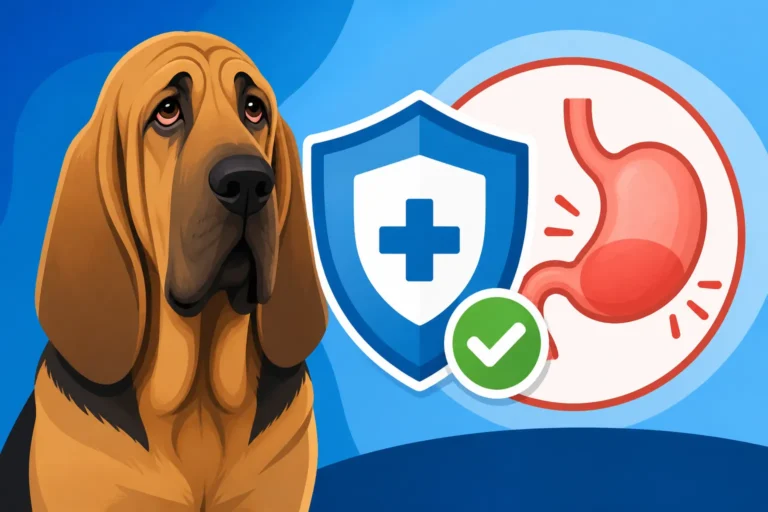
This initial vet visit is also an excellent opportunity to discuss any potential breed-specific health concerns with your vet. Bloodhounds are predisposed to conditions like bloat, hip and elbow dysplasia, and certain eye conditions. Understanding these risks and discussing early screening or preventative measures, such as a gastropexy to prevent bloat, can be invaluable. The Gastropexy Decision Every Bloodhound Owner Faces is a serious consideration for many owners.
Considering Pet Insurance from the Start
Given the potential health issues and the general size of Bloodhounds, pet insurance can be a financial lifeline, especially if you adopt a younger dog before any pre-existing conditions are noted. While it's an additional monthly expense, it can save you thousands of dollars in the event of an unexpected illness or accident.
Many Bloodhound owners will tell you that large breed dogs, while incredibly lovable, can come with significant veterinary bills. Emergencies like bloat can cost thousands, and chronic conditions like allergies or joint issues require ongoing treatment. Pet insurance, with providers like Healthy Paws, can help mitigate these costs by reimbursing a percentage of your vet bills after your deductible is met. It’s definitely worth researching plans and getting quotes early on.
It's important to choose a policy carefully, understanding what it covers, what the deductible is, and the reimbursement percentage. Crucially, pet insurance typically does not cover pre-existing conditions, which is why it's so vital to enroll your Bloodhound as soon as possible after adoption, ideally before any minor issues could be noted on their veterinary record that might later be deemed "pre-existing." This forward thinking can protect you financially should your Bloodhound face a serious medical challenge down the line.
The Value Proposition of Adopting a Rescue Bloodhound
Beyond the noble act of saving a life, adopting a Bloodhound from a rescue often comes with a host of practical benefits and significant value that might not be immediately obvious. Many people only see the adoption fee, but fail to realize the immense investment the rescue has already made in the dog.
The Hidden Savings of a Rescued Adult
While the adoption fee might seem like a lump sum, when you break down what it covers, you'll often find that adopting an adult Bloodhound from a rescue offers significant financial savings compared to buying a puppy from a breeder. Think about all the costs a responsible breeder would incur for vaccinations, microchipping, and spay/neuter—then factor in the additional "first year" expenses you don't have with an adult.
For instance, most rescue Bloodhounds come to you already spayed or neutered. This alone can be a substantial savings, as the cost of this surgery can be hundreds of dollars, especially for a large breed. They'll also be up-to-date on their initial vaccinations and often microchipped, saving you further vet bills in the first few weeks. If you were to buy a puppy, these costs would be entirely out of pocket during a puppy's most expensive developmental stage.
Furthermore, many rescue Bloodhounds have already received some basic training and house-training. While every dog needs continued reinforcement, starting with a dog that understands basic commands or is reliably house-trained can save you money on professional training classes, specialized cleaning supplies, and replacing items chewed during the destructive puppy phase. The rescue has already done much of the initial, costly work of preparing the dog for a home, which in essence, means you're getting incredible value for your adoption fee.
The Unique Benefits of an Established Dog
Beyond the financial savings, adopting an adult Bloodhound comes with a unique set of benefits that often make them a more predictable and easier addition to a family than a young puppy. While puppies are undeniably cute, they are also a huge amount of work and a major unknown.
With an adult rescue Bloodhound, you usually have a much clearer picture of their personality, temperament, and health history. Rescues spend time observing their dogs in various situations, often in foster homes, which allows them to gather invaluable information. You'll know if the Bloodhound is good with children, cats, or other dogs. You'll understand their energy level, their typical disposition, and any quirks they might have. This level of insight helps ensure a better match for your household and lifestyle, reducing the chances of surprises or behavioral challenges that might lead to rehoming. Whether a Bloodhound Suits a Family With Toddlers is an important question a rescue can often answer based on observation.
An established Bloodhound often already knows how to live in a home environment. They understand routines, are typically past the destructive chewing phase of puppyhood, and may already have some manners. This means less guesswork, fewer sleepless nights, and a smoother transition for both the dog and your family. You get to skip many of the challenging stages of puppyhood and jump straight into enjoying the companionship of a loyal and loving Bloodhound.
Supporting the Rescue Mission
Perhaps the most profound value in adopting a Bloodhound from a rescue is the direct impact you have on the welfare of animals. Your adoption fee and your choice to adopt rather than buy directly supports the tireless efforts of rescue organizations and allows them to continue their life-saving work.
Every adoption frees up a space in a foster home or shelter, allowing the rescue to take in another Bloodhound in need. This ripple effect means that your single adoption decision has the power to save not just one life, but two. You're contributing to an organization that provides medical care, food, shelter, and love to animals that have often been abandoned, neglected, or surrendered through no fault of their own.
By choosing rescue, you become part of a larger community dedicated to animal welfare. You're supporting a system that believes every dog deserves a loving home, regardless of its past. This act of compassion goes far beyond just bringing a pet home; it's a statement about valuing life, offering second chances, and making a tangible difference in the world of animal rescue. It's a truly fulfilling experience that enriches both your life and the life of a deserving Bloodhound.
Navigating the Adoption Process and Avoiding Pitfalls
Adopting a Bloodhound from a rescue is more involved than simply picking out a puppy from a litter. It's a thorough process designed to ensure that each Bloodhound goes to a suitable, loving, and permanent home. Understanding this process and how to identify reputable rescues can help you avoid common pitfalls and make for a smoother adoption journey.
The Application and Interview Process
Reputable Bloodhound rescues have a multi-step application and interview process that might seem extensive, but it's all for the benefit of the dogs. They want to ensure a good match and a forever home. This process typically starts with a detailed application form. This form asks about your living situation, previous pet ownership experience, family members (including children and other pets), your lifestyle, and your experience with large breeds or scent hounds specifically. They may ask about your fenced yard—a critical requirement for a Bloodhound. How High a Fence a Bloodhound Needs is a common question.
Once your application is reviewed, if you seem like a good fit, you'll likely be invited for an interview. This might be in person, over the phone, or via video call. This is your chance to ask questions about the Bloodhound you're interested in, and the rescue's opportunity to learn more about you. They might conduct a home visit, either virtually or in person, to assess the safety and suitability of your environment for a Bloodhound. This isn't an invasion of privacy; it's a responsible step to confirm that you can provide an appropriate home, especially for a large, scent-driven dog.
The rescue may also check references, including your veterinarian if you've had pets before. This comprehensive screening is a sign of a high-quality rescue that prioritizes the welfare of its dogs above all else. It might feel like a lot of hoops to jump through, but remember, they are doing their due diligence to ensure the best possible outcome for these deserving Bloodhounds.
What to Look for in a Reputable Rescue
When looking to adopt, it's vital to seek out reputable Bloodhound rescue organizations. Sadly, not all "rescues" operate with the same high standards. A good rescue will be transparent, ethical, and focused squarely on the well-being of its animals.
First and foremost, a reputable rescue will have a clear adoption process, as described above, and will not pressure you into adopting. They will conduct thorough veterinary care, ensuring all dogs are spayed/neutered, vaccinated, and microchipped before adoption. They should be able to provide detailed medical records for the Bloodhound you are considering. A rescue that glosses over medical history or pushes for immediate adoption without proper vetting is a red flag.
Look for a rescue that offers post-adoption support. This might include advice on training, behavior, or health concerns. Many provide a trial period or a return policy, demonstrating their commitment to the dog's long-term welfare. They should also be knowledgeable about the Bloodhound breed, understanding its unique needs, temperament, and potential health issues. They won't make unrealistic promises about a Bloodhound's behavior or health, but rather provide realistic expectations. Lastly, a good rescue will primarily operate out of foster homes rather than a large kennel facility, as foster environments are less stressful for the dogs and allow for better behavioral assessment.
Common Reasons Bloodhounds End Up in Rescue
It's a common misconception that dogs in rescue are "damaged" or have severe behavioral problems. While some do require rehabilitation, many Bloodhounds end up in rescue through no fault of their own, often due to circumstances entirely beyond their control or a mismatch with their previous owner's expectations.
One of the most frequent reasons is a change in the owner's living situation. This could be a move to a "no pets" apartment, a new job with long hours, or a family crisis that makes continued care impossible. Financial hardship is another major factor; the ongoing cost of ownership of a large breed dog can be substantial, and some owners simply can't afford the necessary food, veterinary care, or unexpected emergencies.
Misunderstanding the breed is also a huge contributor. Bloodhounds are incredible dogs, but they are not for everyone. Their intense scent drive means they cannot be reliably off-leash, and their baying can be very loud. The Baying a Bloodhound Cannot Be Trained Out Of is a reality some owners don't anticipate. Their need for consistent exercise and mental stimulation, primarily through scent work, can be overwhelming for those expecting a more sedentary pet. When owners aren't prepared for these unique traits, the Bloodhound can become too much to handle, leading to surrender. Rescues often take in Bloodhounds around The Age Most Surrendered Bloodhounds Are, when their adolescent energy and scent drive can become challenging for unprepared owners.
Budgeting for Your Bloodhound's Lifetime
Bringing a Bloodhound home is a long-term commitment, and the adoption fee is just the beginning of your financial journey. Understanding and planning for the ongoing costs of owning a Bloodhound is crucial for providing them with a healthy and happy life.
Estimating Monthly and Annual Expenses
Beyond the initial adoption fee and setup costs, a Bloodhound will have recurring monthly and annual expenses that you need to budget for. These costs can vary, but generally, large breed dogs require a larger financial commitment than smaller ones.
Food will be one of your most significant ongoing expenses. Bloodhounds are big dogs with big appetites. How Many Cups a Day an Adult Bloodhound Eats can be substantial, meaning you'll go through bags of food quickly. Purchasing quality food, perhaps through a subscription service like Chewy or Ollie, can help manage this cost and ensure consistent nutrition. Consider not just the cost of the food itself, but also healthy treats for training and enrichment.
Routine veterinary care is another annual expense. This includes annual check-ups, booster vaccinations, and regular parasite prevention (heartworm, flea, and tick medications). Don't forget the cost of regular ear cleaning solution – What a Year of Ear Cleaner Costs a Bloodhound Owner can add up! While some of these are monthly costs, it's easier to think of them as an annual budget item. Other potential recurring costs might include grooming supplies, chew toys, and replacement bedding. A Bloodhound's long ears and drooling habit also mean a constant supply of cleaning rags and floor cleaner.
| Expense Category | What's Often Covered by Adoption Fee | What's Typically an Additional Cost (Initial/Ongoing) |
|---|---|---|
| Veterinary Care | Spay/Neuter, initial vaccines, microchip, basic health check, initial treatment for known issues | Annual exams, booster vaccines (future), heartworm/flea/tick meds, emergency care, specialist visits (e.g., ophthalmologist, orthopedic surgeon), dental cleanings |
| Food & Nutrition | Initial supply (short-term) | Ongoing monthly food, treats, specialized diets |
| Supplies & Equipment | Basic collar/leash (sometimes) | Sturdy harness, long line, bowls, bed, crate, toys, grooming tools, cleaning supplies |
| Training & Behavior | Basic assessment, some rehabilitation | Advanced training classes, professional behaviorist, scent work equipment |
| Pet Insurance | Not typically included | Monthly premiums, deductibles, co-pays |
| Miscellaneous | Licensing fees, pet-sitting/boarding, travel |
Preparing for Unexpected Medical Bills
Even with the best preventative care and a healthy rescue Bloodhound, unexpected medical emergencies or chronic conditions can arise. It's not a matter of "if," but often "when," especially with a large breed with known predispositions. Being prepared for these potential financial shocks is paramount.
Bloat, or Gastric Dilatation-Volvulus (GDV), is a sudden and life-threatening emergency that Bloodhounds are particularly prone to due to their deep, narrow chests. Emergency surgery for bloat can cost thousands of dollars, and it's a bill you simply cannot delay. What Emergency Bloat Surgery Costs on a Bloodhound can be truly shocking if you're unprepared. Other potential emergencies could include injuries from accidents, or sudden illnesses that require hospitalization.
Chronic conditions like hip or elbow dysplasia, arthritis (common as Bloodhounds age), allergies, or thyroid issues can also lead to significant ongoing veterinary costs for medication, specialized diets, or physical therapy. This is where pet insurance, like plans from Healthy Paws, really shines, helping to cover a substantial portion of these high-cost treatments. Beyond insurance, having an emergency fund specifically for your Bloodhound, or access to a credit line, can provide a crucial safety net. It’s a harsh reality that often the most expensive year of a Bloodhound's life is its Whether a Bloodhound's Eighth Year Is the Expensive One, when age-related issues begin to surface.
Food and Nutrition Choices
The food you choose for your Bloodhound isn't just about filling their belly; it's a foundational aspect of their health and well-being, and it will be a major recurring expense. Making informed decisions about their diet can impact their health for years to come.
Large breed dogs like Bloodhounds have specific nutritional needs, particularly during puppyhood, to support their rapid growth without putting undue stress on their developing joints. High-quality large breed puppy formulas are often recommended, with controlled calcium and phosphorus levels. As adults, they still benefit from a diet formulated for large breeds, supporting joint health and maintaining a healthy weight. Brands available through Chewy or direct-to-consumer like Ollie often offer excellent choices, but always consult your vet about the best option for your individual Bloodhound.
Beyond the type of food, how you feed your Bloodhound is also critical. Splitting their daily food intake into two or even three smaller meals can help reduce the risk of bloat. Whether Three Meals Lower a Bloodhound's Bloat Risk is a commonly asked question among Bloodhound owners, and generally, multiple smaller meals are advised. It's also important to ensure they rest before and after eating, avoiding strenuous exercise or excessive drinking around meal times. A slow-feeder bowl can also be a good investment to prevent them from eating too quickly. Thoughtful choices around food and feeding habits are not only budget considerations but crucial preventative health measures for your beloved Bloodhound.
Disclaimer
This article is for general informational purposes only and does not constitute professional advice. Laws, prices and regulations vary by location and change over time. Consult a qualified professional for guidance on your specific situation.