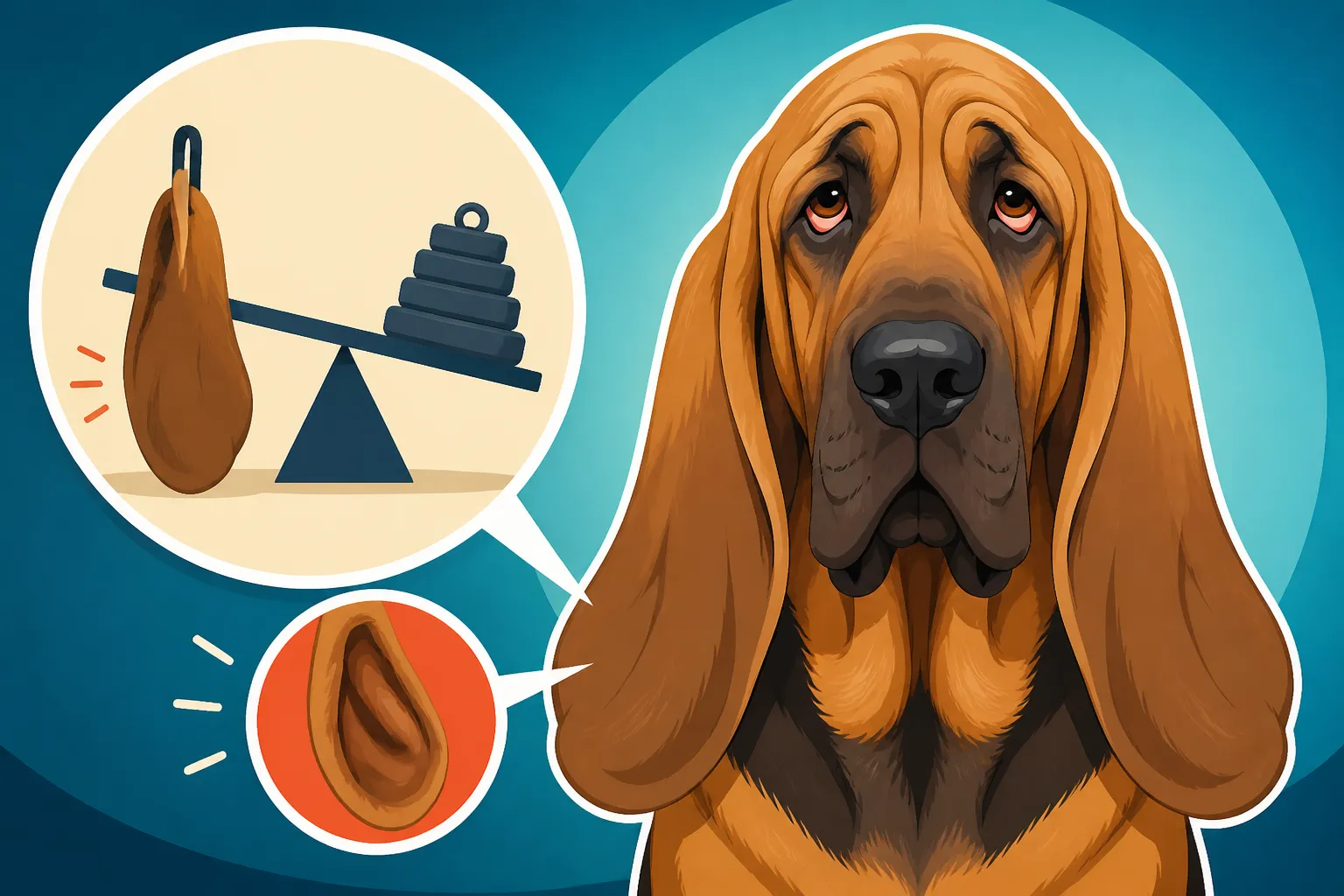
The Standing Cost of a Bloodhound’s Ears
The heavy, pendulous ears of a Bloodhound are undeniably one of their most iconic features, but for owners, they're also a constant source of worry and, let's be frank, expense. You probably already know that Bloodhound ears are prone to infections, but the true financial commitment required to keep them healthy often catches new owners off guard. It's not just a one-time vet bill; it's a standing cost, a recurring line item in your budget that demands consistent attention and, often, a hefty sum when things inevitably go awry. This guide is here to walk you through the various financial implications of Bloodhound ear care, from routine maintenance to emergency surgeries, helping you prepare for the unique challenges these magnificent hounds present.
Why Bloodhound Ears Are So Prone to Problems
Understanding why Bloodhound ears are such a magnet for trouble is the first step to truly appreciating the financial and time investment they demand. It's not just bad luck; it's a combination of their unique anatomy, environmental factors, and sometimes, genetics.
The Anatomy That Invites Trouble
Imagine a warm, moist, dark cave. That's pretty much what your Bloodhound's ear canal is like, and it's an ideal environment for all sorts of microorganisms to thrive. Their ears are masterpieces of scent-gathering, designed to cup and funnel air currents towards their incredible noses, but this design comes with significant drawbacks for ear health.
First, their ear canals are deep and often more convoluted than those of breeds with upright ears. This makes it incredibly difficult for air to circulate freely and for moisture and debris to escape naturally. Think of trying to dry a long, narrow tunnel versus an open room – the latter is much easier. When their ears hang low, almost sweeping the ground as they follow a trail, they act like miniature dust mops, picking up all sorts of dirt, pollen, seeds, and even tiny bugs. This foreign material then gets trapped deep inside, unable to shake free. The heavy, thick ear leather also further seals off the ear canal, exacerbating the lack of ventilation. It’s a design flaw, in a way, for everyday ear health, even if it's perfect for their trailing work. This means that a Bloodhound's ears are a standing infection risk right from the start.
The Perfect Breeding Ground for Infections
With all that trapped moisture, debris, and poor air circulation, it’s no surprise that a Bloodhound's ears become a veritable petri dish for various pathogens. Yeast and bacteria are the most common culprits. Yeast, a normal inhabitant of dog skin, can overgrow rapidly in a warm, damp environment, leading to a distinct, often sweet-smelling, waxy brown discharge. Bacterial infections, on the other hand, can produce a more pus-like discharge and a foul odor. Sometimes, both yeast and bacteria team up, making treatment even more challenging.
Environmental factors also play a huge role. If your Bloodhound loves to swim, that extra water in the ears can quickly lead to an infection if not meticulously dried. Humid climates contribute to the problem, keeping the ear environment consistently moist. Even a simple roll in damp grass can introduce enough moisture and new microorganisms to tip the delicate balance. Owners often find themselves wondering Why a Bloodhound's Ear Canal Stays Damp, and the answer lies squarely in this combination of anatomy and environment. It's a constant battle, and one where vigilance is your most potent weapon against costly infections.
Hereditary Predispositions and Allergies
Beyond the structural issues, some Bloodhounds are simply more genetically predisposed to ear problems. While not a specific genetic disease like hip dysplasia, general immune system sensitivities can play a part. More commonly, underlying allergies are a huge driver of chronic ear infections in Bloodhounds. Just like people, dogs can suffer from environmental allergies (atopy) to things like pollen, dust mites, or mold, or from food allergies.
When a Bloodhound has allergies, the inflammation doesn't just manifest as itchy skin; it often affects the ears. The skin lining the ear canal becomes inflamed, red, and itchy, leading to increased wax production and a compromised barrier. This inflammation then creates the perfect storm for secondary yeast and bacterial infections. It's a vicious cycle: allergies cause inflammation, which leads to infection, which then makes the ear even more inflamed and susceptible. Breaking this cycle often requires identifying and managing the underlying allergy, which can be a long and expensive journey involving special diets, medications, and environmental controls. Sometimes, knowing Whether a Bloodhound's Ear Infection Becomes Permanent means acknowledging that underlying allergies are at play and require lifelong management.
Routine Preventive Care: The Daily and Weekly Investment
Preventive care is truly your first line of defense against the astronomical costs of severe ear infections. It’s a commitment of time, effort, and a steady stream of supplies, but it’s an investment that can save you significant money and heartache in the long run.
Essential Cleaning Supplies and Their Recurring Costs
To keep those long, droopy ears healthy, you'll need a consistent supply of ear-cleaning products. This isn't a "buy once and forget" kind of situation. Your arsenal will typically include a veterinary-approved ear cleaning solution. Brands like Epi-Otic, Zymox, or various generic antiseptic cleansers are popular choices. These solutions are formulated to break down wax, dry the ear canal, and provide an antibacterial or antifungal boost. You'll go through these bottles quicker than you might think, especially with a large-eared breed like a Bloodhound.
Beyond the liquid cleaner, you'll need plenty of cotton balls or soft gauze pads. Never use cotton swabs deep inside the ear canal, as they can push debris further in or damage the delicate eardrum. Many owners also find a "snood" to be an indispensable accessory. This is a soft fabric tube that goes over your Bloodhound's head, keeping their long ears out of their food and water bowls, and protecting them from getting wet or dirty during meals or walks. It sounds simple, but What a Snood Does for a Bloodhound is invaluable in preventing daily contamination. When you consider What a Year of Ear Cleaner Costs a Bloodhound Owner, plus the snoods and cotton, these small, recurring purchases add up. These items need to be restocked regularly, becoming a steady, predictable line item in your monthly pet budget.
The Time and Effort Commitment
Beyond the financial outlay for supplies, there’s the significant investment of your time and effort. Bloodhound ears should ideally be checked daily and cleaned thoroughly at least once a week, and sometimes more frequently if your dog is prone to issues or has been swimming. This weekly cleaning isn't a quick wipe; it involves applying the cleaner, gently massaging the base of the ear to help loosen debris, and then carefully wiping away any discharge or wax with cotton.
Getting a Bloodhound to cooperate with ear cleaning can be a challenge. They're strong, can be stubborn, and many aren't thrilled about having liquid squirted into their ears. Starting early in puppyhood, making it a positive experience with lots of treats, and being consistent are key. Even with the best training, it's still a wrestling match for some owners. This dedication to routine care is crucial for preventing infections. If you neglect this, you're almost guaranteed to face the higher costs and discomfort of a full-blown ear infection down the line. It's truly a testament to the fact that Everything on a Bloodhound Hangs Down and Has to Be Cleaned, and the ears are at the top of that list.
Preventing Ear Trauma and Related Costs
The long, heavy ears of a Bloodhound aren't just prone to infections; they're also susceptible to trauma, which can lead to its own set of unexpected costs. One common issue is an aural hematoma. This happens when a Bloodhound shakes its head excessively and violently, often due to an underlying ear infection causing intense itching or discomfort. The vigorous shaking can cause blood vessels within the ear flap to rupture, leading to a blood-filled swelling. This isn't just unsightly; it's painful and often requires veterinary intervention.
Treating an aural hematoma can range from needle aspirations (draining the fluid) to surgical repair, where the ear flap is sutured to prevent recurrence and promote healing. These procedures are not cheap, often involving anesthesia, surgery fees, and post-operative care. Furthermore, a Bloodhound's ears are prone to collecting burrs, foxtails, or other plant matter during their enthusiastic outdoor explorations. If these foreign bodies embed deeply or cause irritation, they can lead to pain and infection, often requiring sedation at the vet for proper removal. Even minor traumas, if left unchecked, can quickly escalate, reminding us that constant vigilance and addressing the root cause (like an ear infection leading to head shaking) is key to avoiding these secondary, costly complications.
Veterinary Visits for Acute Ear Infections
Despite your best efforts with preventive care, it's highly likely your Bloodhound will experience an ear infection at some point. These can range from mild irritations to full-blown, painful infections that require immediate veterinary attention. And yes, each visit means a new set of bills.
Initial Consultation and Diagnosis
When you notice your Bloodhound shaking its head more than usual, scratching at its ears, or if you detect an unpleasant odor or discharge, a vet visit is imperative. Ignoring these signs only allows the infection to worsen, potentially leading to more severe and costly problems.
Your initial visit will involve a consultation fee, which covers the veterinarian's time to examine your dog and discuss their symptoms. The vet will perform an otoscopic examination, using a special tool to look deep into the ear canal. This helps them assess the severity of the inflammation, check for foreign bodies, and determine if the eardrum is intact. Critically, they'll also take a swab of the ear discharge for cytology. This microscopic analysis allows them to identify whether yeast, bacteria, or both are present, and sometimes even helps pinpoint the specific type of bacteria. This diagnostic step is vital because it guides the choice of medication. You might wonder Whether a Bloodhound Needs a Culture Before Ear Drops, and while not always necessary for a first-time, straightforward infection, cytology is almost always performed to ensure targeted treatment. All these steps, from the exam to the lab work, contribute to the initial bill.
Medications and Treatment Plans
Once the diagnosis is made, your vet will prescribe a treatment plan, typically involving topical ear drops. These drops often contain a combination of antibiotics, antifungals, and anti-inflammatory medications to tackle the infection from multiple angles. For severe infections, or if there's a concern about a systemic issue, oral antibiotics or pain relief medication might also be prescribed. The cost of these prescription medications can vary widely depending on the type and duration of treatment.
It’s crucial to follow the treatment protocol exactly as prescribed, even if your Bloodhound's ears seem to improve quickly. Stopping medication too soon is a common reason for recurrence and can contribute to antibiotic resistance, making future infections even harder and more expensive to treat. Often, a recheck appointment is recommended a week or two after starting treatment. This allows the vet to ensure the infection is clearing up and to discuss ongoing preventive care. Each recheck visit, of course, comes with its own consultation fee and potentially more medications if the initial treatment wasn't fully effective. This iterative process of diagnosis, treatment, and recheck is a significant part of What a Bloodhound's Ear Infection Costs to Treat.
The Escalating Cost of Resistant Infections
One of the most frustrating and costly scenarios for Bloodhound owners is when an ear infection proves resistant to initial treatments, or worse, becomes a chronic, recurring nightmare. This can happen for several reasons: an underlying allergy that wasn't properly addressed, inadequate treatment duration, or the presence of resistant strains of bacteria. When initial therapies fail, the diagnostic work-up often escalates. Your vet might recommend a bacterial culture and sensitivity test, which sends a swab of the ear discharge to a lab to identify the exact bacteria and determine which antibiotics will be most effective. This specialized test adds another layer of expense.
In some cases, a Bloodhound might need a sedated ear exam. This allows the veterinarian to thoroughly clean the ear canal, flush out stubborn debris, and get a better look at the eardrum without causing the dog undue stress or pain. Imaging, such as X-rays or even a CT scan, might be recommended to check for middle ear infections or other structural changes that can contribute to chronic problems. Each of these advanced diagnostics carries a significant cost, on top of the ongoing medication expenses. The emotional toll of watching your beloved hound suffer, combined with the continuous financial drain, can be immense. This is why a proactive approach and prompt veterinary attention for any ear issues are so vital, as it can prevent the infection from reaching this frustrating and expensive stage.
Chronic Ear Conditions and Their Long-Term Financial Impact
For many Bloodhound owners, ear issues aren't just an occasional inconvenience; they become a chronic condition that requires lifelong management and, often, significant financial outlay. This is where the "standing cost" truly makes itself felt.
Managing Chronic Otitis Externa
Chronic otitis externa is the medical term for persistent inflammation of the external ear canal. For Bloodhounds, this is an all-too-common reality. It means an almost continuous cycle of inflammation, infection, and treatment. Managing this condition often involves more than just ear drops during a flare-up. It can necessitate identifying and managing underlying causes like allergies, which can be a long and expensive diagnostic journey. This might involve strict elimination diets using novel proteins or hydrolyzed foods, which are often significantly more expensive than standard kibble. Brands like Ollie or Chewy offer various specialized food options that might be recommended.
Ongoing medication protocols might include daily or weekly maintenance ear washes, sometimes containing steroids or antifungals, to keep the ear environment stable. Some Bloodhounds may even require intermittent oral medications, like antihistamines or steroids, to control the underlying inflammation. Regular recheck appointments with your veterinarian become a necessity, adding recurring consultation fees to your budget. The goal shifts from curing the infection to simply managing the chronic inflammation and preventing severe flare-ups, a task that requires consistent effort and a significant financial commitment.
Ear Canal Stenosis and Calcification
Years of chronic inflammation and infection can lead to permanent, irreversible changes within the Bloodhound's ear canal. The lining of the canal can thicken and narrow, a condition known as stenosis. In some severe cases, the cartilage of the ear canal can even calcify, becoming hard and brittle. When this happens, the ear canal essentially closes off, making it impossible for air to circulate, for medication to penetrate effectively, or for wax and debris to exit.
At this point, topical medications become largely useless, as they cannot reach the affected areas. The ear is trapped in a state of continuous infection, causing immense pain and discomfort for the dog. The quality of life for a Bloodhound suffering from severe ear canal stenosis is significantly compromised. This is usually the stage where veterinarians will start discussing surgical options, as medical management is no longer effective. The financial implications of reaching this point are substantial, as surgical intervention is not only complex but also expensive.
Surgical Interventions: Total Ear Canal Ablation (TECA)
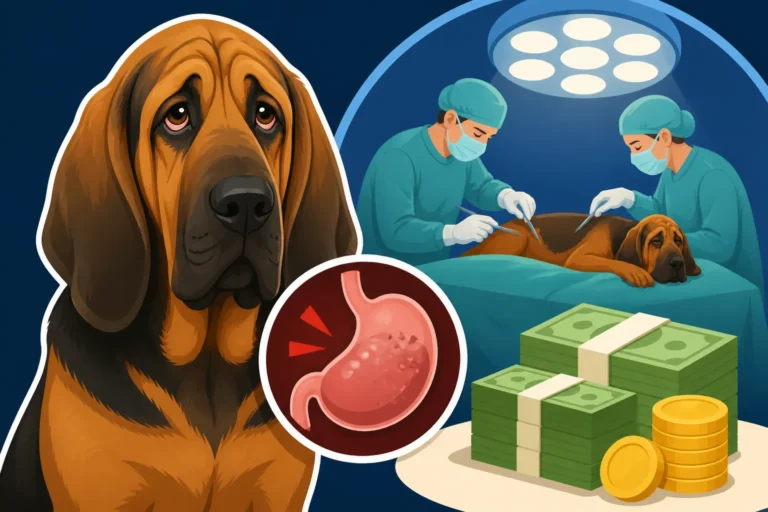
When all medical management fails, and the ear canal has become irreparably damaged by chronic infection and inflammation, a Total Ear Canal Ablation (TECA) surgery becomes the last resort. This is a major, invasive surgical procedure where the entire diseased ear canal, from the eardrum outwards, is surgically removed. It's often performed by a board-certified veterinary surgeon due to its complexity and the delicate structures involved.
The cost of a TECA surgery is significant, easily running into the thousands of dollars. It includes pre-operative bloodwork, anesthesia, the surgeon's fee, surgical facility fees, post-operative pain medication, and potentially an overnight stay in the hospital. Recovery can be long, and meticulous post-operative care is essential to prevent complications. While the surgery aims to resolve chronic pain and infection, it also means that the Bloodhound will permanently lose hearing in the affected ear. This leads many owners to wonder Whether a Bloodhound Loses Hearing After Ear Surgery, and the answer is yes, in that ear. The decision to proceed with a TECA is a difficult one, both emotionally and financially, highlighting the ultimate standing cost that can arise from years of ear problems.
How Pet Insurance Factors into Bloodhound Ear Costs
Given the high propensity for Bloodhounds to develop ear issues, many owners understandably look to pet insurance as a way to manage these unpredictable and often substantial costs. However, understanding what pet insurance covers, especially regarding chronic conditions, is crucial.
Understanding Coverage for Ear Conditions
Most pet insurance policies are categorized as "accident & illness" plans, covering unexpected medical conditions. Wellness plans, on the other hand, cover routine preventative care like vaccinations and yearly exams, but typically not chronic illness. For ear infections, an accident & illness policy can be a lifesaver, but there are critical caveats.
The biggest factor to consider is the "pre-existing condition" clause. If your Bloodhound showed signs of an ear infection or received a diagnosis before you enrolled them in a policy, or during the policy's waiting period, that specific ear condition will likely be excluded from coverage. This is a common frustration for Bloodhound owners, as ear issues often appear early in life. Some policies might have specific caps on how much they'll pay out for chronic conditions, or they may require a higher deductible or co-pay for these types of recurring issues. Companies like Healthy Paws are popular providers, but even they will adhere to pre-existing condition exclusions. It's vital to read the fine print and understand exactly what is covered and what isn't, especially when it comes to a breed known for its ear troubles. Insuring your Bloodhound when they are a puppy, before any signs of ear problems emerge, is usually the best strategy to maximize potential coverage.
The Benefits and Drawbacks of Insurance for Chronic Ears
For a Bloodhound with a history of recurrent ear infections, the benefits of pet insurance can be a mixed bag. If you managed to enroll your Bloodhound before any ear issues surfaced, and they then develop chronic otitis, insurance can provide significant financial relief. It can help cover the costs of diagnostic tests, prescription medications, specialist consultations, and even expensive surgeries like a TECA, subject to your policy's deductible and reimbursement rate. This can offer immense peace of mind, especially when facing complex or resistant infections that rack up bills quickly. It can also help you afford the best possible care without having to make difficult decisions based solely on cost.
However, if your Bloodhound's ear problems are deemed pre-existing, then insurance offers little to no help for those specific issues. This is a major drawback, as many Bloodhounds begin showing signs of ear trouble early in life. In such cases, the ongoing premiums might not be justifiable for ear care, though the policy would still cover other unexpected accidents or illnesses. This makes the decision of Whether Pet Insurance Is Worth It on a Bloodhound a complex one, heavily dependent on when you enroll and your dog's health history. For a Bloodhound owner, understanding whether a policy caps bloat or excludes certain congenital issues is as important as understanding its ear coverage.
Alternatives to Traditional Pet Insurance
If pet insurance isn't an option (perhaps due to pre-existing conditions) or if you prefer a different financial strategy, there are alternatives to consider for managing Bloodhound ear costs. The most straightforward is building a dedicated emergency savings fund. By setting aside a certain amount of money each month, you can create a financial cushion for unexpected veterinary expenses, including chronic ear flare-ups or even major surgeries. The benefit here is that the money is always yours, and there are no deductibles, co-pays, or pre-existing condition clauses.
Many veterinary clinics also offer payment plans or work with third-party financing options like CareCredit. These allow you to break down large veterinary bills into more manageable monthly payments. While interest rates can apply, it can be a vital option in an emergency. Additionally, some owners might consider a wellness plan offered by their vet, which bundles routine care (like exams and basic ear cleaning) for a monthly fee. While these typically don't cover treatment for full-blown infections, they can help with the preventative side. Ultimately, having a plan in place, whether it's insurance, savings, or a combination, is essential for every Bloodhound owner to ensure their beloved companion receives the care they need without causing undue financial strain.
Strategies for Minimizing Bloodhound Ear Expenses
While Bloodhound ears will always demand a certain level of financial investment, there are proactive strategies you can employ to minimize the frequency and severity of infections, thereby reducing overall expenses.
Proactive Care and Vigilance
The single most effective way to reduce the standing cost of your Bloodhound's ears is through diligent, proactive care. This means strict adherence to a weekly ear cleaning schedule, even when the ears look perfectly healthy. Regular cleaning helps flush out debris, excess wax, and microorganisms before they have a chance to proliferate and cause a full-blown infection. Consistent care also familiarizes you with your dog's normal ear appearance and smell, making it easier to spot the subtle early signs of an impending problem.
Don't wait for your Bloodhound to be scratching frantically or for a foul odor to emanate from their head before you act. Early detection is key. If you notice any redness, a slight increase in discharge, or a change in smell, a prompt veterinary check-up can often resolve the issue with less invasive and less expensive treatments. Delaying action almost always leads to a more entrenched infection, requiring stronger medications, longer treatment courses, and more recheck visits. Think of it as a small, consistent investment of time and money that prevents a much larger, sudden outlay down the road. Understanding How Often a Bloodhound's Ears Need Cleaning and sticking to that routine is paramount.
Diet and Allergy Management
For many Bloodhounds, ear infections are a symptom of an underlying allergy, and addressing this root cause can dramatically reduce the frequency and cost of ear problems. This often involves working closely with your veterinarian to identify the specific allergen. Food allergies are a common culprit. If suspected, your vet might recommend an elimination diet, which involves feeding a novel protein or hydrolyzed protein diet for several weeks to see if symptoms improve. High-quality, veterinary-prescribed diets for allergies can be more expensive than conventional dog food, but if they resolve chronic ear issues, the long-term savings on vet bills and medication can be significant. Brands like Ollie, which offers customized fresh food, or specialized formulas from Chewy, might be explored under veterinary guidance.
Environmental allergies (atopy) are another major contributor. While harder to eliminate entirely, management strategies can include allergen-specific immunotherapy (allergy shots or drops), oral medications to control inflammation and itching, and environmental controls like using air purifiers or frequent bathing with medicated shampoos. These treatments also come with costs, but they aim to break the chronic cycle of inflammation and infection, leading to healthier, happier ears and fewer emergency vet visits.
Environmental Controls and Lifestyle Adjustments
Beyond direct ear care and allergy management, certain environmental controls and lifestyle adjustments can make a big difference in preventing ear problems. If your Bloodhound loves to swim, ensure their ears are thoroughly dried immediately afterward. You can use cotton balls to gently absorb moisture from the outer canal. Limiting exposure to known allergens, such as keeping windows closed during high pollen seasons or regularly cleaning dust from your home, can also help.
When your Bloodhound is out on a trail, especially in tall grass or brush, consider using a snood to protect their ears from picking up burrs, seeds, and debris. This simple piece of fabric can prevent foreign bodies from entering the ear canal and causing irritation or infection. Similarly, if your dog is prone to getting its ears in its food or water, consistently using a snood during meal times or investing in a narrow, deep bowl can help keep the ear leather clean and dry. These small, consistent efforts, combined with routine cleaning and veterinary oversight, are your best bet for keeping those magnificent Bloodhound ears healthy and minimizing the financial burden they can sometimes impose.
| Ear Condition | Description | Typical Costs (Conceptual) | Prevention/Management Strategies |
|---|---|---|---|
| Acute Ear Infection | Sudden onset of inflammation, discharge, and discomfort, usually bacterial or yeast. | Initial exam, cytology, ear drops, recheck. | Regular cleaning, drying ears, early vet visits. |
| Chronic Otitis | Recurring infections and inflammation over time, often linked to allergies. | Frequent vet visits, specialized meds, allergy tests, prescription diets. | Allergy management, consistent cleaning, ongoing vet monitoring. |
| Aural Hematoma | Blood-filled swelling in the ear flap from head shaking (often due to infection). | Draining, surgical repair, anesthesia, post-op care. | Prompt treatment of underlying ear infection, head cone if needed. |
| Ear Canal Stenosis | Permanent narrowing of the ear canal due to chronic inflammation. | Advanced diagnostics (sedation, imaging), specialist consults. | Aggressive management of chronic infections to prevent progression. |
| TECA Surgery | Total Ear Canal Ablation; surgical removal of the diseased ear canal. | Major surgery fees, specialist surgeon, anesthesia, hospitalization, pain meds. | Last resort for intractable chronic disease; often preceded by other high costs. |
Disclaimer
This article is for general informational purposes only and does not constitute professional advice. Laws, prices and regulations vary by location and change over time. Consult a qualified professional for guidance on your specific situation.