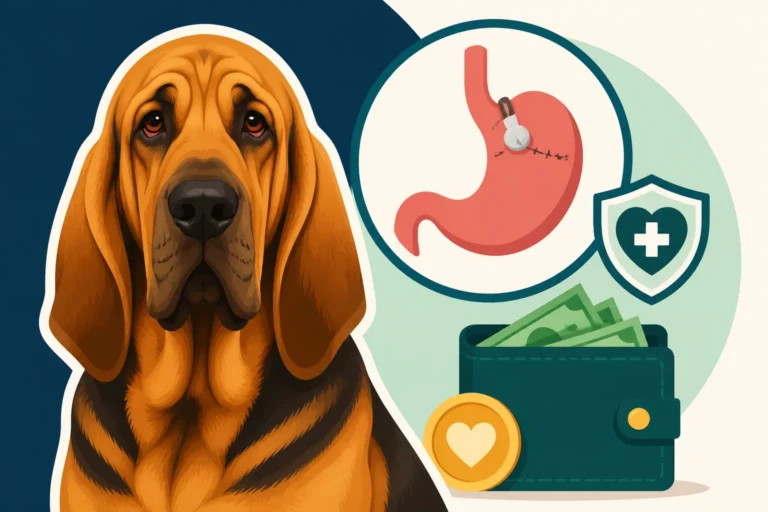
The Case for Tacking a Bloodhound’s Stomach Down Early
The crushing fear of bloat, or gastric dilatation-volvulus (GDV), is a shadow that hangs over many Bloodhound owners. It’s a sudden, terrifying emergency that can turn a perfectly healthy dog into a critically ill patient in a matter of hours, often demanding astronomical veterinary bills and leaving us heartbroken. This guide delves into why a preventive gastropexy, especially performed early, is not just a surgical option but a profound act of love and financial foresight, exploring the costs, benefits, and practical considerations to help you safeguard your beloved hound.
Understanding the Silent Threat: Bloat in Bloodhounds
For any Bloodhound owner, the word "bloat" can send a shiver down their spine. It's not just an upset tummy; it's a life-threatening emergency that sadly takes far too many of our magnificent hounds. Understanding what bloat is and why Bloodhounds are particularly vulnerable is the first step toward prevention.
What Exactly Is Bloat (GDV)?
Gastric dilatation-volvulus, or GDV, is a terrifying condition where a dog's stomach fills with gas and then twists on itself. Imagine a balloon tied at both ends – once it twists, nothing can get in or out. The gas inside builds up, putting immense pressure on internal organs, restricting blood flow, and quickly sending the dog into shock. The stomach wall can die, and if not treated immediately, GDV is almost always fatal. It’s a race against the clock, and every second counts. It's a cruel reality that Bloat Is What Kills Most Bloodhounds, making it a constant concern for owners of deep-chested breeds.
This isn't just discomfort; it's excruciating pain and a rapid decline. The pressure from the distended stomach can even press on major veins, cutting off blood return to the heart. This quickly leads to cardiac arrest if the pressure isn't relieved. Many owners don't realize the sheer systemic impact of bloat, thinking it's "just" a stomach issue. But it affects the heart, lungs, and every other major organ, leading to a cascade of complications that are incredibly difficult for a dog to overcome without immediate intervention.
Why Bloodhounds Are Uniquely Susceptible
Bloodhounds, with their deep, narrow chests, are classic candidates for bloat. It's a combination of their physical build and, often, their eating habits. That cavernous chest, which is so striking, unfortunately creates the ideal anatomical space for the stomach to distend and then flip. Factors like eating too fast, drinking too much water after eating, stress, and even a genetic predisposition all play a role. It's a perfect storm of characteristics that puts our hounds at high risk. You might wonder Why a Bloodhound's Chest Shape Causes Bloat, and it really boils down to that unique conformation.
Beyond the chest shape, Bloodhounds can also be prone to anxiety or gulping their food down with gusto, both behaviors that increase air intake. Their often laid-back demeanor might mask early signs, making it even more dangerous. We love their wrinkles and their incredible noses, but these wonderful traits come with specific health responsibilities. It’s a heavy burden, knowing that your gentle giant is carrying this particular risk. Breeders often try to mitigate this risk through careful selection, but the underlying anatomy remains a significant factor for the breed as a whole.
The Terrifying Speed of Bloat's Progression
Bloat progresses at a horrifying speed. From the first subtle signs – a bit of restlessness, maybe some drooling – to full-blown collapse can take as little as 30 minutes to an hour. There’s no waiting it out, no "let's see how they are in the morning." This is a true emergency where you need to drop everything and get to the nearest emergency vet now. Knowing How Fast Bloat Kills a Bloodhound can really drive home the urgency of getting help immediately, because delays mean a rapidly worsening prognosis.
The agony of watching your dog retch fruitlessly, with a belly that swells like a drum, is something no owner ever wants to experience. By the time you clearly see the classic signs like unproductive retching and a distended abdomen, the clock is already ticking down rapidly. It’s crucial to understand these signs and react instantly, because hesitation can quite literally cost your Bloodhound its life. This rapid onset means owners must be prepared both emotionally and financially for the worst, or better yet, take steps to prevent it.
The Financial Devastation of Emergency Bloat Surgery
When bloat strikes, the financial considerations can be almost as overwhelming as the emotional distress. It’s not just a vet visit; it’s an intensive care situation that comes with a hefty price tag, often without warning. Many owners find themselves in an impossible position, facing a life-or-death decision complicated by cost.
Breaking Down the Emergency Vet Bill
An emergency bloat surgery is a complex procedure, often performed by specialists in an overnight emergency setting. The bill can include everything from the initial emergency examination, X-rays, blood work, IV fluids, shock management, anesthesia, the surgery itself (which involves untwisting the stomach and then performing a gastropexy to prevent recurrence), pain medication, and several days of intensive post-operative care. You’re not just paying for the surgery; you’re paying for a team of professionals to fight for your dog's life around the clock. If you’ve ever wondered What a Bloodhound's Bloat Surgery Bill Comes To, you'll understand it's a significant figure.
Factor in that these emergencies rarely happen during normal business hours, meaning after-hours surcharges are almost guaranteed. The longer the dog has been bloating, the more complicated the surgery can become, and the longer the recovery period. This could mean a week in the animal hospital, with continuous monitoring, specialized feeding tubes, and more. It’s a situation that can quickly deplete savings or max out credit cards, adding immense stress to an already horrific experience.
The Emotional and Financial Toll of a Crisis
Beyond the line-item costs, there’s the emotional toll of such a sudden and severe emergency. The panic, the fear, the guilt – it all weighs heavily. Then there's the pressure of making rapid financial decisions while your beloved pet is in critical condition. Do you have the funds readily available? Will you need to apply for a credit line or tap into retirement savings? These are agonizing questions no one wants to face under such duress. The sheer uncertainty of whether your dog will even survive the surgery, combined with the financial strain, creates a truly heartbreaking scenario.
Many families simply don't have the thousands of dollars needed for emergency surgery lying around. This can lead to unthinkable choices. Pet insurance, like Healthy Paws, can be an absolute lifesaver in these moments, cushioning the financial blow significantly, but only if you have it before the emergency strikes. The stress of managing a critically ill pet is enough without adding financial catastrophe to the mix. It's a scenario that can haunt an owner for years, regardless of the outcome.
Comparing Emergency vs. Preventive Costs
Let's be clear: a preventive gastropexy is an investment, but it pales in comparison to the potential cost of an emergency bloat surgery. When you factor in the added complexity, after-hours fees, and extensive post-operative care needed for an emergency, the preventive measure looks like a bargain.
Here's a simplified look at the cost difference:
| Aspect | Preventive Gastropexy | Emergency Bloat Surgery (with Gastropexy) |
|---|---|---|
| Urgency | Planned, elective procedure | Immediate, life-threatening emergency |
| Timing | During normal vet hours (often combined) | Often after-hours, weekends, holidays |
| Anesthesia Risk | Lower, on a healthy patient | Higher, on a compromised, possibly shocked patient |
| Surgical Complexity | Simpler, prophylactic | Complex, untwisting stomach, addressing damage |
| Post-Op Care | Shorter, less intensive recovery | Longer, intensive, often multiple overnight stays |
| Overall Cost | Moderate upfront investment | Significantly higher, often multiple thousands |
| Peace of Mind | High, greatly reduced bloat risk | Low, immediate crisis, uncertain outcome |
This table illustrates why What a Preventive Gastropexy Costs on a Bloodhound is a small fraction of the cost you might face in an emergency. It's truly a case of paying a reasonable amount now to potentially save a huge amount later, both in dollars and in heartache. Many owners who have experienced bloat in one dog will tell you they would do anything to prevent it in another.
What a Preventive Gastropexy Actually Does
So, what exactly is a gastropexy? It sounds complex, but in essence, it's a straightforward procedure designed to anchor your Bloodhound's stomach in place, effectively preventing it from twisting. This simple, elegant solution is the single most effective way to protect your deep-chested hound from the devastation of bloat.
The Mechanics of the Surgery
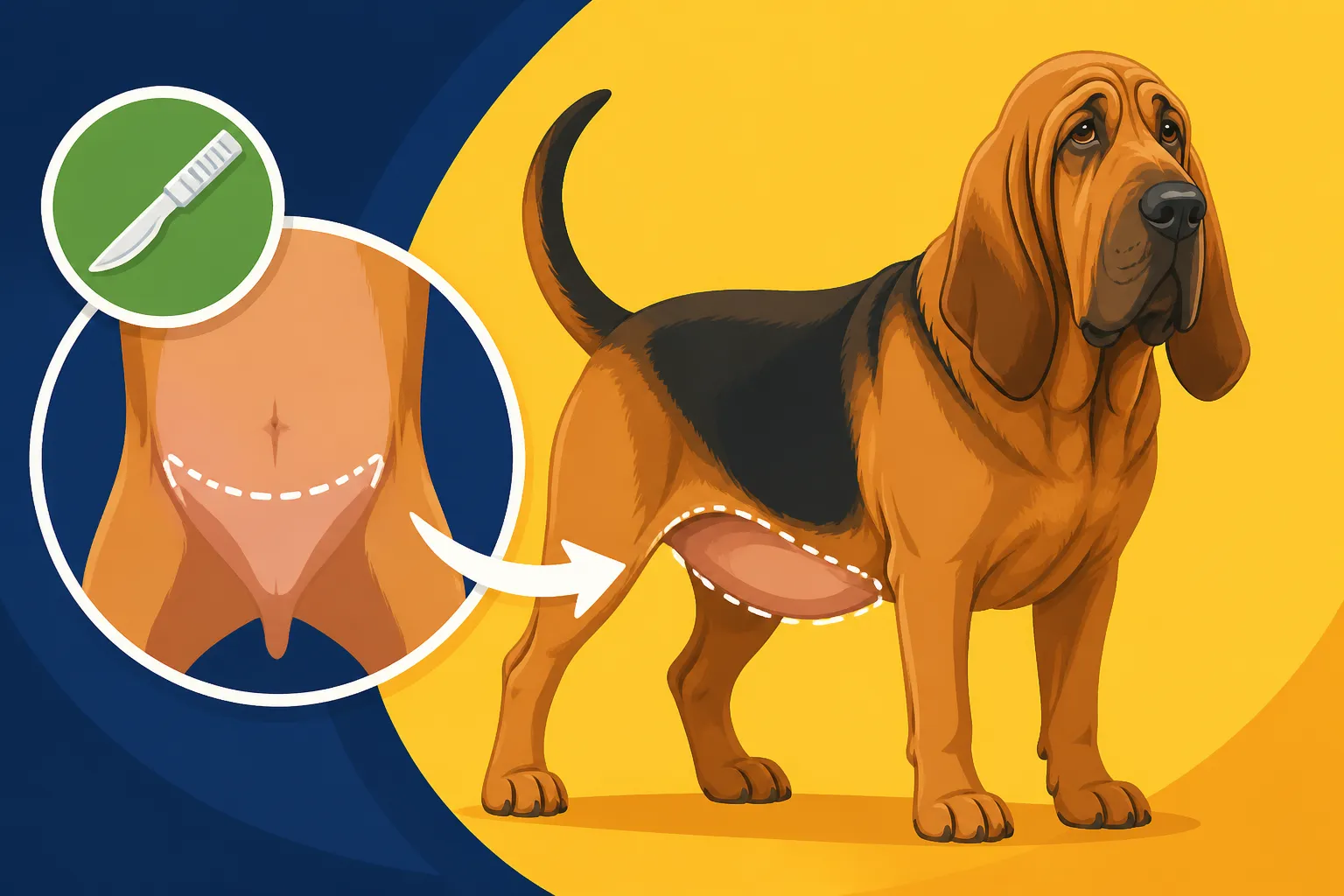
A gastropexy involves permanently attaching a portion of the stomach wall to the inner abdominal wall. Think of it like stitching a loose curtain to the wall to keep it from flapping around. If the stomach can't twist, then GDV, the deadly stomach flip, cannot occur. While the stomach can still distend with gas (the "gastric dilatation" part of GDV), the critical, life-threatening "volvulus" (the twist) is prevented. This buys critical time and prevents the most dangerous aspect of the condition. This means your Bloodhound might still feel uncomfortable and gassy, but you won't be in a race against the clock to save its life. This is the core of What a Preventive Gastropexy Does for a Bloodhound.
The procedure is usually performed by making an incision in the abdomen, identifying the appropriate section of the stomach, and then carefully suturing it to the abdominal wall. The stomach remains fully functional; it just can't rotate freely. It's a permanent fix that offers incredible protection against this breed-specific killer. The technical precision involved ensures that the stomach is secured in a way that is strong and lasting, minimizing any chance of it detaching over time.
Open vs. Laparoscopic Techniques
There are generally two main approaches to performing a gastropexy: the traditional "open" surgery and the minimally invasive "laparoscopic" technique.
Open Gastropexy: This involves a larger incision in the abdomen, allowing the surgeon direct visualization and access to the stomach and abdominal wall. It's a well-established and highly effective method. The recovery time might be slightly longer due to the larger incision, but it's often a more cost-effective option than laparoscopic surgery. For many vets, this is the standard approach they are most comfortable with and have performed countless times.
Laparoscopic Gastropexy: This modern technique uses a few small incisions, through which a camera and specialized instruments are inserted. The surgeon performs the procedure watching a monitor. This method typically results in less pain, smaller scars, and a faster recovery time for the dog. However, it requires specialized equipment and training, so it may not be available at all veterinary clinics, and it often carries a higher cost. If your vet offers it, a laparoscopic approach can be an excellent choice for a quicker bounce-back. You might want to ask your veterinarian if Whether a Laparoscopic Gastropexy Suits a Bloodhound and if it's an option at their practice or a referral center.
The Peace of Mind It Offers
Perhaps the greatest benefit of a gastropexy isn't even physical; it’s the profound peace of mind it gives you as an owner. Knowing that the most lethal aspect of bloat has been prevented allows you to enjoy your Bloodhound without that constant undercurrent of fear. You can watch them eat, play, and live their lives with significantly less worry about a sudden, catastrophic event. This peace is truly invaluable.
While a gastropexy doesn't eliminate all risk of gastric distress or other health issues, it removes the most deadly threat unique to deep-chested breeds. It means that if your Bloodhound ever does get a gassy stomach, it’s far less likely to spiral into a fatal emergency. This allows you to focus on the joy of ownership, rather than being constantly vigilant for signs of an impending disaster. It empowers you to proactively protect your dog in a way that truly makes a difference to their overall lifespan and quality of life.
The Case for "Tacking Early": Timing is Everything
If you're considering a gastropexy, timing is a critical factor. Performing the procedure early in your Bloodhound's life offers significant advantages, often making the process smoother, safer, and less stressful for everyone involved. It's about proactive health management rather than reactive crisis intervention.
Optimal Age for the Procedure
The consensus among many veterinarians and Bloodhound enthusiasts is that a preventive gastropexy is best performed when the dog is relatively young and healthy, ideally between 6 months and 2 years of age. At this stage, puppies are typically past their initial fragile infancy but haven't yet reached full maturity, where surgical risks might increase slightly. Their bodies are resilient, and they often bounce back from surgery with remarkable speed. This age range also often coincides with their spay or neuter surgery, presenting a convenient and often more economical opportunity to combine procedures. Determining The Age a Bloodhound Should Have a Gastropexy often aligns with other standard veterinary care.
Performing the gastropexy before the dog ever experiences a bloat episode is paramount. Once a dog has bloated, even if they survive, the risk of recurrence is alarmingly high without a gastropexy. Preventing that first episode is always the goal. It ensures that the dog doesn't suffer the trauma of a full GDV and that the surgery is performed on a healthy, stable patient rather than one in critical condition.
Combining with Spay/Neuter
One of the most common and practical approaches to preventive gastropexy is to perform it concurrently with your Bloodhound's spay or neuter surgery. This is a brilliant strategy for several reasons:
- Single Anesthesia Event: Your dog only needs to undergo anesthesia once, reducing overall risk and stress.
- Cost Efficiency: Combining procedures can often be more cost-effective, as you're not paying for separate anesthesia, hospital stays, or surgical setup fees.
- Convenience: It streamlines your vet visits and your dog's recovery period.
It’s definitely worth asking your vet Whether a Gastropexy Can Be Done at a Bloodhound's Neuter. Many clinics are adept at performing both procedures simultaneously, making it a very appealing option for responsible Bloodhound owners. The argument for neutering or spaying is already strong for many reasons, and adding the gastropexy during the same visit just makes logical sense, maximizing the benefit of one anesthesia event.
Recovery Differences for Puppies vs. Adults
While all surgical recoveries require careful monitoring, there can be notable differences between puppies and adults. Young Bloodhounds tend to recover more quickly and with fewer complications than older dogs. Their bodies are still growing and healing at an accelerated rate, and they often have fewer underlying health issues that could complicate recovery. A young dog generally has a stronger immune system and a higher metabolic rate, which can contribute to a smoother post-operative period.
An adult Bloodhound undergoing a gastropexy, especially if it's an emergency procedure due to bloat, might face a more challenging recovery. Older dogs may have pre-existing conditions, a slower healing process, and could be more susceptible to post-surgical complications. The decision to perform a preventive gastropexy on an older, intact Bloodhound is still a valid one, but it requires a thorough pre-surgical workup and careful consideration of potential risks. The "early" approach mitigates many of these concerns, positioning your Bloodhound for the best possible outcome.
Navigating the Cost of a Preventive Gastropexy
Let's talk money, because for many of us, the cost of veterinary care is a real consideration. While a preventive gastropexy is an investment, understanding the factors that influence its price can help you budget and plan accordingly. It's about seeing the value in long-term health and preventing a much larger, emergency expense down the road.
Factors Influencing the Price
The cost of a preventive gastropexy isn't a fixed number; it varies widely based on several factors:
- Geographic Location: Veterinary costs can differ significantly between urban and rural areas, and even from state to state.
- Type of Clinic: A small, local practice might charge differently than a large, specialized veterinary hospital or a university referral center.
- Surgical Technique: As mentioned earlier, a laparoscopic gastropexy is often more expensive than an open procedure due to the specialized equipment and training required.
- Combination with Other Procedures: If the gastropexy is performed at the same time as a spay or neuter, the total cost might be lower than two separate surgeries.
- Pre-Operative Workup: The extent of pre-anesthetic blood work, cardiac screenings, or other diagnostic tests can add to the overall bill. These are crucial for ensuring your Bloodhound is a good candidate for anesthesia.
- Anesthesia Monitoring: More intensive monitoring during anesthesia, especially for a large breed like a Bloodhound, can increase costs. For example, some clinics offer specialized blood pressure or EKG monitoring.
Don't hesitate to ask your veterinarian for a detailed estimate that breaks down all potential charges. This transparency helps you understand exactly what you're paying for.
Saving Money by Planning Ahead
The best way to "save" money on a gastropexy is by planning for it. Proactive scheduling allows you to choose a time when your vet might have discounted spay/neuter packages that include gastropexy, or to take advantage of seasonal specials. Discussing the procedure with your vet during your Bloodhound puppy's initial check-ups can give you ample time to budget.
Consider purchasing prescription diets or specialty items needed for post-operative care from online retailers like Chewy or directly from your vet's online pharmacy, often after discussing your needs with your vet. Sometimes, buying in bulk for ongoing needs like specific calming treats or certain types of enrichment toys for recovery can save a little money too. Being prepared for the recovery period, including having soft, easily digestible food on hand (like some of the fresh food options from Ollie, if your vet approves), can prevent last-minute trips and stress.
Considering Pet Insurance Coverage
Pet insurance can be an absolute game-changer when it comes to managing veterinary costs, especially for a breed prone to serious conditions like bloat. Most comprehensive pet insurance policies will cover the costs of emergency bloat surgery (after any waiting periods, of course), which is a huge relief in a crisis. Many policies also cover preventive procedures like gastropexy, especially if it's deemed medically necessary due to breed predisposition. However, some policies might categorize it differently, so it’s essential to clarify with your provider.
When researching policies, ask specific questions about coverage for preventative procedures and breed-specific conditions. Companies like Healthy Paws often offer robust plans that could make a significant difference. Remember, insurance must be in place before any symptoms or diagnosis occur for the condition to be covered. Waiting until your Bloodhound shows signs of bloat means it will be considered a pre-existing condition, and it won't be covered. This is why insuring your Bloodhound puppy early is a smart move, just like you would for any other valuable asset. Knowing Whether Pet Insurance Is Worth It on a Bloodhound is a question many owners grapple with, and for bloat, it often is.
Beyond the Procedure: Living with a Gastropexied Bloodhound
Having your Bloodhound gastropexied is a major step in protecting their health, but it's not a complete free pass to ignore all bloat-prevention strategies. While the most dangerous aspect of bloat is eliminated, responsible care continues to play a vital role in your dog's overall well-being.
Continued Bloat Prevention Strategies
Even with a gastropexy, your Bloodhound's stomach can still fill with gas, causing discomfort and potentially other issues, even if it won't twist. Therefore, it's wise to continue with many of the feeding practices recommended for bloat-prone breeds. This includes:
- Multiple Small Meals: Instead of one large meal a day, split your Bloodhound's food into two or three smaller portions. This reduces the amount of gas and food in the stomach at any one time. Whether a Gastropexied Bloodhound Still Needs Split Meals is a common question, and generally, the answer is yes, as it's a good practice for general digestive health.
- Slow Feeding: If your Bloodhound tends to gulp their food, use a slow feeder bowl or puzzle feeder to encourage them to eat more slowly. This reduces the amount of air they swallow.
- Rest After Eating: Avoid vigorous exercise or excitement for at least an hour before and after meals. A calm environment aids digestion.
- Hydration Control: Ensure fresh water is always available, but avoid letting your dog gulp excessive amounts of water immediately after eating or heavy exercise.
- High-Quality Diet: Feed a reputable, high-quality dog food appropriate for large breeds. Discuss food choices with your veterinarian. You might explore brands like Ollie for fresh food options, but always consult your vet about dietary changes.
These practices, combined with the gastropexy, offer the most comprehensive protection against gastric issues and promote overall digestive health.
Recognizing Post-Gastropexy Symptoms
While a gastropexy is highly effective, it's still important to be aware of your Bloodhound's health and any unusual symptoms. In very rare cases, complications can arise from any surgery. If your Bloodhound shows any signs of discomfort, lethargy, loss of appetite, vomiting, or swelling around the incision site after recovery, contact your vet immediately. The gastropexy itself means the stomach can no longer twist, but other gastrointestinal issues can still occur, just as they would in any dog.
For instance, your Bloodhound could still experience simple gastric dilatation (bloat without torsion), which is painful and warrants veterinary attention, though it's not the immediate life-or-death crisis of GDV. The key difference is the absence of the twisting, which means blood flow isn't being cut off. However, severe gas buildup can still cause discomfort and needs to be addressed. Being observant of your Bloodhound's eating habits, energy levels, and overall demeanor remains crucial for their health and happiness.
The Long-Term Health Benefits
The long-term health benefits of a preventive gastropexy extend far beyond simply preventing bloat. By removing the constant threat of GDV, you reduce a major source of stress for both you and your Bloodhound. This allows you to focus on other aspects of their care, from routine health checks to managing other breed-specific concerns like A Bloodhound's Ears Are a Standing Infection Risk or The Four Eye Problems a Bloodhound Is Born Toward.
Knowing your Bloodhound is protected from GDV can also influence your lifestyle choices. You might feel more comfortable letting them participate in activities that previously made you nervous about bloat, such as certain types of training or extended play sessions, as long as appropriate rest times around meals are observed. Ultimately, a gastropexy contributes to a longer, healthier, and happier life for your Bloodhound, free from the shadow of one of the most devastating canine emergencies. It's an investment in their future and your peace of mind.
Making the Decision: Is an Early Gastropexy Right for Your Bloodhound?
Deciding whether to pursue a preventive gastropexy for your Bloodhound is a deeply personal choice, but one informed by extensive veterinary science and the experiences of countless owners of deep-chested breeds. Weighing the pros and cons carefully, and having open conversations with your veterinary team, is key to making the best decision for your unique hound.
Pros: Reduced Risk, Peace of Mind, Potentially Lower Lifetime Cost
The advantages of an early gastropexy are compelling:
- Significantly Reduced GDV Risk: This is the paramount benefit. The procedure is overwhelmingly effective at preventing gastric torsion, which is the deadly aspect of bloat. This means your Bloodhound is protected from a terrifying, rapidly fatal condition.
- Profound Peace of Mind: For many owners, this is the most valuable "pro." Living without the constant anxiety of bloat, especially if your Bloodhound is a fast eater or prone to stress, is a huge relief. You can simply enjoy your dog.
- Potentially Lower Lifetime Veterinary Costs: While there's an upfront cost, it's typically far less than the bill for emergency bloat surgery. When you consider the financial toll of an emergency, a preventive gastropexy often pays for itself many times over in the long run.
- Planned Procedure: An elective surgery performed on a healthy, young dog during normal vet hours is inherently safer and less stressful than an emergency surgery on a critically ill patient.
- Combined with Spay/Neuter: The convenience and cost-effectiveness of doing it alongside another planned surgery are significant draws.
For a breed like the Bloodhound, whose average lifespan is already shorter than many other large breeds (you might be interested in The Median Age a Bloodhound Reaches), anything we can do to mitigate a known life-threatening risk is a strong argument.
Cons: Anesthesia Risk, Initial Surgical Cost, Recovery Time
Of course, no surgical procedure is without its considerations:
- Anesthesia Risk: Any time an animal undergoes general anesthesia, there's a small inherent risk. While modern veterinary anesthesia is incredibly safe, especially with thorough pre-operative screening, it's a valid concern for any pet owner. This is why a comprehensive pre-anesthetic blood panel and physical exam are crucial.
- Initial Surgical Cost: While cheaper than emergency surgery, a preventive gastropexy still represents a significant upfront financial investment. This might be a stretch for some budgets, even if it's considered a wise long-term decision.
- Recovery Time: Your Bloodhound will need a period of restricted activity and careful monitoring post-surgery. This means no strenuous play, jumping, or long walks for a few weeks, which can be challenging with an energetic young hound. There will also be incision care and potentially medication to administer.
- Not 100% Bloat Prevention: It's important to remember that a gastropexy prevents the twisting of the stomach, not the distention (gas buildup). While the fatal aspect is prevented, a Bloodhound could still experience gastric dilatation, which would require veterinary attention, though not usually emergency surgery.
These cons are important to acknowledge and discuss openly with your vet to ensure you're comfortable with the decision.
Talking to Your Vet and Breeder
The most important step in this decision-making process is a frank conversation with your trusted veterinarian. They know your Bloodhound's individual health history, their temperament, and can assess if they are a good candidate for the procedure. Ask them about their experience with gastropexies, the techniques they use, and what their post-operative care instructions involve. They can give you a precise estimate and explain all the risks and benefits in detail.
Additionally, talk to your Bloodhound's breeder. Reputable breeders are often very knowledgeable about bloat risk in their lines and may have strong opinions or recommendations regarding gastropexy, perhaps even having a clause in their contract. Many breeders are proactive about discussing Whether a Bloodhound Should Be Screened Before Breeding for various conditions, and this conversation should extend to bloat prevention. They understand the breed's predispositions and can offer invaluable insights based on their years of experience. Together, with your vet and breeder, you can make the most informed and loving choice for your cherished Bloodhound.
Disclaimer
This article is for general informational purposes only and does not constitute professional advice. Laws, prices and regulations vary by location and change over time. Consult a qualified professional for guidance on your specific situation.