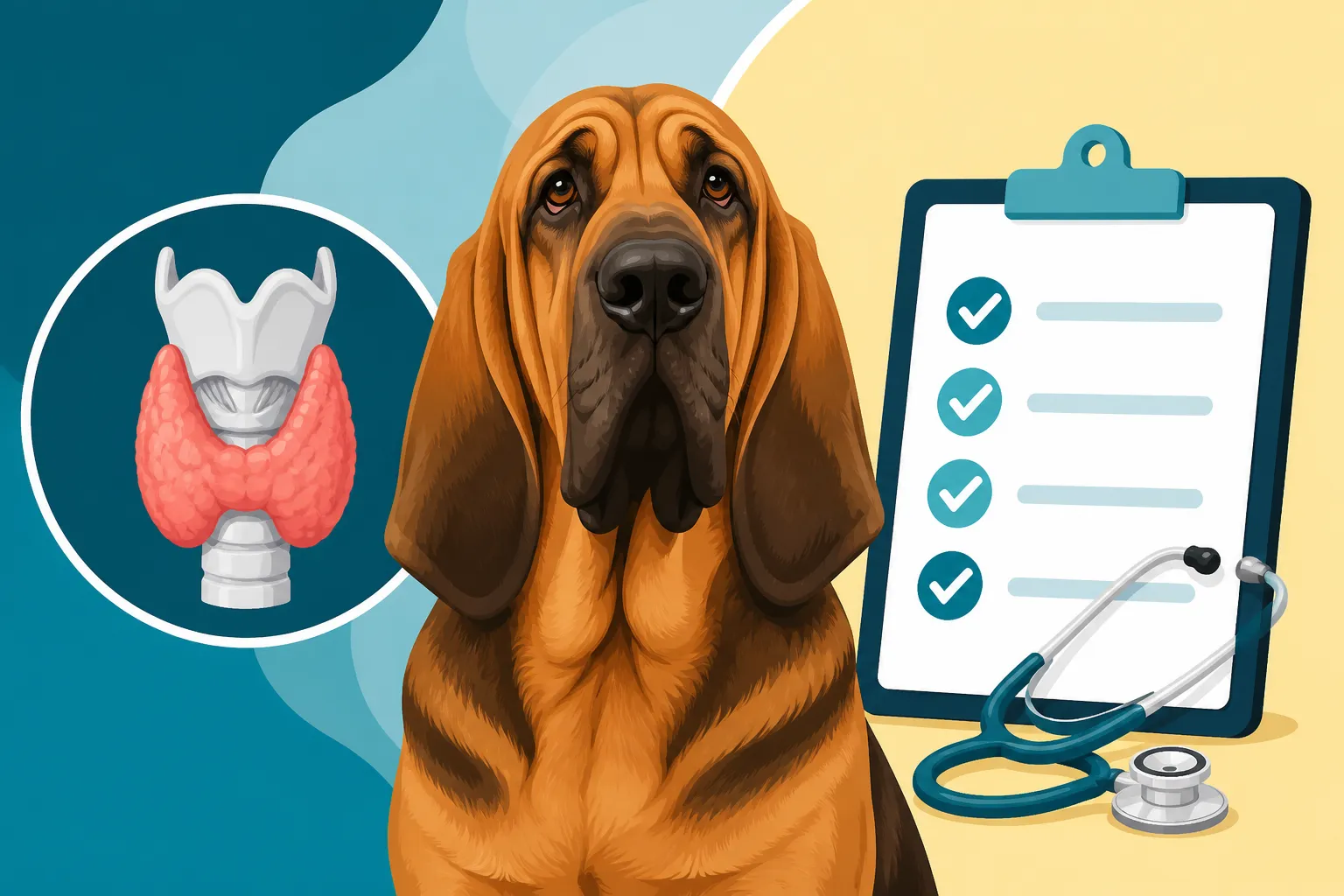
Whether a Bloodhound’s Thyroid Should Be Tested Yearly
It’s a common worry for us Bloodhound owners, isn't it? Our magnificent hounds are such stoic creatures, and sometimes it feels like they hide their discomfort until it's really advanced. One of the quiet health concerns that can creep up is thyroid imbalance, and figuring out how often to test for it can feel like navigating a maze of conflicting advice. This guide is here to break down why regular thyroid testing, specifically yearly, is a topic worth discussing with your vet and what it truly means for your beloved Bloodhound.
The Silent Impact of Thyroid Imbalance on Bloodhounds
The thyroid gland, a small but mighty organ located in your Bloodhound's neck, acts as the master regulator of their metabolism. It produces hormones that influence just about every system in their body – from their energy levels and coat health to their weight and even cognitive function. When this delicate balance is off, especially when it's underactive, which we call hypothyroidism, the effects can be widespread and incredibly subtle, often mimicking other issues or simply being written off as "aging."
For a breed like the Bloodhound, already prone to specific health challenges, adding an undiagnosed thyroid issue to the mix can complicate things immensely. Imagine your normally tireless trail buddy becoming sluggish, gaining weight despite no change in diet, or developing a dull, thinning coat that just won't shine. These aren't just cosmetic issues; they point to a fundamental disruption in their body's engine. Early detection is key to preserving their quality of life and preventing more serious secondary problems that can arise when the thyroid isn't doing its job.
Hypothyroidism in a Bloodhound can manifest in ways that are easily overlooked. It’s not always a dramatic collapse; sometimes it’s just a gradual decline in their usual zest for life. They might seem less interested in their walks, sleep more, or become a bit more withdrawn. Their coat might feel dry and brittle, or you might notice patches of hair loss, particularly on their flanks or tail. Weight gain is another classic sign, and it's particularly frustrating when you're already trying to keep your Bloodhound lean to protect their joints and overall health. Don't dismiss these as just "getting older" – sometimes, they're the quiet pleas of a thyroid that needs attention.
Why Annual Thyroid Screening is a Smart Move for Your Bloodhound
Given the quiet nature of hypothyroidism and its potential to mimic other conditions, annual thyroid screening for your Bloodhound isn't just a precautionary measure; it's a proactive cornerstone of their long-term health plan. Think of it as establishing a "normal" baseline for your individual hound. Every dog is different, and what's normal for one Bloodhound might be slightly off for another. Regular testing allows your veterinarian to track any subtle shifts in hormone levels over time, catching a problem long before overt symptoms appear and become severe.
Starting annual testing around the age of two or three is often recommended, as this is when some breeds begin to show signs of thyroid dysfunction. However, it's never too late to begin, especially if you've adopted an adult Bloodhound and don't have a full health history. Your vet can conduct a simple blood test, often part of their routine annual wellness panel. This involves checking various thyroid hormone levels, such as total T4, free T4, and TSH. Getting these numbers year after year creates a powerful historical record, making it easier to spot trends that might indicate an impending issue. Catching hypothyroidism early can mean a much easier, less expensive treatment plan in the long run, and a quicker return to your Bloodhound's happy, healthy self.
The economic argument for preventive care also holds weight here. While an annual blood test has a cost, it pales in comparison to the expense of treating complications that can arise from advanced, undiagnosed hypothyroidism. Skin infections, severe lethargy, and even cardiac issues can all be secondary effects of an unchecked low thyroid. Furthermore, if you have pet insurance, comprehensive policies from providers like Healthy Paws often cover diagnostic testing when medically indicated, potentially easing the financial burden of these essential screenings. Knowing that you're staying ahead of potential problems can offer immense peace of mind.
What to Expect From Thyroid Testing and Subsequent Steps
The process of getting your Bloodhound's thyroid tested is fairly straightforward. During an annual check-up, your veterinarian will typically draw a small blood sample. This is usually done quickly and painlessly, often from a vein in the leg. The blood is then sent to a specialized laboratory for analysis. Depending on the lab and your clinic, results usually come back within a few days to a week.
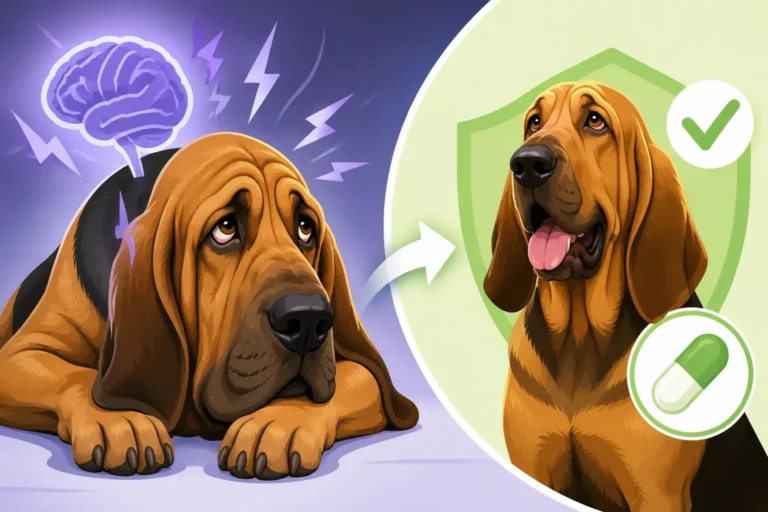
Once the results are in, your vet will review them with you. They'll look at the levels of various thyroid hormones. The most common tests include Total T4 (Thyroxine), which is the primary hormone produced by the thyroid gland, and Free T4, which measures the active, unbound form of the hormone. They might also check TSH (Thyroid Stimulating Hormone) levels, which tells them how hard the pituitary gland is working to stimulate the thyroid. If these levels indicate hypothyroidism, your vet will discuss treatment options. This usually involves daily oral medication, such as levothyroxine, which is a synthetic thyroid hormone designed to replace what your Bloodhound's body isn't producing enough of. The good news is that this medication is generally very effective and relatively inexpensive, often starting at a few dollars a month.
| Aspect | Annual Thyroid Testing (Proactive) | Waiting for Symptoms (Reactive) |
|---|---|---|
| Detection Time | Early, often before noticeable symptoms | Only once symptoms are apparent and advanced |
| Health Outcome | Preventative, maintains quality of life | Treats existing problems, potential for complications |
| Treatment Ease | Generally straightforward, lower dosage | May require higher initial dosage, longer recovery |
| Associated Costs | Regular blood test fee | Initial blood test + treating advanced symptoms (skin issues, etc.) |
| Bloodhound's Comfort | Less impact on daily life | Significant discomfort before diagnosis |
| Monitoring | Establishes baseline for long-term health | Begins from a point of dysfunction |
After starting medication, your Bloodhound will need follow-up blood tests, often within 4-8 weeks, to ensure the dosage is correct. This is critical because under-dosing won't resolve the problem, and over-dosing can lead to issues like hyperthyroidism. Once a stable dose is found, testing might be reduced to once or twice a year, depending on your Bloodhound's individual needs and response to treatment. Living with a hypothyroid Bloodhound on medication is usually quite manageable. Most dogs respond wonderfully to treatment, regaining their energy, improving their coat, and normalizing their weight. It becomes a simple part of their daily routine, much like administering heartworm or flea preventatives.
The Case for Proactive Testing Versus Waiting for Symptoms
It's a valid question many Bloodhound owners wrestle with: Is yearly thyroid testing really necessary if my dog seems perfectly fine? Or should I just wait for the signs of a problem to appear before I take action? It's easy to feel like we're over-medicalizing our pets, and the thought of an "unnecessary" vet bill can be a deterrent. However, the unique nature of Bloodhound health, particularly their susceptibility to certain conditions and their stoic demeanor, often makes a strong case for proactive care.
The difficulty with waiting for symptoms is that by the time they're undeniably obvious, the underlying condition has often been present for a while, potentially causing a slow decline in your Bloodhound's health and comfort. Early signs, as we discussed, are often vague: a bit of lethargy, a dull coat, or a subtle weight gain. These can easily be attributed to normal aging, especially for a Bloodhound whose Aging in a Bloodhound Starts at Six and who might just seem to "slow down." Many owners don't realize that Signs a Bloodhound's Thyroid Is Low can be so subtle. When caught early, before significant clinical signs develop, the treatment is typically more straightforward and yields faster, more complete results. Waiting means potentially managing secondary issues that have developed, which can be more complex and costly to resolve.
Consider the potential for risk factors. Some Bloodhounds might have a family history of thyroid issues, or perhaps they have other autoimmune conditions that could predispose them to hypothyroidism. If your Bloodhound is on certain medications, or has other health issues, your veterinarian might recommend more frequent monitoring. This is where the personalized care from your vet comes in, tailoring a plan that considers all aspects of your Bloodhound's health. Pet insurance policies, like those from Healthy Paws, are designed to help with unexpected health issues and often cover the costs of diagnostics that lead to a diagnosis, further supporting the choice for proactive screening. It's about weighing the minor inconvenience and cost of an annual blood draw against the potentially significant impact of untreated Hypothyroidism in a Bloodhound on their overall well-being and longevity. Making an informed decision with your vet is paramount to ensure your Bloodhound leads the healthiest, happiest life possible.
Beyond the Test: Managing a Bloodhound's Thyroid Health
Getting a diagnosis of hypothyroidism isn't a death sentence for your Bloodhound; in fact, it's often a relief because it provides a clear path to improvement. Once your Bloodhound is on the correct dose of thyroid medication, you should start to see positive changes within a few weeks. Their energy levels often rebound, their coat condition improves dramatically, and they might even shed some of that stubborn weight they gained, as Whether a Hypothyroid Bloodhound Gains Weight is a common concern. It's truly amazing how a small daily pill can transform a dog that was feeling "off" back into their vibrant, scent-driven self.
However, management doesn't stop with the initial prescription. Thyroid medication is typically a lifelong commitment. Consistent daily dosing is essential, and those regular follow-up blood tests are non-negotiable to ensure the medication is still working effectively. Over time, your Bloodhound's needs might change, requiring a dosage adjustment, especially as they age or if other health conditions develop. Your vet will guide you on the frequency of these rechecks, which may be every six months to a year once stable. It's also important to remember that while the medication treats the symptoms, it doesn't cure the underlying cause of the low thyroid, so vigilance is always required.
Beyond medication, maintaining a healthy lifestyle plays a crucial role. A balanced diet, appropriate exercise (which might be easier for them once their energy returns!), and regular vet check-ups for their overall health remain vital. You’ll find that as their internal systems normalize, other aspects of their care, such as managing Skin Fold Dermatitis on a Bloodhound or keeping an eye on A Bloodhound's Ears Are a Standing Infection Risk, might even become a bit easier, as a healthy metabolism supports a stronger immune system and healthier skin and coat. It’s all interconnected, and managing one aspect of their health often has ripple effects throughout their entire well-being, contributing to their overall lifespan.
Weighing the Benefits: Prevention and Peace of Mind
Ultimately, the decision of whether to pursue annual thyroid testing for your Bloodhound rests with you, in close consultation with your veterinarian. However, for a breed like the Bloodhound, known for its deep chest and potential for other significant health concerns like bloat (as discussed in Bloat Is What Kills Most Bloodhounds) and various orthopedic issues (like Hip and Elbow Dysplasia in the Bloodhound), adding another layer of proactive health screening just makes good sense. We spend so much time and effort trying to protect them from critical emergencies and chronic pain; a simple blood test can prevent a slow decline in their metabolic health.
The benefits truly extend beyond just treating a potential illness. Early detection means less suffering for your dog, fewer confusing symptoms for you to try and decipher, and often a more straightforward and less costly treatment journey. It provides invaluable peace of mind, knowing that you're doing everything you can to stay on top of their health, not just reacting when problems become too big to ignore. For many Bloodhound owners, this proactive approach is simply another way to honor the commitment they’ve made to these wonderful, sensitive hounds. Ensuring their thyroid is functioning optimally helps them maintain their incredible scenting abilities, their gentle disposition, and their overall quality of life for as long as possible. The goal is always to keep them thriving, exploring, and bringing joy to our lives, without the silent burden of an easily treatable condition.
Disclaimer
This article is intended for informational purposes only and is not a substitute for professional veterinary advice, diagnosis, or treatment. Always seek the advice of your veterinarian or other qualified health provider with any questions you may have regarding a medical condition or treatment for your Bloodhound.