The Age a Bloodhound’s Hips Are X-Rayed
Bringing a new Bloodhound into your life is an absolute joy, but it also comes with a unique set of worries, especially regarding their well-being. One major concern for owners of these magnificent, heavy-boned dogs is the health of their hips, and knowing when and how to screen for potential issues like hip dysplasia can feel overwhelming. This comprehensive guide will walk you through the recommended age for getting your Bloodhound's hips X-rayed, the different screening methods available, and what these results truly mean for your beloved companion.
Understanding Hip Dysplasia in Bloodhounds
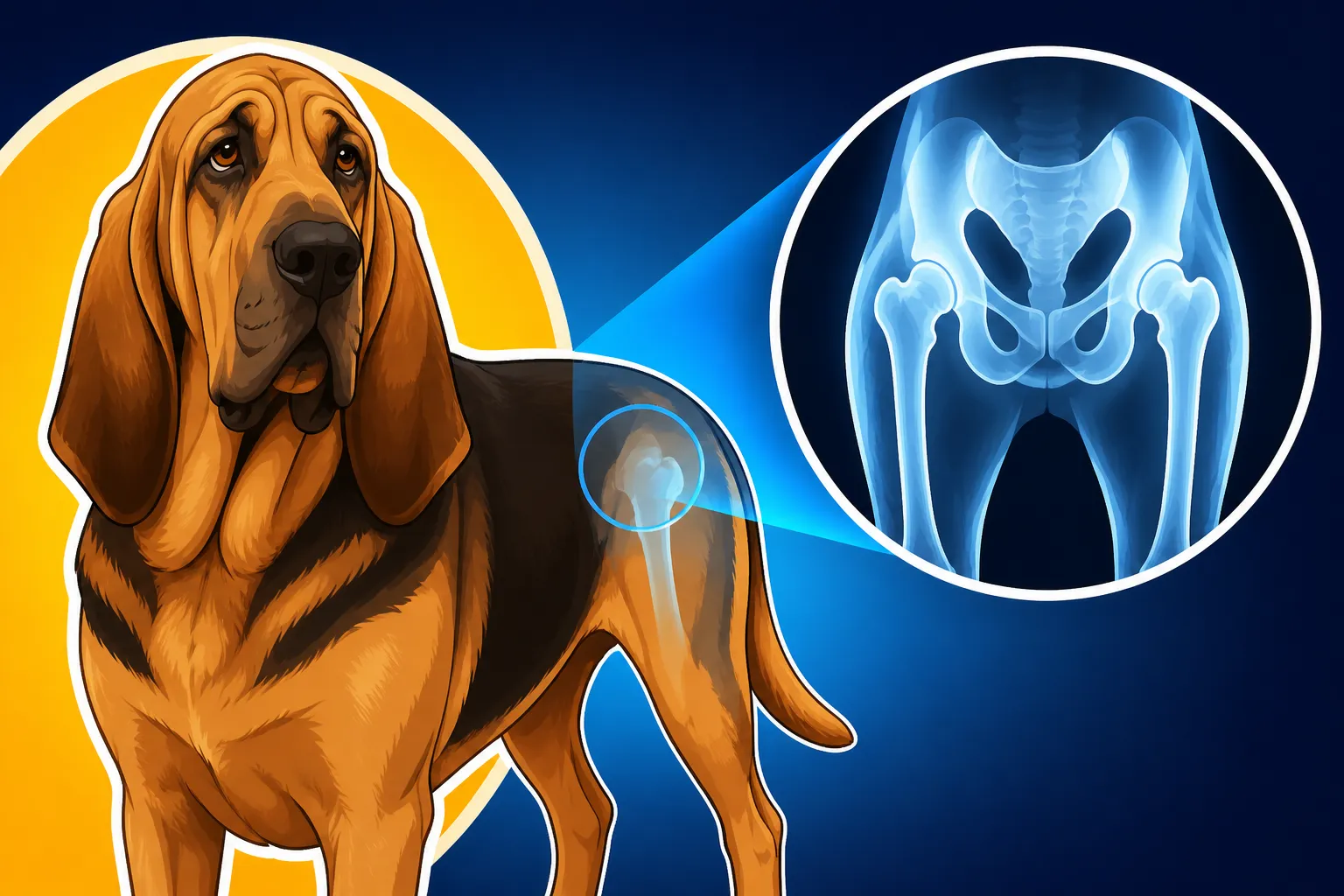
First, let's talk about why we even need to consider X-raying a Bloodhound's hips. Hip dysplasia is a developmental condition where the hip joint doesn't form correctly, leading to a loose joint that can cause pain, lameness, and eventually degenerative joint disease (arthritis). It’s a common ailment in large breed dogs, and unfortunately, Bloodhounds are no exception. Their sheer size and weight put extra strain on their joints, making them particularly susceptible.
What Exactly Is Hip Dysplasia?
Imagine a ball and socket joint, like your shoulder or hip. In a healthy hip, the "ball" (the head of the femur, or thigh bone) fits snugly and smoothly into the "socket" (the acetabulum, part of the pelvis). With hip dysplasia, this fit isn't quite right. The socket might be too shallow, the ball might be flattened or malformed, or the ligaments holding them together might be too loose. This poor fit causes the bones to rub and grind against each other instead of gliding smoothly, leading to wear and tear. Over time, this friction damages the cartilage, irritates the joint capsule, and causes the body to try to stabilize the joint by laying down new bone, which ultimately leads to painful arthritis.
For a Bloodhound, a breed known for its substantial bone structure and often rapid growth, this improper development can start very early in life. While some dogs might show clear signs of discomfort as puppies, others can mask the pain for years, making regular screening even more vital. Understanding the mechanics of this condition is the first step in appreciating why preventive measures and early detection are so crucial for a Bloodhound's long-term comfort and mobility.
Why Bloodhounds Are Predisposed
Bloodhounds, with their deep chests, powerful hindquarters, and often impressive weight, naturally carry a lot of mass that puts considerable stress on their hip joints. The genetics play a significant role, passed down from parents to offspring. Reputable breeders work diligently to reduce the incidence of hip dysplasia in the breed through careful screening, but it's a complex polygenic trait, meaning multiple genes are involved, and environmental factors can also influence its expression.
Beyond genetics, external factors during a Bloodhound's crucial growth phases can exacerbate any underlying predisposition. Things like rapid growth spurts (often due to overfeeding or a diet too high in calories and calcium for a large breed puppy), excessive or inappropriate exercise (like jumping or long, forced runs before their joints are fully mature), and even slippery surfaces can contribute to the development or worsening of hip dysplasia. It's a challenging balance to strike, as you want your Bloodhound puppy to be active and happy, but without putting undue strain on their developing skeletal system. This is why discussions around Hip and Elbow Dysplasia in the Bloodhound are so common among owners and breeders alike.
Signs and Symptoms to Watch For
Even before you get those official X-rays, keeping a close eye on your Bloodhound's movements can give you clues. Early signs might be subtle: a slight limp after exercise, reluctance to jump or climb stairs, a "bunny hop" gait where they move both hind legs together, or difficulty getting up after lying down. You might also notice a decrease in activity level or a change in their personality, as chronic pain can make even the most good-natured Bloodhound irritable or withdrawn.
As the condition progresses and arthritis sets in, these symptoms often become more pronounced. Muscle atrophy in the hindquarters can occur as the dog shifts weight off the painful joint, and you might hear clicking or popping sounds when they move. While some Bloodhounds are incredibly stoic and hide their pain well, persistent observation is key. If you notice any of these signs, even in a young puppy, it's worth discussing with your veterinarian immediately, as earlier intervention often leads to better long-term management.
The Standard Age for Hip X-Rays
When it comes to officially screening for hip dysplasia, there's a widely accepted "golden age" that most veterinary orthopedic organizations recommend. This age is chosen because by this point, a dog's skeletal system, particularly the hip joints, is considered mature enough to give a reliable assessment of joint health.
The 24-Month Mark for Official Certifications
For recognized certifications from organizations like the Orthopedic Foundation for Animals (OFA), a Bloodhound must be at least 24 months (two years) of age before their hip X-rays can be submitted for a definitive evaluation. This two-year age requirement is critical. Before this, a dog's growth plates may still be open, and the hip joints are still developing and firming up. An X-ray taken too early might show laxity that could improve as the dog matures, or it might miss subtle issues that become more apparent later.
Submitting X-rays for OFA certification means a panel of three independent, board-certified veterinary radiologists review them. They look for specific indicators of hip dysplasia, grading the hips on a scale from Excellent to Dysplastic. This official certification is especially important for anyone considering breeding their Bloodhound, as it provides an objective measure of hip health, allowing breeders to make informed decisions aimed at improving the breed's overall health. Many breeders will only consider breeding animals that receive an OFA rating of "Good" or "Excellent."
Why This Age Is Chosen
The rationale behind the 24-month rule is rooted in canine skeletal development. While Bloodhounds might look fully grown long before their second birthday, their bones and joints are still undergoing significant changes. The growth plates, areas of cartilage at the ends of long bones that facilitate growth, typically close by around 12-18 months in large breeds, but the density and stability of the joint structures continue to mature for several more months.
By waiting until two years of age, veterinarians and radiologists can assess a fully mature hip joint. This minimizes the chance of a false positive (diagnosing dysplasia when the joint might still tighten up) or a false negative (missing early signs that become clearer later). It provides the most accurate snapshot of the permanent structural integrity of the hip joint. This waiting period can feel long for an eager owner, but it's a small price to pay for the most reliable information on your Bloodhound's lifelong joint health.
Earlier Screening Possibilities PennHIP
While OFA requires a dog to be two years old for final certification, another method, PennHIP, offers the ability to assess hip laxity in dogs as young as 16 weeks (4 months). PennHIP stands for the University of Pennsylvania Hip Improvement Program, and it uses a different set of X-ray views to measure how loose the hip joints are. This measurement, called the Distraction Index (DI), is a strong predictor of a dog's susceptibility to developing hip dysplasia.
For Bloodhound owners, this earlier screening can be incredibly valuable. If a puppy shows significant laxity at a young age, it allows owners to implement preventative measures earlier, such as careful nutrition, controlled exercise, and even discuss potential early interventions with their vet. It also provides breeders with crucial information about their breeding stock much sooner than OFA allows, helping them make more timely decisions. While it doesn't replace the 24-month OFA final certification for some breeders, it offers an important tool for proactive management and early risk assessment. The question of Whether PennHIP or OFA Suits a Bloodhound often comes down to individual preference and breeding goals.
OFA and PennHIP: Two Approaches to Hip Health
When you decide to have your Bloodhound's hips X-rayed, you'll likely encounter these two primary methods: the Orthopedic Foundation for Animals (OFA) and the University of Pennsylvania Hip Improvement Program (PennHIP). Both aim to assess hip quality, but they do so with different philosophies, techniques, and age requirements. Understanding these differences is key to making an informed decision with your veterinarian.
Detailed Breakdown of OFA Certification Process and Scores
The OFA method involves taking a single, standard X-ray view of your dog's hips with them positioned on their back, legs extended straight and parallel. This is known as the "VD-extended" view. For this procedure, your Bloodhound will need to be sedated or anesthetized to ensure proper positioning, which is absolutely crucial for an accurate reading. Any rotation or misalignment can significantly alter the appearance of the joint space and lead to an incorrect assessment.
Once the X-rays are taken by your veterinarian, they are submitted to the OFA, where they are reviewed by three independent, board-certified veterinary radiologists. These radiologists then assign one of seven possible ratings based on specific morphological criteria: Excellent, Good, Fair (all considered "pass" ratings for breeding), Borderline, Mild, Moderate, or Severe (the last three being dysplastic). A "passing" score of Fair, Good, or Excellent at 24 months of age or older means your Bloodhound's hips are structurally normal and acceptable for breeding. The OFA provides a comprehensive breakdown of What an OFA Hip Score Means for a Bloodhound, which is incredibly helpful for understanding the nuances of each grade.
One of the benefits of OFA is its long-standing history and extensive database, which can be useful for looking at the hip health of a Bloodhound's ancestors and littermates. However, some critics argue that the extended view can sometimes mask mild laxity, as stretching the legs can artificially create a tighter-looking joint.
Detailed Breakdown of PennHIP Evaluation and Distraction Index
PennHIP takes a more quantitative approach to evaluating hip health. It involves taking three distinct X-ray views, typically under heavy sedation or general anesthesia:
- Distraction View: This view measures the maximum passive laxity (looseness) of the hip joint. A special device is used to gently push the femoral heads out of the sockets, and the resulting gap is measured. This is expressed as the Distraction Index (DI).
- Compression View: This view assesses the "tightness" of the hip joint when the femoral heads are seated firmly in the sockets.
- Hip Extended View: Similar to the OFA's primary view, this allows for evaluation of the hip joint for signs of degenerative joint disease.
The key to PennHIP is the Distraction Index (DI), which is a numerical measure (ranging from 0 to 1) of hip laxity. A DI closer to 0 indicates very tight hips, while a DI closer to 1 indicates very loose hips. Dogs with DIs greater than 0.3 are considered at higher risk for developing hip dysplasia. The results are compared to the DI values of other dogs within the same breed, providing a percentile ranking. This allows for a more objective and often earlier assessment of hip quality. PennHIP-certified veterinarians undergo special training to perform these specific X-rays accurately.
Comparing the Two Methods for Bloodhounds
Choosing between OFA and PennHIP for your Bloodhound often comes down to individual goals and veterinarian recommendations. Here's a quick comparison:
| Feature | OFA (Orthopedic Foundation for Animals) | PennHIP (University of Pennsylvania Hip Improvement Program) |
|---|---|---|
| Minimum Age | 24 months (for final certification) | 16 weeks (4 months) |
| Views Taken | One standard VD-extended view | Three views: Distraction, Compression, Hip Extended |
| Assessment | Qualitative (subjective review by radiologists) | Quantitative (Distraction Index (DI) measurement) |
| Results | Graded (Excellent, Good, Fair, Borderline, Mild, Moderate, Severe) | Numerical (Distraction Index, percentile rank compared to breed) |
| Predictive Power | Good for identifying existing dysplasia at 24 months | Excellent for predicting future risk of hip dysplasia, even in puppies |
| Cost | Generally lower per submission due to fewer views and standard vet fees for X-rays. | Often higher due to specialized training for vets and specific equipment, plus multiple views. |
| Certification | Widely recognized and often required by breed clubs for breeding. | Gaining recognition, offers earlier data for breeders and pet owners. |
For a breed like the Bloodhound, prone to joint issues, both methods offer valuable insights. Many breeders opt for PennHIP screening on puppies to get an early indication of hip quality and then follow up with OFA certification at two years of age to meet breed club requirements. This dual approach provides the most comprehensive picture of a Bloodhound's hip health.
What the X-Ray Results Mean for Your Bloodhound
Receiving the results of your Bloodhound's hip X-rays can bring a mix of emotions, from relief to concern. Understanding what these grades or numbers actually mean is crucial for making the best decisions for your dog's future, whether they're a beloved family pet or a potential breeding animal.
Interpreting Scores and Grades
If you went the OFA route, your Bloodhound will receive a grade of Excellent, Good, Fair, Borderline, Mild, Moderate, or Severe. An "Excellent" rating means near-perfect hips, with very tight, well-formed joints. "Good" and "Fair" are also considered healthy for breeding purposes, indicating normal hip conformation, though "Fair" might have slightly wider joint spaces. "Borderline" is ambiguous; the hips are almost normal but have some minor changes. Often, the OFA will recommend re-X-raying in 6-12 months for a definitive answer. "Mild," "Moderate," and "Severe" indicate progressively worsening degrees of hip dysplasia, meaning the dog should not be bred.
With PennHIP, you'll get a Distraction Index (DI) number for each hip and a percentile ranking. A lower DI number (closer to 0) means tighter hips and less risk of dysplasia. A DI of 0.3 or less is generally considered excellent, while higher numbers indicate increasing laxity and risk. The percentile ranking tells you how your Bloodhound compares to other Bloodhounds in the PennHIP database. For example, a dog in the 90th percentile for its breed has tighter hips than 90% of other Bloodhounds tested. These objective measurements are a powerful tool, especially when considering Whether a Bloodhound With Fair Hips Should Be Bred.
Implications for Pet Bloodhounds
For a Bloodhound destined to be a family companion, positive X-ray results (Excellent, Good, Fair, or a low DI) mean you can breathe a sigh of relief. While no dog is completely immune to joint issues later in life, these results indicate a strong foundation. You can continue with appropriate exercise, maintain a healthy weight, and feel confident that you've done your due diligence in understanding their health. This also reduces the likelihood of costly interventions down the road.
If the results indicate Borderline or dysplastic hips, it's not the end of the world, but it does mean a more proactive approach to their care is needed. Your veterinarian will work with you to develop a management plan, which might include:
- Weight Management: Keeping your Bloodhound lean is paramount to reduce stress on the joints.
- Controlled Exercise: Avoid high-impact activities like jumping or aggressive fetch. Instead, focus on low-impact exercises like swimming, consistent leash walks, and gentle trailing activities.
- Supplements: Glucosamine, chondroitin, and omega-3 fatty acids can help support joint health and reduce inflammation.
- Pain Management: For more severe cases, anti-inflammatory medications or other pain relievers may be necessary, especially as arthritis progresses.
- Physical Therapy: Techniques like hydrotherapy, massage, and therapeutic exercises can significantly improve comfort and mobility.
- Surgery: In some severe cases, surgical interventions (like triple pelvic osteotomy in young dogs or total hip replacement in older dogs) might be considered, though these are major procedures.
Knowing early means you can take steps to slow the progression of arthritis and keep your Bloodhound comfortable and active for as long as possible. Pet insurance can be a huge help here, as many owners find peace of mind with providers like Healthy Paws when facing potential long-term medical needs.
Implications for Breeding Bloodhounds
For Bloodhound breeders, hip X-ray results are a cornerstone of responsible breeding practices. Only Bloodhounds with passing OFA scores (Excellent, Good, or Fair) or favorable PennHIP DIs should be considered for breeding. This is a crucial part of the American Bloodhound Club's recommendations and helps prevent passing on genetic predispositions to future generations. Whether a Bloodhound Should Be Screened Before Breeding isn't just a suggestion; it's an ethical imperative.
Breeding dogs with dysplastic hips significantly increases the likelihood that their puppies will also inherit the condition. While hip dysplasia is complex and not solely genetic, responsible breeders strive to minimize all known risks. Using certified dogs helps improve the overall health of the breed over time. A transparent breeder will be happy to show you the OFA or PennHIP certificates for both parents of any puppy you're considering. This commitment to health screening is a hallmark of quality breeding.
Beyond X-Rays: Managing Hip Health Proactively
Getting those hip X-rays is a vital step, but it's really just one piece of the puzzle when it comes to ensuring your Bloodhound enjoys a long, comfortable life. Proactive management of their overall joint health starts from puppyhood and continues throughout their senior years. It involves a holistic approach that extends beyond medical screenings.
Nutrition and Weight Management
One of the most impactful things you can do for your Bloodhound's joints, regardless of their X-ray results, is to maintain a healthy weight. Extra pounds put immense strain on the hips and other joints, accelerating wear and tear and exacerbating any existing conditions like dysplasia or arthritis. It’s absolutely critical to keep your Bloodhound lean, especially during their growth phase and into adulthood.
Feed a high-quality, large-breed puppy formula that supports slow, steady growth rather than rapid weight gain. Rapid growth in large breed puppies has been linked to an increased risk of orthopedic problems. Be mindful of calorie intake and avoid overfeeding. Many owners find it helpful to measure food precisely rather than free-feeding. As they age, monitor their body condition closely. You should be able to feel their ribs easily without seeing them, and they should have a discernible waist when viewed from above. If you're unsure about your Bloodhound's ideal weight or diet, your veterinarian can provide tailored advice. This is especially important given concerns like Whether Overfeeding a Bloodhound Puppy Harms Its Joints.
Appropriate Exercise Regimen
For a breed as energetic and driven as the Bloodhound, appropriate exercise is key. While they need mental and physical stimulation, particularly through scent work, high-impact activities should be approached with caution, especially in young, growing dogs. Avoid repetitive jumping, long runs on hard surfaces, or intense, uncontrolled play that involves sudden stops and twists. These types of movements can put excessive stress on immature joints.
Instead, focus on low-impact activities. Consistent, moderate leash walks are excellent. Swimming is a fantastic option as it provides cardiovascular exercise without any impact on the joints. Scent work, such as mantrailing, is perfect for Bloodhounds because it engages their minds and natural instincts while often being a low-impact physical activity. As your Bloodhound ages, especially if they have any degree of hip or elbow dysplasia, adjusting their exercise routine to accommodate their comfort levels becomes even more important. Whether Arthritis Slows a Bloodhound at Six is a common concern, and proper exercise helps manage it.
Supplements and Other Therapies
Many Bloodhound owners explore joint supplements as a proactive measure or as part of a management plan for existing joint issues. Common ingredients found in joint supplements include:
- Glucosamine and Chondroitin: These are natural components of cartilage and are believed to help maintain its health and elasticity.
- Omega-3 Fatty Acids (Fish Oil): These have anti-inflammatory properties that can help reduce joint pain and stiffness.
- MSM (Methylsulfonylmethane): Another compound thought to reduce inflammation and support joint health.
- Green-Lipped Mussel: A natural source of glucosamine, chondroitin, and omega-3s, often praised for its anti-inflammatory effects.
Before adding any supplements to your Bloodhound's diet, always consult with your veterinarian. They can help you determine the appropriate dosage and ensure there are no contraindications with other medications or health conditions. Beyond supplements, other therapies like acupuncture, chiropractic care, and physical rehabilitation (including hydrotherapy) are gaining popularity for managing chronic joint pain and improving mobility in dogs. These complementary approaches can be incredibly beneficial for enhancing your Bloodhound's quality of life.
Planning for Potential Health Issues
Even with the best breeding, nutrition, and exercise, Bloodhounds, like all purebred dogs, can face specific health challenges. Preparing for these possibilities is an important part of responsible dog ownership.
The Role of Pet Insurance
Pet insurance has become an invaluable tool for many Bloodhound owners, offering a financial safety net against unexpected veterinary costs. Given the breed's predisposition to orthopedic issues, bloat, and other conditions that can require expensive emergency or ongoing care, a good pet insurance policy can save you from making difficult financial decisions during a crisis.
When choosing a policy, look for one that covers hereditary and congenital conditions, as hip dysplasia often falls into these categories. Understand the deductible, reimbursement percentage, and any annual limits. It’s often best to enroll your Bloodhound when they are young, before any pre-existing conditions are diagnosed, as most policies will not cover conditions that were present before enrollment or the waiting period. Many owners attest that investing in pet insurance from a reputable provider like Healthy Paws has allowed them to pursue the best possible care for their Bloodhound without the added stress of crushing veterinary bills. It’s worth exploring Whether Pet Insurance Is Worth It on a Bloodhound for your situation.
Emergency Funds and Savings
Even if you have pet insurance, it’s wise to maintain an emergency fund specifically for your Bloodhound. Most pet insurance policies have deductibles and may not cover 100% of the costs. Moreover, there can be waiting periods before certain conditions are covered, and some unexpected issues might not fall under your policy’s umbrella.
An emergency fund can cover things like a deductible, a sudden visit to an emergency vet clinic for something minor not worth an insurance claim, or therapies not covered by your policy. Having easily accessible funds means you can act quickly and decisively if your Bloodhound faces a medical emergency, such as bloat, which can be life-threatening and require immediate, expensive surgery. For many large breed owners, this financial cushion provides immense peace of mind.
Regular Veterinary Check-ups
Routine veterinary care is not just about vaccinations; it's about building a relationship with a healthcare team that knows your Bloodhound. Regular check-ups allow your vet to monitor your dog's weight, gait, joint mobility, and overall health. They can catch subtle changes early, provide guidance on nutrition and exercise as your Bloodhound ages, and recommend appropriate screenings.
These visits are also an opportunity to discuss any concerns you might have, from behavioral changes to slight limps that might not seem significant to you but could be early indicators of a developing problem. Early detection and intervention are often key to better outcomes for many health conditions, including those affecting the hips and joints. Your vet is your best partner in ensuring your Bloodhound remains happy and healthy throughout their life.
Disclaimer
The information provided in this article is for educational purposes only and is not a substitute for professional veterinary advice. Always consult with a qualified veterinarian for any health concerns or before making any decisions related to your Bloodhound's care and treatment.