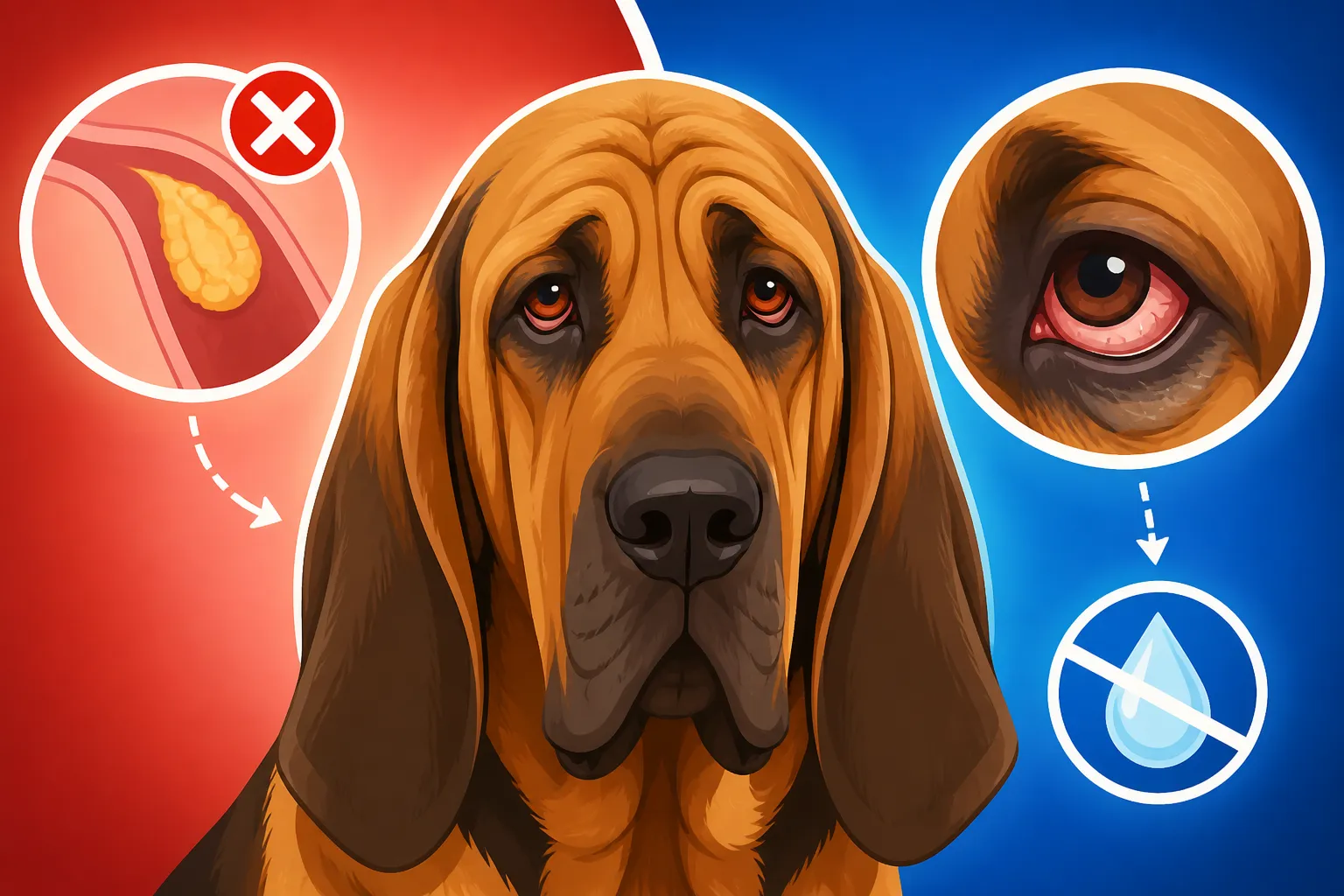
Whether Removing a Bloodhound’s Tear Gland Causes Dry Eye
One of the most heartbreaking worries for any Bloodhound owner is seeing their beloved companion in discomfort, especially when it comes to their expressive, soulful eyes. Many of us have faced the alarming sight of a red, swollen mass peeking out from the corner of their eye, often diagnosed as "cherry eye," and the question inevitably arises: will removing the offending tear gland lead to a lifetime of dry, painful eyes for our hound? This guide is here to shed light on this very real concern, explaining why protecting that gland is paramount and what happens if it's lost.
The Delicate Balance of a Bloodhound's Eye Health
Our Bloodhounds are truly unique, isn't that right? Their majestic, wrinkled faces, those long, droopy ears, and especially their famously loose eyelids, all contribute to their incredible scenting ability and distinctive, endearing appearance. But these very characteristics, while charming, also make them predisposed to a range of eye conditions that can be a real headache, and often a financial burden, for us owners. It's a constant tightrope walk between appreciating their breed traits and proactively managing the health challenges that come with them.
Why Bloodhounds Are Prone to Eye Issues
Let's be honest, those beautiful, droopy lower eyelids, often referred to as the "haw," are a hallmark of the Bloodhound. But while they might add to their soulful expression, they also leave the delicate surface of the eye more exposed to environmental irritants like dust, pollen, and even the everyday debris our hounds stir up with their powerful noses. This increased exposure can lead to chronic irritation, redness, and a higher risk of developing certain conditions. It's not uncommon to see a Bloodhound with a bit of redness or discharge, and it can be hard to tell what's "normal Bloodhound eye stuff" and what's a sign of a real problem. Understanding What Ectropion Looks Like on a Bloodhound helps differentiate between a typical appearance and a genuine medical issue.
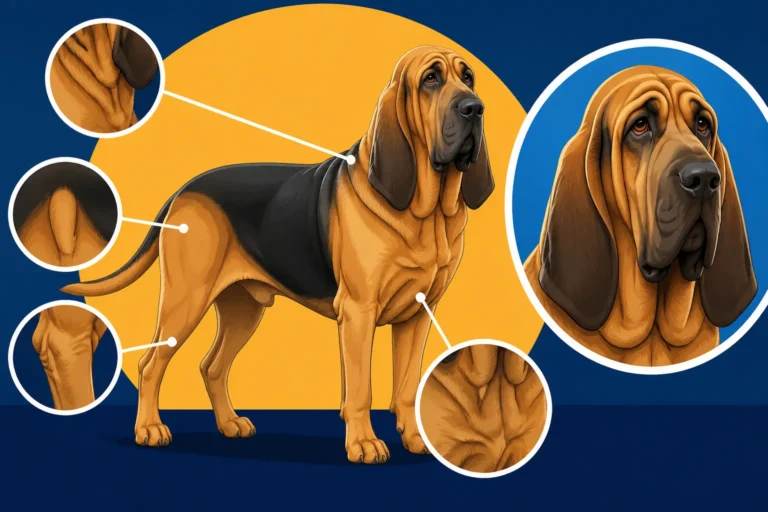
Beyond the visible structure, the sheer amount of skin on a Bloodhound's face, those deep wrinkles and folds, can sometimes direct moisture and debris towards the eyes, creating a constantly damp environment where bacteria can thrive. It's a constant battle to keep their faces clean and dry, and it often feels like we're always wiping something away. This delicate balance means that any intervention, especially surgical ones, needs careful consideration, because one wrong move can disrupt the entire system.
The Vital Role of Tear Production
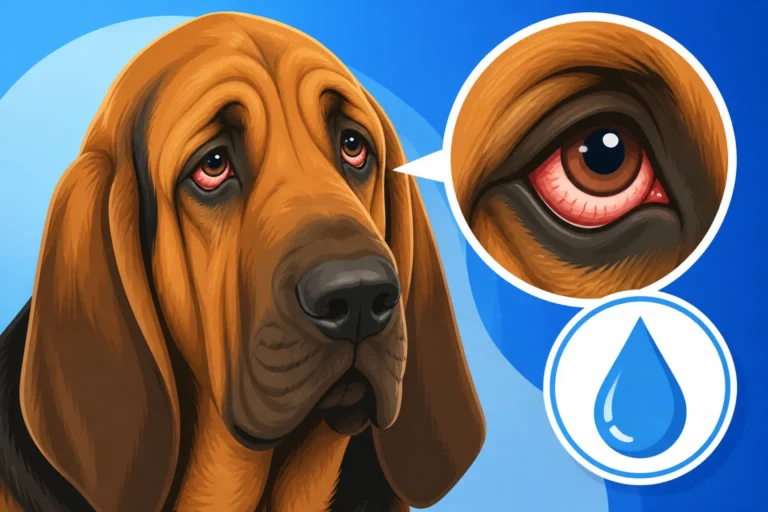
Tears are so much more than just salty water. They are a complex cocktail of water, oils, and mucus, all working together to keep the eyes healthy. The watery component, produced by the lacrimal glands (one above the eye, one in the third eyelid), washes away debris and provides essential oxygen and nutrients to the cornea. The oily layer, from glands in the eyelids, helps prevent tears from evaporating too quickly, keeping the eye lubricated. And the mucus layer helps the tears spread evenly across the eye's surface.
Without adequate tear production, the eye becomes dry, irritated, and incredibly vulnerable. Imagine constantly feeling like you have sand in your eye, and then multiply that discomfort by a thousand. That's essentially what a dog with dry eye experiences. These tears are their natural defense system, their built-in windshield wipers and cleaning solution, all in one. Any threat to this vital system is a serious threat to their comfort and vision.
Cherry Eye in Bloodhounds: A Common Concern
For Bloodhound owners, the phrase "cherry eye" often comes up in conversation. It's one of those things that can pop up unexpectedly, turning a normal day into a frantic vet visit, and it's directly tied to the very question of tear gland removal.
What Is Cherry Eye?
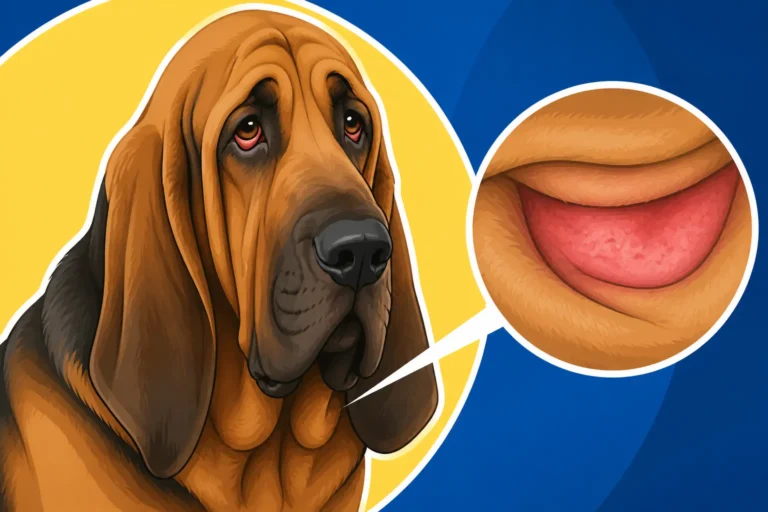
Cherry eye, or technically, prolapse of the nictitating membrane gland (PNMG), is a condition where the gland of the third eyelid, located in the inner corner of a dog's eye, pops out of its normal position. It looks like a small, reddish mass, often described as a "cherry," hence the common name. This gland is crucial because it's responsible for producing a significant portion – about 30-50% – of the eye's watery tear film. When it prolapses, it's not just unsightly; it can become inflamed, irritated, and if left untreated, can impair its function and reduce tear production. It's a common problem for our breed, and seeing it for the first time can be quite alarming. Many owners find themselves Googling "red lump in dog's eye" in a panic. The good news is that it's usually not painful at first, but it will become painful if it swells and dries out.
The Preferred Treatment: Gland Tucking
Given the vital role of the third eyelid gland in tear production, the preferred treatment for cherry eye is always to reposition or "tuck" the gland back into its normal anatomical spot. There are several surgical techniques for this, but they all share the goal of preserving the gland. Your vet might use a pocket technique, where a small pocket is created in the third eyelid to hold the gland in place, or a tacking technique, where the gland is sutured to surrounding tissue.
The success rate for these tucking procedures is generally high, though sometimes a second surgery is needed if the gland prolapses again. The benefit of tucking is immense: it ensures that your Bloodhound retains that crucial tear-producing gland, significantly reducing the risk of developing dry eye later on. It's a proactive measure to safeguard their long-term eye health. Discussing What a Bloodhound's Cherry Eye Should Be Tucked or Removed with your veterinarian is crucial for making an informed decision.
The Dire Consequences of Tear Gland Removal for Tear Production
This brings us to the core of the issue: while tucking is the ideal solution, in some rare, severe cases, or with older surgical practices, the prolapsed gland might have been removed. And that, my friends, often leads to a whole new set of, much more serious, problems.
Understanding KCS (Keratoconjunctivitis Sicca) or "Dry Eye"
When we talk about "dry eye" in dogs, the medical term is Keratoconjunctivitis Sicca, or KCS. It's a chronic condition where the eye doesn't produce enough tears, leading to a host of uncomfortable and potentially damaging symptoms. Imagine the surface of your eye constantly drying out, becoming gritty and painful. Dogs with KCS often have a thick, sticky discharge, redness, squinting, and may even develop corneal ulcers or pigment on the cornea over time, which can ultimately impair vision.
The diagnosis of KCS is typically confirmed with a Schirmer Tear Test (STT), where a small strip of paper is placed in the lower eyelid for one minute to measure tear production. If the measurement falls below a certain threshold, KCS is diagnosed. This is a condition that, once established, usually requires lifelong management, which can be a significant commitment in terms of time, effort, and finances. Knowing the Signs a Bloodhound Has Dry Eye is incredibly important for early detection.
Why Removal Increases Dry Eye Risk Dramatically
Now, to answer the question directly: Yes, removing a Bloodhound's tear gland (specifically the gland of the third eyelid) drastically increases their risk of developing dry eye (KCS). As mentioned, this gland contributes a significant portion of the eye's tear film. When it's removed, that percentage of tear production is simply gone. The remaining lacrimal gland above the eye cannot always compensate entirely for the loss.
In breeds like the Bloodhound, which are already susceptible to eye issues due to their conformation, this risk is even higher. It’s not just a slight increase; it's a profound shift towards a lifelong battle with dry eye. This is why veterinarians today overwhelmingly advocate for gland-sparing techniques, like tucking, when treating cherry eye. The long-term consequences of removal are so severe that it's considered a last resort, if at all, in modern veterinary ophthalmology. It essentially trades one problem for another, far more chronic and challenging one.
Let's look at the difference in prognosis and treatment based on the surgical approach:
| Treatment for Cherry Eye | Outcome for Gland | Risk of Dry Eye (KCS) | Long-Term Management | Cost Implications (Initial) | Cost Implications (Long-Term) |
|---|---|---|---|---|---|
| Gland Tucking/Repositioning | Gland preserved | Low | Minimal (routine eye care) | Moderate | Low |
| Gland Removal | Gland lost | Very High | Lifelong daily medication | Moderate | Very High (meds, rechecks) |
Long-Term Management and Financial Realities of Dry Eye
If your Bloodhound does develop KCS after gland removal (or for any other reason), be prepared for a long haul. Managing dry eye is a daily commitment, often involving multiple medications applied directly to the eye, sometimes several times a day. Common treatments include:
- Topical cyclosporine or tacrolimus: These medications help stimulate tear production in the remaining glands and reduce inflammation.
- Artificial tear supplements: These drops provide lubrication and comfort, often used in conjunction with tear-stimulating medications.
- Anti-inflammatory drops: To reduce redness and irritation.
These medications can be expensive, and they are typically needed for the rest of your Bloodhound's life. Think about how much a bottle of eye drops costs for yourself, and then imagine buying multiple types, month after month, for a large dog. What a Bloodhound's Eye Drops Cost Each Year can really add up, easily running into hundreds, if not thousands, of dollars annually. It's not just the cost of the drops; it's also the frequent veterinary recheck appointments to monitor tear production and corneal health.
This is where having a good pet insurance plan, like one from Healthy Paws, can be an absolute lifesaver. While many policies might consider KCS secondary to cherry eye surgery a pre-existing condition if the surgery happened before enrollment, it's critical to understand your policy's specifics. If the KCS develops after enrollment and is deemed a new condition, then ongoing management costs might be covered, offering immense relief. However, always check the fine print, as What Insurance Will and Will Not Cover on a Bloodhound varies wildly.
Navigating Eye Care and Prevention for Your Bloodhound
Given the potential for eye issues in Bloodhounds, a proactive and consistent approach to eye care is more than just a good idea – it's essential. Preventing problems, or catching them early, can save your hound a lot of discomfort and save you a significant amount of money and worry.
Proactive Eye Health Measures
Regular, gentle cleaning of your Bloodhound's eyes and facial folds should be a part of your daily or weekly routine. Use a soft, damp cloth or a veterinarian-recommended eye-wiping solution to remove any discharge or debris. Pay special attention to those deep facial folds around their eyes and muzzle, as these areas can trap moisture and irritants.
Beyond cleaning, consider protective measures when your Bloodhound is in environments that might be dusty, windy, or full of allergens. While you can't keep them in a bubble, simple things like wiping their eyes after a romp in a dusty field or using a snood to keep those long ears and jowls from dragging through problematic areas can make a difference. Some owners even use dog-specific goggles for car rides with the window down, though getting a Bloodhound to accept them can be a training challenge! Consistent Daily Eye Care for a Bloodhound is a game-changer.
When to Seek Veterinary Intervention
You know your Bloodhound better than anyone. If you notice any changes in their eyes, don't hesitate to contact your veterinarian. Early signs of trouble can include:
- Increased redness or irritation of the eyes or eyelids.
- Excessive squinting or blinking.
- Any change in the appearance or amount of eye discharge – a clear, watery discharge can be normal, but thick, colored, or excessive discharge is a red flag.
- Rubbing or pawing at the eyes.
- Cloudiness or changes in the color of the cornea.
- A visible "cherry" lump in the corner of the eye.
It's always better to be safe than sorry, especially with something as vital as their eyesight. A simple veterinary check-up can often address minor issues before they escalate into major problems. Your vet might suggest specific eye drops or a short course of medication. If the problem is more complex, they may recommend consulting a veterinary ophthalmologist, a specialist who has extensive experience with The Four Eye Problems a Bloodhound Is Born Toward and can offer advanced diagnostic and treatment options. If surgery is recommended, remember to ask about gland-sparing techniques, as preserving that tear gland is truly critical for your Bloodhound's long-term comfort and vision. Always discuss the pros and cons, including the risks of dry eye, thoroughly before making any decisions about Whether a Bloodhound's Eyelids Need Surgery.
Remember, while a Bloodhound's expressive eyes are beautiful, they also require diligent care. Being informed about conditions like cherry eye and the critical importance of tear gland preservation is key to ensuring your loyal companion lives a happy, comfortable life.
Disclaimer
This article provides general information and is not a substitute for professional veterinary advice. Always consult with a qualified veterinarian for any health concerns or before making decisions about your Bloodhound's care.