Whether a Bloodhound’s Eyelid Surgery Is Cosmetic
It’s a common misconception, especially when looking at those famously soulful, drooping eyes, to wonder if surgery for a Bloodhound's eyelids is purely cosmetic. Many owners, and even those admiring from afar, might assume it's just about tweaking their unique look. But for Bloodhounds, eyelid surgery is rarely about aesthetics; it's almost always a critical medical intervention aimed at preventing pain, infection, and potential blindness. This guide will delve into why these procedures are essential for your Bloodhound’s health and comfort, not just their appearance.
Understanding the Unique Bloodhound Eye Structure
The Bloodhound's distinct facial features, particularly those deep-set eyes and abundant loose skin, are part of what makes them so instantly recognizable and beloved. However, these very traits, while contributing to their incredible scenting ability by trapping scent particles, also predispose them to a host of unique ocular challenges.
The 'Bloodhound Look' and Its Anatomy
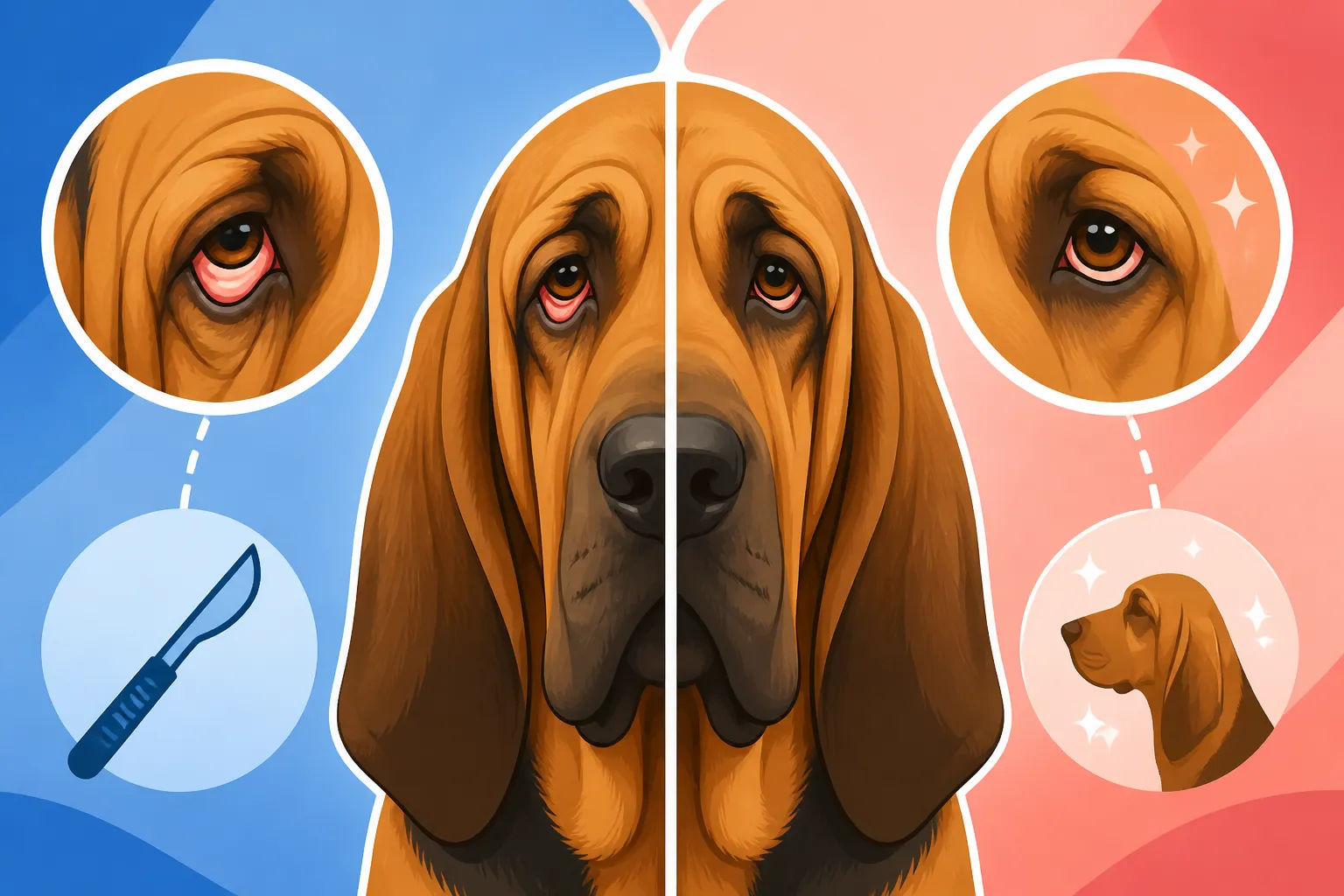
The majestic head of a Bloodhound is characterized by a remarkable amount of loose skin, or "wrinkle," especially around the face and neck. This excess skin, combined with a particular bone structure around the eyes, often results in eyelids that don't sit flush against the eyeball. Instead, they tend to droop or roll, exposing the delicate pink conjunctiva, or in some cases, roll inward. This is the classic "Bloodhound look"—those deep, often sad-looking eyes that appear perpetually tired or wistful.
What you're often seeing with that droop is a degree of ectropion, a condition where the lower eyelid turns outward. The nictitating membrane, or "haw," the third eyelid, is also frequently visible. While some degree of this is considered characteristic of the breed, there's a fine line between a typical Bloodhound appearance and a medical problem that causes discomfort and health issues. It's crucial for owners to understand this difference, as what might seem like a mere aesthetic quirk can actually be a ticking time bomb for their dog's vision and overall well-being.
Common Eyelid Conditions in Bloodhounds
Beyond the standard droop, Bloodhounds are genetically predisposed to several specific eyelid conditions. These aren't just minor irritations; they can be severely painful and lead to long-term health complications if left unaddressed. The most prevalent issues include ectropion, entropion, and sometimes "cherry eye," although cherry eye is less directly related to the loose skin itself.
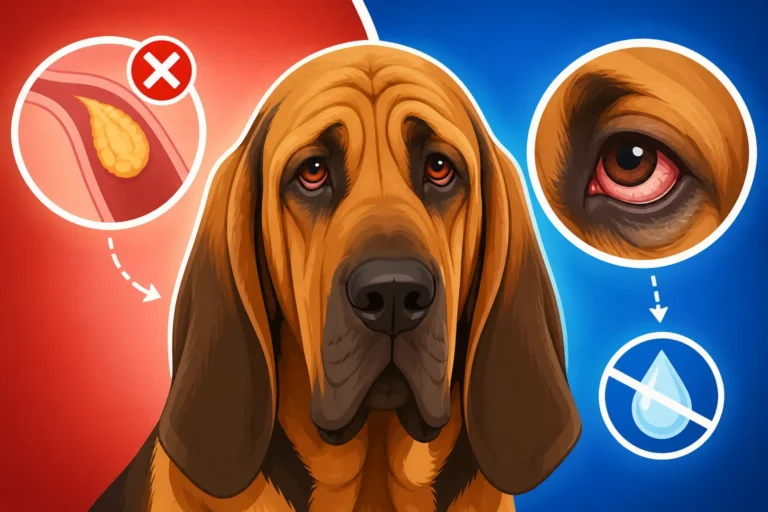
Ectropion, as mentioned, is the outward rolling of the eyelid. While a mild case might just look a bit saggy, moderate to severe ectropion leaves the inner lining of the eyelid, the conjunctiva, constantly exposed to dust, debris, wind, and bacteria. Imagine having your eye perpetually open to the elements – it's an incredibly uncomfortable and unhygienic situation for your dog. For a detailed look at this specific issue, you can explore what ectropion looks like on a Bloodhound.
Entropion is the opposite, and in many ways, even more immediately painful. This is where the eyelid rolls inward, causing the eyelashes to rub directly against the cornea, the clear surface of the eyeball. Every blink becomes a sandpaper-like scrape, leading to chronic irritation, corneal abrasions, and ultimately, painful corneal ulcers. It’s a bit like having a constant splinter in your eye, magnified by every movement. This condition is definitely not just about looks, and you can learn more about what entropion does to a Bloodhound's eye.
The Medical Necessity Behind Eyelid Surgery for Bloodhounds
When a veterinarian recommends eyelid surgery for your Bloodhound, it's typically because one of these conditions has progressed beyond a point where conservative management can provide lasting comfort or prevent serious harm. The decision is rooted in improving the dog's quality of life and safeguarding their vision, not altering their appearance to fit some aesthetic ideal.
Ectropion: More Than Just a Droop
While the image of a Bloodhound with wonderfully droopy eyes is iconic, severe ectropion is a genuine medical concern. It's not simply an aesthetic preference; it's a structural defect that compromises the eye's natural protective mechanisms. With the eyelid rolled out, the tear film, which is essential for lubricating and cleaning the eye, doesn't spread effectively. This leads to chronic dryness, which is uncomfortable in itself.
Beyond dryness, the exposed conjunctiva becomes a magnet for environmental irritants. Dust, pollen, grass seeds, and other debris that a Bloodhound's low-slung head might encounter during its enthusiastic sniffing expeditions can easily lodge in the exposed tissues, leading to inflammation and recurrent bacterial infections. You might notice your Bloodhound frequently squinting, pawing at their face, or having persistent discharge from their eyes. These aren't minor inconveniences; they are signs of chronic pain and irritation that significantly impact their daily comfort and ability to focus on their world of scents. Untreated, chronic inflammation can lead to permanent changes in the eye tissues, making future corrections more complicated.
Entropion: The Hidden Danger
Entropion is arguably the more critical of the two common eyelid issues, largely because of its direct and damaging impact on the cornea. Imagine having sharp hairs constantly scratching the delicate surface of your eye. That's what entropion does to a Bloodhound. The eyelashes and sometimes even the fur on the rolled-in skin constantly abrade the cornea with every blink.
This persistent rubbing doesn't just cause irritation; it creates superficial abrasions that can quickly deepen into painful corneal ulcers. A corneal ulcer is not just a scratch; it's an open wound on the eye that can become infected, lead to vision impairment, and, in severe cases, even rupture the eyeball, resulting in permanent blindness or the need for eye removal. The pain associated with corneal ulcers is intense, and dogs often show clear signs of distress: excessive tearing, squinting, rubbing their face, and a visible cloudiness or redness in the eye. For a Bloodhound, whose world is so intensely experienced through scent, preserving their comfort and vision is paramount.
When Eyelid Surgery Becomes a Health Imperative
The decision for eyelid surgery is usually made after a thorough examination by a veterinary ophthalmologist, who can accurately assess the severity of the condition and its impact on your Bloodhound's health. It’s rarely a knee-jerk reaction. Early on, some mild cases of ectropion might be managed with diligent daily cleaning and lubricating eye drops, but this is a temporary fix, not a solution for a structural problem.
However, when a Bloodhound consistently experiences any of the following, surgery is typically deemed medically necessary:
- Chronic eye irritation: Persistent redness, swelling, or discomfort.
- Recurrent eye infections: Bacterial or yeast infections that keep coming back despite treatment, often due to the compromised natural defenses of the eye.
- Excessive discharge: Mucus or pus from the eye, indicative of infection or inflammation.
- Corneal damage: Any signs of corneal abrasions, erosions, or ulcers, especially with entropion.
- Vision impairment: Although less common with ectropion alone, severe, untreated conditions can lead to scarring that obstructs vision.
- Foreign bodies: Frequent trapping of debris under the exposed lid.
It's about addressing the root cause of these ongoing problems. Ignoring these signs means condemning your Bloodhound to a life of discomfort and the constant risk of more severe, irreversible eye damage. You can read more about when a Bloodhound's eyelids need surgery to understand the diagnostic process and treatment considerations.
What Eyelid Surgery Entails and Its Impact
When we talk about eyelid surgery for Bloodhounds, it's not a single procedure but a range of techniques tailored to correct the specific issue at hand. The goal is always functional improvement: to ensure the eyelids can properly protect the eye and allow for healthy tear film distribution.
Types of Eyelid Procedures
The surgical approach depends heavily on the specific condition and its severity. For puppies suffering from early-onset entropion, a temporary procedure called "eyelid tacking" might be performed. This involves placing sutures in the eyelid to evert (turn outward) the margin, giving the puppy time to grow and allowing the facial structure to mature. Often, as the puppy grows, the issue resolves itself, and no further surgery is needed. This is a common approach, for instance, at around the age a Bloodhound has its eyelids tacked.
For adult Bloodhounds with more established ectropion or entropion, the surgeries are more definitive.
- For ectropion, procedures like the Modified Khunt-Szymanowski technique or V-to-Y blepharoplasty aim to remove a precise amount of skin and muscle from the eyelid to tighten it and restore a more normal position against the eyeball. The objective is to lift the sagging lower lid just enough so it makes proper contact with the eye, allowing the tear film to spread evenly and preventing exposure to irritants.
- For entropion, a wedge resection or a Hotz-Celsus procedure might be performed. These techniques involve removing a crescent-shaped piece of skin and underlying muscle from just below the eyelid margin. When the incision is sutured, it pulls the eyelid margin outward, preventing the lashes from rubbing the cornea. The precision in these surgeries is paramount, as removing too much or too little tissue can lead to the opposite problem (entropion turning into ectropion, or vice versa) or an incomplete correction.
These are delicate surgeries performed by experienced veterinary surgeons, often specialists in ophthalmology. The focus is entirely on restoring health and function, not on creating a "perfect" aesthetic.
Recovery and Long-Term Outlook
Post-operative care is crucial for the success of eyelid surgery. Your Bloodhound will likely come home with an Elizabethan collar (the "cone of shame") to prevent them from rubbing or scratching at the surgical site. They'll also need a regimen of eye drops or ointments to prevent infection and reduce inflammation. Pain medication will be prescribed to keep them comfortable during the healing process. The stitches are typically removed within 10-14 days.
The long-term outlook for Bloodhounds who undergo these surgeries is generally excellent. Most dogs experience a significant improvement in comfort and a dramatic reduction in recurring eye infections and corneal ulcers. It’s a huge relief for both the dog and the owner to see an end to chronic squinting and discharge.
While often successful, it's important to understand that no surgery is a guaranteed "one-and-done" fix, especially with a breed so prone to these issues. Sometimes, if the initial correction isn't sufficient or if the dog's facial structure continues to change, a second, minor procedure might be needed. This is not a failure of the first surgery but a necessary adjustment to achieve optimal results. It simply highlights the complex nature of these anatomical corrections.
Financial Considerations and Insurance
Let's be realistic: managing a Bloodhound's health can be a significant financial commitment, and eye issues are a prime example. The costs associated with diagnosis, surgery, and post-operative care can certainly add up.
The Cost of Care
Eyelid surgery, while medically necessary, can be a considerable expense. The specific cost will vary widely depending on your geographic location, the veterinary clinic, whether a specialist ophthalmologist is involved, and the complexity of the procedure. For example, surgical referral centers often have higher costs than a general practice veterinarian, though they offer specialized expertise. You can get a sense of what a Bloodhound's eyelid surgery costs in a relevant article. Generally, these costs include pre-operative bloodwork, anesthesia, the surgical procedure itself, post-operative medications, and follow-up visits.
It's a stark reminder that while the surgery isn't cosmetic, the bill can still be a shock if you're unprepared. This is why understanding the breed's predispositions and planning for potential health expenses is so vital.
Insurance Coverage for Eyelid Conditions
Here's where pet insurance can be an absolute lifesaver. Reputable pet insurance providers, like Healthy Paws, recognize that conditions like ectropion and entropion are not cosmetic issues but genuine medical problems that require intervention. Because they are considered congenital or hereditary conditions, rather than purely elective cosmetic procedures, they are often covered by comprehensive pet insurance policies, provided the policy was in effect before the condition was diagnosed or symptoms appeared.
This distinction is key: a purely cosmetic procedure, like cropping ears or docking tails (when not medically indicated), would not be covered. But eyelid surgery, when recommended by a veterinarian to alleviate pain, prevent infection, or protect vision, falls under the category of medical treatment. Always check the specific terms and conditions of your policy, including waiting periods and what counts as a pre-existing condition, but generally, if your Bloodhound is enrolled in a plan like those offered by Healthy Paws before developing signs of ectropion or entropion, the surgery and associated care should be covered, significantly easing the financial burden. This allows owners to make decisions based on their dog's health needs, rather than solely on their wallet.
| Eyelid Condition | Description | Primary Cause in Bloodhounds | Why it's NOT Cosmetic | Typical Symptoms |
|---|---|---|---|---|
| Ectropion | Eyelid rolls outward, exposing conjunctiva. | Excess loose facial skin. | Leads to chronic irritation, infection, foreign bodies, dry eye. | Redness, discharge, frequent blinking/squinting, sensitivity to light/wind, dry eyes. |
| Entropion | Eyelid rolls inward, causing lashes to rub the cornea. | Eyelid malformation, loose skin. | Causes extreme pain, corneal abrasions, ulcers, potential blindness. | Excessive tearing, squinting, rubbing eyes, cloudy/red eye, visible corneal ulcers. |
| Cherry Eye | Prolapsed gland of the third eyelid (nictitating membrane). | Weak connective tissue around the gland. | Gland becomes inflamed, irritated, affects tear production, causes discomfort. | Red, swollen mass in the inner corner of the eye, tearing, irritation. |
This table clearly illustrates that these are medical issues with painful consequences, not just superficial appearance concerns.
Living With a Bloodhound and Their Unique Needs
Owning a Bloodhound is a deeply rewarding experience, but it comes with a responsibility to understand and manage their specific breed predispositions. Their extraordinary noses and gentle dispositions are matched by a unique physiology that demands careful attention, especially when it comes to their eyes and ears.
Proactive Eye Care and Monitoring
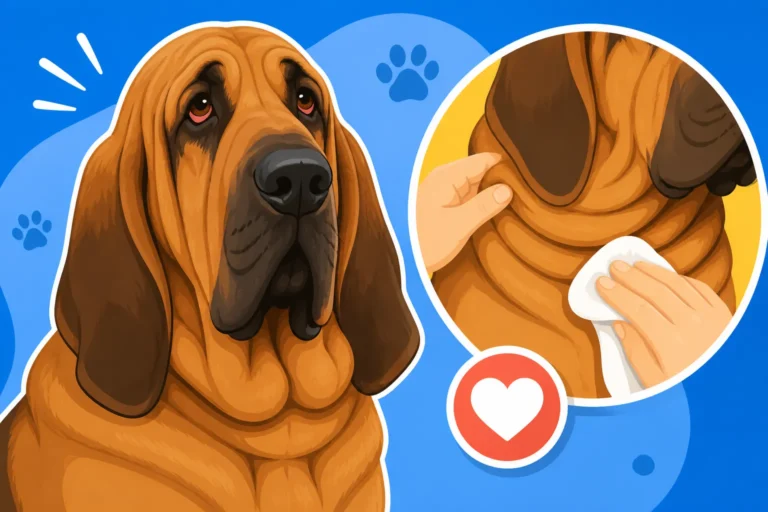
Even if your Bloodhound doesn't require surgery, or after a successful procedure, proactive eye care is an ongoing part of responsible ownership. This includes daily or regular cleaning of the eye area to remove any discharge and keep the folds around their eyes hygienic. You can learn more about daily eye care for a Bloodhound to establish a routine. Regular checks are also essential to catch any early signs of irritation or infection.
Always use products specifically designed for canine ophthalmic use, such as sterile saline solutions recommended by your vet. Avoid harsh chemicals or anything that could further irritate their sensitive eyes. If you notice persistent redness, discharge, squinting, or if your Bloodhound is pawing at their face, don't hesitate to consult your veterinarian. Early intervention can make a significant difference in preventing more serious complications. These measures are also vital because Bloodhounds are susceptible to other ocular problems. For a more complete understanding of their genetic predispositions, consider reading about the four eye problems a Bloodhound is born toward.
Beyond the Eyes: Other Bloodhound Health Considerations
While we've focused heavily on eye health, it's important to remember that Bloodhounds, like all purebred dogs, have other health concerns that owners must be aware of. Their long, pendulous ears, while fantastic for scenting, are also a perfect environment for yeast and bacterial infections. Learning how often a Bloodhound gets an ear infection and establishing a routine of cleaning a Bloodhound's ears every week for life is critical to their comfort and health.
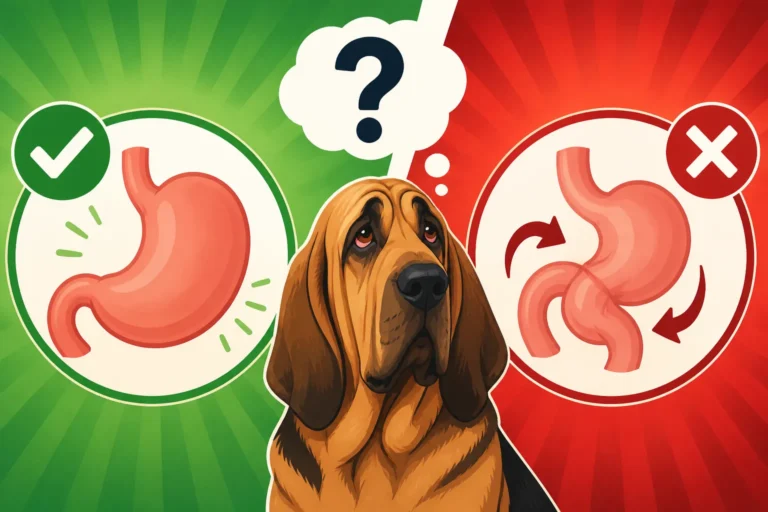
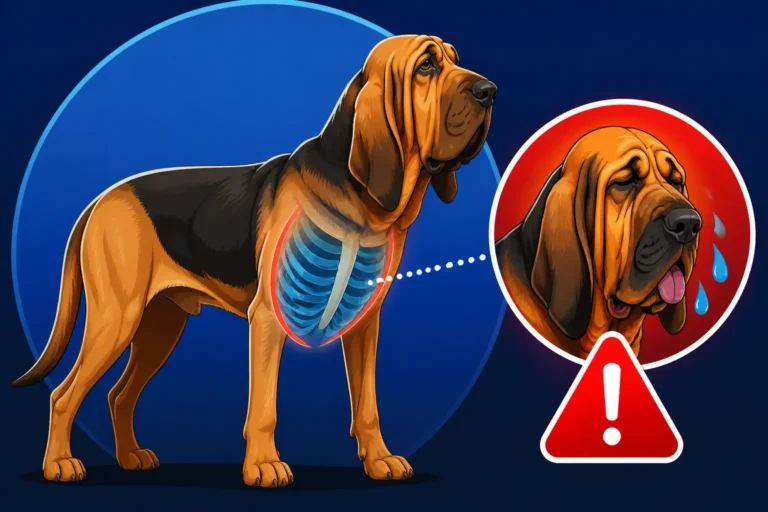
Then there's the ever-present shadow of bloat, or Gastric Dilatation-Volvulus (GDV), a life-threatening condition that all deep-chested breeds, including Bloodhounds, are highly susceptible to. This is a crucial topic, and owners should be well-informed about the risks and preventive measures, such as what a preventive gastropexy does for a Bloodhound. Understanding and planning for these specific health needs is not just about extending their lifespan, but ensuring that the years you have with your Bloodhound are filled with joy and comfort, not pain and preventable illness.
Responsible Bloodhound ownership involves being well-educated about these potential health challenges and working closely with your veterinarian to provide the best possible care. It's an investment of time, effort, and sometimes money, but for these loyal, loving hounds, it's an investment that pays off in countless wagging tails and devoted companionship.
Disclaimer
The information provided in this article is intended for general knowledge and informational purposes only, and does not constitute medical advice. Always consult with a qualified veterinarian for any health concerns or before making any decisions related to your Bloodhound's health and treatment.