What to Do on the Drive With a Bloating Bloodhound
That sickening feeling in the pit of your stomach, the frantic Googling, the terrifying realization that your beloved Bloodhound isn't just gassy or upset, but showing the tell-tale signs of bloat—Gastric Dilatation-Volvulus (GDV)—it’s a nightmare no Bloodhound owner ever wants to face. Those moments, from identifying the problem to the frantic drive to the emergency vet, are arguably the most critical in your dog's life. This guide is here to walk you through exactly what to do, minute by agonizing minute, on that harrowing drive to give your loyal companion the best chance at survival.
Recognizing the Emergency Before You Even Start the Car
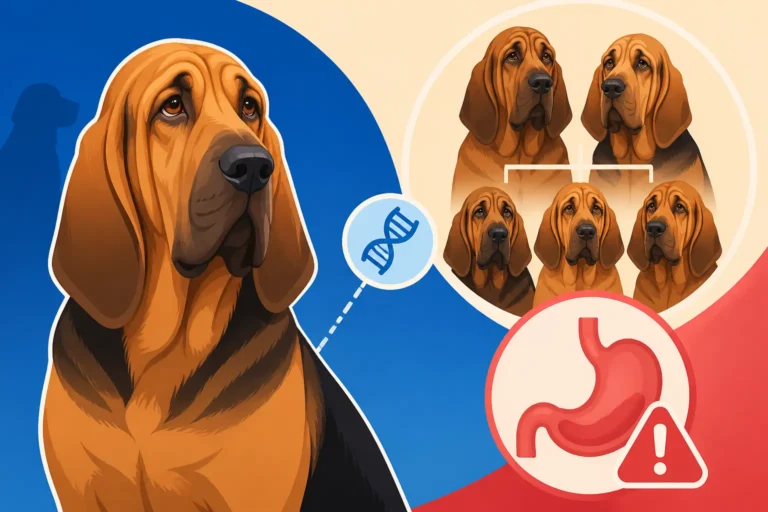
Before you even think about putting your Bloodhound in the car, you absolutely must be certain this is bloat and not just a severe stomach upset. Time is literally of the essence here; every second counts. Bloodhounds, with their deep, narrow chests, are heartbreakingly prone to this life-threatening condition. Knowing the signs is the first step in saving their life.
Confirming the Dreaded Signs of Bloat
You're watching your Bloodhound, and something just feels wrong. They might be restless, pacing, and trying to vomit but nothing's coming up – this is often referred to as "unproductive retching" or dry heaves. It's one of the most classic and alarming signs. Their abdomen might start to distend or look swollen, especially on the left side, though it can sometimes be subtle, particularly in larger or furrier dogs. If you gently tap on their side, it might sound hollow, like a drum. They could also be salivating excessively, showing signs of pain like whining or groaning, or adopting a peculiar stance often described as the "prayer position" – front end down, rear end up – as if trying to relieve pressure.
It's a terrifying moment, and the instinct to panic is natural, but try to remain as calm as possible for your dog. Your Bloodhound is already in distress, and your fear can escalate theirs. While you’re doing this quick check, consider how quickly this condition progresses. Many owners wonder How Fast Bloat Kills a Bloodhound – the answer is, devastatingly fast, often within hours if not minutes once the stomach twists. That’s why immediate action is non-negotiable.
The Urgency of the Situation
Bloat isn't just discomfort; it's an immediate medical emergency. When the stomach distends with gas (dilatation) and then twists (volvulus), it cuts off blood supply to vital organs, including the stomach itself and the spleen, and can send the dog into shock. This is why Bloat Is What Kills Most Bloodhounds. There's no time to wait and see if it gets better or to try home remedies. If you suspect bloat, you need to be heading to the nearest emergency veterinary clinic, ideally one equipped for surgery, immediately. Don't waste precious minutes calling friends or doing extensive internet searches beyond confirming the immediate necessity of a vet visit.
The Critical Drive: Maximizing Safety and Speed
Once you've confirmed your suspicions, the next step is getting your Bloodhound to the vet as quickly and safely as possible. This isn't just a regular car ride; it's a race against time, and every decision you make matters.
Notifying the Veterinary Clinic
This is perhaps the single most important action you can take before you even pull out of the driveway. As you’re getting your Bloodhound into the car, have another family member call the emergency veterinary hospital. If you’re alone, make the call using a hands-free device as soon as you are safely on the road. Inform them that you are on your way with a suspected bloat case.
Why is this so crucial? Because it allows the veterinary team to prepare for your arrival. They can get an exam room ready, alert the on-call surgical team, and ensure all necessary equipment – like IV fluids, oxygen, and gastric tubes – is accessible. This shaves off invaluable minutes upon your arrival, which can make all the difference for your Bloodhound. You might be thinking, "Does Whether a Bloodhound Owner Should Call Ahead to the Clinic really matter?" Absolutely. It shifts the clinic from a reactive state to a proactive one, which benefits your dog immensely.
Safe Transportation Tips for a Distressed Bloodhound
Getting a large, distressed Bloodhound into a vehicle can be a challenge in itself. They might be in pain, disoriented, or reluctant to move.
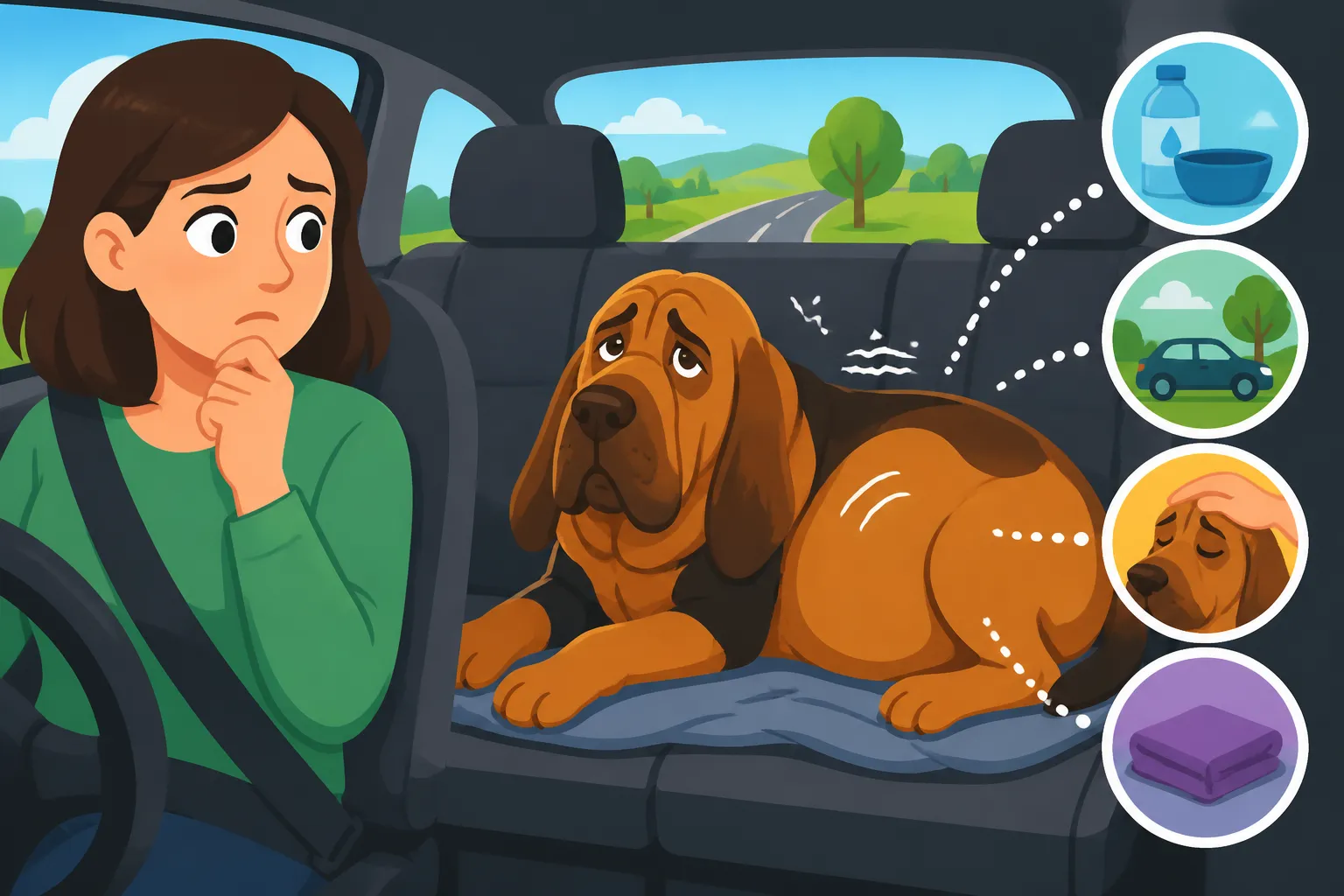
- Enlist Help if Possible: If someone is with you, have them help lift or guide your Bloodhound into the car. For a heavy dog, this might mean carefully using a blanket or a large towel as a makeshift sling to support their midsection.
- Optimal Positioning: Ideally, your Bloodhound should lie down as comfortably as possible, usually on their side, to minimize any further jostling or pressure on their distended abdomen. If they are too distressed to lie down, just ensure they are stable and not likely to fall or injure themselves during transit.
- Minimizing Movement: Drive as smoothly as possible. Avoid sudden braking, sharp turns, or accelerating quickly. The goal is to reduce any impact or movement that could exacerbate the twisting of the stomach or cause further discomfort. If you have a second person, they can sit with the dog, gently stroking or speaking to them to offer comfort, without putting pressure on their belly.
- Ventilation: Ensure good airflow in the vehicle. Your Bloodhound might be panting heavily due to pain or shock. Opening windows slightly or ensuring the air conditioning is on can help keep them cool and comfortable.
- Stay Calm Yourself: This is easier said than done, of course, but your Bloodhound can pick up on your anxiety. Speak to them in a low, soothing voice. Reassure them you’re doing everything you can. Your presence and calm demeanor can make a big difference in keeping their stress levels down, which is beneficial for their overall physiological state.
Managing Your Bloodhound's Discomfort on the Go
While you can't magically fix the bloat in the car, you can try to minimize discomfort. Avoid giving them water or food during the drive, even if they seem thirsty or hungry, as this could worsen the distention or lead to aspiration if they vomit. Your focus should be solely on getting to the veterinary clinic.
Consider that the moments in the car are intense, and for many owners, the financial strain of emergency care for a Bloodhound is a harsh reality. While you're concentrating on driving, remember that once you get there, the vet will discuss treatment options and costs. It’s worth checking if you have pet insurance, perhaps from providers like Healthy Paws, that might help alleviate some of the financial burden. Knowing What Emergency Bloat Surgery Costs on a Bloodhound can be overwhelming, but focus on the immediate task at hand.
What to Avoid During the Emergency Trip
In the midst of panic, it’s easy to make well-intentioned but harmful mistakes. Knowing what not to do is just as important as knowing what to do.
Don't Attempt Home Remedies or Decompression
I know the internet is full of information, and in a desperate situation, you might stumble upon advice for "home remedies" or even instructions on how to attempt to decompress your dog's stomach with a needle. Please, for the love of your Bloodhound, do not attempt any of these.
- Risk of Puncture: Trying to puncture your dog’s abdomen with a needle to release gas (trocarization) is incredibly dangerous. You could easily hit a vital organ, a major blood vessel, or introduce a severe infection into the abdominal cavity, leading to peritonitis, which is often fatal.
- No Sterility: A home environment is not sterile. The risk of infection is incredibly high.
- Incomplete Solution: Even if you managed to release some gas, it does not address the underlying twisting of the stomach (volvulus), which is the most critical and life-threatening aspect of GDV. The stomach would still be twisted, still cutting off blood flow, and the emergency would still be ongoing.
- Delaying Professional Care: Every second spent attempting a risky home remedy is a second lost for professional intervention. Veterinary professionals are trained for this, have sterile equipment, and can monitor your dog for shock and other complications throughout the procedure. Your priority is to get your Bloodhound into expert hands, where they can properly diagnose and treat the condition.
Avoid Unnecessary Stops or Detours
Once you're on your way to the emergency clinic, your mission is singular: get there directly, without any deviation.
- No Convenience Stops: Do not stop for gas, coffee, or to pick up supplies unless it's absolutely unavoidable and would genuinely save more time in the long run (e.g., getting gas when your tank is completely empty and the clinic is far).
- Stick to the Fastest Route: Use your GPS or choose the route you know is fastest, even if it’s slightly less familiar. Traffic conditions can change rapidly, so be aware of potential delays.
- Resist "Second Opinions" Mid-Drive: While you might second-guess your choice of emergency clinic, switching course mid-drive only wastes time. The most important thing is to get to a capable veterinary facility, not necessarily the absolute "best" one, especially if that involves significant added travel time. Any emergency vet will prioritize a bloat case, and if they can't handle it, they will stabilize your Bloodhound and refer you.
This situation is already a race against the clock. The Half Hour a Bloating Bloodhound Has to reach a vet is a grim reality, so every minute counts. Focus on that direct route.
Arriving at the Clinic and Handover
You've made it. The drive felt like an eternity, but you're finally at the emergency veterinary clinic. Now what?
What to Expect Upon Arrival
The moment you pull up, if you’ve called ahead, the team should be ready. They might even have a stretcher or gurney waiting for your Bloodhound, especially if they are large and unable to walk.
- Immediate Triage: Your Bloodhound will be triaged immediately. This means a veterinary technician or vet will quickly assess their condition, vital signs, and the severity of the bloat. They will likely be whisked away to the treatment area for stabilization. Don’t be offended if they don't ask you for paperwork right away; saving your dog is the absolute priority.
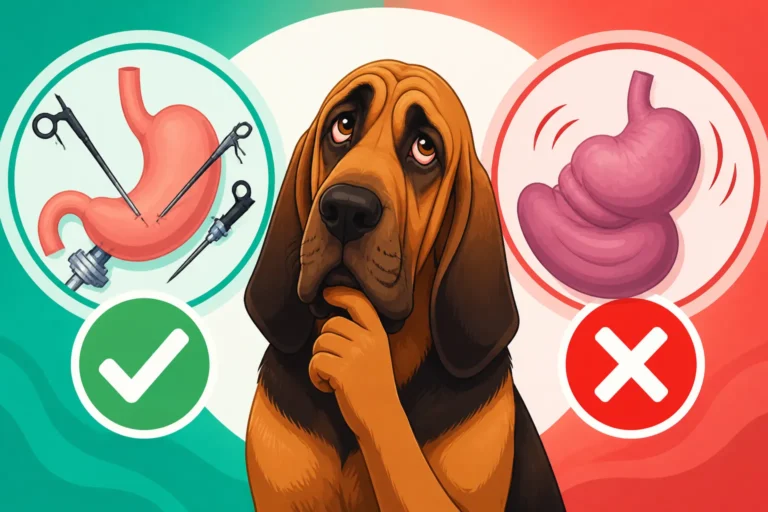
- Stabilization Efforts: The immediate goals are to stabilize your Bloodhound. This usually involves placing an intravenous (IV) catheter to administer fluids for shock, pain medication, and potentially antibiotics. They will also attempt to decompress the stomach, often by passing a tube down the esophagus into the stomach to release gas and fluid. This step is critical but often only a temporary measure if the stomach has already twisted.
- Diagnostic Imaging: X-rays will be taken to confirm the diagnosis of GDV (gastric dilatation-volvulus) and to determine if the stomach has twisted. This confirms the exact nature of the emergency and guides the next steps.
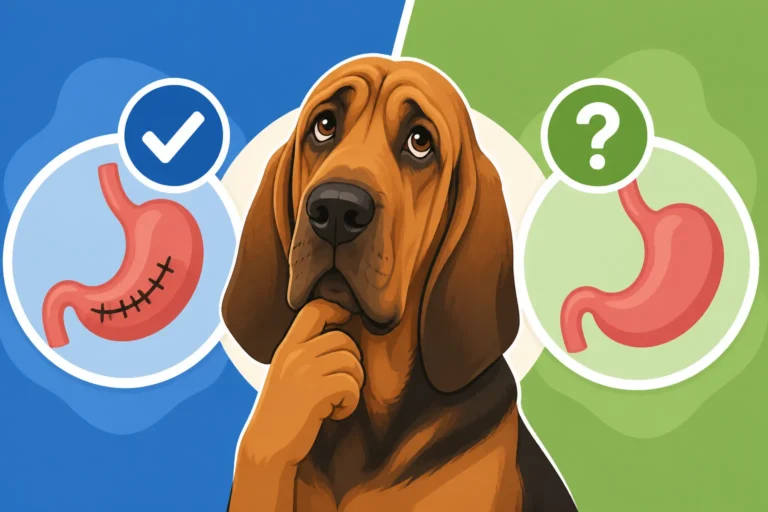
- Discussion with the Vet: Once your Bloodhound is stabilized and initial diagnostics are done, the veterinarian will speak with you. They will explain the findings, the prognosis, and the recommended treatment, which almost always involves emergency surgery to untwist the stomach (if it has twisted) and perform a gastropexy. A gastropexy is a procedure where the stomach is surgically attached to the abdominal wall to prevent future twisting. This is also the time when the financial realities of A Bloodhound's Money Is Spent in the Operating Room become very clear, and having discussed options with providers like Healthy Paws in advance can be helpful.
Preparing for the Next Steps
This part of the journey is emotionally draining. You’ve done your part by getting your Bloodhound to professional help. Now, you need to be ready for tough decisions and a potentially long wait.
- Informed Consent: You will need to provide informed consent for any procedures, especially surgery. Don't hesitate to ask questions to fully understand the risks, benefits, and costs involved.
- Prognosis: Be prepared for an honest discussion about the prognosis. While many Bloodhounds survive bloat surgery, it is a very serious condition, and complications can arise. The vet will give you the most realistic assessment possible based on your dog's condition upon arrival.
- The Wait: Emergency surgery can take several hours, followed by a critical recovery period. You might be asked to go home and wait for updates, or you might choose to stay at the clinic. Ensure you leave them with accurate contact information.
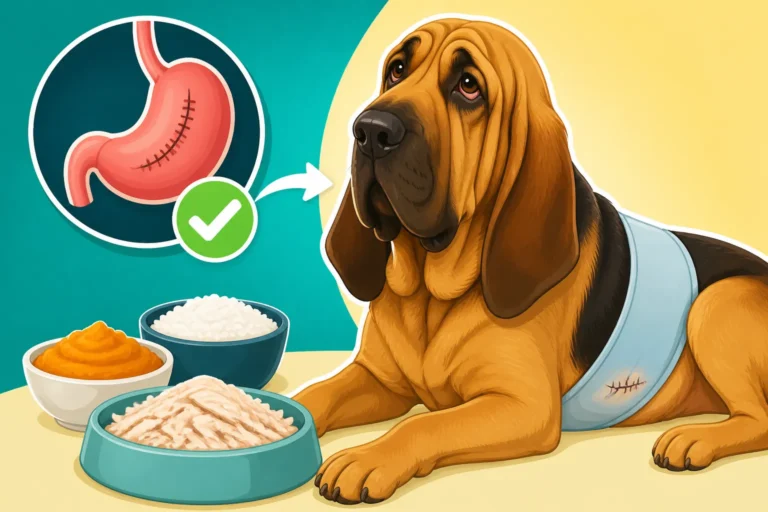
- Post-Operative Care: If your Bloodhound makes it through surgery, they will require intensive post-operative care, likely including a stay in the ICU for several days. This will involve monitoring for complications, pain management, and a gradual reintroduction to food and water. You'll then have detailed instructions for at-home care, which will be crucial for a full recovery. Understanding What a Bloodhound Eats After Bloat Surgery and how activity needs to be restricted will be key. This is why having insurance like Healthy Paws can be so invaluable, as it can help cover the extensive costs of both the emergency surgery and the subsequent critical care.
Remember, the fact that you recognized the signs and acted quickly by getting your Bloodhound to the vet is the biggest factor in their survival. You're giving them their best fighting chance against what is one of the most frightening and deadly conditions for our deep-chested companions.
Disclaimer
This article is intended for informational purposes only and does not constitute medical advice. Always consult with a qualified veterinary professional for any health concerns or emergencies regarding your Bloodhound.