Whether a Smaller Bloodhound Lives Longer
It’s a natural human instinct to wish for as much time as possible with our beloved dogs, especially when they’re breeds as special and soulful as the Bloodhound. When you look at their grand size, it’s easy to wonder if a slightly smaller Bloodhound might defy the odds and live a little longer than its larger counterparts, hoping to find a glimmer of extra years. This guide dives deep into the realities of Bloodhound lifespan, examining whether size truly plays a significant role and what other factors are far more influential in helping your magnificent hound thrive for as long as possible.
Understanding Bloodhound Lifespan: The Big Picture
It’s heartbreaking to admit, but Bloodhounds, despite their robust appearance, aren't known for being exceptionally long-lived dogs. This often comes as a surprise to new owners who might assume a large, sturdy breed would stick around for a decade or more. The reality is a bit different, and it’s a frustration many of us face in the Bloodhound community.
The Median Age for Bloodhounds
When we talk about how long a Bloodhound lives, we’re usually looking at a median age that tends to fall shorter than many other breeds, even those of similar size. Generally speaking, a Bloodhound's lifespan often hovers around 7 to 10 years, with some living a bit longer and, unfortunately, many leaving us sooner. It’s a sobering thought, especially when you’re utterly smitten with your big, droopy-faced companion. Many factors contribute to this, and it’s not always about size alone. You might find yourself asking if The Median Age a Bloodhound Reaches is truly indicative of what to expect, and while averages are just that, they give us a realistic baseline.
There’s a common misconception that smaller dogs always live longer than larger dogs. While this is often true across the canine kingdom, applying it directly to variations within a single large breed like the Bloodhound can be misleading. A Bloodhound that is slightly smaller than the breed standard, perhaps weighing 90 pounds instead of 110, isn't necessarily granted a significantly extended lifespan simply due to those few pounds. The breed's inherent genetic predispositions and common health issues often override minor size differences. We’re dealing with a complex interplay of genetics, environment, and care that dictates longevity, not just the number on the scale. For instance, whether a Bloodhound lives shorter than a Labrador is a common comparison, and it often highlights the unique health challenges Bloodhounds face.
Why Size Doesn't Always Equate to Longevity
It’s tempting to think that if you pick the "runt" or a slightly smaller Bloodhound puppy, you might be setting yourself up for more years together. While there's anecdotal chatter, scientific evidence specifically linking a slightly smaller size within the Bloodhound breed to a significantly longer lifespan is generally lacking. The genetic blueprint that defines a Bloodhound, including its propensity for certain health conditions, is largely consistent across the breed, regardless of whether a particular individual is at the lower or upper end of the weight and height standard.
What does matter far more than being a few pounds lighter is the overall health and genetic background of the individual dog. A smaller Bloodhound from a line prone to severe health issues will likely have a shorter lifespan than a larger Bloodhound from a line with excellent health clearances and a history of robust longevity. We see this with many large breeds; the genetic predispositions to conditions like bloat, certain cancers, and joint problems are often more impactful than a minor deviation in size. It's not about being small; it's about being healthy. The hope that Whether a Smaller Bloodhound Lives Longer is a simple yes or no answer can be a bit of a trap when the true picture is far more nuanced.
Genetic and Health Factors Beyond Size
Understanding the specific health challenges that commonly affect Bloodhounds is crucial for any owner. These conditions, often tied to their unique physiology and genetics, are far more potent determinants of lifespan than an individual Bloodhound's slight variations in size. Proactive management and screening become paramount.
Common Health Challenges in Bloodhounds
Bloodhounds are predisposed to several significant health issues that can dramatically impact their quality of life and longevity. Chief among these is Gastric Dilatation-Volvulus (GDV), commonly known as bloat. This is a terrifying, rapidly progressing condition where the stomach fills with gas and often twists, cutting off blood supply. It's a genuine emergency, and it's devastatingly common in deep-chested breeds like the Bloodhound. The sheer speed at which How Fast Bloat Kills a Bloodhound can be frightening, making prevention and rapid response critical.
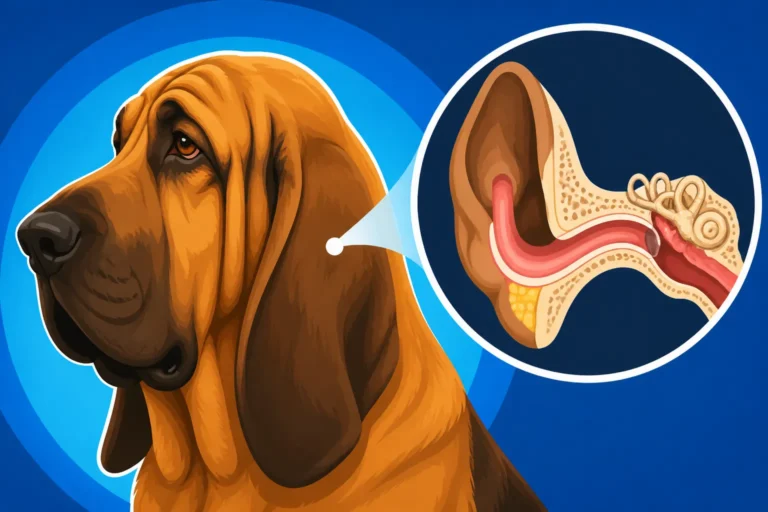
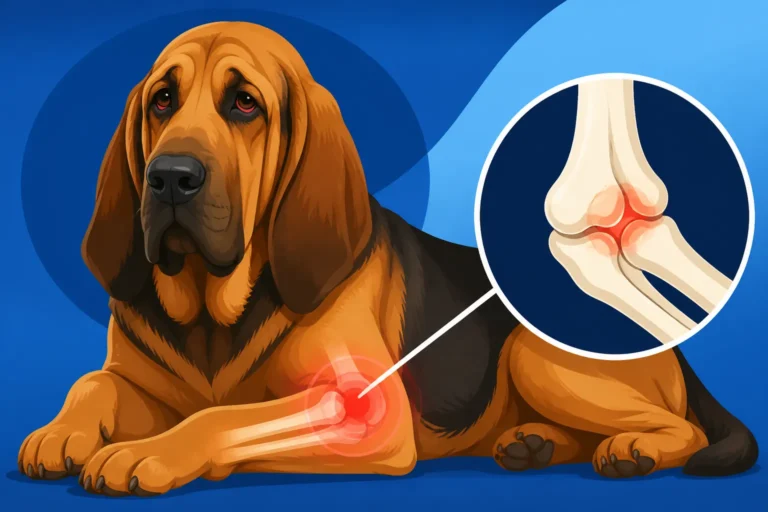
Beyond bloat, Bloodhounds are also prone to orthopedic issues. Their large, rapidly growing frames can sometimes lead to developmental problems like hip and elbow dysplasia. These conditions affect the proper formation of the joints, leading to pain, arthritis, and reduced mobility as they age. Similarly, their iconic long, droopy ears and wrinkled skin, while essential for their incredible scenting ability, also make them susceptible to chronic ear infections and skin fold dermatitis. These issues, while not immediately life-threatening like bloat, require constant vigilance and care to prevent them from becoming debilitating or leading to more serious secondary infections. Learning about Hip and Elbow Dysplasia in the Bloodhound is a must for all owners.
Here's a quick overview of some common Bloodhound health concerns and their typical impact:
| Health Issue | Primary Impact | Typical Onset | Lifespan Implication | Prevention/Management |
|---|---|---|---|---|
| Bloat (GDV) | Life-threatening gastric emergency | Any age, often adult | Can be fatal within hours; high recurrence if untreated | Gastropexy, multiple small meals, restricted exercise post-meal |
| Hip/Elbow Dysplasia | Chronic pain, arthritis, reduced mobility | Puppyhood/adolescence | Reduces quality of life, potentially shorter lifespan | Responsible breeding, weight management, joint supplements |
| Ear Infections | Pain, itching, hearing loss, chronic inflammation | All ages | Chronic discomfort, can lead to severe issues | Regular cleaning, proper drying, vet checks |
| Skin Fold Dermatitis | Skin irritation, infection, odor | All ages | Chronic discomfort, can lead to deep infections | Daily wiping, keeping folds dry and clean, medicated wipes |
| Eye Problems (Ectropion/Entropion) | Irritation, corneal damage, infections | Puppyhood | Chronic discomfort, potential vision issues | Regular cleaning, surgical correction if severe |
| Heart Disease | Weakness, exercise intolerance, organ damage | Middle to senior age | Can significantly shorten lifespan | Regular vet checks, echo screenings, medication |
The Role of Responsible Breeding and Health Screenings
This is where true dedication to the breed shines through and where, frankly, we as owners can make the biggest difference in our Bloodhound’s potential lifespan. Responsible breeders are committed to health testing their breeding stock for genetic conditions that plague the breed. This means X-raying hips and elbows for dysplasia, conducting cardiac exams to screen for heart disease, and often performing eye exams to catch common issues like ectropion and entropion. They don’t just breed two Bloodhounds because they like their looks; they breed for health and temperament first. The American Bloodhound Club actively encourages specific health screenings, and looking for breeders who adhere to these guidelines is paramount.
When you’re looking for a puppy, don't be afraid to ask for proof of these screenings, not just for the parents but for previous generations too. A reputable breeder will be transparent about their dogs’ health history and won't shy away from discussing potential hereditary conditions. They understand that a healthy start gives a Bloodhound the best possible chance at a long, fulfilling life. You want a breeder who cares enough to screen for What the American Bloodhound Club Asks Breeders to Screen, demonstrating a commitment to the breed's future. Investing in a puppy from such a background, even if it’s a bit more expensive upfront, can save you heartache and significant veterinary bills down the line. It's also why having pet insurance like Healthy Paws, which covers unexpected illnesses and accidents, is a smart choice for a Bloodhound owner.
Lifestyle, Care, and the Impact on Longevity
While genetics lay the foundation, how we raise and care for our Bloodhounds day-to-day plays an enormous role in their health and, ultimately, how long they stay by our side. It's about a holistic approach to their well-being, from what they eat to how they spend their days.
Nutrition and Weight Management
Feeding your Bloodhound correctly isn't just about filling their bowl; it's a strategic effort to support their large, unique physiology. For Bloodhounds, preventing bloat is a constant concern, and feeding practices are a major component. This means feeding multiple smaller meals throughout the day rather than one large one, using slow-feeder bowls, and ensuring they rest before and after eating. Avoiding vigorous exercise immediately around meal times is crucial. Additionally, keeping your Bloodhound at a healthy, lean weight is incredibly important for their joint health. Every extra pound puts more strain on their hips and elbows, exacerbating any underlying dysplasia or accelerating the onset of arthritis.
Look for high-quality large-breed dog food that supports slow growth in puppies to prevent orthopedic issues. As adults, monitoring their calorie intake and activity level is key to preventing obesity, which can worsen existing health conditions and lead to new ones like diabetes and heart problems. It’s a commitment, but one that pays dividends in their comfort and health. The way we go about Feeding a Bloodhound So It Does Not Bloat is a critical part of their daily care routine.
Exercise and Mental Stimulation
While Bloodhounds aren’t built for marathons, they do require consistent, moderate exercise to stay healthy and happy. Daily walks, opportunities to explore scents in a safe, fenced area, or engaging in scent work activities like mantrailing are ideal. Exercise helps maintain muscle tone, keeps joints flexible, and prevents boredom-related destructive behaviors. However, it's vital to remember that over-exercising a growing Bloodhound puppy can be detrimental to their developing joints, so moderation is key, especially in the first year.
Mental stimulation is just as important as physical exercise for these intelligent, driven hounds. Their incredible noses are their world, and allowing them to use them is paramount to their well-being. Engaging them in scent games, puzzle toys, or even formal mantrailing training channels their natural instincts and keeps their minds sharp. A bored Bloodhound is often an unhappy and potentially destructive Bloodhound, and mental stress can also take a toll on their physical health. Providing outlets for their natural behaviors contributes significantly to their overall contentment and reduces anxiety, which some studies suggest can also contribute to conditions like bloat. Exploring Mantrailing Is the Answer to a Bloodhound, Not Obedience can open up new avenues for enriching your Bloodhound's life.
Proactive Veterinary Care and Early Detection
Regular veterinary check-ups are non-negotiable for Bloodhounds. Because they are prone to several serious conditions, early detection is often the key to successful treatment and management. Your vet can perform routine screenings, check for subtle signs of ear infections that might otherwise go unnoticed, and monitor their weight and overall health. They can also advise on preventive measures, like discussing whether a prophylactic gastropexy is right for your Bloodhound to dramatically reduce the risk of bloat. This surgical procedure, often done during spay/neuter, stitches the stomach to the abdominal wall to prevent it from twisting. Understanding What a Preventive Gastropexy Does for a Bloodhound is a conversation every Bloodhound owner should have with their vet.
Being diligent about vaccinations, parasite prevention, and dental care also contributes significantly to their long-term health. Don't underestimate the impact of things like chronic dental disease on overall systemic health. For any signs of lameness, changes in eating habits, or unusual lethargy, a prompt vet visit is always the best course of action. Having a robust pet insurance plan, such as one from Healthy Paws, can provide immense peace of mind, allowing you to make medical decisions based on what’s best for your Bloodhound, not just on your budget. It helps ensure that if your beloved hound needs extensive diagnostics or surgery, you're covered. This proactive approach to health management is far more influential on whether your Bloodhound reaches the upper end of their expected lifespan than a few pounds difference in size.
Disclaimer
The information provided in this article is for general informational purposes only and is not a substitute for professional veterinary advice. Always consult with a qualified veterinarian for any health concerns or before making any decisions about your pet's health or medical care.