Epilepsy in a Bloodhound
The moment your beloved Bloodhound collapses, seizing uncontrollably, is one of the most terrifying experiences any dog owner can face. That feeling of helplessness, watching your normally robust companion shake violently, drool excessively, and lose all awareness, is absolutely heartbreaking. It leaves you wondering what just happened, if they’re in pain, and whether they’ll ever be the same. This comprehensive guide is here to demystify epilepsy in Bloodhounds, walking you through understanding what a seizure actually is, how to recognize its various signs, the crucial steps for diagnosis, and most importantly, how to manage this challenging condition to ensure your deep-chested friend can still live a full and happy life.
Understanding Epilepsy in Bloodhounds
Epilepsy isn't a single disease; it's a neurological condition characterized by recurrent, unprovoked seizures. For a Bloodhound owner, understanding the nuances of this condition is the first step toward effective management and ensuring your dog's well-being. It’s not just about the dramatic grand mal seizures; sometimes, epilepsy can manifest in ways that are far more subtle and easily mistaken for other issues.
What Exactly is a Seizure?
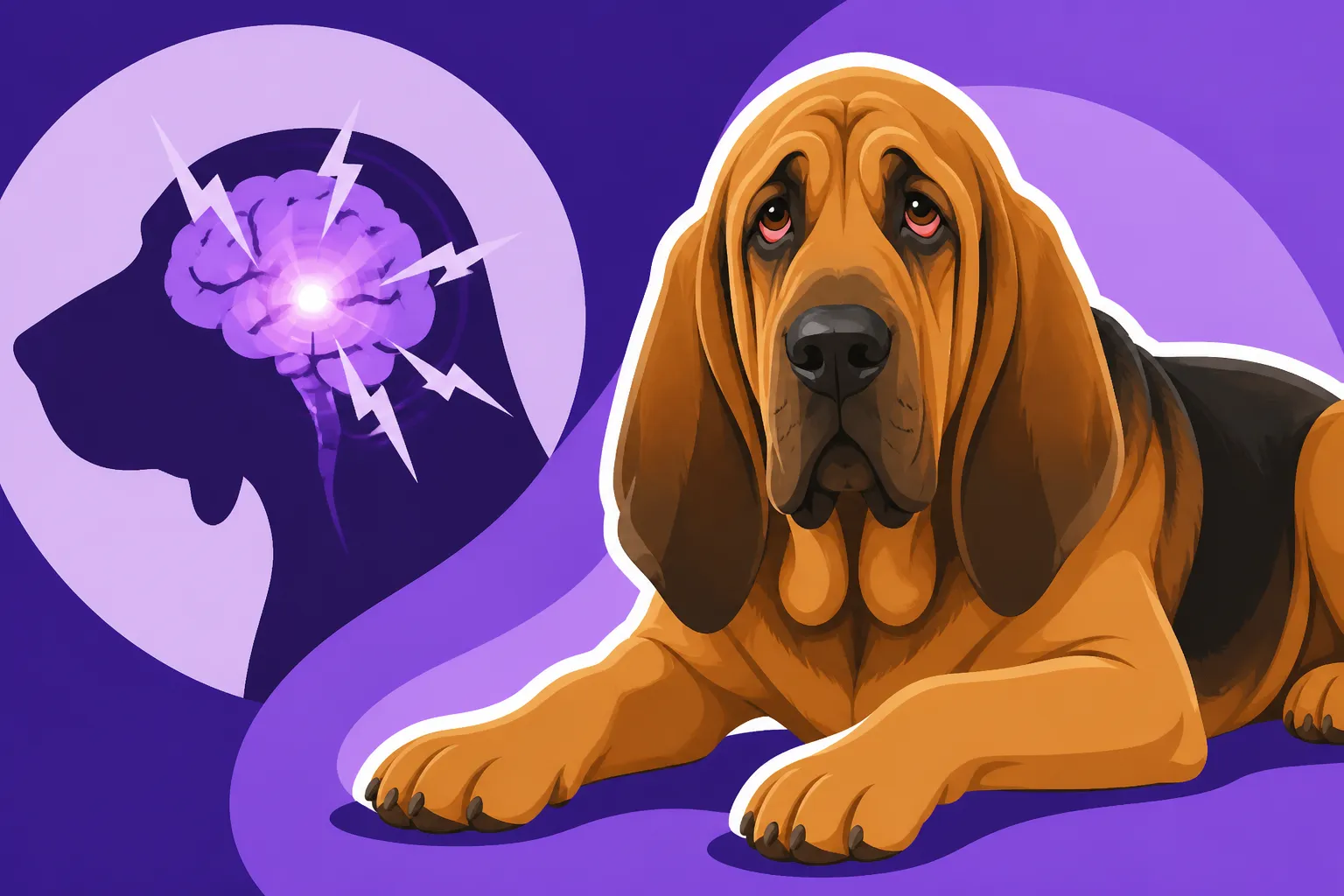
At its core, a seizure is a temporary disturbance in the brain's electrical activity. Think of your Bloodhound's brain as a complex electrical circuit. Normally, these circuits fire in an organized, rhythmic fashion. However, during a seizure, there’s an uncontrolled burst of electrical activity, like a sudden, chaotic power surge. This surge disrupts normal brain function, leading to the clinical signs we recognize as a seizure. The type of seizure your Bloodhound experiences depends on where in the brain this electrical storm originates and how widely it spreads.
Most people picture a "grand mal" or generalized tonic-clonic seizure when they hear the word "seizure." This is indeed the most common and dramatic form. Your Bloodhound might fall onto its side, become stiff (tonic phase) and then start paddling its legs rhythmically (clonic phase). They might vocalize, drool profusely, lose bladder or bowel control, and their eyes may roll back or stare blankly. These events, while distressing to witness, are usually self-limiting and last from a few seconds to a few minutes.
However, seizures can also be focal or partial, meaning they originate in a specific part of the brain and don't spread to the entire brain immediately. In a Bloodhound, this might look like repetitive muscle twitching in just one limb or one side of the face, snapping at invisible flies, or unusual repetitive behaviors like chewing motions or tail chasing. These partial seizures can sometimes progress into generalized seizures, making them even harder to distinguish without careful observation.
Primary vs. Secondary Epilepsy
When we talk about epilepsy, it’s crucial to understand the difference between primary (or idiopathic) epilepsy and secondary (or symptomatic) epilepsy. This distinction guides diagnosis and treatment. Primary epilepsy means there’s no identifiable structural brain lesion or metabolic cause for the seizures. It’s often presumed to be genetic, and the brain itself looks normal on diagnostic imaging. In Bloodhounds, this is the most common form, typically appearing between six months and five years of age, though seizures in a Bloodhound can occur at any age. If you’re seeing seizures start around this timeframe, and your vet can't find another cause, idiopathic epilepsy is often the diagnosis.
Secondary epilepsy, on the other hand, means the seizures are a symptom of another underlying condition. This could be anything from a brain tumor, inflammation or infection of the brain (encephalitis), a stroke, head trauma, or even metabolic issues like severe liver disease, kidney failure, or dangerously low blood sugar. In these cases, the seizure isn't the primary problem; it's a warning sign that something else is going seriously wrong in your Bloodhound's body or brain. Diagnosing secondary epilepsy involves extensive testing to pinpoint that root cause, as treating the underlying disease is paramount to controlling the seizures.
The Genetic Component in Bloodhounds
Unfortunately for our beloved Bloodhounds, epilepsy often has a significant genetic component, placing it among the breeds known to have a higher incidence of idiopathic epilepsy. While the exact genes responsible are complex and not fully understood, research points towards a polygenic inheritance, meaning multiple genes are involved, rather than a single gene defect. This makes screening and breeding decisions particularly challenging. This genetic predisposition means that if a Bloodhound has idiopathic epilepsy, there’s a higher chance their relatives might also carry the genes or develop the condition.
Breed clubs and responsible breeders are keenly aware of this issue. While there isn't a simple genetic test yet to definitively screen for epilepsy, breeders typically track family lines and avoid breeding individuals who have experienced idiopathic seizures, or those with close relatives who have. This careful selection is vital in trying to reduce the incidence of epilepsy within the breed over generations. However, because it's polygenic, it's not as straightforward as simply removing one parent from the breeding pool. This is why discussions around whether a Bloodhound Should Be Bred After a Seizure are so critical and often lead to difficult decisions for conscientious breeders.
Recognizing the Signs of a Seizure
Catching the signs of a seizure in your Bloodhound can be challenging, especially if you're not entirely sure what you're looking for. It's not always the dramatic, thrashing event you might expect. Knowing the different phases and subtle indicators can help you act quickly and provide crucial information to your veterinarian. This detailed observation is key to accurately diagnosing and managing the condition.
The Stages of a Grand Mal Seizure
A generalized, or grand mal, seizure typically unfolds in three distinct phases: the pre-ictal (prodromal) phase, the ictal phase, and the post-ictal phase. Each stage offers clues. The pre-ictal phase, sometimes called the aura, occurs hours or even days before the actual seizure. During this time, your Bloodhound might show subtle behavioral changes. They might become unusually anxious, clingy, restless, or disoriented. Some Bloodhounds might seek comfort, hiding away, while others become overly attention-seeking. You might notice excessive drooling, panting, or even a sudden shift in appetite. These are just their brains signaling that something is off, making them feel uneasy.
The ictal phase is the actual seizure event itself, the part most people recognize. Your Bloodhound might suddenly lose consciousness and fall to its side. Their body will become rigid (tonic phase), often with legs extended, followed by involuntary paddling or jerking movements (clonic phase). Their jaw might clamp shut, or they might chew at the air, leading to frothing at the mouth from excessive salivation. Loss of bowel and bladder control is common. Their eyes may appear fixed, rolled back, or move rapidly. This phase typically lasts from a few seconds to a few minutes. It's crucial to time the seizure accurately, as duration is a key piece of information for your vet. Avoid putting your hands near their mouth during this phase, as they can inadvertently bite down hard.
Finally, the post-ictal phase follows the seizure. Your Bloodhound will gradually regain consciousness, but they won't be "normal" immediately. They might appear disoriented, confused, stumble as they walk, or even temporarily lose their sight. Some dogs become ravenously hungry or thirsty, while others are extremely tired and sleep for hours. This phase can last anywhere from minutes to several days, depending on the severity and duration of the seizure. Patience and gentle reassurance are vital during this time. Observing the exact duration and specific behaviors during each phase provides invaluable information for diagnosis and monitoring effectiveness of treatment.
Subtle Seizure Manifestations
Not all seizures are as overt as a grand mal event. Bloodhounds can experience focal or partial seizures, which affect only a limited part of the brain and often manifest in much more subtle ways, making them harder to identify. These can be mistaken for behavioral quirks or even age-related changes. For example, a focal seizure might involve repetitive twitching of a single muscle group, like a tremor in one leg or constant blinking or facial muscle spasms on one side of their face. Your Bloodhound might seem "stuck" in a specific posture or activity, like repeatedly licking their paw or air-snapping as if catching flies that aren't there.
Sometimes, subtle seizures can present as brief moments of unresponsiveness or "staring spells." Your Bloodhound might suddenly look blank, ignore your commands, or appear momentarily confused before snapping out of it. Another manifestation can be "fly-biting" syndrome, where the dog appears to be snapping at invisible objects. In other cases, owners might report unusual aggression, fear, or anxiety that comes on suddenly and without clear triggers, only to resolve just as abruptly. These subtle signs are particularly challenging because they don't fit the typical image of a seizure, leading to delays in diagnosis. Keeping a detailed log of any unusual or repetitive behaviors, no matter how minor they seem, can be instrumental in piecing together the puzzle for your veterinarian.
What to Do When Your Bloodhound Has a Seizure
Witnessing a seizure is terrifying, but knowing how to react can keep your Bloodhound safe and help your vet. First and foremost, stay calm. Your panic won't help your dog. The most important thing during the ictal phase is to ensure your Bloodhound’s safety. Move any furniture or objects they might hit or injure themselves on. If they are on a hard surface, gently slide a blanket or towel under their head to prevent injury. Do not try to hold them down or restrain their movements, as this can lead to injury for both of you. Never put your hands in their mouth; they cannot swallow their tongue, and you risk a severe bite.
Your second crucial task is to time the seizure. Grab your phone or a watch and note the exact start and end times. Even a few seconds can make a difference in your vet's assessment. If the seizure lasts longer than five minutes, or if your Bloodhound has multiple seizures in a short period (cluster seizures) without fully recovering consciousness in between, it’s considered an emergency. This situation, known as status epilepticus, requires immediate veterinary attention, as it can be life-threatening. On the drive with a bloating Bloodhound, timing is critical, and the same applies to seizures. Call your vet or the nearest emergency clinic as you head there, so they can prepare for your arrival. After the seizure, during the post-ictal phase, allow your Bloodhound to recover quietly in a safe, dimly lit space. Offer fresh water and be patient as they regain full awareness. Document everything in a seizure log: date, time, duration, observations before, during, and after, and any potential triggers. This log is invaluable for your vet in diagnosing and monitoring treatment efficacy.
Diagnosing Epilepsy in Your Bloodhound
Receiving an epilepsy diagnosis for your Bloodhound isn't a straightforward process. It involves a methodical approach to rule out other potential causes for seizures. This can be frustrating for owners who want immediate answers, but it's essential to ensure your Bloodhound receives the correct treatment for their specific condition.
The Importance of a Thorough Veterinary Workup
When your Bloodhound experiences a seizure, the first step is always a thorough veterinary workup. This isn't just about confirming epilepsy; it's about eliminating all other possible conditions that could be causing the seizures. As mentioned, seizures can be a symptom of many underlying issues, from toxins to metabolic diseases to brain tumors. Your veterinarian will begin with a comprehensive physical examination, taking special note of any neurological abnormalities, changes in gait, or sensory responses. They will also collect a detailed history from you, including any observations you’ve made before, during, and after the seizures, your Bloodhound’s diet, recent activities, and exposure to anything unusual. This initial consultation is where your seizure log, with its precise timings and descriptions, becomes incredibly valuable.
The goal of this initial workup is to distinguish between primary (idiopathic) epilepsy and secondary (symptomatic) epilepsy. Idiopathic epilepsy is a diagnosis of exclusion; meaning, it's diagnosed only after all other potential causes have been thoroughly investigated and ruled out. This rigorous approach is crucial because treating an underlying cause, such as a liver shunt or a brain infection, will be vastly different from managing idiopathic epilepsy. Without this due diligence, your Bloodhound could be on inappropriate medication, or worse, the true cause of their seizures could go untreated and progress, leading to more severe health consequences down the line.
Diagnostic Tools and Tests
To get to the bottom of your Bloodhound's seizures, your vet will likely recommend a battery of diagnostic tests. These usually start with basic blood work, including a complete blood count (CBC) and a biochemistry panel. These tests can reveal metabolic issues such as liver or kidney disease, electrolyte imbalances, or low blood sugar (hypoglycemia), all of which can trigger seizures. A urinalysis might also be part of the initial screening. Depending on your Bloodhound's age and history, additional blood tests might be recommended to check for infectious diseases, thyroid function (Hypothyroidism in a Bloodhound can sometimes be associated with neurological signs, though seizures are less common), or even lead poisoning if exposure is suspected.
If all initial blood tests come back normal, and especially if your Bloodhound is older or showing other neurological signs, your vet may recommend more advanced diagnostics. The gold standard for evaluating the brain is magnetic resonance imaging (MRI). An MRI can detect structural abnormalities like brain tumors, inflammation, hydrocephalus, or previous strokes that wouldn’t be visible on X-rays. This imaging usually requires general anesthesia. Another advanced test is a cerebrospinal fluid (CSF) analysis, where a sample of fluid surrounding the brain and spinal cord is collected and analyzed for signs of infection, inflammation, or certain types of cancer. In some specialized veterinary neurology centers, an electroencephalogram (EEG) might be performed, which measures the brain's electrical activity directly, similar to what's done in humans with epilepsy. These comprehensive tests help provide a clear picture of your Bloodhound's brain health.
Differentiating Epilepsy from Other Conditions
One of the biggest challenges in diagnosing epilepsy is differentiating it from other conditions that can mimic seizure activity. It's not uncommon for owners to mistake episodes of syncope (fainting) for seizures, for instance. Syncope, often caused by heart issues, results in a temporary loss of consciousness due to reduced blood flow to the brain. Unlike seizures, which involve chaotic muscle activity, dogs experiencing syncope are typically limp and usually recover very quickly. Heart Disease in the Bloodhound is a known concern, so cardiac evaluation might be part of the diagnostic process.
Other conditions that can be confused with seizures include severe pain episodes, sleep disorders, or even certain behavioral issues. For example, a dog experiencing extreme pain from a back injury might cry out and tremble, which could be misinterpreted as seizure activity. Behavioral disorders, such as compulsive tail chasing or fly biting, might sometimes be confused with focal seizures, though they usually lack the post-ictal disorientation characteristic of a seizure. Even certain types of tremors can look like seizure activity. This is why the detailed video recordings you take, along with your precise observations of the entire event – before, during, and after – are invaluable. They allow your veterinarian to truly differentiate a neurological event from a cardiovascular one, a pain response, or a behavioral anomaly, ensuring the most accurate diagnosis for your Bloodhound.
| Condition | Typical Seizure Characteristics | Distinguishing Factors from Seizures |
|---|---|---|
| Idiopathic Epilepsy | Recurrent, unprovoked, often generalized. Occurs without warning. | Normal between episodes. No other neurological deficits. Diagnosis of exclusion. |
| Brain Tumor | Can be focal or generalized. Progressive worsening. | Often accompanied by other neurological signs (weakness, vision changes, behavior shifts). Visible on MRI. |
| Inflammation/Infection (Encephalitis) | Seizures, fever, pain, altered mentation. | Elevated inflammatory markers in blood/CSF. Visible on MRI. Responds to antibiotics/steroids. |
| Metabolic Disorders (e.g., Liver Shunt) | Generalized seizures, lethargy, drooling, odd behaviors. | Blood tests abnormal (e.g., elevated liver enzymes, bile acids). Symptoms often worse after eating. |
| Syncope (Fainting) | Sudden collapse, limpness, brief loss of consciousness. | No rigidity or paddling. Rapid, complete recovery. Often triggered by excitement/exertion. Cardiac workup needed. |
| Tremors/Shivers | Involuntary shaking, but conscious and responsive. | Dog is aware of surroundings. Can often be distracted. Not a loss of consciousness. |
| Narcolepsy/Cataplexy | Sudden collapse, loss of muscle tone (cataplexy), falls asleep. | Triggered by excitement or play. Dog is asleep, not seizing. Can be roused. |
Managing Epilepsy: Treatment and Lifestyle Adjustments
Once your Bloodhound has been diagnosed with epilepsy, the focus shifts to management. The goal isn't necessarily to eliminate seizures entirely, which is often unrealistic, but to reduce their frequency, severity, and duration, thereby improving your Bloodhound's quality of life. This usually involves a combination of medication and careful lifestyle adjustments.
Medication Options for Seizure Control
The cornerstone of epilepsy management in Bloodhounds, as with most dogs, is anticonvulsant medication. These drugs work by stabilizing the electrical activity in the brain to prevent or reduce the intensity of seizures. The choice of medication and dosage is highly individualized, depending on your Bloodhound's specific condition, other health issues, and how they respond to treatment. Phenobarbital is one of the oldest and most commonly used anticonvulsants. It's effective but requires regular blood monitoring to ensure therapeutic levels and to check for potential liver toxicity over time.
Other popular medications include potassium bromide, which is often used in conjunction with phenobarbital or for dogs that can't tolerate phenobarbital's side effects. Newer drugs like Levetiracetam (Keppra), Zonisamide, and Gabapentin are also frequently prescribed. Levetiracetam is particularly popular due to its rapid onset of action and relatively few side effects, making it a good choice for initial treatment or for managing cluster seizures. However, some Bloodhounds may develop tolerance over time. Zonisamide is another effective option, often well-tolerated. Regardless of the medication, it's absolutely vital to administer it exactly as prescribed, without missing doses, and to never stop the medication abruptly, as this can trigger severe rebound seizures. Regular vet visits and blood tests are essential to monitor drug levels and your Bloodhound's overall health, ensuring the medication is doing its job without causing undue side effects. This monitoring is an ongoing commitment.
Complementary and Alternative Therapies
Beyond conventional medication, many Bloodhound owners explore complementary and alternative therapies to support seizure control. While these should never replace prescribed anticonvulsants, they can sometimes work synergistically to improve outcomes. Dietary management is one area gaining traction. Some anecdotal evidence and emerging research suggest that a specific ketogenic diet (high fat, low carbohydrate) might help some epileptic dogs by altering brain metabolism. Brands like Purina Pro Plan Veterinary Diets Neurocare are specifically formulated for neurological health and are often recommended by vets. However, any significant dietary change for your Bloodhound should always be discussed with your veterinarian or a veterinary nutritionist to ensure it's balanced and appropriate for their needs, particularly in a breed prone to issues like bloat. Feeding a Bloodhound So It Does Not Bloat is already a complex topic, and adding dietary restrictions for epilepsy requires careful planning.
Supplements, such as omega-3 fatty acids, CBD oil, and certain herbal remedies, are also often considered. Omega-3s are believed to have anti-inflammatory properties that could potentially benefit brain health, while CBD oil has shown promise in reducing seizure frequency in some dogs, though more scientific research is still needed. Acupuncture is another avenue that some owners pursue, believing it can help rebalance the body's energy and reduce seizure activity. It's crucial, however, to approach these therapies with caution and always under the guidance of your veterinarian. Not all supplements are safe, and some can interact negatively with prescribed medications. Always choose reputable brands and be transparent with your vet about all treatments your Bloodhound is receiving to avoid adverse effects.
Living with an Epileptic Bloodhound
Living with an epileptic Bloodhound requires dedication, patience, and a well-structured routine. Consistency is key, especially with medication schedules. Administering anticonvulsants at the same time each day helps maintain stable drug levels in their system. Establishing a predictable daily routine for feeding, walks, and playtime can also help reduce stress, which can sometimes be a seizure trigger for some dogs. Try to avoid sudden changes in environment, diet, or activity levels. If your Bloodhound is prone to anxiety, consider calming supplements or pheromone diffusers.
Creating a safe environment is also paramount. Just like during a seizure, ensure their living space is free of sharp objects or hazards they could injure themselves on if a seizure occurs. If you're out and about, keep them on a secure leash at all times; a Bloodhound, already driven by its nose, needs to be contained, and an unexpected seizure could put them in immediate danger. Why Off Leash Is Not a Goal With a Bloodhound applies even more to a dog with epilepsy. During the post-ictal phase, ensure they have a quiet, comfortable place to recover, away from excessive stimulation. Remember, they're disoriented and vulnerable during this time. Maintaining a detailed seizure log remains vital for ongoing management, helping you and your vet track seizure patterns, identify potential triggers, and assess the effectiveness of treatment. This log will inform adjustments to medication and lifestyle strategies to optimize your Bloodhound's quality of life.
Prognosis and Long-Term Outlook
Receiving an epilepsy diagnosis is undoubtedly daunting, and the long-term outlook for your Bloodhound will depend on several factors, including the type of epilepsy, how well they respond to medication, and the owner's commitment to consistent care. While epilepsy is a lifelong condition, it does not have to be a death sentence.
What to Expect with Treatment
For most Bloodhounds with idiopathic epilepsy, the goal of treatment is not necessarily complete seizure freedom, but rather to significantly reduce the frequency, severity, and duration of seizures. A realistic expectation is to achieve a reduction in seizure frequency by at least 50%. Many dogs will still have occasional seizures, known as "breakthrough seizures," even on medication. The Age a Bloodhound's Seizures Usually Start and the severity of those initial seizures can sometimes offer clues to how challenging management might be. Some Bloodhounds respond exceptionally well to a single medication, while others require a combination of drugs to achieve adequate control. This can involve a period of trial and error to find the optimal regimen, which requires patience and close collaboration with your veterinarian.
You can expect to commit to a routine of daily medication, often two or three times a day, for the rest of your Bloodhound's life. This also means regular veterinary check-ups and blood tests to monitor drug levels and assess for any side effects, particularly liver or kidney issues, which some anticonvulsants can affect. While the medications are generally safe when properly monitored, side effects such as increased thirst, appetite, lethargy, or restlessness can occur, especially when starting a new drug or adjusting dosages. It's a delicate balance to find the right dose that controls seizures with the fewest side effects, ensuring your Bloodhound maintains a good quality of life.
When to Adjust Treatment
Knowing when to adjust treatment is a critical part of long-term epilepsy management. This decision is typically made in consultation with your veterinarian based on your Bloodhound’s seizure activity and overall health. One clear indicator for adjustment is an increase in seizure frequency or severity, especially if your Bloodhound experiences cluster seizures (multiple seizures within 24 hours) or status epilepticus (a single seizure lasting more than 5 minutes, or multiple seizures without full recovery in between). These situations are medical emergencies and often warrant immediate veterinary intervention and a review of their medication protocol.
Another reason to adjust treatment is the presence of unacceptable side effects. While some mild side effects, like increased thirst or appetite, might be tolerated, severe lethargy, ataxia (uncoordinated gait), or changes in personality can significantly diminish your Bloodhound's quality of life. If these occur, your vet might suggest lowering the dose, trying a different medication, or adding a second anticonvulsant. The goal is to strike the best possible balance between seizure control and minimal adverse effects. Whether a Bloodhound's Seizures Can Be Controlled is often a question of finding this balance through careful observation, consistent medication, and sometimes, a bit of trial and error with different drug combinations. Your detailed seizure log is indispensable here, providing concrete data that helps your vet make informed decisions about modifying treatment.
The Emotional Toll on Owners
Dealing with an epileptic Bloodhound can take a significant emotional and financial toll on owners. The constant worry about when the next seizure might strike, the fear of status epilepticus, and the profound sadness of watching your beloved companion suffer can be overwhelming. Many owners report feeling anxious, helpless, and exhausted. It’s important to acknowledge these feelings and seek support if needed, whether from family, friends, or online communities of other owners with epileptic dogs. You are not alone in this journey.
Financially, the costs associated with epilepsy can add up quickly. Diagnostic tests, ongoing medication, regular blood work, and potential emergency vet visits can be substantial. For example, while What a Preventive Gastropexy Does for a Bloodhound might be a planned expense, epilepsy costs are often ongoing and unpredictable. Pet insurance can be a lifesaver in these situations. Brands like Healthy Paws are often recommended because they offer comprehensive coverage that can help mitigate the financial burden of chronic conditions like epilepsy, especially if you enroll your Bloodhound before any signs of the condition appear. Planning for these potential costs, perhaps by setting aside an emergency fund or looking into insurance options early, can help alleviate some of the stress down the line. Remember, managing epilepsy is a marathon, not a sprint, and your emotional well-being is just as important as your Bloodhound's.
Prevention and Responsible Breeding
Given the often genetic nature of epilepsy in Bloodhounds, prevention and responsible breeding practices are critical for reducing the incidence of this challenging condition within the breed. While it’s not a simple fix, ongoing efforts are essential for the future health of the breed.
Screening and Genetic Testing
Currently, there is no single, definitive genetic test for idiopathic epilepsy in Bloodhounds because, as discussed, it's believed to be polygenic (involving multiple genes). This makes traditional genetic screening much more challenging than for conditions caused by a single gene mutation. However, researchers are continually working to identify genetic markers associated with epilepsy in various breeds, including Bloodhounds. Future advancements might offer more specific screening tools. For now, responsible breeders rely on meticulous record-keeping and pedigree analysis. They carefully track the health histories of their breeding stock and their relatives, looking for any incidence of seizures.
If a Bloodhound has had a confirmed diagnosis of idiopathic epilepsy, or if they are a close relative of an affected dog, they should ideally be removed from a breeding program. This proactive approach, while not foolproof due to the complex genetic nature, helps to minimize the transmission of susceptibility genes to future generations. Owners considering purchasing a Bloodhound puppy should always ask breeders about the health history of the parents and their lines, specifically inquiring about any history of seizures. A transparent breeder will be open about these concerns and provide relevant documentation, reinforcing the importance of a well-informed decision when selecting a puppy. This commitment to health testing and transparency is a hallmark of responsible breeding practices, aiming to improve the overall health and longevity of the breed, a topic further explored in What the American Bloodhound Club Asks Breeders to Screen.
The Ethical Dilemma for Breeders
The genetic component of epilepsy presents a profound ethical dilemma for Bloodhound breeders. When a dog from their line develops idiopathic epilepsy, breeders face tough decisions about continuing that line, particularly if the affected dog is a promising show or working prospect. The primary ethical consideration is whether a Bloodhound Should Be Bred After a Seizure. The consensus among responsible breeders and veterinary geneticists is a resounding no, especially if the seizures are idiopathic. Breeding an affected dog, even if they are otherwise excellent, risks propagating the genes that contribute to epilepsy, potentially increasing the prevalence of the condition in future generations.
This decision can be heartbreaking for breeders who have invested years into a particular line and who deeply care for their dogs. However, prioritizing the long-term health of the breed over individual achievements or characteristics is paramount. Furthermore, breeders generally avoid breeding the immediate parents or siblings of an affected dog, even if those individuals have not had seizures themselves, as they are still likely to carry the genes. This careful selection and ethical decision-making are crucial steps in trying to breed healthier Bloodhounds, reducing the incidence of this debilitating condition. It’s a commitment that ultimately benefits the entire breed and prospective owners who are looking for a healthy, long-lived companion.
Disclaimer
The information provided in this article is for educational purposes only and is not intended to be a substitute for professional veterinary advice, diagnosis, or treatment. Always seek the advice of your veterinarian or other qualified health provider with any questions you may have regarding a medical condition.