What a Preventive Gastropexy Does for a Bloodhound
As Bloodhound parents, we all live with a low hum of anxiety about bloat, that terrifying, fast-moving condition that can turn a happy hound into a critical emergency in what feels like moments. The thought of your loyal companion suffering from gastric dilation-volvulus (GDV) is enough to send shivers down any owner's spine. This guide is here to provide you with a deep understanding of one powerful preventive measure: the gastropexy, and how this procedure offers a vital safeguard for your beloved Bloodhound.
Understanding Bloat and the Bloodhound's Unique Risk
The looming threat of bloat is a reality for owners of many large, deep-chested breeds, and our beloved Bloodhounds are certainly no exception. It's a condition that can progress with terrifying speed, leaving owners feeling helpless and panicked. Understanding why Bloodhounds are particularly susceptible is the first step toward proactive care.
The Silent Threat of Gastric Dilatation-Volvulus (GDV)
Gastric Dilatation-Volvulus, or GDV, is far more than just an upset stomach; it's a critical medical emergency where the stomach first fills with gas and then twists on its axis. This twisting cuts off blood supply to the stomach and often the spleen, trapping gas and fluid, and quickly leading to shock, organ damage, and eventually, death. The internal pressure can also impede breathing and blood flow back to the heart, exacerbating the already dire situation. Many owners are shocked to learn that bloat is what kills most Bloodhounds, making it a constant, pressing concern for the breed.
The insidious nature of GDV lies in its rapid progression. A dog can go from seeming perfectly fine to exhibiting severe symptoms in a matter of an hour or two. This swift deterioration is precisely why early intervention is so crucial and why preventive measures hold such significant value. It's not just discomfort; it's a systemic shutdown that demands immediate, aggressive veterinary care. If you've ever had to rush a dog to the emergency vet, you know the heart-stopping fear that accompanies every second.
Why Bloodhounds Are Especially Vulnerable
Bloodhounds possess a specific anatomical predisposition that sadly places them at a higher risk for bloat. Their characteristic deep, narrow chest shape, combined with a generally loose abdominal ligament structure, allows their stomach more room to shift and twist. This physical conformation isn't a flaw; it's simply a genetic trait that contributes to their unique appearance but comes with this inherent health risk. The sheer volume of their chest cavity, while majestic, means there's a lot of empty space for the stomach to distend and then rotate.
Beyond their physical build, certain factors in a Bloodhound's daily life can also increase their risk. Eating rapidly, exercising vigorously after a large meal, or experiencing stress can all be triggers. While you can manage these factors to some extent, you can't change your Bloodhound's fundamental physiology. This is why interventions that address the anatomical predisposition directly are so valuable for these wonderful hounds. It’s a bit like having a car with a known design flaw – you can drive carefully, but a modification can make it truly safe.
Recognizing the Urgency: Signs of Bloat
Knowing the signs of bloat in a Bloodhound is paramount, as early recognition can literally mean the difference between life and death. One of the most common and alarming signs is unproductive retching, where your dog tries to vomit but nothing comes up, or only foamy saliva is produced. This happens because the twisted stomach prevents anything from passing. You might also notice a distended abdomen that feels hard and taut, sometimes described as drum-like.
Other critical symptoms include restlessness, pacing, extreme discomfort, weakness, excessive drooling, and a hunched-over "prayer position" as they try to alleviate pain. Your Bloodhound might refuse to lie down, pant heavily, or have pale gums. If you observe any combination of these signs, especially the unproductive retching and abdominal distension, time is absolutely of the essence. Do not wait to see if it improves; head straight to the nearest emergency veterinary clinic. Every minute truly counts in this scenario.
The Core Concept of a Preventive Gastropexy
Given the frightening reality of bloat, many Bloodhound owners explore preventive measures. Among these, the preventive gastropexy stands out as the most effective surgical solution for mitigating the deadliest aspect of GDV. It's not a magical cure-all, but it dramatically changes the odds in your favor.
What Gastropexy Actually Does
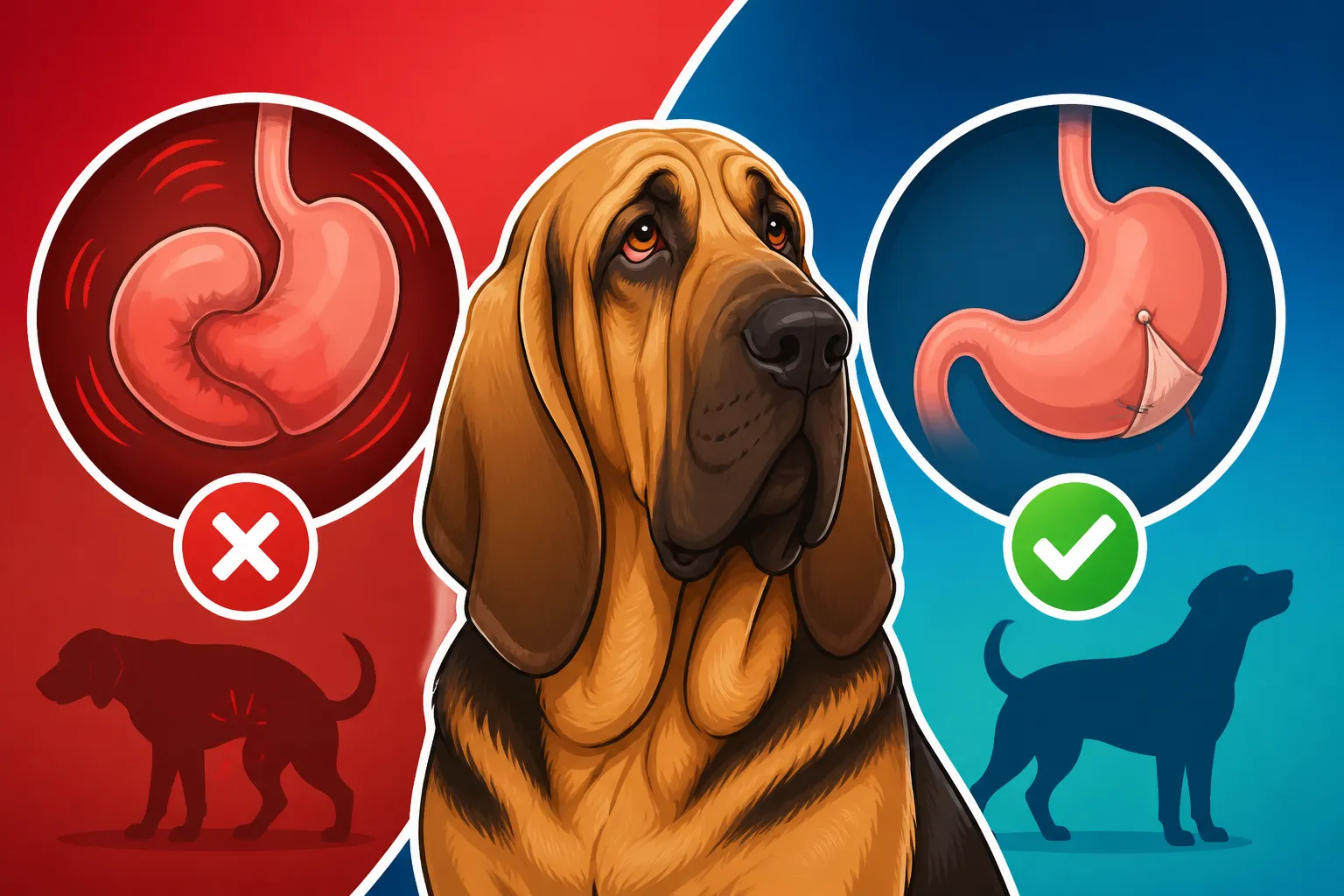
A gastropexy is a surgical procedure where a section of your dog's stomach (specifically, the pylorus, the lower part of the stomach) is permanently attached to the abdominal wall. Think of it as tacking the stomach in place. This attachment prevents the stomach from twisting, which is the "volvulus" part of GDV. While a gastropexied Bloodhound can still experience gastric dilation (meaning the stomach can fill with gas), it cannot rotate, thus preventing the life-threatening blockage of blood flow and the internal damage that typically occurs.
This distinction is crucial: a gastropexy doesn't prevent bloat itself, but rather the most dangerous consequence of bloat – the twist. If a gastropexied Bloodhound's stomach fills with gas, it would still cause discomfort and require veterinary attention for decompression, but it would not be the immediate, often fatal, emergency that GDV represents. It transforms a potential death sentence into a manageable, albeit urgent, medical issue. This distinction offers immense peace of mind.
How It Differs from Emergency Bloat Surgery
The difference between a preventive gastropexy and an emergency gastropexy performed during a bloat crisis is vast, both in terms of surgical complexity, risk, and cost. In an emergency bloat surgery, the veterinarian must first untwist the stomach, assess the damage to the stomach tissue and spleen, and only then, if the dog is stable enough, perform the gastropexy. The dog's system is already in shock, making anesthesia and recovery far more perilous. The cost of emergency bloat surgery on a Bloodhound is also significantly higher due to the urgent nature, extended surgical time, and intensive post-operative care required.
A preventive gastropexy, on the other hand, is performed on a healthy, non-emergency patient. The dog is stable, not in shock, and the procedure is typically more straightforward and less invasive. This greatly reduces the risks associated with anesthesia and complications. Think of it like this: would you rather fix a leaky pipe while the house is flooding, or during a scheduled maintenance check? The latter is always safer and more controlled. This is a primary reason why The Gastropexy Decision Every Bloodhound Owner Faces is so important for owners to understand proactively.
The Science Behind Stomach Tacking
The effectiveness of a gastropexy lies in its anatomical alteration. By creating a permanent adhesion between the stomach and the abdominal wall, the natural mobility of the stomach is restricted in a way that prevents it from flipping over. This attachment typically involves suturing the outer layer of the stomach (serosa) to the abdominal muscle wall, allowing scar tissue to form and create a strong, lasting bond.
There are different techniques for achieving this tacking, each relying on creating a stable, long-term connection. The goal is to secure the stomach in a position that makes it physically impossible for it to rotate, even if it distends severely with gas. This simple yet profound surgical intervention leverages basic anatomy to counteract a devastating physiological event.
The Various Types of Gastropexy Procedures
When you discuss a preventive gastropexy with your veterinarian, you'll learn that there isn't just one way to perform the procedure. Advancements in veterinary medicine have introduced several approaches, each with its own advantages and considerations.
Open Incision Gastropexy
The traditional method for performing a gastropexy is the open incision technique. This involves a conventional surgical approach where the veterinarian makes a single incision on the abdomen, typically along the midline. Through this incision, they gain direct access to the stomach and the abdominal wall. Once the stomach is correctly positioned, sutures are used to create a strong adhesion between a portion of the stomach and the internal abdominal musculature.
While it is more invasive than other methods, requiring a larger incision and generally a longer recovery time, the open incision gastropexy is highly effective and has a long track record of success. It allows the surgeon excellent visibility and direct manipulation of the tissues, which can be advantageous in certain situations. It's a reliable option that many veterinarians are skilled in performing, providing a robust, permanent solution.
Laparoscopic Minimally Invasive Gastropexy
A growing number of veterinary practices now offer laparoscopic gastropexy, which is a minimally invasive approach. This procedure utilizes a small camera and specialized instruments inserted through tiny incisions (keyholes) in the abdomen. The surgeon watches a monitor to guide their instruments, making the necessary attachments with significantly less trauma to the surrounding tissues. This can be a particularly appealing option for many Bloodhound owners.
The benefits of a laparoscopic gastropexy are significant: reduced pain post-operatively, smaller incisions, and often a faster recovery time compared to open surgery. This means your Bloodhound might be back to their usual self more quickly. While it may sometimes carry a higher price tag due to specialized equipment and training, the reduced recovery burden and improved comfort for your dog can make it a worthwhile investment. It’s also important to consider that not all veterinary clinics are equipped to perform this specialized procedure, so you might need to seek out a referral.
Incidental Gastropexy with Spay/Neuter
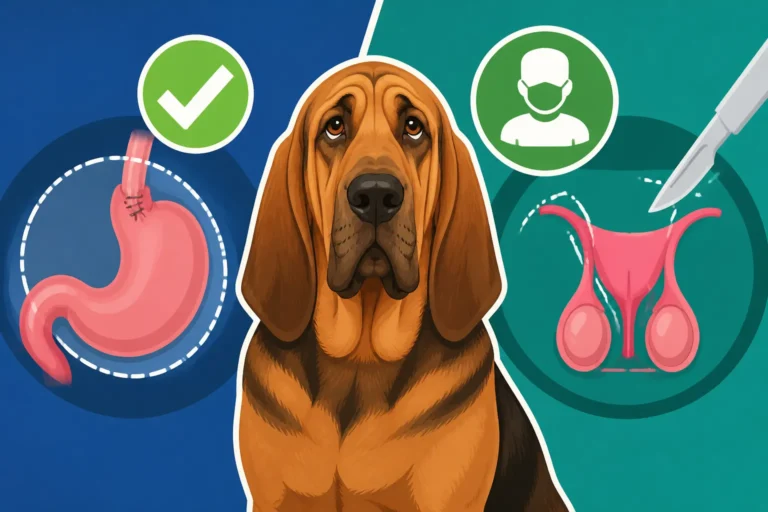
For many Bloodhound puppies, the timing of their spay or neuter procedure presents an excellent opportunity to perform an incidental gastropexy. Since the dog is already undergoing anesthesia for another abdominal surgery, adding a gastropexy at the same time is both convenient and often more cost-effective. The surgical access is already established, reducing the overall anesthetic time compared to two separate procedures. This is a practical and increasingly popular choice among owners of at-risk breeds.
Combining the procedures means a single recovery period for your dog, rather than putting them through two separate rounds of surgery and rehabilitation. Discussing the age a Bloodhound should have a gastropexy with your vet is crucial, as performing it concurrently with a spay or neuter can make logistical and financial sense for many families. It simplifies scheduling and can help alleviate some of the cost burden if you're already factoring in the expense of desexing your puppy. Many reputable breeders and veterinarians strongly recommend this combined approach.
Benefits of Choosing a Proactive Approach
Deciding to put your healthy Bloodhound through surgery, even a preventive one, is a big step. However, the benefits of a preventive gastropexy, particularly in a breed so predisposed to GDV, far outweigh the initial concerns for many owners. It’s about investing in their long-term health and your peace of mind.
Significantly Reducing GDV Mortality Risk
The primary and most critical benefit of a preventive gastropexy is its profound impact on reducing the mortality associated with bloat. While a gastropexied dog can still experience gastric dilation, the stomach's inability to twist means that the immediate, life-threatening crisis of a ruptured stomach, spleen damage, and profound shock is largely averted. This transforms a rapidly fatal emergency into a condition that, while serious, offers a much better prognosis.
For Bloodhound owners, this reduction in mortality risk is invaluable. It means that if your dog does bloat, you’re far more likely to have the time to get them to the vet for decompression and supportive care, without the added terror of their stomach twisting. This single benefit alone makes the procedure a cornerstone of preventive care for many large and giant breed owners. It quite literally saves lives.
Peace of Mind for Bloodhound Owners
Beyond the direct medical benefits, a preventive gastropexy offers something profoundly important for owners: peace of mind. Living with a Bloodhound means constantly being aware of the bloat risk. Every time they eat quickly, every anxious moment, every unusual burp can trigger a surge of worry. Knowing that the deadliest aspect of bloat has been surgically prevented can significantly reduce this chronic underlying stress.
This doesn't mean you stop monitoring your dog entirely or ignore the signs of gastric distension. However, it means the immediate, heart-stopping panic that comes with the fear of a twisted stomach is largely removed. You can allow your Bloodhound to live a fuller, less restricted life, perhaps engaging in more vigorous play or enjoying meals without as much constant surveillance, knowing you've taken a significant step to protect them. This sense of security is truly priceless.
Potential Long-Term Cost Savings
While an upfront surgical cost, a preventive gastropexy can actually lead to significant long-term financial savings. The cost of an emergency bloat surgery, particularly if it occurs after hours or involves complications like spleen removal, can easily reach several thousands of dollars, ranging from $3,000 to $8,000 or even more. This doesn't include the cost of intensive care, repeat visits, or potential complications. In contrast, a preventive gastropexy, especially if performed during a spay or neuter, typically costs a fraction of that amount. Many owners find relief in pet insurance plans like those offered by Healthy Paws, which can help mitigate the costs of both emergency and sometimes even elective procedures if the policy is in place before any issues arise.
Consider the "What a Preventive Gastropexy Costs on a Bloodhound" and compare it to "What Emergency Bloat Surgery Costs on a Bloodhound" – the difference is stark. By choosing prevention, you're not only investing in your dog's health but also potentially safeguarding your finances against a catastrophic emergency vet bill. This proactive financial planning is a smart move for any Bloodhound owner, as the operating room is where a Bloodhound's money is spent in the operating room.
| Feature | Preventive Gastropexy | Emergency GDV Surgery |
|---|---|---|
| Patient Status | Healthy, stable | Critically ill, in shock |
| Primary Goal | Prevent stomach twisting | Untwist stomach, treat shock, address damage, then pexy |
| Surgical Risk | Lower due to patient stability | High due to systemic compromise |
| Recovery Time | Generally shorter and smoother | Longer, more intensive, prone to complications |
| Cost | Significantly lower (often $400 – $1,500) | Significantly higher (often $3,000 – $8,000+) |
| Peace of Mind | High, knowing twist is prevented | Minimal until full recovery, high stress |
| Spleen Removal | Rare (unless other issue) | Common due to twisting and damage |
What to Expect: The Surgical Process and Recovery
Understanding the step-by-step journey of a preventive gastropexy can help alleviate some of the natural anxieties you might have about your Bloodhound undergoing surgery. From the initial preparations to the post-operative care, being informed empowers you to better support your companion.
Pre-Surgical Preparations and Anesthesia
Before your Bloodhound even enters the operating room for a preventive gastropexy, there are important preparations. Your veterinarian will conduct a thorough physical examination and typically recommend pre-anesthetic bloodwork. This ensures your dog is healthy enough for surgery and helps identify any underlying conditions that could affect the anesthesia or recovery. For older Bloodhounds or those with known heart concerns, additional cardiac screenings might be advised. Your vet will also provide specific instructions regarding fasting before the surgery.
On the day of the procedure, your Bloodhound will be admitted to the clinic. They will receive pre-medication to help them relax and provide initial pain relief before anesthesia. The veterinary team will then carefully induce general anesthesia and monitor vital signs throughout the entire procedure, including heart rate, respiration, blood pressure, and oxygen saturation. Anesthesia protocols are tailored to each individual dog, ensuring their safety and comfort.
The Procedure Itself
Once your Bloodhound is under stable anesthesia, the surgical site will be meticulously clipped and prepared. The surgeon will then proceed with either an open or laparoscopic technique, as discussed earlier. Regardless of the method, the core objective remains the same: to create a permanent attachment between the stomach and the abdominal wall. This is usually done by incising a small strip of the seromuscular layer (the outer layers of the stomach) and suturing it to a corresponding muscle layer of the abdominal wall. The stomach is then effectively "tacked" into place, preventing future rotation.
The specific details of the suturing technique can vary, but the emphasis is always on creating a strong, durable bond that will hold for the remainder of your Bloodhound's life. After the gastropexy is complete, the surgical site will be closed carefully, layer by layer, with dissolvable sutures internally and often external skin sutures or surgical glue. The entire procedure is performed with strict sterile technique to minimize the risk of infection.
Post-Operative Care and Recovery Timeline
The recovery from a preventive gastropexy is generally much smoother than that of emergency bloat surgery. Your Bloodhound will typically go home the same day or the following day, depending on the type of procedure and individual recovery. They will likely be groggy from anesthesia and will have mild discomfort, which will be managed with prescribed pain medication. You'll receive clear instructions on administering medication, monitoring the incision site, and restricting activity.
A critical part of post-operative care involves activity restriction. For the first 10-14 days, vigorous exercise, jumping, or rough play should be strictly avoided to allow the surgical site to heal properly and the stomach to form a strong adhesion. Leash walks for potty breaks are usually fine, but intense activity is a no-go. The incision site should be kept clean and dry, and you'll need to prevent your Bloodhound from licking or chewing at it, possibly with the help of an Elizabethan collar (the "cone of shame"). Most Bloodhounds make a full recovery within 2-4 weeks. To learn more about this period, check out How Long a Bloodhound Takes to Recover From a Gastropexy.
Making the Informed Decision for Your Bloodhound
The decision to move forward with a preventive gastropexy is a personal one, but it's one that many Bloodhound owners ultimately choose for their beloved companions. It involves careful consideration, open discussion with your veterinary team, and a clear understanding of the implications.
Discussing with Your Veterinarian
Your veterinarian is your most valuable resource when considering a preventive gastropexy. They can assess your Bloodhound's individual health, discuss their specific risk factors for bloat, and explain the different surgical options available at their clinic or through a referral. Don't hesitate to ask about their experience with the procedure, the anesthesia protocols they use, and what the pre- and post-operative care will entail. They can also address any specific concerns you have about your dog's temperament or existing health conditions.
This consultation is also the perfect time to inquire about "Whether a Gastropexy Can Be Done at a Bloodhound's Neuter" or other concurrent procedures. Being prepared with a list of questions will ensure you get all the information you need to feel confident in your decision. Your vet will help you weigh the risks versus the immense benefits for your individual Bloodhound.
Considering Age and Overall Health
The timing of a preventive gastropexy is an important factor. Most veterinarians recommend performing the procedure while the dog is still young and healthy, often between 6 months and 2 years of age. This allows them to recover more quickly and ensures they receive the protection before their risk of bloat significantly increases. Performing it at the same time as a spay or neuter is a common and logical choice, as discussed earlier.
However, a gastropexy can be performed on an older Bloodhound as well, provided they are in good general health and deemed a suitable candidate for anesthesia. Your vet will conduct thorough health screenings to ensure there are no underlying issues that could complicate the surgery or recovery. The goal is always to perform the procedure when your Bloodhound is at their healthiest, minimizing risks and optimizing outcomes.
Financial Considerations and Pet Insurance
It's natural to consider the financial aspect of any elective surgery. While a preventive gastropexy represents an upfront cost, it's typically far less than the astronomical bills associated with emergency bloat surgery. Costs can vary widely depending on your geographic location, the type of procedure (open vs. laparoscopic), and whether it's performed with another surgery. Many veterinary clinics will provide an estimate to help you plan.
This is also where pet insurance can play a significant role. Policies from providers like Healthy Paws often cover elective surgeries like gastropexy, especially if the policy is active and the procedure is recommended by a vet before any signs of bloat have occurred. It's always a good idea to check with your insurance provider before the procedure to understand your coverage, deductibles, and reimbursement rates. Proactive planning can make this important preventive step more financially manageable. Understanding your coverage and "Whether a Gastropexy Is Covered by Insurance" can relieve a lot of stress.
Living with a Gastropexied Bloodhound
Even after your Bloodhound has successfully undergone a gastropexy, life with them continues, and there are still important considerations to keep in mind. The procedure is a safeguard against twisting, but it doesn't eliminate all bloat-related concerns.
Does a Gastropexy Eliminate Bloat Risk Entirely?
This is a common and critical question for Bloodhound owners. The simple answer is no, a gastropexy does not eliminate bloat risk entirely. It specifically prevents the stomach from twisting (volvulus). Your Bloodhound can still experience gastric dilation (the "bloat" part), where their stomach fills with gas. While this distension can still cause discomfort and be a serious issue, it typically isn't the immediate, life-threatening emergency that GDV (gastric dilation-volvulus) is, because the stomach cannot twist and cut off blood supply.
If a gastropexied Bloodhound does experience gastric distension, they would still need veterinary attention to decompress their stomach, usually through a tube passed down the esophagus or, in rare cases, a needle into the stomach. However, the critical window for intervention is usually longer, and the prognosis is significantly better. It truly takes the deadliest aspect of bloat off the table.
Continued Vigilance and Management
Even with a gastropexy, continued vigilance is crucial for any Bloodhound owner. You should still practice good management techniques to minimize the chances of gastric distension. This includes feeding multiple, smaller meals throughout the day instead of one large one, limiting vigorous exercise immediately before and after eating, and using slow-feeder bowls if your Bloodhound tends to eat too quickly. Stress reduction can also play a role, as anxiety can sometimes contribute to digestive upset.
Observing your Bloodhound for any signs of discomfort after meals, excessive panting, or changes in their abdominal appearance is still important. While a twisted stomach is no longer a worry, a severely distended stomach can still be very uncomfortable and requires prompt veterinary assessment. The gastropexy is a powerful tool, but it's part of a comprehensive approach to your Bloodhound's health. You might also wonder, "Whether a Gastropexied Bloodhound Still Needs Split Meals," and the answer is generally yes, to minimize distension.
The Long-Term Impact on Your Bloodhound's Life
For most Bloodhounds, a preventive gastropexy has a profoundly positive long-term impact on their quality of life. Owners report feeling less anxious, which in turn allows for a more relaxed home environment. Your Bloodhound can enjoy their food, play, and daily activities without the constant shadow of a potential bloat emergency. The physical recovery is usually complete, with no ongoing discomfort or limitations from the procedure itself.
The scar from the surgery usually heals well and becomes less noticeable over time. In essence, a gastropexy provides a vital layer of protection that allows Bloodhounds to live their lives more fully, and owners to cherish their time with them with greater peace of mind. It’s an investment in a healthier, happier future for your best friend.
Disclaimer
The information provided in this guide is for informational purposes only and does not constitute veterinary medical advice. Always consult with a qualified veterinarian for any health concerns or before making any decisions about your Bloodhound's care, including surgical procedures.