Whether a Bloodhound Can Trail a Missing Child
When a child goes missing, the clock starts ticking, and every parent's worst nightmare becomes a terrifying reality. In these moments of unimaginable fear and desperation, the unique abilities of a Bloodhound can offer a glimmer of hope and a powerful tool in the search. This guide aims to shed light on how these incredible dogs are trained and deployed to find missing children, and what you can expect from their involvement.
The Bloodhound's Extraordinary Olfactory Prowess
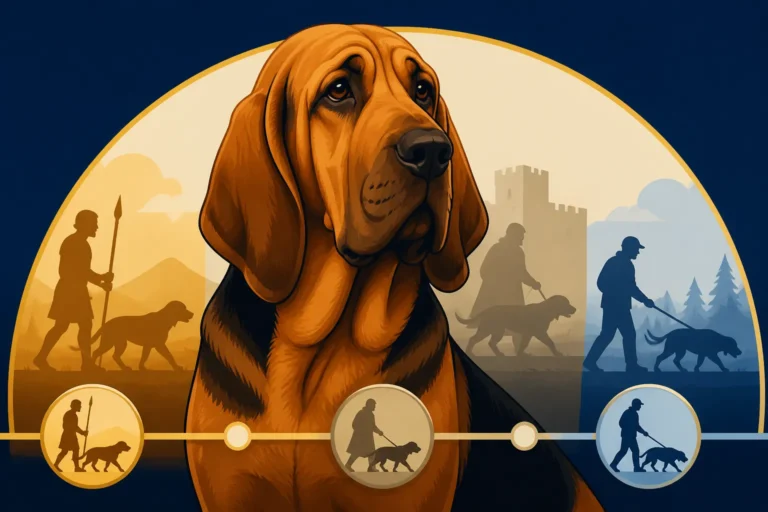
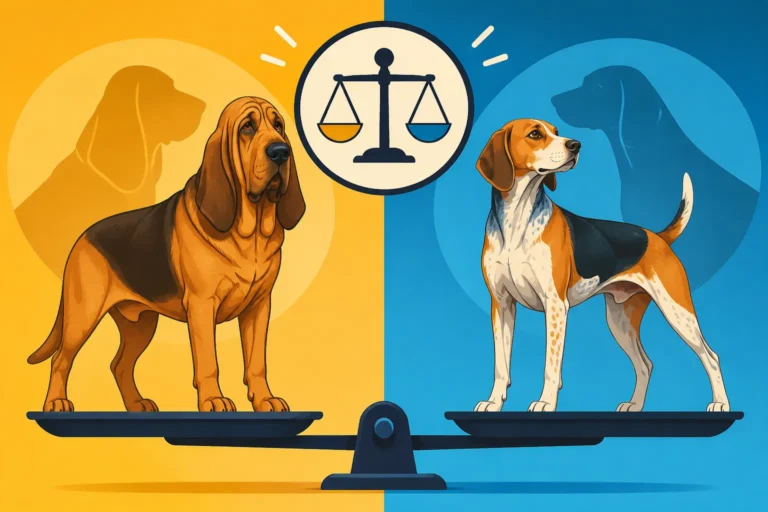
It's no exaggeration to say that a Bloodhound's nose is legendary. These dogs possess an olfactory system that is truly unparalleled in the canine world, making them the gold standard for human scent trailing. Unlike other breeds that might be used for general area searches or cadaver detection, Bloodhounds are specifically designed by centuries of breeding to follow the unique individual scent of a human being. This isn't just a strong sense of smell; it's a finely tuned instrument capable of distinguishing one person's scent from countless others, even after a significant amount of time has passed.
Their physical characteristics play a huge role in this exceptional ability. Those long, pendulous ears aren't just for looks; they sweep scent particles from the ground up towards their nose, effectively concentrating the scent cone and helping them maintain focus on the trail. The abundant loose skin, especially around their head and neck, creates folds and wrinkles that can trap and hold scent particles, further enhancing their ability to discern even faint traces. When you combine these physical adaptations with an astonishing number of scent receptors – estimated to be around 300 million, compared to a human's mere 5 million – you have an animal perfectly engineered for scent detection. It’s this combination of biology and breeding that makes them so effective and why they hold such a unique place in search and rescue.
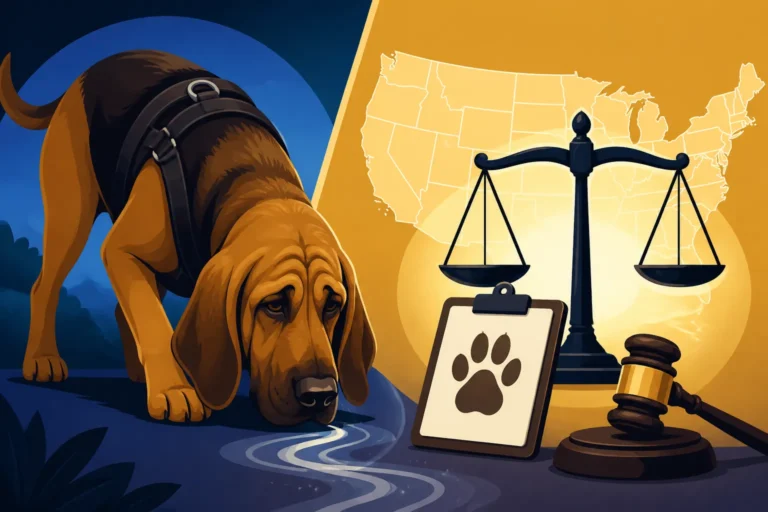
Furthermore, the Bloodhound's reputation isn't just anecdotal; it's legally recognized. In many jurisdictions, the evidence gathered by a Bloodhound on a trail is admissible in court, a testament to the breed's accuracy and reliability. This legal standing underscores the trust placed in their abilities, not just by handlers and victims' families, but by the justice system itself. When a Bloodhound is brought in for a missing child case, it's not just a desperate attempt; it's leveraging a proven, highly specialized resource. Understanding this foundation helps us appreciate the gravity and potential impact of their work.
The Process of Trailing a Missing Child
When a Bloodhound is called to a missing child case, the process typically begins with obtaining a "scent article." This is an item that the missing child has recently and exclusively touched or worn, like a t-shirt, a blanket, a toothbrush, or a hairbrush. The goal is to get a clean, uncontaminated sample of the child's unique scent. This is absolutely critical because the Bloodhound will be relying solely on this sample to lock onto the child's individual scent signature. Contamination from other family members or pets can make the dog's job infinitely harder, sometimes even impossible, by presenting conflicting scent profiles.
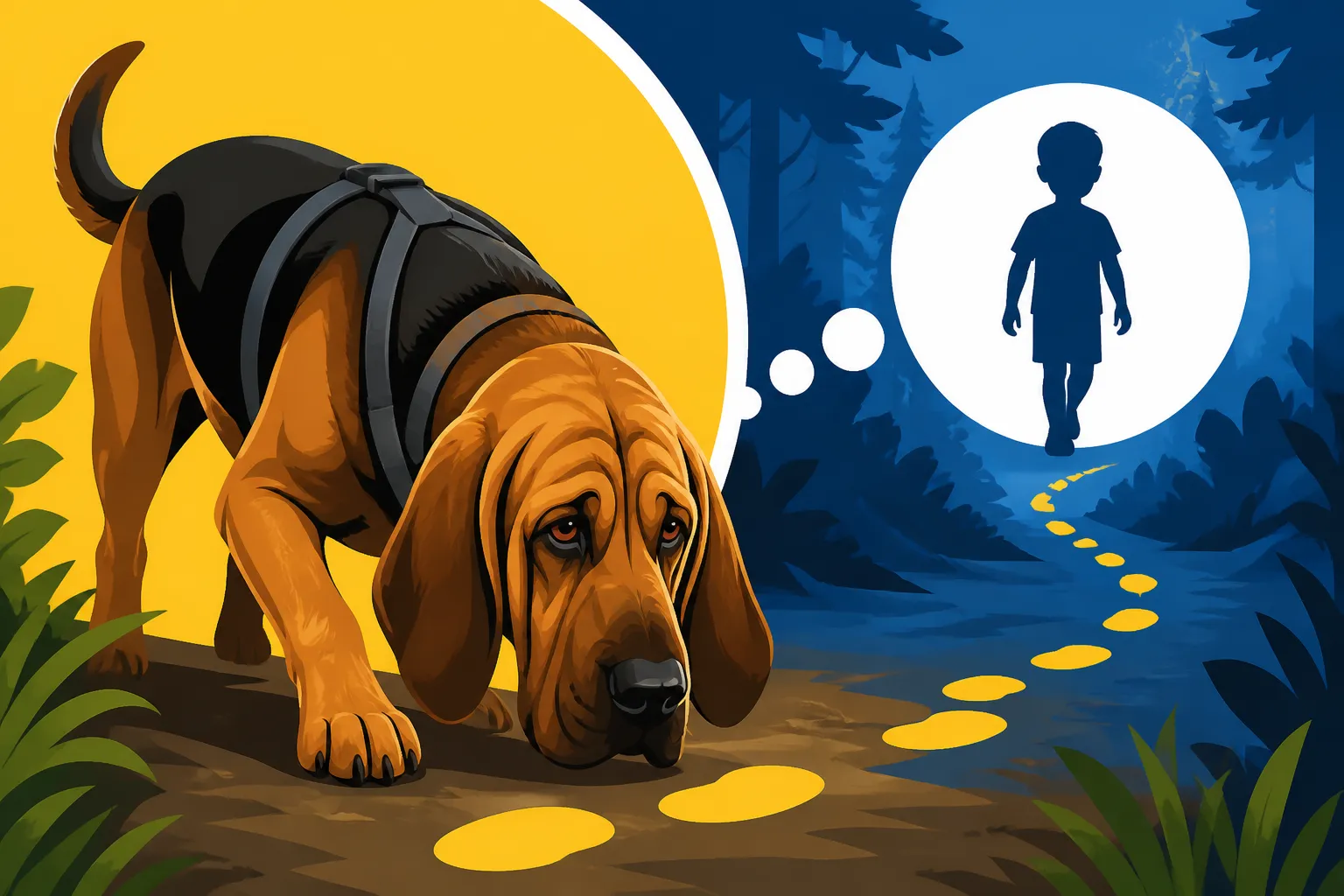
Once the scent article is presented, the Bloodhound, usually fitted with a specialized harness and a long line, will be given the command to "find" or "search." The dog then uses its incredible nose to pick up the trail, often starting from the last known location of the child. It's important to understand that a Bloodhound doesn't follow footprints; it follows the microscopic skin cells and other biological detritus that every human sheds constantly, creating a unique "scent cone" wherever they go. The dog will often work with its head low to the ground, sniffing intently, meticulously following the faintest wisps of scent. Their focus is so intense that they often seem oblivious to the world around them, truly operating in a scent-driven tunnel vision. This is why attempting to call a Bloodhound off a scent once it's on a trail is virtually impossible and counterproductive.
Environmental factors play a significant role in how well a trail can be preserved and followed. Rain, for example, can wash away scent particles, making a trail much harder to follow, though a Bloodhound's ability is still remarkable even in adverse conditions. Whether Rain Destroys a Bloodhound's Trail is a common concern, but even after a downpour, residual scent can cling to surfaces. Wind can scatter scent, making it difficult for the dog to discern the precise direction of travel, as addressed in Whether Wind Moves the Scent a Bloodhound Follows. Different surfaces also hold scent differently; asphalt and concrete, for instance, don't hold scent as well as natural ground or vegetation, but Bloodhounds are still capable of working urban environments. This means a Bloodhound might be able to find a child who has wandered into a busy town square, as discussed in Whether a Bloodhound Can Work a Downtown Sidewalk. The handlers are trained to interpret their dog's behavior, knowing when the dog is actively on the trail, when it's searching for a lost trail, or when it has successfully located the person.
Managing Expectations and Understanding Limitations
While Bloodhounds are truly incredible, it's vital to approach any search effort with realistic expectations. No dog, no matter how gifted, is a magic bullet, and several factors can influence the success of a trail. The age of the trail is a major consideration. While Bloodhounds have been known to follow trails that are days old, even a week or more, as highlighted in How Old a Trail a Bloodhound Can Follow, a fresher trail is always going to yield better results. The longer a child has been missing, the more dispersed the scent becomes due to weather, foot traffic, and the natural breakdown of scent particles.
Contamination is another critical challenge. In the immediate aftermath of a child going missing, many people often rush to help, inadvertently walking through the area and laying down their own scent. This "trampling" can severely degrade the original scent picture, creating a complex puzzle for the Bloodhound. It's why first responders often try to secure the last known area and limit access. The quality of the scent article also matters immensely; a worn sock that has been in a plastic bag away from other scents is far better than a toy that everyone in the family has handled. Furthermore, the environment itself can be a massive hurdle; dense urban areas with heavy vehicle exhaust and a multitude of human scents present a far greater challenge than a quiet rural path.
The human element, specifically the handler's skill and experience, is just as crucial as the dog's nose. A Bloodhound handler isn't just someone holding a leash; they are skilled professionals who can "read" their dog, understand its subtle cues, and interpret what the dog's behavior is telling them about the trail. They know when the dog is confirming scent, when it's confused, or when it's truly on target. Whether a Bloodhound Handler Must Be Qualified to Testify in court emphasizes the high level of training and certification required for these teams. It's a partnership built on trust, training, and countless hours of practice, often with equipment sourced from reputable online retailers like Chewy, where they can find durable long lines and proper harnesses. Without an experienced handler, even the most talented Bloodhound may struggle to be effective in a real-world search scenario.
Integrating Bloodhounds into Search and Rescue
When a child is reported missing, involving a Bloodhound team is often a key step in the initial search phase. These teams are typically part of volunteer search and rescue organizations, law enforcement agencies, or specialized private groups. They work in close coordination with other search personnel, emergency services, and law enforcement officers, each playing a vital role in a comprehensive search strategy. The Bloodhound's job is specific: to determine a direction of travel and potentially locate the child based on their individual scent, providing invaluable intelligence to the larger search effort.
The call-out procedure for a Bloodhound team varies by location and organization, but generally involves contacting local law enforcement, who then activate their K9 resources or reach out to affiliated volunteer teams. When a team arrives, they will conduct an initial assessment, gather information about the missing child, the last known location, and collect the scent article. They'll also consider factors like the weather, terrain, and how long the child has been missing, as mentioned in considerations like Whether Heat Shortens What a Bloodhound Can Do. It's a highly methodical approach, despite the urgency of the situation.
Upon finding the child, a Bloodhound's natural instinct is not to attack or restrain, but typically to approach gently, often nudging or baying to alert its handler. This inherent gentleness makes them ideal for finding vulnerable individuals, including children, as well as those with conditions like dementia who might be easily startled, as described in Whether a Bloodhound Finds People With Dementia. The Bloodhound's ultimate goal, What a Bloodhound Does at the End of a Trail, is simply to lead its handler to the source of the scent. After a long and successful trail, the dog will be lavishly praised and rewarded, often with a favorite toy or a high-value treat, sometimes purchased from Chewy along with their regular food and supplies. It's a powerful moment for everyone involved, a testament to the dedication of the dog and its handler. Equip your dog correctly from the start. Many handlers source specialized gear like durable long lines and specific harnesses from online retailers like Chewy, ensuring their dogs have the best equipment for demanding work.
Maintaining a Bloodhound's health, from nutritional needs to joint support, is paramount for their working longevity. Owners often turn to trusted providers like Chewy for high-quality large breed dog food and supplements to keep their working dogs in top condition. After a long, strenuous search, a Bloodhound deserves a good rest and perhaps a special treat. Many owners find a wide variety of enrichment toys and treats suitable for large, scent-driven breeds on Chewy's website. Equipping a handler with necessary items, like headlamps, first-aid kits (for both human and canine!), and even comfortable footwear, can be almost as involved as outfitting the dog. Some may even stock up on portable water bowls and high-energy snacks for their dog from places like Chewy. Families preparing for a potential search, or simply wanting to be prepared for any eventuality, might consider durable microchip tags or GPS trackers available from retailers like Chewy, which can be invaluable tools for any adventurous hound.
It’s crucial to remember that these dogs and their handlers are often volunteers, dedicating countless hours to training and being on call, ready to deploy at a moment's notice, potentially using specialized equipment like Whether a Bloodhound Needs a Tracking Collar to keep tabs on their canine partners during a search. Their commitment is a profound act of public service, offering a unique and often indispensable resource when a child's safety is on the line.
Here's a quick look at factors that influence a Bloodhound's trailing success:
| Factor | Positive Impact | Negative Impact |
|---|---|---|
| Scent Article | Clean, recently used, only by the missing person | Contaminated, handled by multiple people, old, very small item |
| Trail Age | Very fresh (hours to a day) | Several days or weeks old |
| Weather | Cool, calm, humid, overcast conditions | Heavy rain, strong winds, extreme heat, very dry air |
| Environment | Natural terrain, quiet rural areas, stable temperature | Busy urban areas, heavy vehicle traffic, rough industrial zones |
| Contamination | Area secured, minimal foot traffic | Many people walking through the area, pets |
| Handler Skill | Experienced, good rapport with dog, strong observational skills | Inexperienced, unable to read dog's cues, lacks tactical understanding |
| Dog's Health | Well-rested, fit, healthy, focused | Tired, ill, distracted, or poorly conditioned |
Disclaimer
This article is for general informational purposes only and does not constitute professional advice. Laws, prices and regulations vary by location and change over time. Consult a qualified professional for guidance on your specific situation.