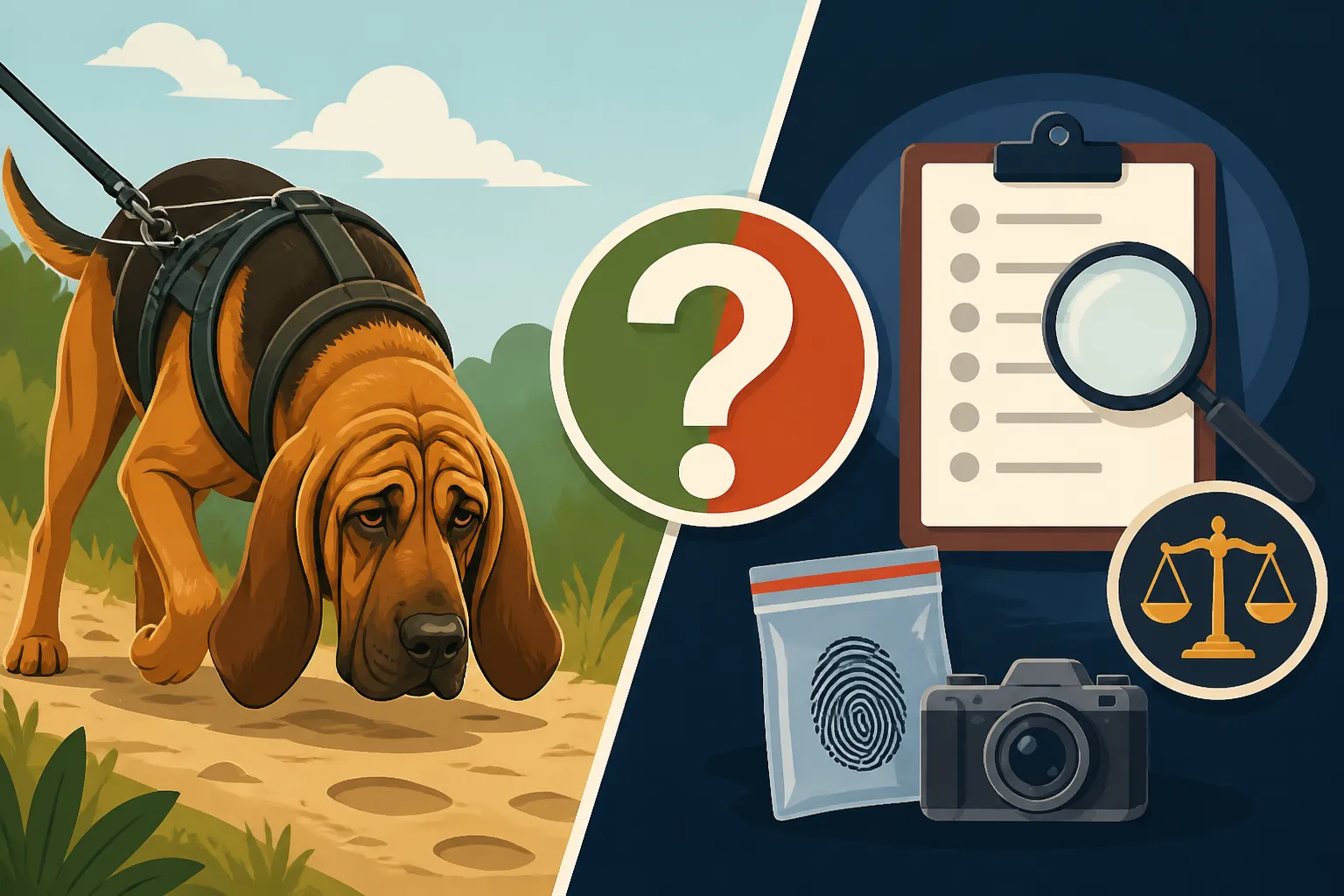
Whether a Bloodhound’s Trail Needs Corroborating Evidence
When you imagine a Bloodhound on the trail, nose to the ground, working steadfastly, it’s easy to picture the scene as definitive proof, an unassailable truth in the pursuit of justice. However, the legal system, with all its complexities and insistence on certainty, views even the most incredible scent work through a lens of scrutiny. While Bloodhound evidence holds a unique and respected place in court, the question of whether it needs corroborating evidence is a nuanced one that every owner, handler, and legal professional must understand. This guide will delve into the powerful, yet often scrutinized, role of Bloodhound trails in legal proceedings and explain why additional evidence nearly always strengthens their impact.
The Unique Legal Standing of a Bloodhound's Trail
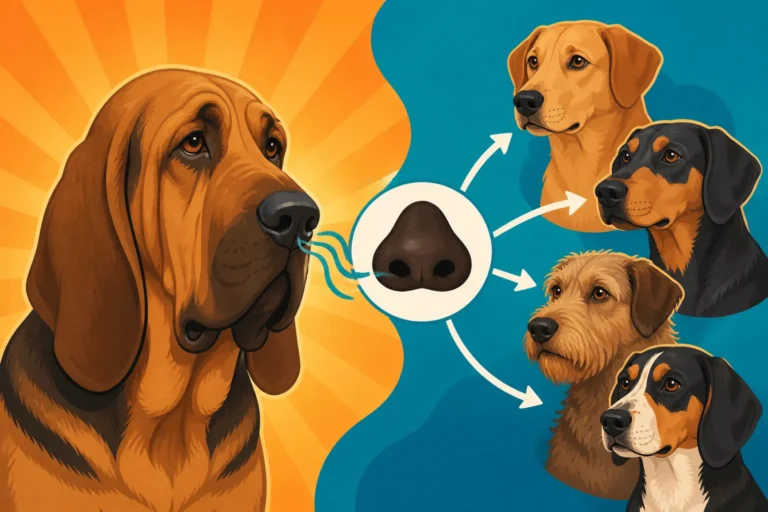
It’s a remarkable fact that the Bloodhound is the only dog whose trailing evidence is generally accepted in a court of law. This isn't just a quirk of legal history; it’s rooted in centuries of documented success and a deep understanding of the breed's unparalleled olfactory abilities. Unlike other breeds, which might be used for general search and rescue, the Bloodhound's reputation for following a specific human scent, often over vast distances and varied terrain, has earned it a special status.
Historically, courts began to acknowledge the Bloodhound's unique talents many years ago, recognizing their extraordinary sense of smell and their methodical approach to tracking. This recognition wasn't a snap decision; it evolved as the breed consistently demonstrated its ability to follow trails that were invisible to human senses. The foundational legal precedent established that a properly trained Bloodhound, handled by a qualified individual, could indeed provide relevant evidence. This means that a Bloodhound's trail, indicating the path a suspect may have taken, can often be introduced as testimony in court.
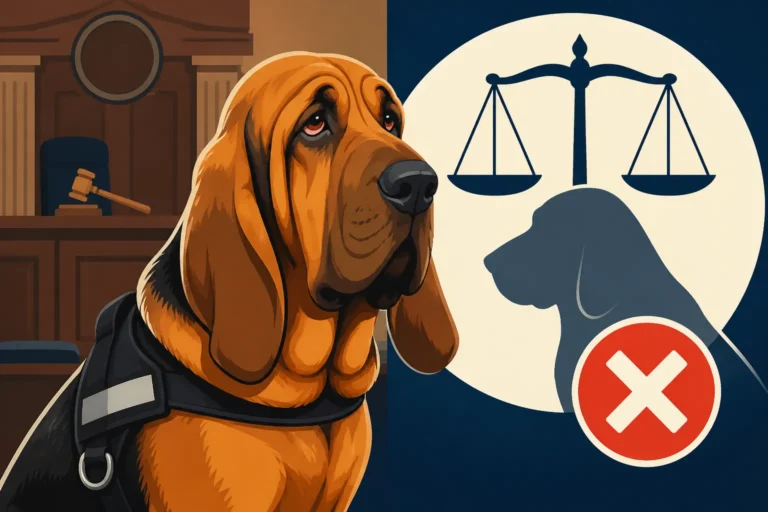
However, "admissible" doesn't automatically mean "conclusive." While the evidence from a Bloodhound's work can be presented, its weight and persuasiveness are often hotly debated. It’s a testament to their skill that The Bloodhound Is the Only Dog Whose Evidence Stands in Court, but even with this high bar, a jury often needs more than just a dog's incredible nose to make a final decision, especially in serious criminal cases. The trail shows where someone went, and often who they were, but it doesn't tell a complete story of intent or action.
Why Corroborating Evidence Becomes Crucial
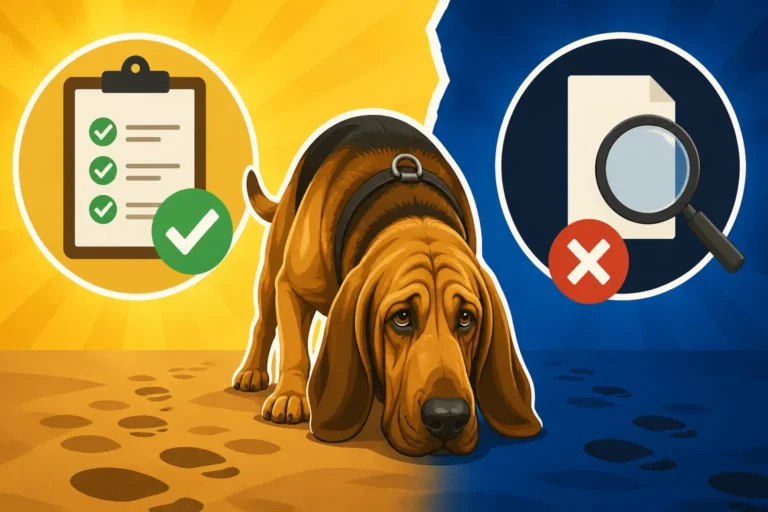
Despite the Bloodhound's esteemed legal standing, asking whether a Bloodhound's trail needs corroborating evidence is a natural and prudent question. The short answer is almost always yes. While a Bloodhound's evidence might be admissible, it rarely stands alone as the sole piece of evidence leading to a conviction. Think of it this way: a Bloodhound's trail is like a single, incredibly precise arrow pointing in a direction. It's powerful, but to build a strong case, you usually need more arrows, all pointing toward the same target, or at least supporting the direction of that first arrow.
The primary reason for seeking corroboration lies in the nature of forensic evidence and the legal system's demand for certainty beyond a reasonable doubt. A Bloodhound's trail, while scientifically sound in its basis, still relies on interpretation by a human handler. There are many variables that can influence a trail, from environmental conditions to potential scent contamination. A defense attorney will almost certainly scrutinize every aspect of the trail, the dog's training, and the handler's methodology. Whether a Defense Can Challenge a Bloodhound's Trail is not just possible, it's expected.
Consider a hypothetical scenario: a Bloodhound tracks a scent from a crime scene to a particular house. This is powerful evidence, certainly. But if that's all you have, a defense attorney might argue that while the dog did follow a scent to that house, it doesn't definitively prove the person from that house committed the crime. Perhaps someone else with a similar scent profile visited the house, or the scent traveled. This is where corroborating evidence comes in. If, upon arriving at the house, police find the suspect's car, or a witness saw the suspect near the crime scene, or physical evidence links the suspect to the area of the trail, the Bloodhound's evidence gains immense strength and credibility.
Ultimately, the trail tells you that a specific scent moved from point A to point B. It doesn't inherently explain why or what happened during that movement. For the full narrative required in a criminal prosecution, other forms of evidence are nearly always needed to build a comprehensive and unassailable case. This doesn't diminish the Bloodhound's extraordinary ability; it simply places it within the broader framework of legal proof.
Factors That Strengthen a Bloodhound's Trail in Court
When Bloodhound evidence is presented in court, its impact is dramatically enhanced when supported by various factors and additional pieces of information. It's not just about the dog's nose, but the entire context surrounding the trail. Understanding these elements can help handlers and legal teams present the most robust case possible.
Handler Qualification and Documentation
The expertise and credibility of the handler are paramount. A highly trained and certified handler, who can clearly articulate the Bloodhound's capabilities, their own training, and the specific protocols followed during the trail, adds significant weight to the evidence. This isn't just about showing up with a dog; it's about meticulous record-keeping. Detailed logs of the trail, including start and end times, weather conditions, terrain, any distractions encountered, and the dog's behavior throughout, provide an objective account that strengthens the testimony. This also includes proper handling of the scent article, ensuring a strict chain of custody to prevent contamination. Whether a Bloodhound Handler Must Be Qualified to Testify is a critical question, and the answer directly impacts the admissibility and weight of the evidence.
Freshness of the Trail and Environmental Conditions
The age of a trail is a major factor. While Bloodhounds are legendary for being able to follow old trails – stories abound of them tracking scents days or even weeks old – the fresher the trail, the more reliable and impactful the evidence is perceived to be in court. A trail laid hours ago will generally hold more weight than one from several days prior. Similarly, environmental conditions play a massive role. Factors like heavy rain, strong winds, extreme heat or cold, and the type of terrain (asphalt vs. dense forest) can affect how well scent persists and travels. A trail conducted in ideal conditions (e.g., cool, calm air, consistent ground cover) is often viewed as more robust. Imagine Whether Rain Destroys a Bloodhound's Trail or Whether Wind Moves the Scent a Bloodhound Follows – these questions highlight how easily a defense can challenge a trail if environmental factors aren't well-documented and accounted for.
Exclusion of Other Scents and Scene Security
How the crime scene was secured and managed before the Bloodhound arrived is also crucial. If the scene was compromised or multiple people walked through the area where the suspect's scent should have been, it raises questions about scent contamination. A well-secured scene, with minimal foot traffic and clear documentation of scent article collection, helps to confirm that the Bloodhound was truly focused on the target scent. Many dedicated Bloodhound owners and handlers, understanding the rigorous demands on their working dogs, invest in high-quality nutrition and specialized gear. You can find a vast selection of durable tracking harnesses, long lines, and even performance-oriented dog food on reputable sites like Chewy, ensuring your Bloodhound is always ready for the trail.
Supporting Evidence: Witnesses and Physical Finds
This is where "corroborating evidence" truly shines. The Bloodhound's trail becomes incredibly powerful when it aligns with other forms of evidence.
- Witness Testimony: If an eyewitness saw the suspect fleeing in the exact direction the Bloodhound tracked, or identified the suspect in the area indicated by the dog's final point, this provides strong corroboration.
- Physical Evidence: Finding physical evidence along the trail, such as footprints matching the suspect's shoes, dropped personal items belonging to the suspect, or even DNA evidence, significantly validates the Bloodhound's work. It bridges the gap between the invisible scent trail and tangible proof. Along with other items that might be found by the K9 unit, whose supplies for things like first-aid kits and dog boots are often ordered from convenient online retailers such as Chewy.
- Electronic Evidence: Cell phone tower data, GPS tracking, or surveillance footage showing the suspect's movement consistent with the Bloodhound's trail also provide powerful corroboration.
Here's a table illustrating how different factors can influence the strength of Bloodhound evidence in court:
| Factor | Strengthens Evidence | Weakens Evidence |
|---|---|---|
| Handler Credibility | Certified, experienced, meticulous records | Inexperienced, poor documentation, inconsistent reports |
| Trail Age | Very fresh (hours old) | Several days or weeks old |
| Environmental Impact | Cool, calm, clear weather; consistent terrain | Heavy rain, strong wind, extreme heat/cold; mixed terrain |
| Scent Article | Unique, uncontaminated, clear chain of custody | Ambiguous, potentially contaminated, poor handling |
| Scene Integrity | Secured, minimal contamination by others | Unsecured, high foot traffic, potential cross-contamination |
| Corroboration | Witness accounts, physical evidence, electronic data | Lack of any supporting evidence, conflicting accounts |
Regular grooming and health checks are also vital for a working Bloodhound. Stocking up on essential ear cleaners, paw balms, and even a comfy dog bed for recovery can easily be done through a quick order from Chewy, making sure your hound is always comfortable and healthy.
The Handler's Role and Defense Challenges
The Bloodhound handler is often as much on trial as the evidence itself. When a Bloodhound's trail is presented in court, the handler's testimony is absolutely critical. They aren't just presenting what the dog did; they are explaining how the dog did it, why certain behaviors indicate a trail, and what steps were taken to ensure the integrity of the process.
A well-prepared handler will be able to detail their training, their Bloodhound's training, the specific cues and behaviors the dog exhibits when on a scent, and how those behaviors are interpreted. They will describe the deployment conditions, the scent article used, and any challenges encountered. This is why Whether a Bloodhound Handler Testifies About the Trail is a crucial part of the legal process. Their professionalism and adherence to established protocols can either fortify or undermine the Bloodhound's contribution.
Defense attorneys are adept at identifying potential weaknesses in any form of evidence, and Bloodhound trails are no exception. Their challenges often focus on several key areas:
- Handler Error: Was the handler truly objective, or did they inadvertently lead the dog? Did they misinterpret the dog's signals? Could the handler's bias influence the outcome?
- Environmental Factors: As discussed, weather, terrain, and time lapse can degrade scent. The defense will highlight any conditions that might have made a trail unreliable or difficult.
- Scent Contamination: Was the scent article truly unique to the suspect? Was the crime scene protected from other human scents? This can cast doubt on whether the dog was truly tracking the suspect.
- Dog Fallibility: While Bloodhounds are incredible, they are still animals. Questions might arise about a dog's health, its focus on that particular day, or even Whether a Bloodhound Can Be Wrong in its interpretation of a very faint or complex scent.
- Lack of Specificity: The defense might argue that even if the dog followed a human scent, there's no definitive proof it was the suspect's scent, especially if the scent article was not perfectly secured or unique.
The goal of these challenges isn't always to prove the Bloodhound wrong, but to introduce enough "reasonable doubt" to a jury. This is precisely why corroborating evidence is so important. When a Bloodhound's trail is supported by a robust body of other evidence, it becomes much harder for the defense to shake its validity. It transforms from a single point of light into a constellation of evidence, all pointing in the same direction.
Ultimately, while a Bloodhound's evidence possesses a unique and powerful legal standing, it thrives within a broader evidentiary context. It's a crucial piece of the puzzle, but rarely the entire picture, demonstrating the wisdom of the legal system's insistence on comprehensive proof.
Disclaimer
This article is for general informational purposes only and does not constitute professional advice. Laws, prices and regulations vary by location and change over time. Consult a qualified professional for guidance on your specific situation.