How Tall a Bloodhound Stands at the Shoulder
It’s easy to look at a majestic Bloodhound and be struck by their sheer presence, their impressive jowls, and those impossibly long ears. But when it comes to understanding their physical dimensions, many new or prospective owners get a little lost, especially regarding their height. How tall do these incredible scent hounds really stand? This guide will walk you through what to expect regarding a Bloodhound’s stature, from official breed standards to the subtle factors that influence their final size, ensuring you're fully prepared for life with one of these magnificent dogs.
Understanding "Standing at the Shoulder" for a Bloodhound
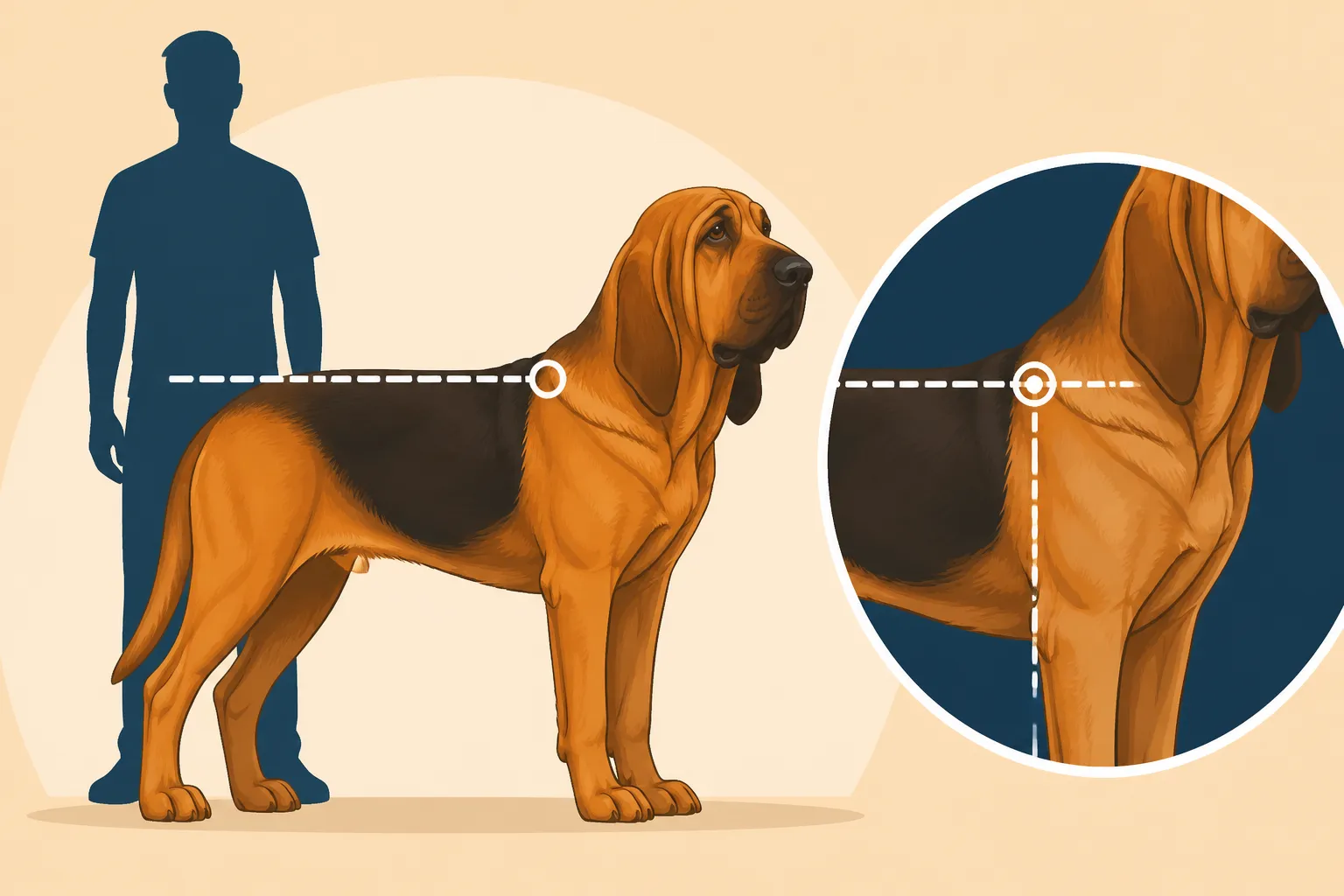
When we talk about a dog's height, especially for a breed like the Bloodhound, the phrase "standing at the shoulder" is incredibly specific and important. It's not about how high their head reaches when they're stretching for a treat, or even the top of their impressive neck rolls. Instead, it refers to the measurement from the ground straight up to the highest point of their shoulder blades, also known as the withers. This is the most consistent and accurate way to gauge a dog's height, irrespective of head carriage or the sag of their beautiful, loose skin.
Why the Withers Measurement Matters
For Bloodhounds, this precise measurement is especially crucial because of their unique anatomy. Their deep chest, long neck, and heavy, wrinkled head can create a visual illusion, often making them seem taller or shorter than they actually are if you're just eyeballing them. By focusing on the withers, breed standards ensure a uniform method of assessment, which is vital for conformation shows and for maintaining the breed's integrity. It ensures breeders are aiming for a consistent structure, which ultimately contributes to the dog's overall health and working ability. Without this standardized approach, every owner and judge would have a different idea of what "tall" means for a Bloodhound.
When considering a Bloodhound for your home, understanding this measurement helps you visualize their true scale. It tells you how tall they'll be walking past your kitchen counters, fitting into your car, or interacting with smaller children. It impacts everything from selecting the right crate to how easily they might swipe something off an unguarded tabletop.
How a Bloodhound's Build Affects Perception
Bloodhounds possess a truly distinctive build that contributes to both their incredible scenting ability and their imposing appearance. Their long, heavy heads, accompanied by those deep-set eyes and abundant loose skin, especially around the face and neck, can make them look quite different from other large breeds. This loose skin, often referred to as "wrinkles" or "dewlap," hangs in folds, particularly on the head and neck, giving them that characteristic mournful or thoughtful expression. While these features are essential for trapping scent particles close to their nose as they trail, they can also visually add bulk and sometimes make the dog appear stockier or shorter than their actual shoulder height dictates.
Their deep chest is another hallmark, providing ample lung capacity for their demanding trailing work. This chest depth, combined with a relatively short back, means that their height at the shoulder is well-supported by a powerful, compact body. However, because their body is so long and low to the ground from nose to tail, the height at the shoulder might not immediately strike you as impressive as, say, a Great Dane's, even though Bloodhounds are undoubtedly large dogs. It's a testament to their unique design – every feature serves a purpose in their unparalleled ability to follow a scent.
The Official Breed Standard for Bloodhound Height
When we talk about any purebred dog, the breed standard is the blueprint. It's the written description of the ideal Bloodhound, outlining everything from coat color and temperament to, yes, their exact size. For Bloodhounds, these standards provide a clear guide for breeders and judges, aiming to preserve the breed's distinctive characteristics and ensure they can perform their historical function as unparalleled scent hounds.
Male Bloodhound Height Expectations
According to the breed standard, an adult male Bloodhound typically stands between 25 and 27 inches at the shoulder. This range isn't just an arbitrary number; it reflects centuries of selective breeding designed to produce a dog that is both powerful enough for arduous trailing and agile enough to navigate varied terrain. While a dog within this range is considered ideal, you might occasionally see a male Bloodhound who is slightly outside these parameters.
It's important to remember that this is the standard, not a strict rule that every single Bloodhound will perfectly adhere to. Just like people, individual dogs can have minor variations. However, significant deviations from this standard—being considerably taller or shorter—might indicate departures from ideal breed type, or perhaps health considerations. Breeders dedicated to the standard strive to produce males firmly within this height range, knowing that this size generally corresponds with the muscularity and stamina required of the breed.
Female Bloodhound Height Expectations
Female Bloodhounds, while still very substantial dogs, are generally a bit smaller than their male counterparts. The breed standard sets their ideal height at the shoulder between 23 and 25 inches. This difference in size, known as sexual dimorphism, is common across many dog breeds, with females often being more refined and slightly less massive than males.
Despite being a couple of inches shorter, a female Bloodhound is by no means small. They still possess the same robust bone structure, deep chest, and characteristic loose skin that defines the breed. Their slightly smaller stature can sometimes make them appear a bit more elegant, but they retain all the power and endurance needed for tracking. For owners, this slight size difference can be a factor when considering the physical demands of managing a large dog, particularly during walks or when training. Whether a Male Bloodhound Is Much Larger Than a Female is a common question, and generally, the answer is yes, though both sexes are unequivocally large dogs.
The Role of Breed Clubs in Maintaining Standards
Breed clubs, such as the American Bloodhound Club, play a pivotal role in preserving the integrity and characteristics of the Bloodhound. They are the custodians of the breed standard, diligently working to ensure that breeders understand and adhere to these guidelines. These clubs often host conformation shows where Bloodhounds are judged against the standard, allowing breeders to evaluate their stock and identify animals that best exemplify the ideal.
By upholding these standards, breed clubs help ensure that future generations of Bloodhounds maintain the physical traits, temperament, and working abilities for which they are renowned. This includes everything from their powerful scenting capabilities to their distinctive appearance and, of course, their size. If you're considering a Bloodhound, looking for breeders who are active in their national breed club and committed to health testing and conformation is a great way to ensure you're getting a well-bred puppy that aligns with these established ideals. You might wonder Whether the AKC Prefers a Taller Bloodhound, and the answer is that they prefer a Bloodhound that fits the entire standard, not just one characteristic like height.
Factors Influencing a Bloodhound's Final Height
While breed standards provide a clear target, a Bloodhound's actual adult height isn't solely determined by genetics. Several factors during their puppyhood and adolescence can significantly influence how tall they ultimately stand at the shoulder. Understanding these elements can help prospective owners ensure their Bloodhound puppy reaches its full, healthy potential.
Genetics and Lineage
Just like in people, genetics play a foundational role in determining a Bloodhound's adult size. A puppy's likely height is largely inherited from its parents and their ancestral lines. If both parents are on the taller end of the breed standard, their offspring are more likely to be taller, and vice-versa. This is why responsible breeders pay close attention to the heights of their breeding stock and their pedigrees, aiming to produce puppies that conform to the ideal ranges.
When you're looking for a puppy, asking about the height of the parents and even grand-parents can give you a good indication of your future companion's potential size. A reputable breeder will be transparent about their dogs' lineage and how it relates to the breed standard. It's a good sign when breeders also participate in health screening programs, as this commitment often goes hand-in-hand with a dedication to producing healthy, well-structured dogs within the appropriate size ranges. This includes looking into What a Health Tested Bloodhound Puppy Costs and understanding what that investment means for your dog's future.
Nutrition and Growth Rate
Nutrition during a Bloodhound's critical growth phases is absolutely paramount for healthy development and reaching their genetic height potential. Large breeds like Bloodhounds grow rapidly, and their dietary needs are very specific. Feeding a high-quality, large-breed puppy formula is essential, as these diets are specially formulated with the correct balance of calcium, phosphorus, and other nutrients to support steady bone and joint development.
Overfeeding, or feeding a diet too rich in certain nutrients, can actually be detrimental. Rapid growth, often fueled by excessive calories or an imbalance of minerals, can put undue stress on a puppy's developing joints, potentially leading to orthopedic issues like hip or elbow dysplasia later in life. This is why paying close attention to feeding guidelines and maintaining a lean body condition throughout puppyhood is so important. A vet can advise on the best food and feeding schedule. Many owners find excellent large-breed puppy food options on sites like Chewy, making it easy to ensure their growing hound gets the right start. You can read more about Whether Overfeeding a Bloodhound Puppy Harms Its Joints to understand the risks.
Exercise and Activity Levels During Development
The amount and type of exercise a Bloodhound puppy receives also plays a part in its healthy growth, and indirectly, its final height and structure. While it might seem counterintuitive, excessive or high-impact exercise during puppyhood can actually be harmful to a large breed's developing bones and joints. Their growth plates are open and vulnerable, and too much strain can lead to injury or improper formation.
Instead of intense, long runs or strenuous agility work, Bloodhound puppies benefit from moderate, age-appropriate exercise. Think structured walks, playtime in a securely fenced yard, and plenty of mental stimulation through scent games. This allows their bones and muscles to develop at a natural pace, supporting their frame as they grow to their impressive adult size. Overdoing it can contribute to joint problems that might impact their posture and overall physical development. It's a balance: too little exercise and they won't develop proper musculature; too much, and you risk injury. For ideas on appropriate exercise, especially as they get older, consider How Much Walking a Bloodhound Needs Daily.
Accurately Measuring Your Bloodhound
Measuring a Bloodhound isn't quite as straightforward as it might seem, especially with their deep chests, long necks, and the natural desire to investigate whatever new object you're holding. However, for those curious about their dog's exact stature or needing measurements for harnesses or crates, doing it accurately is key.
Tools You'll Need
To get an accurate measurement of your Bloodhound's height at the shoulder, you'll need a few simple tools:
- A Dog Measuring Stick (Wither Stick) or a Flat Yardstick/Tape Measure and a Level: A purpose-built dog measuring stick is ideal because it's designed to be precise. If you don't have one, a sturdy yardstick or metal tape measure works, but you'll also need a carpenter's level or even a stiff ruler to ensure you're measuring horizontally from the top of the withers to the ground.
- A Flat, Even Surface: This is non-negotiable. Your Bloodhound needs to stand squarely on a hard, flat surface like concrete, linoleum, or hardwood. Avoid rugs or grass, as these can give an inaccurate reading.
- Treats and Patience: Your Bloodhound will need to stand still and square. This requires positive reinforcement and a calm demeanor from you. High-value treats are your best friend here! You can find a wide variety of these on Chewy, which can be a real game-changer for getting your Bloodhound to cooperate.
- A Helper (Optional but Recommended): An extra set of hands can make a world of difference, especially with a large, sometimes easily distracted dog. One person can hold the dog's attention and keep them square, while the other takes the measurement.
Once you have your tools, ensure your Bloodhound is calm and comfortable. Attempting to measure a squirming or anxious dog will only lead to frustration and inaccurate results.
Step-by-Step Measurement Process
Getting an accurate measurement requires a methodical approach. Here's how to do it:
- Square Stance: The most critical step is getting your Bloodhound to stand squarely. This means their weight should be evenly distributed on all four legs, with their front legs parallel and their hocks (ankles) perpendicular to the ground. Their head should be held in a natural, relaxed position, not craning up or down. You might need to gently position their feet.
- Locate the Withers: Feel along your Bloodhound's spine, just above their shoulders. The withers are the highest point of the shoulder blades, where the neck meets the back. You'll feel a slight bump or ridge there.
- Measure:
- With a Wither Stick: Place the stick next to your dog, ensuring the base is firmly on the ground. Lower the horizontal arm of the stick until it rests gently across the top of the withers. Read the measurement directly from the stick.
- With a Yardstick/Tape Measure and Level: Hold the yardstick vertically next to your Bloodhound, ensuring the zero mark is on the ground. Place the level horizontally across the top of your dog's withers, extending it to meet the yardstick. Read the measurement where the bottom edge of the level intersects the yardstick.
Repeat the measurement a couple of times to ensure consistency. It's common to get slightly different readings, so take the average of your consistent measurements. Remember, accuracy is key, so don't rush the process. A calm and positive experience will make it easier for both you and your Bloodhound next time.
Practical Implications of a Bloodhound's Height
A Bloodhound's impressive stature isn't just a matter of aesthetics or breed standard compliance; it carries significant practical implications for daily life, from the type of home they need to the equipment they use. Owning a large dog means adapting your environment and expectations to accommodate their size.
Living Space Considerations
One of the first things prospective Bloodhound owners often think about is living space. With males typically standing 25-27 inches at the shoulder and females 23-25 inches, they are undeniably large dogs. While their height isn't as extreme as some other giants, their overall bulk and length mean they take up a fair bit of room. A tiny apartment might feel cramped not just for them, but for you too, as you navigate around a sprawling hound.
Consider the dimensions of your home:
- Doorways and Hallways: A full-grown Bloodhound can easily fill a standard doorway. Tight turns in narrow hallways might require some graceful maneuvering from both of you.
- Furniture: They'll want to sprawl on your couch, bed, or floor. Large, comfortable dog beds are a must, and you might find yourself needing a jumbo size from retailers like Chewy. Their height means they can easily reach counters, so "counter-surfing" can become an Olympic sport if left unchecked.
- Outdoor Space: While their exercise needs aren't necessarily about endless running, a securely fenced yard is incredibly beneficial. A Bloodhound's height allows them to see over some shorter fences, and their scent-driven nature means a tempting smell on the other side could easily lead to an escape if the fence isn't tall and sturdy enough. You can learn more about Whether a Bloodhound Suits a Rural Property or other living situations.
Ultimately, while they can adapt to various living situations, a home with ample space, both indoors and out, will make life much more comfortable for a Bloodhound and its human companions.
Equipment and Supplies
The height and general size of a Bloodhound dictate the kind of equipment and supplies you'll need. This isn't a breed that fits into standard "large" dog accessories; often, you'll be looking for "extra-large" or even "giant" sizes.
- Crates: If you plan to crate train, prepare for a sizable investment. An adult Bloodhound will require a very large crate, typically at least 48 inches long, to stand up, turn around, and lie down comfortably. Trying to squeeze them into a smaller crate is inhumane and can cause physical discomfort.
- Harnesses and Collars: Due to their deep chests and powerful build, finding a well-fitting harness can be a challenge. Adjustable harnesses with wide straps are usually best to prevent rubbing and ensure comfort. Their neck circumference also calls for large, durable collars. Make sure you're getting robust hardware that can withstand the strength of a dog their size.
- Feeding Bowls: While the debate on raised feeders for large breeds continues (with some studies suggesting a potential link to bloat risk, though this isn't conclusive), many Bloodhound owners find elevated feeders helpful simply because of their dog's height and long ears. Whatever type you choose, ensure it's heavy-duty and non-slip to prevent spills. Their long ears are famous for dipping into water bowls and food, so finding a bowl that accommodates this can be a blessing! You can find a good selection of specialized bowls on Chewy designed for deep-chested, long-eared breeds.
- Leashes: A strong, sturdy leash is non-negotiable. A Bloodhound on a scent trail is a force to be reckoned with. Their size and determination mean you need a leash that offers reliable control and won't snap under pressure. Training them to walk nicely on a leash is crucial, especially given their strength. You'll likely need to invest in a quality six-foot leash made of durable nylon or leather.
Investing in the right equipment upfront will make your life with a Bloodhound much easier and safer, accommodating their unique physical requirements.
Impact on Interactions and Training
A Bloodhound's height and weight naturally influence how they interact with their environment, other dogs, and people. Understanding this is key to effective training and ensuring harmonious relationships.
- Children and the Elderly: While Bloodhounds are generally gentle and good-natured, their sheer size can be overwhelming, especially for small children or frail elderly individuals. A playful jump or an accidental lean could easily knock someone over. Supervision is always essential, and teaching children how to interact respectfully with a large dog is paramount. Training your Bloodhound to be calm and gentle around vulnerable family members is a lifelong commitment.
- Other Dogs: Their height can make them appear intimidating to smaller dogs, even if their intentions are perfectly friendly. Proper socialization from a young age is crucial to teach them appropriate play styles and manners around dogs of all sizes.
- Training Considerations: Given their strength and size, early and consistent obedience training is vital. A Bloodhound on a scent will ignore almost anything, so reliable leash manners and a strong recall (though rarely used off-leash in unsecured areas) are paramount for safety. Their height also makes them formidable counter-surfers, so training "leave it" and managing access to food are important household rules. Their patient and intelligent nature makes them trainable, but their independent spirit and powerful nose require an understanding and consistent handler. Mantrailing Is the Answer to a Bloodhound, Not Obedience for fulfilling their natural drives.
Debunking Myths About Bloodhound Size
Like many distinctive breeds, Bloodhounds are often surrounded by misconceptions regarding their size, especially concerning their height. Some people might overestimate, imagining them as monstrous giants, while others might underestimate their substantial build, seeing only their gentle eyes. Let's clear up some common myths.
"Taller is Better" in a Bloodhound
It’s a common misconception that a taller Bloodhound is inherently a better or more impressive specimen. This simply isn't true according to the breed standard. The standard specifies an ideal range for height – 25-27 inches for males and 23-25 inches for females – not a desire for the absolute tallest dog possible. A Bloodhound that significantly exceeds these heights may actually be considered outside the ideal breed type, and could potentially be predisposed to certain health issues associated with extreme size, such as increased stress on joints.
What is important is a Bloodhound that is well-proportioned, strongly built, and moves with purpose, all within the established height and weight guidelines. A dog of ideal height, with excellent bone structure, muscle, and the correct gait, is far more desirable than an overly tall dog that might be gangly or lack the characteristic powerful movement of the breed. It's about balance and functionality, not just height for height's sake. The breed standard emphasizes overall harmony and the ability to perform their function, not just towering stature. You can explore more about what makes a Bloodhound desirable by looking into What a Bloodhound Weighs and How Tall It Stands.
Are Working Bloodhounds Taller Than Show Bloodhounds?
There's a persistent idea that Bloodhounds used for active trailing work, such as those in search and rescue or law enforcement, might be bred to be taller or more robust than those primarily seen in the show ring. The reality is, both working and show Bloodhounds should ideally conform to the same breed standard, which includes height. The characteristics that make a Bloodhound excellent at trailing – their incredible nose, stamina, robust health, and correct conformation – are precisely what the breed standard aims to preserve.
A responsible breeder, whether their puppies go to working homes or pet homes, should strive to produce dogs within the standard's height range. An overly tall dog might struggle with agility in tight spaces, while an undersized dog might lack the necessary stride and power for long trails. Good conformation, which includes ideal height, is crucial for preventing injuries and ensuring longevity in any Bloodhound, regardless of its "job." So, while some individual variation might exist, there isn't a deliberate effort to breed working Bloodhounds outside the height standard. In fact, a dog with proper structure and height is often more efficient and less prone to injury during demanding work. Whether a Working Bloodhound Is Leaner Than a Show One might be a more pertinent question, as working dogs often carry less excess weight due to their activity levels, but their skeletal height should remain consistent.
The Bloodhound's Growth Timeline and Size Milestones
Bringing home a Bloodhound puppy is an experience filled with rapid change, especially when it comes to their growth. These puppies grow at an astonishing rate, transforming from floppy, cuddly bundles into imposing, yet still incredibly charming, adults in what feels like the blink of an eye. Understanding their growth timeline can help you prepare for their eventual size and ensure they develop healthily.
Puppyhood: Rapid Growth Spurt
From the moment you bring your Bloodhound puppy home, you'll be amazed at how quickly they gain size. The first six months are typically the period of most rapid growth. During this time, they will put on significant weight and height almost weekly. It's not uncommon for a Bloodhound puppy to double or even triple its size in these early months. This rapid development means their bones, muscles, and joints are under constant construction, making good nutrition and appropriate exercise critically important.
During this stage, you'll want to ensure they are on a diet specifically formulated for large-breed puppies to support controlled growth. Avoid overfeeding, as excessive weight gain can put undue stress on their developing growth plates, potentially leading to orthopedic issues down the line. Regular, gentle exercise like short walks and playtime in the yard are perfect; avoid forced, strenuous activity until their growth plates have closed. It’s also during this phase that you’ll want to size up their collars, harnesses, and crates frequently. Investing in a larger crate than they initially need, or utilizing an adjustable divider, can save you from buying multiple crates as they sprout.
Adolescence: Filling Out and Maturing
After the initial rapid growth of puppyhood, typically between 6 months and 1.5 years of age, a Bloodhound enters its adolescence. While the dramatic height gains might slow down, they will continue to fill out and mature, gaining muscle mass and developing that characteristic powerful build. Their bone structure becomes more substantial, and they start to look more like the adult Bloodhound you envisioned.
During adolescence, their energy levels can be quite high, and their independent, scent-driven nature really comes to the forefront. This is a crucial time for consistent training and socialization. While their height might be close to its adult maximum, their bodies are still solidifying, so continued care regarding exercise and nutrition is important. You'll observe their gait becoming more powerful and coordinated as their musculature develops. This period also often sees their temperament fully emerge, solidifying their gentle, persistent nature. The question of The Age a Bloodhound Stops Growing is often answered around 18-24 months, though they may continue to fill out in body mass for a bit longer.
Adulthood: Final Stature and Weight
By the time a Bloodhound reaches around 18 to 24 months of age, they have generally achieved their full adult height at the shoulder. While they might continue to gain a little more weight and muscle mass, their skeletal growth is largely complete. This is when you can confidently measure them and expect the reading to be their permanent height, falling within the breed standard's range of 25-27 inches for males and 23-25 inches for females.
As adults, their majestic presence truly shines. Their power, endurance, and unparalleled scenting ability are fully developed. Maintaining their ideal weight and condition throughout their adult life is crucial for their long-term health, as carrying excess weight can strain their joints, regardless of their genetically determined height. Regular veterinary check-ups, a balanced diet, and appropriate exercise will ensure your adult Bloodhound remains a healthy, impressive companion for years to come. Remember, while a Bloodhound's height is fixed, their overall health and well-being depend on ongoing care. How Much an Adult Bloodhound Eats will be a constant consideration, varying with their activity level.
Here's a quick look at the typical height and weight ranges for adult Bloodhounds:
| Characteristic | Male Bloodhound | Female Bloodhound |
|---|---|---|
| Height at Shoulder | 25-27 inches (63.5-68.5 cm) | 23-25 inches (58.5-63.5 cm) |
| Weight | 90-110 pounds (41-50 kg) | 80-100 pounds (36-45 kg) |
| General Build | More substantial, heavier boned | Slightly more refined, lighter boned |
This table provides a general guideline. Individual dogs may fall slightly outside these ranges while still being healthy and well-conformed. The key is balance and overall proportion rather than hitting an exact number on the scale or tape measure.
Disclaimer
This article is for general informational purposes only and does not constitute professional advice. Laws, prices and regulations vary by location and change over time. Consult a qualified professional for guidance on your specific situation.