Which Shampoo Suits a Bloodhound’s Skin
One of the biggest struggles Bloodhound owners face isn't just the sheer amount of slobber or the incredible pull on a leash when a scent is found, but keeping that magnificent, loose skin healthy and happy. It's a never-ending battle against moisture, debris, and the general grime that collects in all those glorious wrinkles, and finding the right shampoo often feels like searching for a needle in a haystack. This guide is here to cut through the confusion and help you pinpoint the best shampoos to suit your Bloodhound's sensitive, unique skin.
Understanding Your Bloodhound's Unique Skin and Coat
When you look at a Bloodhound, you see those long, droopy ears, the deep wrinkles around their face and neck, and that distinctive dewlap. What you might not immediately realize is that all of this iconic saggy skin, while essential for trapping scent, also creates an environment ripe for skin problems. It's not just "dry skin" or "itchiness" in the generic sense; it's a specific set of challenges unique to our beloved wrinkled wonders.
Why Bloodhound Skin Isn't "Normal"
A Bloodhound's skin is truly a marvel of evolutionary design, built for tracking, not necessarily for staying pristine. The abundant, loose skin, particularly on the head and neck, forms deep folds and wrinkles. These aren't just for show; they help funnel scent particles towards their incredibly powerful nose. However, these folds also act as perfect little incubators for moisture, dirt, dead skin cells, and bacteria. Think of them as tiny, damp valleys where air circulation is limited, making them incredibly hospitable for all sorts of microscopic organisms that love a warm, moist environment. This trapped moisture, combined with the occasional bit of drool or food residue, means their skin is under constant assault.
Furthermore, a Bloodhound's coat, while short and dense, doesn't always offer the protective barrier you might expect. It's not oily like some breeds, nor is it particularly thick to repel water effectively in the folds. This combination of loose skin, limited airflow, and a relatively straightforward coat means that simply splashing them with any old dog shampoo just won't cut it. You need something that understands the unique needs of those deep valleys and folds, something that can cleanse without over-drying, and something that can manage the delicate balance of their skin microbiome.
Common Skin Woes for Bloodhounds
Given their unique physiology, Bloodhounds are unfortunately prone to a handful of specific skin conditions that can make them quite miserable if not addressed. Understanding these conditions helps you choose the right shampoo and care routine.
One of the most prevalent issues is Skin Fold Dermatitis on a Bloodhound. This inflammation occurs when moisture and bacteria (or yeast) get trapped in those deep skin folds, leading to irritation, redness, itchiness, and sometimes a foul odor. It's particularly common in the facial wrinkles, around the lips, and in the dewlap area. Imagine having a damp cloth tucked into your skin all day; that's what it can feel like for them.
Beyond fold dermatitis, Bloodhounds can also suffer from more generalized bacterial or yeast infections, often exacerbated by underlying allergies. A yeast infection, typically caused by Malassezia pachydermatis, often presents with greasy skin, a distinct musty odor, and intense itching. Bacterial infections can manifest as pustules, crusts, or hot spots. Environmental allergies, much like in humans, can trigger excessive itching, licking, and skin inflammation, which then makes them more susceptible to secondary infections because they've compromised their skin barrier through scratching. You might notice your Bloodhound constantly scratching, rubbing their face, or even developing red, irritated patches that look almost raw. These issues aren't just superficial; they can cause significant discomfort and stress for your hound, and for you, the owner who just wants them to be comfortable.
What to Look For: Beneficial Ingredients in Bloodhound Shampoos
Choosing the right shampoo isn't about picking the prettiest bottle or the one that smells the nicest. It's about selecting a product with ingredients specifically designed to address your Bloodhound's skin health. We're looking for a balance of effective cleansing, soothing properties, and targeted action where needed.
Gentle Cleansers and Moisturizers
First and foremost, a Bloodhound shampoo needs to be incredibly gentle. Their skin, especially in and around the folds, can be quite sensitive. Look for "soap-free" or "pH-balanced" formulas. Traditional soaps can be alkaline and strip the skin of its natural protective oils, leading to dryness and irritation, which is the last thing you want when trying to maintain a healthy skin barrier. Mild surfactants derived from coconut or other plant-based sources are generally preferred.
Moisturizing ingredients are also paramount. Even if your Bloodhound suffers from greasy skin due to yeast, the underlying skin might still be dry and compromised. Ingredients like colloidal oatmeal, glycerine, lanolin, or various natural oils (like coconut oil or shea butter) can help replenish moisture and soothe irritated skin. Colloidal oatmeal is a classic for a reason – it forms a protective barrier and has anti-inflammatory properties, making it excellent for general itch relief. When a Bloodhound's skin is moisturized and its barrier intact, it's better able to defend against irritants and pathogens. It's not just about washing away the dirt; it's about supporting the skin's natural defenses. You can often find a good selection of these gentle yet effective shampoos on pet supply sites like Chewy or Amazon.
Antifungal and Antibacterial Properties
For Bloodhounds prone to recurrent infections in their folds or elsewhere, a medicated shampoo with antifungal and/or antibacterial ingredients can be a game-changer. These aren't your everyday maintenance shampoos, but rather targeted treatments used when a problem flares up, or as directed by your vet for prevention.
Common active ingredients include chlorhexidine (antibacterial), miconazole (antifungal), or ketoconazole (antifungal). A shampoo containing both chlorhexidine and miconazole is often recommended for combined bacterial and yeast infections, which are incredibly common in Bloodhound folds. These ingredients work by disrupting the cell walls of bacteria and fungi, effectively killing them off and helping to restore balance to the skin. It’s important to remember that these aren't instant fixes; they require consistent use, often with a contact time (leaving the shampoo on for 5-10 minutes) to be truly effective. Always follow the product instructions or your veterinarian's advice carefully. Sometimes, a vet will even suggest a medicated wash (Whether a Bloodhound's Folds Need a Medicated Wash) as a preventive measure, especially if your hound has chronic issues.
Soothing and Anti-Inflammatory Agents
Even if there isn't an active infection, Bloodhounds can still experience generalized itchiness, redness, or inflammation, often due to environmental allergies or just the sheer irritation of constantly damp folds. Shampoos with soothing and anti-inflammatory ingredients can provide immense relief.
Aloe vera is a classic for its calming and healing properties. Chamomile extract can also help reduce redness and irritation. Vitamin E and essential fatty acids (like Omega-3 and Omega-6 from sources like fish oil or flaxseed oil) in a shampoo can support skin health and reduce inflammation from the outside in. Some owners swear by shampoos containing pramoxine, a topical anesthetic that can temporarily numb the skin to provide immediate itch relief. When your Bloodhound is constantly scratching at its jowls or rubbing its face, a shampoo designed to calm that inflammation can make a huge difference in their comfort level and break the itch-scratch cycle.
| Shampoo Type | Key Beneficial Ingredients | Best For | Considerations |
|---|---|---|---|
| General Purpose/Mild | Colloidal Oatmeal, Aloe Vera, Glycerine, Lanolin | Routine bathing, sensitive skin, mild dryness, general itch relief | Always pH-balanced; look for "soap-free." |
| Antifungal | Miconazole, Ketoconazole | Yeast infections (e.g., Malassezia), musty odor, greasy skin, severe itching | Often requires contact time; consult vet for diagnosis and frequency. |
| Antibacterial | Chlorhexidine | Bacterial infections, fold dermatitis, hot spots, pustules | Contact time is crucial; vet guidance for persistent issues. |
| Hypoallergenic | Limited ingredients, no dyes/fragrances, gentle | Allergy-prone Bloodhounds, preventing irritation from environmental triggers | Ideal for sensitive dogs; may need additional medicated washes if infections occur. |
| Soothing/Itch Relief | Pramoxine, Hydrocortisone (topical), Oatmeal | Immediate relief from acute itching, bug bites, minor irritations | Not a cure for underlying issues; temporary relief. |
What to Avoid: Ingredients That Harm More Than Help
Just as important as knowing what to look for, is knowing what to steer clear of. Many common shampoo ingredients, while fine for human hair or other dog breeds, can be detrimental to a Bloodhound's sensitive skin, potentially exacerbating existing problems or even causing new ones.
Harsh Chemicals and Strong Fragrances
Many commercial dog shampoos contain strong chemicals and artificial fragrances that are simply too harsh for a Bloodhound's delicate skin. Imagine those deep, moist folds; now imagine trapping a strong, artificial scent in there, along with chemicals designed to create a heavy lather or make hair super shiny. It's a recipe for irritation.
Ingredients like artificial dyes (often listed as FD&C colors) or synthetic perfumes can trigger allergic reactions and contact dermatitis, leading to redness, itching, and inflammation. These fragrances might mask an odor temporarily, but they don't address the root cause and can actually make the underlying skin problem worse by causing further irritation. Your Bloodhound's nose is thousands of times more sensitive than yours; a strong artificial scent that smells pleasant to you might be overwhelming and irritating to them. Always opt for shampoos that are either fragrance-free or use very mild, natural scents derived from essential oils (like lavender, but even these should be used cautiously and ideally vet-approved). Remember, if a shampoo smells like a bouquet of flowers, it's probably not the best choice for your Bloodhound.
Sulfates and Parabens
Sulfates, such as Sodium Lauryl Sulfate (SLS) and Sodium Laureth Sulfate (SLES), are common foaming agents in many shampoos. While they create a satisfying lather, they are also known for stripping natural oils from the skin and hair, leading to dryness and irritation. For a Bloodhound, whose skin is already prone to dryness and inflammation, removing these protective oils can compromise their skin barrier, making them more susceptible to infections and worsening existing conditions like fold dermatitis. The skin's natural oils are its first line of defense against environmental pathogens and irritants.
Parabens (methylparaben, propylparaben, butylparaben, etc.) are preservatives commonly used in personal care products to prevent the growth of bacteria and mold. While they extend a product's shelf life, there's growing concern about their potential as endocrine disruptors and their link to skin sensitivities. For a breed already predisposed to skin issues, it's generally best to err on the side of caution and choose paraben-free formulations. Many natural and veterinary-grade shampoos have moved away from these ingredients, prioritizing skin health and minimizing potential irritants. Checking labels for these specific ingredients is a crucial step in ensuring you're providing the best care for your Bloodhound's sensitive skin.
Beyond the Bottle: Best Bathing Practices for Bloodhounds
Choosing the right shampoo is only half the battle; how you use it is equally, if not more, important for maintaining your Bloodhound's skin health. Their unique anatomy demands a particular approach to bathing, especially when it comes to those wonderful, challenging folds and ears. This isn't a quick splash-and-dash kind of bath.
Pre-Bathing Preparation
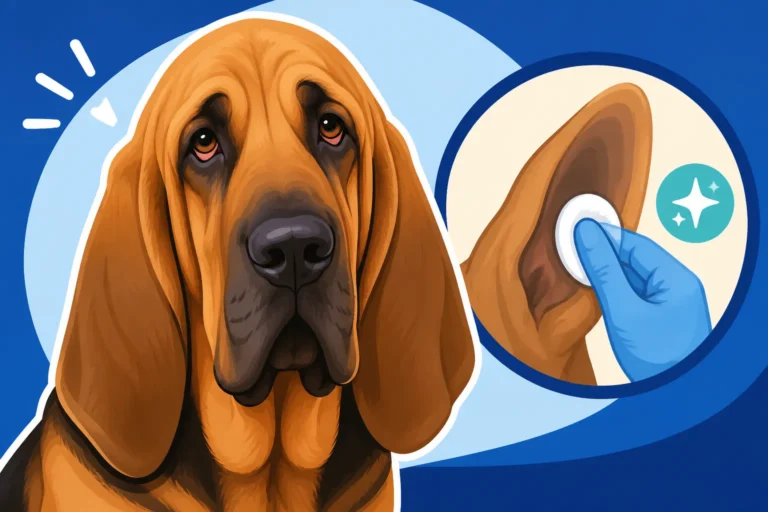
Before you even get your Bloodhound wet, a little preparation goes a long way. First, gather everything you'll need: your chosen shampoo, a good dog conditioner if you use one, plenty of towels, ear cleaner, cotton balls, and maybe even a snood to keep those long ears out of the mess. For Bloodhounds with sensitive skin or recurrent ear infections, cleaning their ears before the bath is a non-negotiable step. Use a vet-approved ear cleaner and cotton balls to gently wipe out the ear canal entrance and inner ear flap. This prevents water from getting trapped in the ear canal during the bath, which can exacerbate issues like A Bloodhound's Ears Are a Standing Infection Risk. You also want to make sure you have everything within arm's reach, because once the water starts, a wet Bloodhound can be a slippery, wiggly challenge!
Lathering and Reaching Those Folds
Once your Bloodhound is thoroughly wet, apply the shampoo. Don't just slap it on; take your time. Start by diluting the shampoo a bit with water in a separate cup – this helps it spread more evenly and makes rinsing easier. Work the shampoo gently into the coat, ensuring you create a good lather. The most critical part for a Bloodhound is systematically getting into every single fold and wrinkle. This includes their facial wrinkles, the deep folds on their neck (the dewlap), and any other areas where skin meets skin. Use your fingertips to gently rub the shampoo into these areas, making sure the product makes contact with the skin beneath the hair.
For specific problem areas like the lip folds, take extra care to work the shampoo in, often needing to lift the skin to get underneath. This thorough application is key to cleansing away trapped moisture, debris, and any bacteria or yeast that might be lurking. Remember, many medicated shampoos require a "contact time" of 5-10 minutes to be effective, so plan to let the shampoo sit on the coat, especially in those problematic areas, before rinsing. This might mean having a little distraction ready, like a lick mat or a favorite chew toy.
The All-Important Rinse and Dry
This is arguably the most critical step for a Bloodhound. Any shampoo residue left on the skin can cause irritation, dryness, or even new infections. Rinse, rinse, and rinse again. Then rinse some more. Use lukewarm water and run your hands over their coat, feeling for any slippery residue. Pay particular attention to all those folds and wrinkles where shampoo can easily hide. Lift the dewlap, spread the facial folds, and ensure every crevice is completely free of suds. This meticulous rinsing is key to preventing skin irritation and potential issues.
Once you're confident all the shampoo is gone, the drying process begins, and it's just as crucial as the rinsing. Bloodhounds, with their deep folds, are notoriously difficult to dry thoroughly, and dampness is the enemy of healthy skin. Start by blotting excess water with several large, absorbent towels. Then, use a pet-specific forced-air dryer (if your Bloodhound tolerates it) on a cool or low-heat setting. The goal is to dry every single fold completely. Gently lift and separate the skin folds on their face, neck, and chest, directing the airflow into each one until it's bone-dry. Don't forget their ears – dry the inner flaps thoroughly. You might even consider using cotton balls to gently dab inside the ear leather if it seems damp, though typically your pre-bath ear cleaning should have addressed most of that. This diligent drying, especially in the folds, will prevent moisture from becoming trapped and leading to issues like fold odor (Whether a Bloodhound Carries an Odor From Its Folds) or Wiping a Bloodhound's Folds Before They Sour developing soon after the bath. For tips on how often to bathe, check out How Often a Bloodhound Needs a Bath.
When to Call the Vet: Recognizing Serious Skin Issues
Even with the best shampoo and meticulous bathing, Bloodhounds can sometimes develop skin problems that require professional attention. Knowing when to stop trying home remedies and seek veterinary help is vital for your hound's health and comfort.
Recognizing Persistent or Worsening Problems
You've been diligently bathing with the right shampoo, drying every fold, and keeping an eye on their skin, but something just isn't right. If you notice any of the following, it's a strong indicator that your Bloodhound needs to see the vet:
- Increased Redness and Inflammation: While a little pinkness after a bath might be normal, persistent or worsening redness, especially in the folds, indicates a deeper problem.
- Intense, Unrelenting Itching: If your Bloodhound is constantly scratching, rubbing, or licking, even after a medicated bath, the itch might be too severe for over-the-counter solutions, or it could be a sign of significant allergies.
- Foul Odor: A strong, yeasty, or putrid smell coming from the skin, particularly the folds or ears, almost always signifies an active infection that needs treatment. This is often an early warning sign of something brewing. For specific signs in the folds, look at Signs a Bloodhound's Fold Has Become Infected.
- Lesions, Pustules, or Crusting: Any bumps, pimple-like lesions, scabs, or crusts on the skin are red flags for bacterial or fungal infections that likely require prescription medication.
- Hair Loss: Patchy hair loss or thinning coat in affected areas can indicate chronic inflammation or severe infection.
- Pain or Discomfort: If your Bloodhound flinches, whimpers, or acts aggressively when you try to examine or clean a certain area of skin, they are in pain, and a vet visit is imperative.
These signs indicate that the issue has progressed beyond what a specialized shampoo can manage on its own. Delaying a vet visit can lead to more severe infections, greater discomfort for your dog, and potentially more complex and costly treatments down the line.
Prescription Shampoos and Treatments
Sometimes, even the best over-the-counter or specialized shampoos aren't potent enough to tackle a stubborn skin infection or severe allergy flare-up. In these cases, your veterinarian will be your best resource. They can properly diagnose the underlying cause of the skin issue through tests like skin scrapes, fungal cultures, or cytology (looking at skin cells under a microscope). This accurate diagnosis is crucial because a yeast infection requires antifungal treatment, while a bacterial infection needs antibiotics.
Your vet might prescribe a stronger medicated shampoo with higher concentrations of active ingredients than you can buy without a prescription. They might also prescribe oral antibiotics, antifungals, or anti-inflammatory medications (like steroids or newer allergy medications) to work in conjunction with topical treatments. For severe allergies, they might discuss allergy testing and immunotherapy. Don't underestimate the complexity of canine dermatology; what looks like a simple rash can be a manifestation of various underlying issues. Trust your vet's expertise when your Bloodhound's skin just isn't bouncing back. They are there to help restore your beloved hound to comfort and health. For ear-specific infections, remember to look for Signs a Bloodhound's Ear Is Infected.
Disclaimer
This article is for general informational purposes only and does not constitute professional advice. Laws, prices and regulations vary by location and change over time. Consult a qualified professional for guidance on your specific situation.