Whether a Bloodhound’s Folds Need a Medicated Wash
It's a common worry for us Bloodhound owners, looking at all those magnificent, soulful wrinkles and wondering just how much attention they really need. You stare at those deep folds around their muzzle, eyes, and neck, and a little voice whispers, "Are these pockets of potential trouble?" The truth is, yes, those beautiful folds can indeed harbor issues, and sometimes, the usual wipe-down isn't quite enough. This guide will walk you through understanding your Bloodhound's unique skin needs, when a medicated wash might be the answer, and how to keep those wrinkles healthy and happy.
The Daily Reality of Bloodhound Fold Care
Let's be honest, living with a Bloodhound means embracing a certain level of… dampness and gravity. Their expressive, loose skin is a hallmark of the breed, essential for trapping scent particles during their incredible trailing work. But what's a functional marvel on the trail can be a bit of a challenge at home. Those deep folds, particularly around the lips (the flews), under the chin, and sometimes across the forehead, are warm, moist environments just begging for trouble. They can trap food debris, saliva, dirt, and moisture, creating a perfect breeding ground for bacteria and yeast.
Many of us start our day by wiping down our Bloodhound's face after breakfast, trying to catch all the crumbs and drool. It’s a constant battle, isn't it? Just when you think you’ve got them clean, they shake their head, and suddenly, you’re covered in slobber and whatever they just ate. This isn't just about cleanliness for our own sake; it's vital for their health. Neglecting these areas, even for a day or two, can quickly lead to irritation, redness, and a tell-tale odor that screams "infection is brewing!"
Why Regular Cleaning Is Your First Line of Defense
Before we even think about medicated washes, let's talk about the absolute foundation of fold care: diligent, consistent daily cleaning. Think of it as preventative maintenance for their magnificent wrinkles. Most of the time, simple, gentle cleaning is all it takes to keep things in check. Your goal is to remove moisture, food particles, and environmental grime before it has a chance to fester.
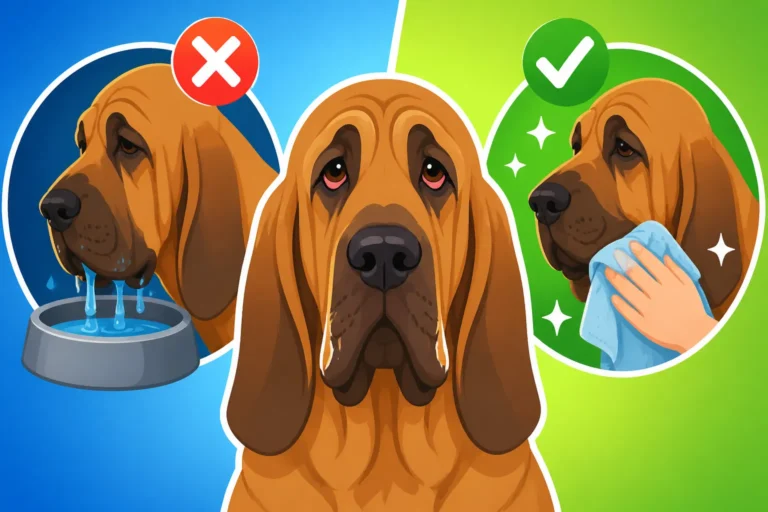
For daily maintenance, many owners find that plain warm water and a soft cloth or pet-specific cleansing wipes work wonders. You want to gently separate the folds and wipe them clean, making sure to get deep into the creases. After cleaning, it’s absolutely crucial to dry the area thoroughly. Moisture is the enemy here. A soft, clean towel or even a cotton pad can help wick away any dampness. Some Bloodhound owners even use a very low, cool setting on a hairdryer for those particularly deep or hard-to-reach folds, but be incredibly careful not to overheat or scare your sensitive hound. Regularly wiping your Bloodhound's lip fold is particularly important, as this area is constantly exposed to saliva and food. If you keep up with this routine, you'll be amazed at how many potential problems you can avoid. It's truly about preventing small irritations from becoming big, itchy, painful infections.
Common Signs of Fold Irritation, Not Yet Infection
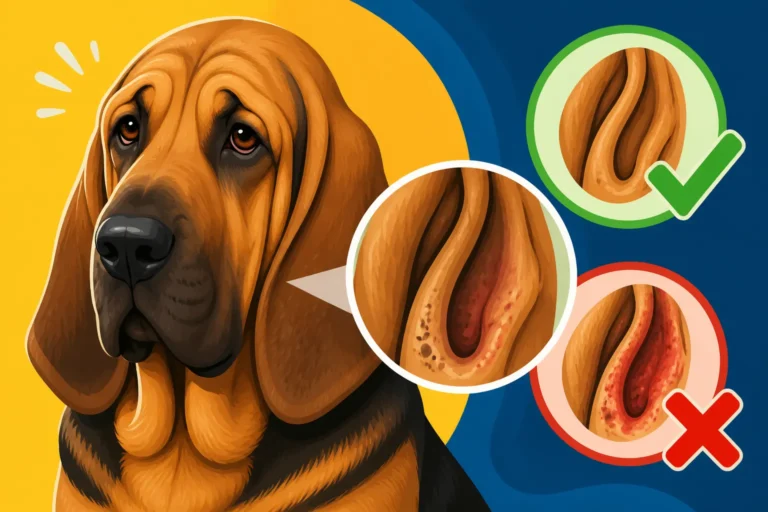
Sometimes, even with the best daily care, those folds can get a bit cranky. This might not be a full-blown infection yet, but it's a clear warning sign that you need to step up your game. You might notice a faint, slightly sour smell, not yet the pungent, yeasty odor of an infection, but definitely distinct from your dog's usual scent. The skin might look a little pinker than usual, perhaps slightly inflamed, but without obvious pustules or raw patches. Your Bloodhound might start rubbing their face more often, or even pawing at their muzzle, indicating a mild itch or discomfort.
Another common sign of irritation, especially in the deeper facial folds, can be slight dampness that doesn't seem to dry easily, even after a thorough wipe. This persistent moisture is a red flag. It’s like a tiny, self-contained humid environment that bacteria and yeast absolutely adore. At this stage, you might still avoid medicated washes by being extra diligent with your cleaning routine and perhaps increasing its frequency. Sometimes, a gentle, non-medicated antiseptic wipe designed for pets, easily found on platforms like Chewy or Amazon, can help reset the skin's balance before it tips into full infection. Just ensure whatever you use is alcohol-free and doesn't sting, as this can make your hound reluctant to let you clean the area again.
When a Medicated Wash Becomes Necessary for Your Bloodhound
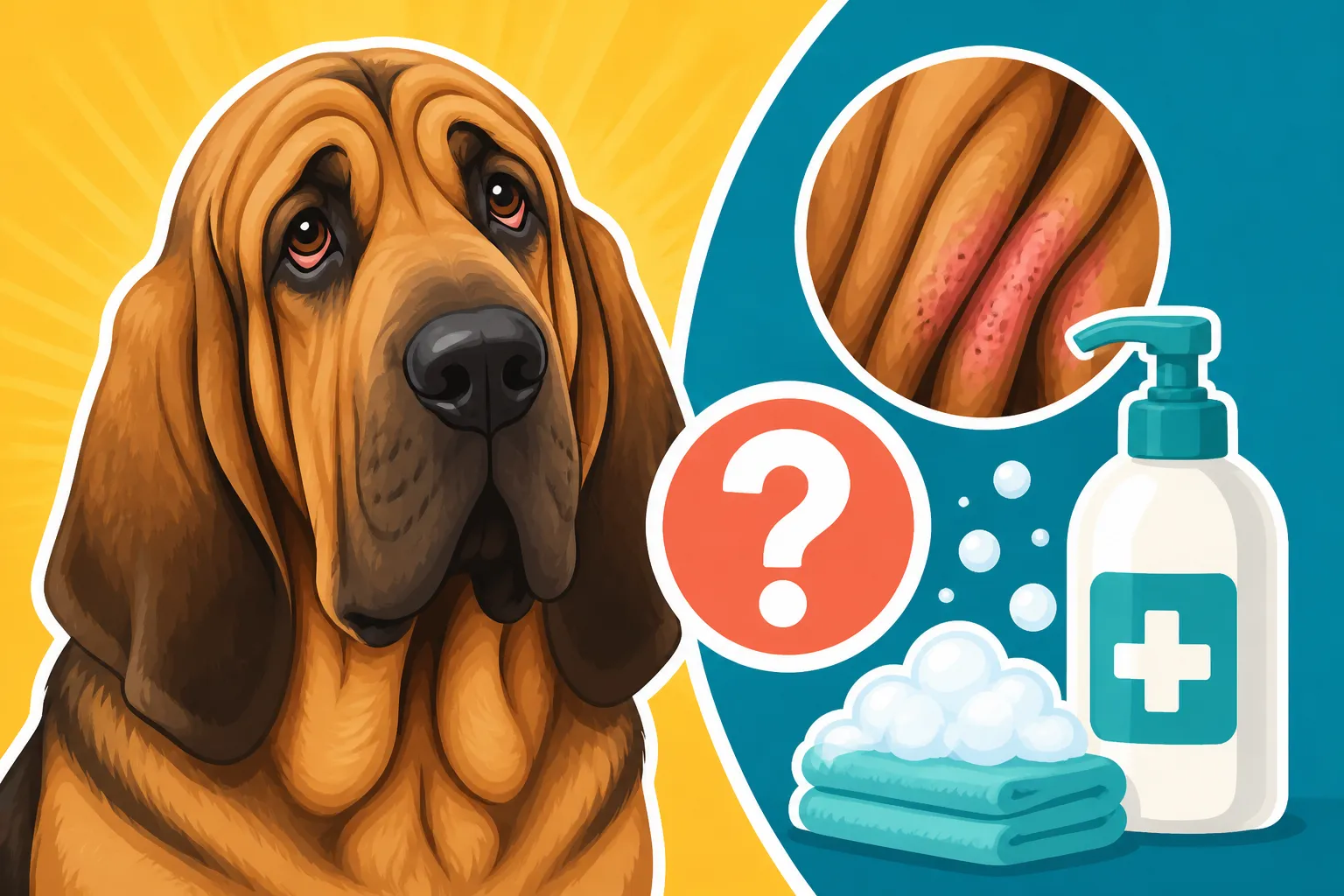
While daily cleaning is our first line of defense, there are times when those folds move beyond mere irritation and into the realm of true infection. This is where a medicated wash steps in, but it’s crucial to understand that these aren't just stronger versions of your regular wipes. They contain active ingredients designed to combat specific pathogens like bacteria or yeast, and their use is typically guided by your veterinarian.
Recognizing the signs of an actual infection is key. These aren't subtle hints; they're usually quite pronounced and uncomfortable for your dog. If you suspect an infection, it's always best to consult your vet. They can accurately diagnose the problem and recommend the most effective course of action, which often includes a medicated wash.
Clear Signs a Bloodhound's Fold Has Become Infected
The difference between irritation and infection is often stark. When a fold is truly infected, you'll usually notice several key indicators:
- Strong, Foul Odor: This is often the first thing owners notice. The smell can be very strong, pungent, and distinctively yeasty or like something has gone terribly wrong. It's far beyond a "sour" smell and is a clear indicator of bacterial or yeast overgrowth.
- Redness and Inflammation: The skin within the fold will be intensely red, swollen, and very angry-looking. It might feel warm to the touch.
- Discharge and Crusting: You might see yellowish or greenish pus, or a dark, waxy, sometimes greasy discharge, particularly if yeast is involved. As this dries, it can form crusts on the skin and hair.
- Pain and Sensitivity: Your Bloodhound will likely be very sensitive to touch around the affected area. They might flinch, pull away, or even snap if you try to clean it. This pain is a strong indicator that something serious is happening.
- Hair Loss: In chronic cases, the constant inflammation and moisture can lead to hair loss in the affected folds, leaving raw or thickened skin.
- Licking, Rubbing, or Pawing: While some rubbing indicates irritation, persistent, intense licking or pawing at the face or other body folds (like under the tail or in armpits) is a strong sign of significant discomfort.
If you observe any of these signs, especially a combination of them, it's time to call your vet. They might perform a skin cytology (taking a swab to look at under a microscope) to identify whether bacteria, yeast, or both are present, which then guides the choice of medicated wash. What a Bloodhound's Fold Infection Needs Antibiotics explores treatment pathways further.
The Types of Medicated Washes and Their Purposes
Medicated washes aren't a one-size-fits-all solution. They come with different active ingredients tailored to combat specific types of skin issues:
- Antifungal Washes: These are typically used when yeast (often Malassezia) is identified as the primary culprit. Ingredients like miconazole or ketoconazole are common in these formulations. Yeast infections in folds often present with a greasy feel, a distinct yeasty smell, and brownish-red discoloration.
- Antibacterial Washes: When bacteria (such as Staphylococcus) are causing the infection, an antibacterial wash is needed. Common active ingredients include chlorhexidine gluconate, which is a powerful antiseptic. These are effective against the pus, redness, and strong odors associated with bacterial fold dermatitis.
- Combination Washes: Many veterinary-prescribed medicated washes contain both antifungal and antibacterial agents, as it's quite common for both yeast and bacteria to flourish in an infected fold simultaneously. This broad-spectrum approach helps tackle multiple issues at once.
- Keratolytic Washes: Some washes contain ingredients like benzoyl peroxide or salicylic acid. These are designed to help break down excess oil, dead skin cells, and debris, which can be particularly useful in very oily or crusty folds, allowing other medications to penetrate better.
It’s important to reiterate that using the wrong type of medicated wash can be ineffective or even worsen the problem. For instance, using only an antibacterial wash on a yeast infection won't solve the underlying issue. This is why a veterinary diagnosis is so important – they'll ensure your Bloodhound gets the precise treatment needed. You can often get these prescription-strength washes directly from your vet, or sometimes through online pet pharmacies that work with veterinary prescriptions.
Choosing and Applying Medicated Washes for Bloodhound Folds
Once your veterinarian has confirmed an infection and prescribed a medicated wash, the next step is proper application. This isn't just a quick splash and rinse; for medicated washes to be effective, they need adequate contact time with the skin. This can be a bit of a challenge with a wiggly Bloodhound, but consistency is key to clearing up the infection.
Always follow your vet's specific instructions for the product they've recommended. They'll tell you how often to use it and for how long. Remember, these washes are medicines, and correct usage is vital for your Bloodhound's recovery. What Fold Dermatitis Does to a Bloodhound gives more context on the impact of these infections.
Step-by-Step Guide to Applying a Medicated Wash
Applying a medicated wash effectively to your Bloodhound's folds requires a bit of patience and a gentle touch. Here's a general guide, but always defer to your vet's instructions:
- Gather Your Supplies: You'll need the medicated wash, cotton balls or soft gauze pads, warm water, a clean towel, and perhaps some high-value treats to make the experience more positive for your Bloodhound.
- Prepare the Area: Gently, yet thoroughly, clean the folds with plain warm water to remove any loose debris, crusts, or excess discharge. This ensures the medicated wash can directly contact the skin. Be very gentle, as infected areas can be quite painful.
- Apply the Wash: Depending on the product, you might apply a small amount directly to a cotton ball or gauze pad. Gently spread the medicated wash into the affected folds, making sure to reach all the way into the deepest creases. You want to ensure good coverage without saturating the area so much that it drips everywhere.
- Allow Contact Time: This is the most critical step. Medicated washes need time to work their magic. Your vet will specify the contact time, often between 5 to 10 minutes. During this period, you'll need to distract your Bloodhound with treats, praise, or gentle petting to keep them still. This is where those high-value rewards come in handy!
- Rinse Thoroughly: After the prescribed contact time, rinse the area very thoroughly with warm water. Any residue left behind can cause further irritation or even lead to a new problem. This might mean holding their head over a sink, using a damp washcloth, or even a quick, localized shower rinse if they tolerate it.
- Dry Completely: Just like with daily cleaning, drying is paramount. Use a clean, soft towel to pat the folds dry. Again, you can use a hairdryer on a low, cool setting if your dog is comfortable with it. Ensure absolutely no moisture remains trapped in the folds.
| Step | Action | Key Detail | Why it Matters |
|---|---|---|---|
| 1. Preparation | Gather supplies (wash, cotton, water, towel, treats). Gently clean folds with warm water. | Remove loose debris; be gentle on painful skin. | Ensures direct contact of medicine with skin; prevents contamination. |
| 2. Application | Apply wash with cotton/gauze into deepest folds, ensuring even coverage. | Don't over-saturate; cover all affected areas. | Allows the active ingredients to reach the source of infection. |
| 3. Contact Time | Allow wash to sit for vet-prescribed duration (usually 5-10 minutes). Distract with treats/praise. | Crucial for the medication to work; patience required. | Active ingredients need time to kill bacteria/yeast on the skin. |
| 4. Rinsing | Rinse the area very thoroughly with warm water. | No residue should remain; use plenty of water. | Prevents further irritation or new issues from leftover product. |
| 5. Drying | Pat folds completely dry with a clean, soft towel or low-cool hairdryer. | Absolutely no moisture left; ensure air circulation. | Trapped moisture encourages growth of bacteria and yeast, leading to recurrence. |
Frequency, Duration, and When to See the Vet Again
Your vet will provide specific instructions, but typically, medicated washes are used once or twice daily for a period of 7 to 14 days, or until the infection completely resolves. It's really important not to stop treatment just because the visible signs improve. Often, the surface symptoms clear up before the underlying infection is truly gone. Finishing the full course prevents a quick relapse.
You should start to see improvement within a few days of starting treatment – less redness, less odor, and your Bloodhound should seem more comfortable. If, however, after 3-5 days of consistent application, you see no improvement, or if the condition worsens, it’s definitely time to contact your vet again. This could mean the initial diagnosis was incomplete, the bacteria or yeast are resistant to the chosen medication, or there's an underlying issue contributing to the problem, such as allergies.
Sometimes, severe or recurring fold dermatitis might necessitate oral antibiotics or antifungals in addition to topical washes. In some extreme cases, particularly with chronic lip fold infections that simply won't resolve, surgical intervention to remove the problematic fold might even be considered. This is, of course, a last resort, but it highlights the importance of addressing these issues promptly and effectively.
Preventing Future Fold Infections in Your Bloodhound
Once you’ve wrestled a fold infection under control, the last thing you want is for it to come back. Bloodhounds, with their unique skin structure, are prone to these issues, but that doesn't mean you're doomed to constant battles. Prevention truly is the best medicine here, and it involves a combination of diligent hygiene, careful observation, and sometimes, making minor adjustments to their environment or diet.
Thinking proactively about how to manage those wonderful wrinkles can save you a lot of heartache and vet bills down the line. It's about creating a consistent routine that minimizes the risk factors for bacterial and yeast overgrowth. Everything on a Bloodhound Hangs Down and Has to Be Cleaned gives a broader overview of their unique needs.
Establishing a Robust Daily Cleaning Routine
We touched on this earlier, but it bears repeating: a consistent daily cleaning routine is your absolute best defense against fold dermatitis. This isn't just a suggestion; for many Bloodhounds, it's a non-negotiable part of their daily care. Make it a habit, like brushing your teeth.
- Frequency: Aim for at least once a day, ideally after every meal, especially if your Bloodhound is a messy eater (and let's face it, most are!). If you notice any slight dampness or odor, increase it to twice a day.
- Tools: Soft cloths, cotton pads, or pet-specific wipes (free of alcohol and harsh chemicals) are your allies. You can even find gentle cleansing solutions specifically formulated for dog folds and wrinkles on pet supply sites.
- Technique: Gently pull back the folds to expose the skin underneath. Wipe away any moisture, food debris, or grime. Always wipe out from the fold rather than into it.
- Drying: This is the golden rule. No matter what, make sure the folds are completely dry after cleaning. Air exposure is good, too – sometimes gently holding the folds open for a moment can help.
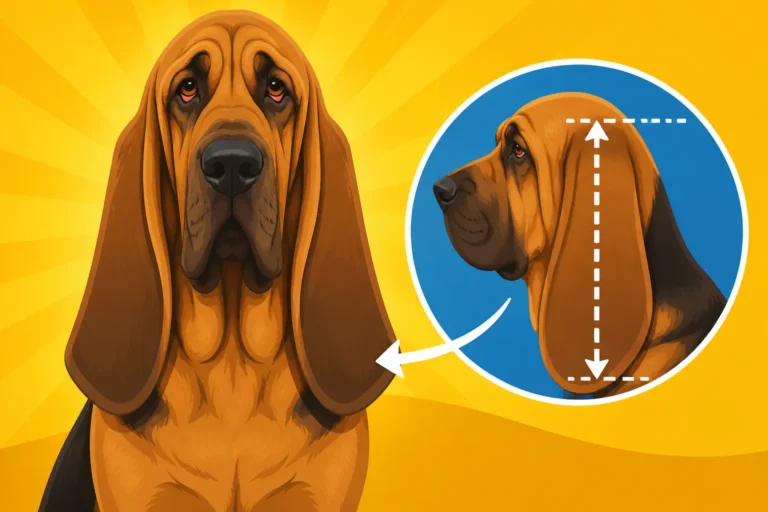
Consider adding a snood during meal times. A snood is a fabric tube that keeps your Bloodhound's long ears out of their food and water bowls, preventing them from dragging their ears through wet food, which can then transfer moisture and food particles to their facial folds. While not directly for fold care, it helps keep other parts of their droopy anatomy cleaner, reducing cross-contamination. You can find many styles of snoods on Chewy or even handmade options on sites like Amazon.
Dietary Considerations and Allergy Management
Sometimes, chronic fold infections aren't just about external moisture; they can be linked to underlying issues like allergies. Just like humans, dogs can develop skin allergies to ingredients in their food or to environmental allergens like pollen, dust mites, or certain grasses. Allergies can cause generalized itchiness, which leads to your Bloodhound rubbing or scratching, further irritating the folds. They can also manifest as skin inflammation, making the folds more susceptible to secondary infections.
If your Bloodhound experiences recurring fold issues despite diligent cleaning, or if they have other allergy symptoms like itchy paws, recurrent ear infections, or excessive licking, it's worth discussing allergy testing or a food trial with your veterinarian. Changing to a limited ingredient diet, perhaps one recommended by a brand like Ollie for sensitive dogs, under veterinary guidance, could make a significant difference. Identifying and managing allergies can reduce overall skin inflammation, making the folds less prone to irritation and infection.
Moreover, ensuring your Bloodhound maintains a healthy weight is important. Overweight dogs often have deeper, more pronounced folds, and additional skin folds develop around the neck and body, creating even more areas where moisture and heat can get trapped. Keeping your Bloodhound lean helps manage these inherent challenges. Keeping a Bloodhound Lean on Purpose details why this is so important for their overall health.
By staying proactive, combining consistent daily hygiene with an awareness of potential underlying health factors, you can dramatically improve your Bloodhound's comfort and keep those wonderful wrinkles healthy.
Disclaimer
This article is for general informational purposes only and does not constitute professional advice. Laws, prices and regulations vary by location and change over time. Consult a qualified professional for guidance on your specific situation.