How Long a Bloodhound Should Rest After Eating
Bloodhound post-meal rest time prevents fatal bloat, requiring one to two hours of downtime to stop dangerous stomach twisting.
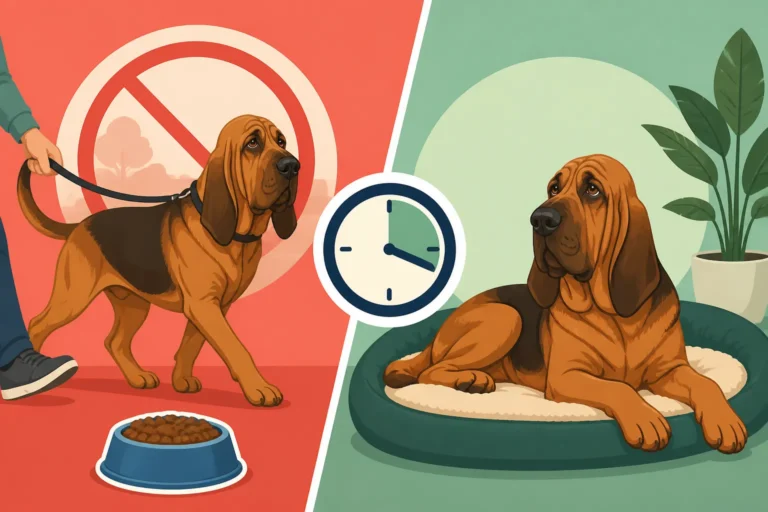
Bloodhound post-meal rest time prevents fatal bloat, requiring one to two hours of downtime to stop dangerous stomach twisting.
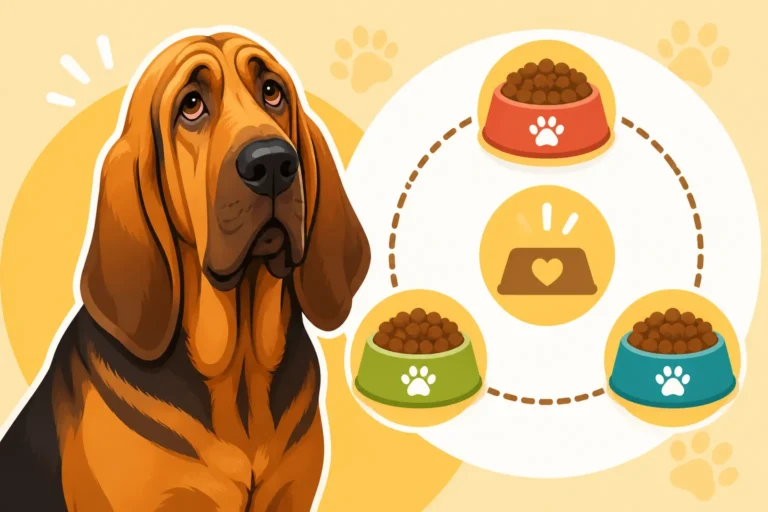
Bloodhound meal frequency and dividing daily food into multiple smaller portions prevent bloat, stabilize energy, and improve digestion.

Bloodhound eye care realities explain when daily drops are necessary for conditions like ectropion, entropion, and cherry eye.
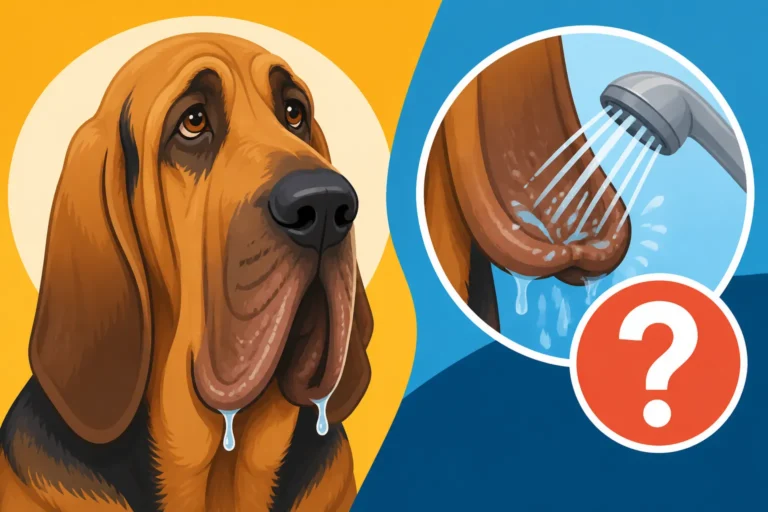
Bloodhound eye care practices explain whether rinsing the exposed third eyelid or haw is necessary for the breed and loose eyelids.
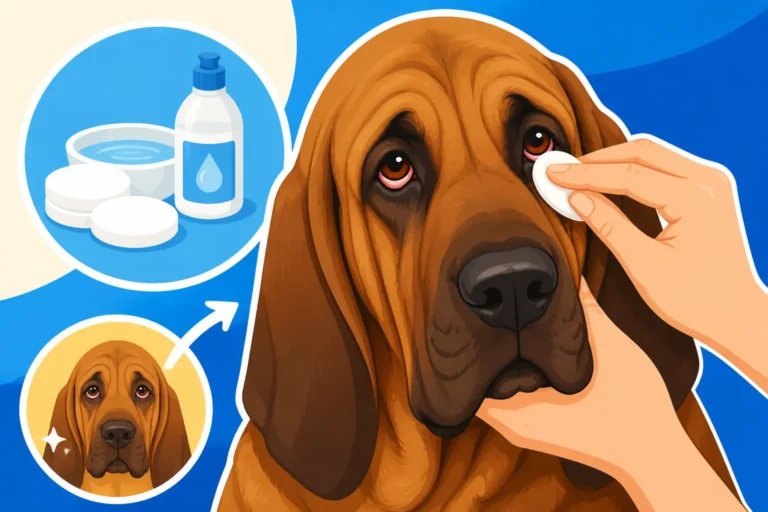
Bloodhound eye cleaning methods and facial anatomy maintenance prevent infections, tearing, and reduce common breed health risks.
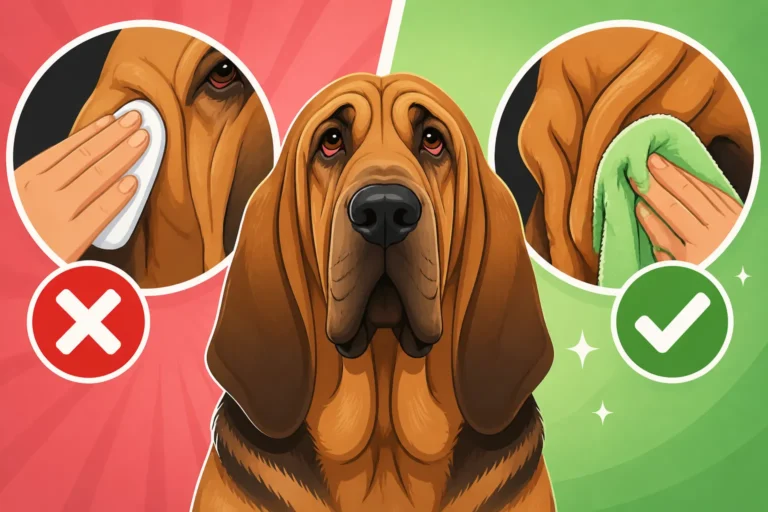
Bloodhound skin fold moisture trapping requires thorough drying after wiping to prevent painful bacterial and yeast infections.
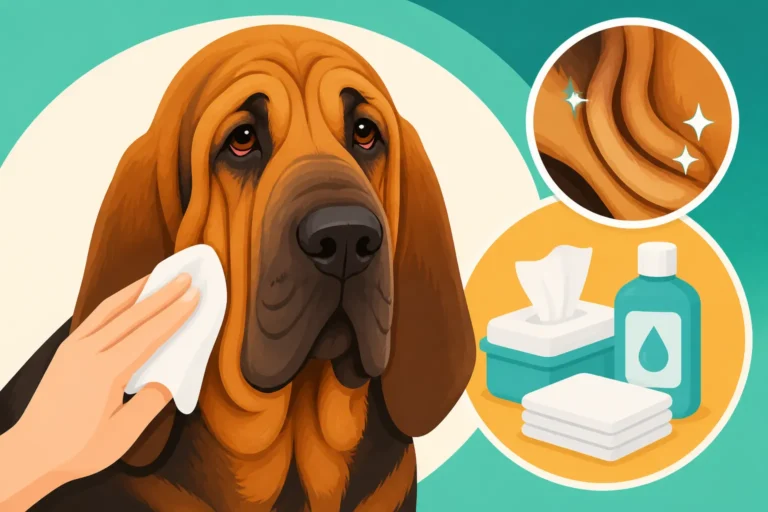
Bloodhound fold care prevents painful skin infections by removing trapped moisture, food particles, and dirt from wrinkles.
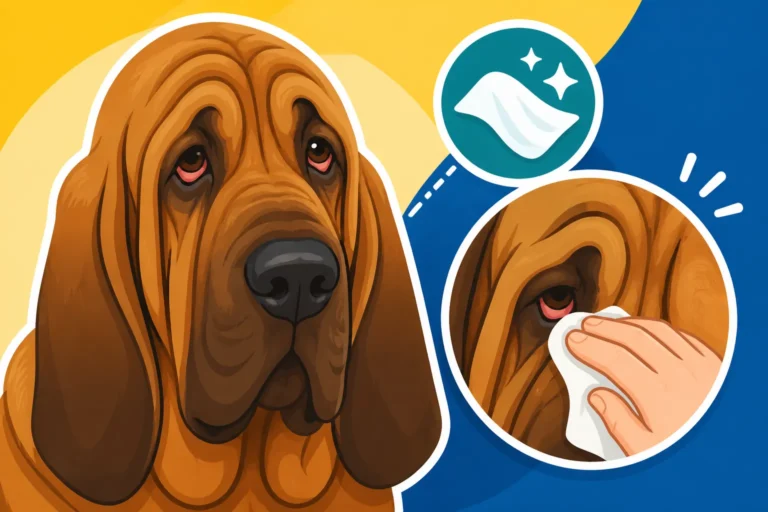
Bloodhound face and neck skin folds require regular wiping to prevent moisture, debris accumulation, and painful dermatitis infections.
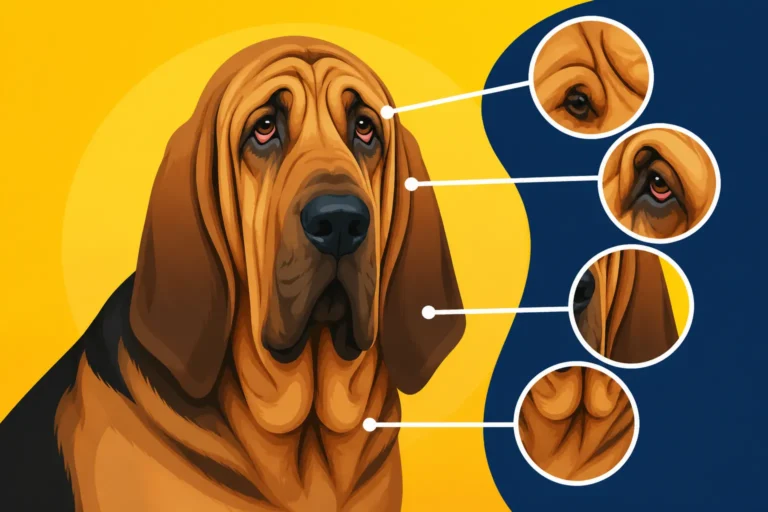
Bloodhound facial folds, head wrinkles, and neck dewlaps trap scent particles and require regular inspection and cleaning.

Bloodhound ear tip soreness results from physical trauma, heavy ear weight, and reduced airflow trapping moisture that irritates the skin.