Whether a Bloodhound Suits a First Time Owner
Bloodhound ownership for first-time owners involves understanding their scent drive, independent temperament, and sheer physical size.
Is this the right one for you?
Origins and temperament, size and coat, what living with one is actually like, and how it compares to the breeds people weigh against it.

Bloodhound ownership for first-time owners involves understanding their scent drive, independent temperament, and sheer physical size.
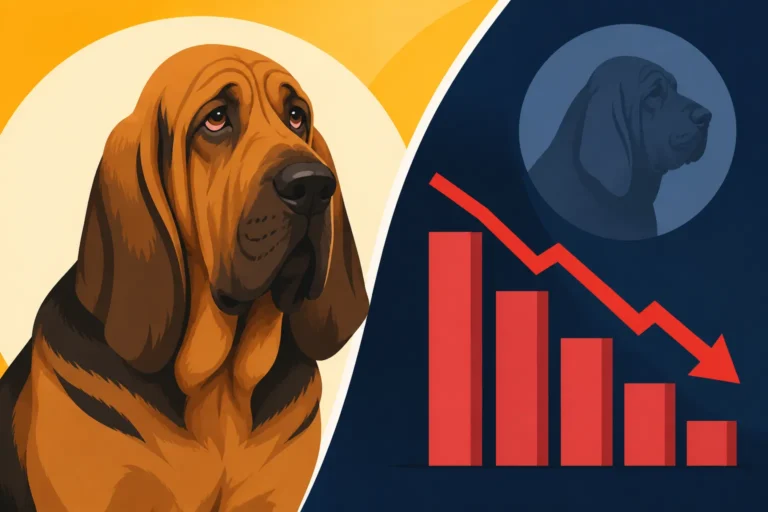
Bloodhound population trends and American Kennel Club registration rankings explain whether the breed numbers are falling.

Bloodhound AKC registration numbers reveal why this iconic scent hound ranks lower than expected in popularity.

Bloodhound and Beagle differences in ancestry, tracking skills, and daily care help you choose the right breed.

Bloodhound and Coonhound differences include trailing human scent, tracking small nocturnal game, physical build, and distinct working temperaments.

The Bloodhound and the Basset Hound differ in scenting intensity, tracking style, and physical characteristics.
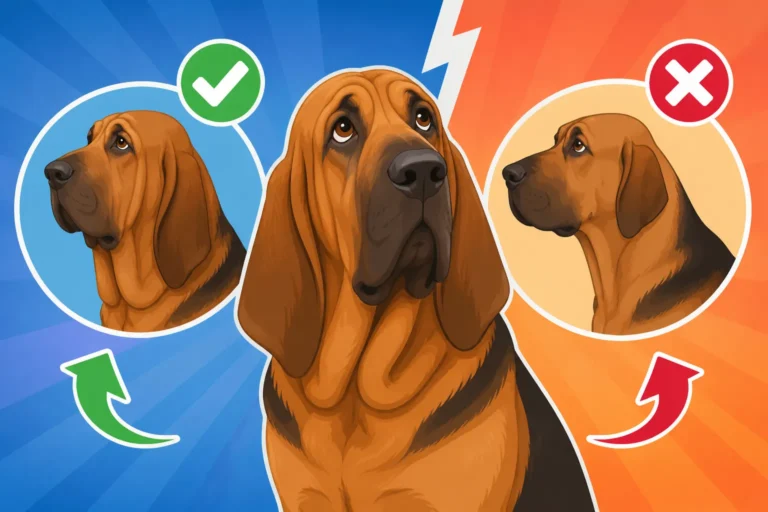
Bloodhound loose skin and facial wrinkles form heavy dewlaps that trap and direct scent particles toward the nose.

Official breed standards and genetics explain why solid black Bloodhounds do not exist, detailing accepted color patterns.
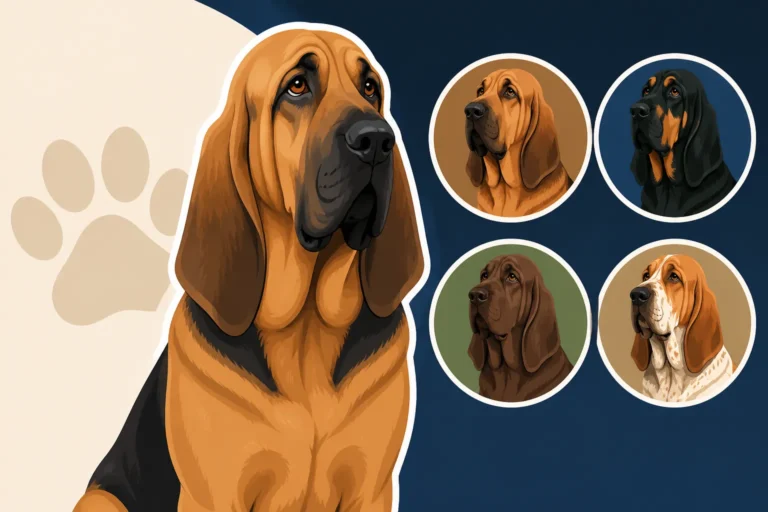
Bloodhound coat colors and markings recognized by the American Kennel Club breed standard include black and tan.

Bloodhound weight ranges, official breed standards, and practical methods to check if your adult dog is healthy.