What Replacing Chewed Items Costs a Bloodhound Owner
Ah, the mighty Bloodhound! We adore their soulful eyes and incredible noses, but let's be honest, living with one often means living with a certain level of… rearrangement. The reality for many Bloodhound owners is that their curious, powerful jaws can transform beloved household items into unrecognizable rubble in a surprisingly short amount of time. This guide is here to walk you through why your Bloodhound might be turning your home into their personal chew toy, the potential financial hits you might take, and practical strategies to safeguard your belongings (and your sanity!) from their well-meaning, but often destructive, tendencies.
The Deep-Seated Urge: Why Bloodhounds Chew What They Do
It's easy to get frustrated when you come home to find a chair leg gnawed down to a stump, but understanding why your Bloodhound chews can help you approach the problem with more patience and a better plan. It's rarely out of spite; it's usually a deeply ingrained instinct or a cry for help.
More Than Just Boredom: Instinct and Exploration
Bloodhounds are, at their core, scent hounds. Their entire world is explored through their nose and mouth. When they pick up a novel scent, their natural inclination is often to investigate it further, and that includes mouthing, licking, and yes, chewing. Think of it like a canine forensic investigation: they're trying to gather more data on that intriguing smell. This isn't just about boredom; it's about fulfilling an inherent drive to understand their environment through oral interaction. Their strong jaws are perfectly designed for this kind of intense investigation, and once something is in their mouth, it’s fair game for a thorough "analysis."
Beyond scent, the act of chewing itself is incredibly satisfying for dogs. It's a natural stress reliever, a way to pass time, and a form of self-entertainment. For a breed as intelligent and driven as a Bloodhound, denying them appropriate outlets for this instinct can easily lead them to create their own outlets, often at the expense of your furniture or personal items. They aren't trying to be naughty; they're simply being a Bloodhound, seeking engagement in the most primal way they know how.
Puppyhood to Adolescence: Teething and Testing Limits
Just like human babies, Bloodhound puppies go through a teething phase, and it's anything but subtle. Those sharp puppy teeth give way to powerful adult teeth, and the process can be uncomfortable. Chewing provides relief for their sore gums, and anything within reach can become a temporary pacifier. This is a critical time for owners to direct that chewing instinct towards appropriate toys, otherwise, puppies quickly learn that your shoe, the coffee table leg, or the rug feels just right.
As they transition from puppyhood into adolescence, often around six months to two years, chewing can shift from pain relief to testing boundaries and exploring their newfound strength. This is when you might see them graduate from gnawing on soft toys to tackling more formidable targets like baseboards or door frames. If they haven't learned what's theirs to chew and what's off-limits, or if they're not getting enough mental and physical exercise, these adolescent years can be particularly destructive. It's a period where consistency in training and management is absolutely vital to prevent long-term habits from forming.
Anxiety and Under-Stimulation: When Chewing Becomes a Symptom
While instinct plays a huge role, sometimes excessive or destructive chewing can be a symptom of underlying issues like anxiety or insufficient mental and physical stimulation. A Bloodhound left alone for long periods without adequate exercise or engagement might turn to chewing out of sheer frustration or boredom. Imagine their incredible nose, constantly seeking new information, stuck in a quiet house with nothing to do. It's a recipe for disaster. This isn't just a matter of going for a quick walk; it's about engaging their unique abilities. We've talked before about What a Bloodhound Does With an Empty Afternoon – and often, that empty afternoon gets filled with destructive chewing.
Separation anxiety is another major trigger. If your Bloodhound gets stressed when you leave, chewing can be a self-soothing mechanism, similar to how a person might bite their nails. In these cases, the chewing isn't just "bad behavior"; it's a coping mechanism for distress. Addressing the root cause of the anxiety, perhaps with the help of a professional behaviorist, is crucial, alongside providing appropriate outlets. Without tackling the underlying anxiety, simply scolding the dog will do little to stop the behavior and could even make the anxiety worse.
The Damage Report: Common Casualties and Their Costs
Let's face it, Bloodhounds are big, strong dogs, and when they decide something needs chewing, they usually succeed. The financial cost of their enthusiasm can range from minor annoyances to significant home repairs. Here’s a look at what often falls victim to a Bloodhound’s mouth and what that might mean for your wallet.
Furniture, Walls, and Doors: The Big-Ticket Items
These are often the most heartbreaking and expensive losses. A solid wood coffee table leg can look perfectly tempting to a Bloodhound, especially if it smells interesting or has a satisfying texture. Sofa legs, chair rungs, and even entire upholstered sections of furniture are not immune. Replacing a piece of furniture, or even just having it repaired, can run into hundreds or even thousands of dollars. Sometimes, the damage is so extensive that replacement is the only option, turning a beloved antique into a costly write-off.
Beyond furniture, structural elements of your home can become targets. Door frames, especially around entryways where scents are strongest, often suffer from chewing and scratching. Drywall, particularly at corners or around windows, can be surprisingly appealing, offering a crumbly, satisfying texture. Even window sills can become a chew target, especially if your Bloodhound enjoys looking out and gets over-stimulated. Whether a Bloodhound Ruins a Screen Door is another common concern, as the temptation of scents just beyond the barrier can lead to shredded screens and bent frames. The cost to repair these items usually involves a professional contractor, adding labor costs to material expenses, which quickly escalate.
Personal Items and Electronics: Unexpected Targets
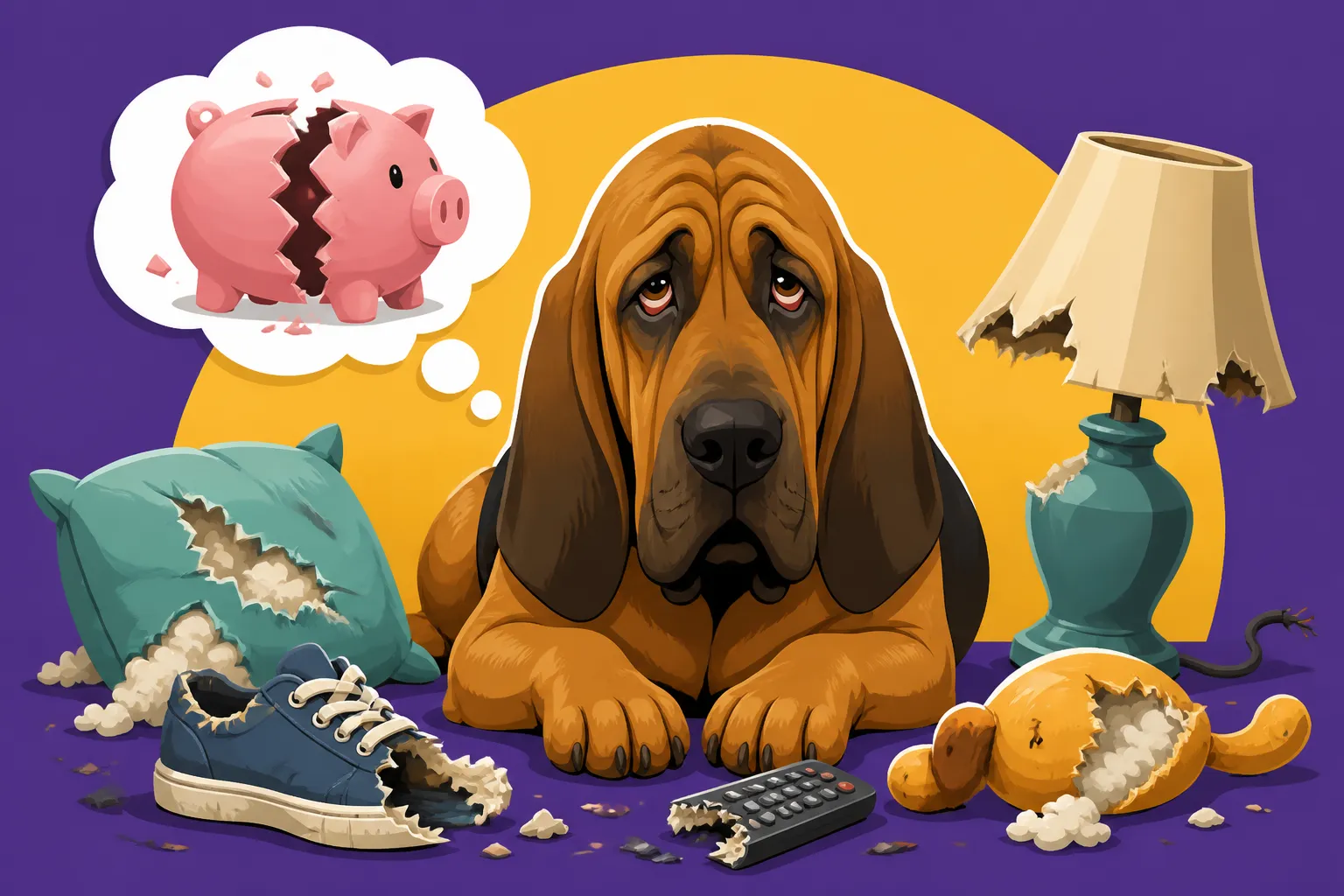
It’s not just big, immovable objects that suffer. Personal items left within reach are often fair game. Shoes are a classic target, especially leather ones that hold intriguing human scents. One minute your favorite pair of sneakers is by the door, the next they're missing laces and have a new "ventilation" system. Reading glasses left on a bedside table, wallets, purses, and even children's toys can be destroyed. The cost here isn't just monetary; it can be sentimental, too. Replacing a unique or sentimental item is often impossible.
Modern life brings its own set of vulnerable targets: electronics. Remote controls, phone chargers, laptop cords, and even headphones are often chewed into oblivion. Not only does this mean replacing the item itself, but there's a safety concern with exposed wires. The cost of a new phone charger might seem small, but these add up, and if a Bloodhound chews through a laptop power cord, the damage could extend to the laptop itself. Keeping these items well out of reach is paramount, not just for your wallet, but for your dog's safety too.
Yard and Garden Havoc: Outdoor Destruction
The destruction doesn't stop at your back door. A Bloodhound in the yard can find a surprising number of things to chew. Automated irrigation lines, for example, often run at ground level and can be easily punctured or severed. Garden hoses, left coiled on the patio, are an irresistible temptation for many dogs, becoming instantly shredded. Even valuable plants or small trees can be chewed down, especially if they have interesting textures or scents.
Beyond specific items, Bloodhounds can redefine your landscaping. While not strictly "chewing," their propensity for digging can transform a pristine lawn into a lunar landscape. This digging often involves mouthing and tearing at roots and soil, serving a similar destructive impulse. The cost here can involve replacing plants, repairing irrigation systems, and potentially re-sodding sections of your yard. Their powerful noses and strong jaws mean that if there's an interesting smell under the soil, they'll excavate it, and chew on whatever they find.
| Item Type | Common Examples | Typical Damage | Cost Implication |
|---|---|---|---|
| Furniture | Sofa legs, chair rungs, wooden tables | Gouges, splinters, missing sections | High (repair or replacement) |
| Home Structure | Door frames, baseboards, drywall, screens | Shredded, torn, holes, bent frames | Moderate to High (professional repair) |
| Personal Items | Shoes, glasses, wallets, books | Irreparable destruction, tears | Varied (sentimental loss, replacement cost) |
| Electronics | Phone chargers, remotes, headphones | Severed wires, non-functional devices | Moderate (replacement of tech) |
| Outdoor Items | Hoses, irrigation lines, garden tools | Punctures, shredded plastic, broken parts | Low to Moderate (repair or replacement) |
| Garden/Landscaping | Plants, small trees, lawn | Chewed foliage, uprooted plants, large holes | Varied (plant replacement, re-sodding) |
Proactive Measures: Minimizing the Financial Blow
While some chewing might be inevitable with a Bloodhound, you can significantly reduce the damage and associated costs through a combination of management, appropriate outlets, and environmental enrichment. It's about being smarter than their nose!
Crate Training and Supervision: The First Line of Defense
Crate training is absolutely invaluable for a Bloodhound owner, especially during puppyhood and adolescence. A properly introduced crate becomes a safe, comfortable den where your Bloodhound can relax without the opportunity to chew inappropriate items. When you can't actively supervise them – perhaps you're cooking dinner, taking a shower, or stepping out for a short errand – the crate ensures your home remains intact. It’s not a punishment; it’s a management tool that prevents bad habits from forming and protects your dog from ingesting something dangerous.
Active supervision, on the other hand, means being present and engaged. If your Bloodhound starts to mouth something they shouldn't, a quick redirection to an appropriate chew toy teaches them what's acceptable. Tethers can also be useful when you need them near you but can't give them your full attention. By limiting their access to potential targets, you minimize opportunities for destruction. Consistency is key here; every time they successfully chew something inappropriate, it reinforces the behavior.
Indestructible Chews and Engaging Toys: Worth the Investment
Investing in a variety of high-quality, durable chew toys is not an expense; it's a strategic investment against future repair bills. Look for toys made from tough rubber, like those from Kong, or durable nylon bones. These toys are designed to withstand powerful jaws and provide that satisfying oral gratification that Bloodhounds crave. Remember, no toy is truly indestructible, so always supervise new toys and inspect them regularly for wear and tear. A good place to stock up on these essentials is often a large pet supply retailer like Chewy, which offers a wide selection and can deliver right to your door.
Beyond just chew toys, consider puzzle toys that dispense treats slowly or require manipulation to get to a reward. These toys engage their brains and keep them busy, tiring them out mentally, which can be just as effective as physical exercise in reducing destructive behaviors. Rotating toys keeps them novel and interesting, preventing your Bloodhound from getting bored with the same old options. If you've ever wondered Whether a Bloodhound Chews Furniture When Bored, the answer is almost always yes, and appropriate toys are your best defense.
Environmental Enrichment and Exercise: Preventing the Urge
A bored Bloodhound is a destructive Bloodhound. These dogs were bred to work, to follow a scent for miles, and to use their incredible brains. Simply letting them out in the yard isn't enough. They need mental stimulation that challenges their natural abilities. Scent work, often referred to as "mantrailing" or "nose work," is an absolute game-changer for this breed. It allows them to use their most powerful tool – their nose – in a structured, satisfying way. We've written extensively on why Mantrailing Is the Answer to a Bloodhound, Not Obedience when it comes to fulfilling their inherent drives. Even simple hide-and-seek games with treats can go a long way.
Physical exercise is also crucial, but it needs to be appropriate for their age and joint health. Long, sniffy walks where they can investigate new smells are far more enriching than a quick trot around the block. A tired dog, both mentally and physically, is less likely to engage in destructive chewing. Consider fresh food options, perhaps from a brand like Ollie, which can contribute to overall satisfaction and well-being. A dog that feels healthy and fulfilled is generally a happier, less destructive one. Incorporating these activities into their daily routine can dramatically reduce their urge to chew your home.
Budgeting for the Inevitable: Financial Preparedness
Even with the best preventative measures, living with a Bloodhound means occasionally facing unexpected costs from their chewing escapades. Being financially prepared can make these moments less stressful.
Emergency Fund and Insurance Considerations
It's wise for any Bloodhound owner to have an emergency fund specifically for unexpected pet-related expenses. Whether it's a ripped couch or, more critically, an emergency vet visit because your Bloodhound ingested something harmful while chewing, having liquid funds available is paramount. We've discussed Whether a Bloodhound Owner Needs an Emergency Fund before, and for a breed like the Bloodhound, it's not a luxury, it's a necessity. Aim to How Much a Bloodhound Owner Should Keep Liquid for these kinds of incidents, which means having accessible savings that you don't touch for everyday expenses.
Pet insurance is another layer of protection, particularly for the potentially severe medical costs associated with ingesting chewed items. While insurance typically won't cover replacing your chewed sofa, it can be a lifesaver if your Bloodhound swallows part of a toy or a foreign object and requires emergency surgery. Providers like Healthy Paws offer comprehensive plans that can help mitigate the financial burden of such unforeseen medical crises. Always read the policy details carefully to understand what's covered regarding foreign body ingestion or related issues.
Strategic Purchases: Choosing Bloodhound-Proof Items
When it comes to furnishing your home or buying household goods, it pays to think strategically. If you know your Bloodhound is a chewer, opting for furniture made of metal, or very dense, hard wood might be a better long-term investment than easily gnawed particle board. Choose durable, washable fabrics for throws and pet beds that can withstand slobber and occasional chewing attempts, because sometimes even the most well-behaved Bloodhound will find a new texture to explore. This concept extends to everyday items too. We've talked about Whether a Bloodhound Owner Should Buy Washable Everything, and in a Bloodhound home, this extends beyond just bedding to covers for furniture or even specific types of flooring.
Beyond material choices, actively "Bloodhound-proofing" your home is crucial. Secure garbage cans, keep laundry hampers in closets, and ensure all electrical cords are safely tucked away or covered. Child-proof locks on cabinets can also deter a clever Bloodhound from accessing tempting items. The upfront cost of securing your home is far less than the continuous cost of replacing damaged goods.
Long-Term Perspective: Understanding the Lifecycle Costs
Chewing tendencies can ebb and flow throughout a Bloodhound's life. While intense puppy and adolescent chewing often subsides with maturity and consistent training, a Bloodhound can revert to destructive chewing if they experience stress, boredom, or a change in routine. It's a behavior that requires ongoing management. Understanding that chewing costs are part of the overall What a Bloodhound's First Two Years Cost and will likely continue in some form throughout their lives helps you mentally (and financially) prepare.
The "tax" of Bloodhound ownership includes not just food and vet bills, but also the occasional repair or replacement of items that didn't stand up to their powerful jaws. By understanding their motivations, managing their environment, providing ample enrichment, and maintaining an emergency fund, you can significantly reduce the impact of their chewing on your home and your budget, ensuring a happier, less stressful life for both you and your incredible scent hound.
Disclaimer
This article is for general informational purposes only and does not constitute professional advice. Laws, prices and regulations vary by location and change over time. Consult a qualified professional for guidance on your specific situation.