Whether a Bloodhound Breeder Should Pay for the Gastropexy
One of the most anxiety-inducing topics for any Bloodhound owner is bloat, a life-threatening condition that can strike without warning. When considering bringing home one of these incredible hounds, the conversation around preventing bloat, particularly via a prophylactic gastropexy, inevitably comes up. Many prospective owners find themselves asking: should the breeder, who brought this puppy into the world, bear some financial responsibility for this crucial, often expensive, preventative surgery? This guide aims to explore that complex question, diving deep into the responsibilities of both breeders and owners, and helping you navigate these vital discussions for your future family member.
Understanding the Prophylactic Gastropexy for Bloodhounds
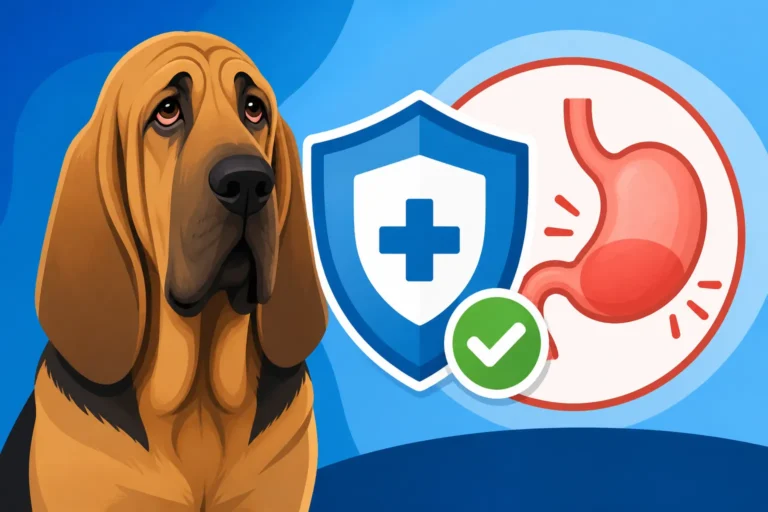
Before we delve into who pays, let's really grasp why a gastropexy is such a hot topic for Bloodhound owners. These magnificent hounds are, unfortunately, predisposed to a condition called Gastric Dilatation-Volvulus (GDV), commonly known as bloat. It's not just an upset stomach; it's a terrifying emergency where the stomach fills with gas and can then twist on itself, cutting off blood supply and leading to rapid organ failure. Bloat Is What Kills Most Bloodhounds, and it does so quickly.
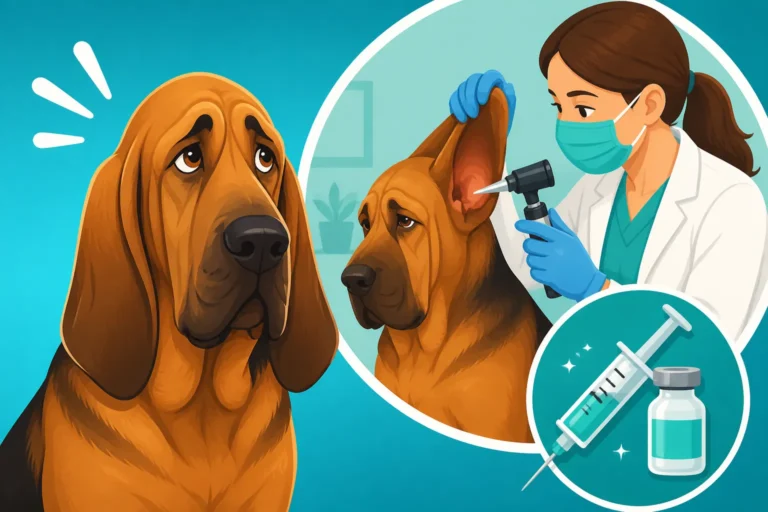
A prophylactic gastropexy is a surgical procedure where the stomach is permanently attached to the abdominal wall. This doesn't prevent the stomach from filling with gas (dilatation), but it does prevent it from twisting (volvulus), which is the fatal part of the condition. It's a proactive measure, usually performed when the dog is young, often at the same time as spaying or neutering. Imagine the peace of mind knowing you've significantly reduced the risk of that sudden, desperate midnight dash to the emergency vet. What a Preventive Gastropexy Does for a Bloodhound is to offer a crucial safeguard against this silent killer. The conversation about this surgery isn't just about cost; it's about potentially saving your dog's life and sparing you immense heartache and an even larger emergency bill.
Breeder's Role in Health and Genetics
Responsible Bloodhound breeders dedicate years, and significant financial investment, to producing healthy puppies. They understand the breed's vulnerabilities, including bloat. A truly dedicated breeder focuses on more than just pretty faces; they prioritize temperament, health, and longevity. This often involves extensive health testing parents for conditions like hip and elbow dysplasia, eye problems, and sometimes even cardiac issues. What the American Bloodhound Club Asks Breeders to Screen outlines the foundational health checks that should be considered standard.
However, bloat is a multi-factorial condition, meaning it's influenced by genetics, environment, and lifestyle. While certain traits, like a deep, narrow chest, are inherent to the Bloodhound breed and increase risk, there isn't a single "bloat gene" test that breeders can perform to definitively eliminate risk in their breeding lines. This makes the breeder's role in "preventing" bloat more nuanced. They can choose to breed dogs with lower perceived risks or those whose relatives have lived long, bloat-free lives, but they cannot guarantee a puppy will never bloat.
A good breeder will also provide comprehensive education to new owners about the specific risks of the breed, including bloat, and the importance of preventive measures like gastropexy. They often have detailed contracts outlining their responsibilities and expectations for the owner. This educational component is arguably as important as any financial contribution, as it empowers owners to make informed decisions for their dog's health.
Arguments For and Against Breeder Financial Contribution
This is where the debate often gets passionate. On one hand, many believe that given the breed's known predisposition and the seriousness of bloat, breeders have a moral, if not contractual, obligation to contribute to, or even cover, the cost of a prophylactic gastropexy. On the other hand, there are valid arguments for why this falls squarely on the owner's shoulders.
Arguments for Breeder Contribution
- Breed-Specific Risk: Bloodhounds are not just any dog; they are a high-risk breed for bloat. This isn't a freak accident; it's a known, inherent vulnerability that comes with the breed. Some argue that since breeders choose to produce these dogs, they should shoulder some of the financial burden of mitigating a major health risk associated with their choice.
- Promoting Proactive Health: If breeders contribute, it might encourage more new owners to get the gastropexy done early, potentially saving lives and reducing suffering. It could be seen as an investment in the health of the puppies they produce, ensuring they live longer, healthier lives.
- "Cost of Doing Business": For some, ensuring the health of the puppies they bring into the world is part of the overall cost of ethical breeding. Just as health testing of parents is an accepted cost, contributing to preventive surgery for offspring could be seen similarly.
- Setting a Standard: A breeder offering to pay or subsidize a gastropexy could elevate the standard of care in the breed, encouraging others to follow suit and prioritize this critical preventive measure.
Arguments Against Breeder Contribution
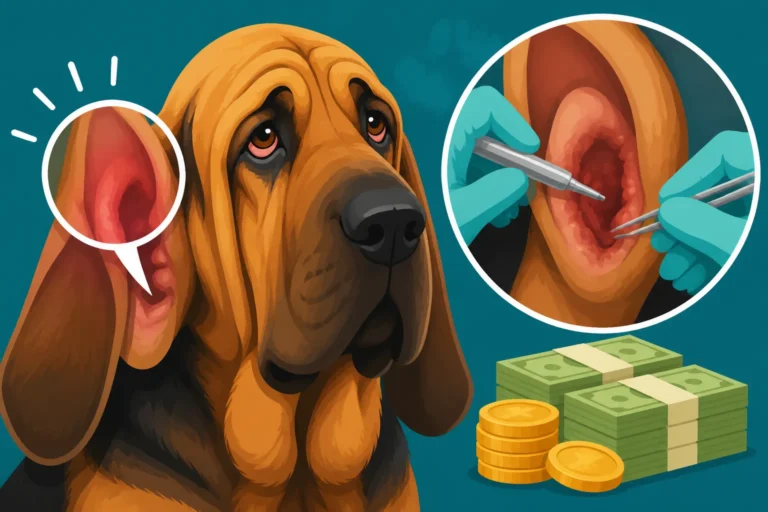
- Owner Responsibility: Once a puppy leaves the breeder's home, it becomes the owner's responsibility. Veterinary care, including preventive surgeries, is typically part of dog ownership. The argument is that owners should budget for these known breed-specific costs. A Bloodhound's Money Is Spent in the Operating Room is a stark reality for many owners.
- Varying Costs: The cost of a gastropexy can vary wildly depending on location, the veterinarian's fees, and whether it's done laparoscopically or as part of a spay/neuter. It might be challenging for a breeder to offer a flat contribution that is fair across all scenarios.
- Impact on Puppy Price: If breeders were expected to cover or significantly subsidize gastropexies, the initial price of a Bloodhound puppy would undoubtedly increase, potentially making the breed less accessible to responsible owners who are already prepared for other costs.
- Not a "Cure-All": While highly effective, a gastropexy doesn't make a dog immune to all health issues, nor does it guarantee they will never bloat (only that the stomach won't twist). Breeders might argue it's one of many potential health considerations for which they cannot be expected to contribute financially.
- Logistics and Control: If a breeder contributes, do they get a say in when and where the surgery is performed? This can complicate the owner-veterinarian relationship and the autonomy of the owner's veterinary choices.
Here's a quick comparison of the viewpoints:
| Aspect | Argument For Breeder Contribution | Argument Against Breeder Contribution |
|---|---|---|
| Justification | Inherent breed risk; ethical responsibility for health | Owner's responsibility for pet care once adopted |
| Impact on Owners | Encourages proactive surgery; eases financial burden | Potential increase in puppy purchase price |
| Financial Burden | Part of ethical breeding costs | Varies widely; hard to standardize |
| Precedent | Sets a high standard for breed health | Sets an expectation that might not be sustainable for all breeders |
| Control | May give breeder input on timing/choice of vet | Undermines owner autonomy in veterinary decisions |
Navigating the Breeder Contract and Communication
The time to discuss a gastropexy and potential breeder contributions is before you put down a deposit or bring a puppy home. Honest and open communication is absolutely key. Don't be afraid to ask direct questions.
What to Discuss with Your Breeder
- Bloat Risk Education: Does the breeder thoroughly educate prospective owners about bloat risk in Bloodhounds? Do they provide resources or recommend specific veterinarians known for gastropexy procedures?
- Genetic History: Are they transparent about the bloat history in their lines? While there's no single gene test, understanding if a lineage has had frequent bloat cases can be insightful.
- Contractual Stipulations: Does their contract mention gastropexy at all? Some breeders might require owners to perform the surgery by a certain age as part of their health guarantee. This is a crucial point, as it places the burden of action (and usually cost) directly on the owner.
- Financial Contribution: This is the direct question: "Do you offer any financial assistance or contribution towards a prophylactic gastropexy, given the breed's predisposition?" Be prepared for a variety of answers, from a firm "no" to a partial reimbursement, or perhaps an offer to do the surgery at their vet before you pick up the puppy, adding a set cost to the puppy's price.
- Referrals for Specialists: Even if they don't contribute financially, a good breeder should be able to refer you to veterinary specialists who are experienced with gastropexies in large breeds.
If a breeder seems uncomfortable discussing bloat or dismisses its seriousness, that should be a significant red flag. A reputable breeder will be upfront about the challenges of the breed, not just the positives. Your breeder's transparency is a good indicator of their commitment to the health of their puppies.
Alternative Solutions and Financial Planning for Owners
Ultimately, whether a breeder contributes or not, the owner is responsible for their Bloodhound's care. Being prepared for the financial realities of a large breed like a Bloodhound, especially one prone to specific health issues, is paramount. Whether a Bloodhound Owner Needs an Emergency Fund is not a question, but a definite yes.
Pet Insurance
This is perhaps the single most important financial safety net for Bloodhound owners. Pet insurance can be a lifesaver, covering a significant portion of unexpected veterinary costs, including emergency surgeries like bloat treatment, or even preventive procedures if you choose a comprehensive wellness plan. Brands like Healthy Paws are well-known for their robust coverage options. When researching, ask specific questions:
- Does the policy cover elective/preventive surgeries like gastropexy?
- What is the deductible?
- What percentage of the vet bill will they reimburse?
- Are there any breed-specific exclusions for Bloodhounds? (Though prophylactic gastropexy is generally covered if elected, emergency bloat treatment definitely should be).
- Will premiums climb after your Bloodhound reaches a certain age?
Enrolling your Bloodhound puppy in pet insurance early, before any pre-existing conditions (like bloat) might be noted on their record, is always the smartest move.
Emergency Savings Fund
Even with insurance, you'll have deductibles and co-pays. Maintaining a dedicated emergency fund specifically for your Bloodhound's health needs is crucial. Think of it as your personal buffer for those unexpected moments. How Much a Bloodhound Owner Should Keep Liquid is a good question to ponder, but usually a few thousand dollars is a safe starting point given the potential costs of emergencies.
Finding Affordable Veterinary Care
While you want the best for your Bloodhound, prices vary.
- Shop Around: Get quotes for the gastropexy from several local veterinarians. Don't be afraid to compare prices and ask what's included in the estimate. What a Preventive Gastropexy Costs on a Bloodhound can differ significantly, so it pays to do your homework.
- Vet School Hospitals: If you live near a veterinary teaching hospital, they often offer state-of-the-art care at potentially more reasonable rates, and residents are supervised by experienced specialists.
- Spay/Neuter Clinics: Sometimes, lower-cost spay/neuter clinics might offer gastropexy as an add-on, making Whether Adding a Gastropexy to a Bloodhound's Neuter Is Cheaper a valid financial strategy. However, ensure they have experience with large breed anesthesia and the procedure itself.
Diet and Lifestyle Considerations
While diet doesn't replace gastropexy, certain feeding practices can reduce the risk of bloat (though not eliminate it). Consider:
- Multiple Small Meals: Instead of one large meal, splitting your Bloodhound's daily food into two or three smaller meals can help.
- Slow Feeder Bowls: For dogs that "bolt" their food, a slow feeder bowl can prevent them from ingesting too much air too quickly. You can find many options from retailers like Chewy.
- Rest After Meals: Avoid vigorous exercise or excessive drinking immediately before or after meals.
- Quality Food: While not directly bloat-preventing, a high-quality diet, perhaps from a brand like Ollie that offers fresh, balanced meals, contributes to overall health. Feeding a Bloodhound So It Does Not Bloat focuses heavily on these practical management strategies.
The decision of whether a Bloodhound breeder should pay for a gastropexy is complex, with valid points on both sides. Open communication, a clear contract, and proactive financial planning on the owner's part are your best tools for ensuring your Bloodhound lives a long, healthy, and bloat-free life.
Disclaimer
This article is for general informational purposes only and does not constitute professional advice. Laws, prices and regulations vary by location and change over time. Consult a qualified professional for guidance on your specific situation.