Eyelid Surgery Is the Bill Bloodhound Owners Do Not Expect
It's a common misconception that owning a Bloodhound is all about endless baying and tracking adventures. Many new Bloodhound parents are caught off guard when a seemingly simple issue with their hound's signature droopy eyes turns into a significant veterinary bill, often requiring specialized surgery. This guide is here to shed light on why Bloodhounds are so prone to these eye issues, what to expect if surgery becomes necessary, and how to navigate the financial implications of this unexpected journey.
The Bloodhound's Unique Anatomy and Eye Vulnerabilities
Ah, the Bloodhound face! Those magnificent, long ears, the deeply wrinkled brows, and those soulful, droopy eyes are what make them so instantly recognizable and utterly lovable. But beneath that charming exterior lies an anatomical design that, while perfect for scent work, unfortunately predisposes them to a host of eye and eyelid problems. It's a classic case of form meeting function, sometimes with unintended health consequences that can certainly catch you off guard.
The Distinctive Droop: More Than Just a Look
That characteristic mournful expression, the one that tugs at your heartstrings and makes you want to give endless belly rubs, is largely due to the unique structure of a Bloodhound's eyelids. They aren't held tightly against the eyeball like in many other breeds; instead, they often hang loosely, especially the lower lids. This laxity creates pockets and exposes parts of the eye that would typically be protected. While it certainly adds to their endearing appearance, it also leaves the delicate surface of the eye more vulnerable to irritation and infection. It's a trade-off for those incredible scent-catching abilities, where every fold and droop helps channel air and scent particles towards their powerful nose. But for us owners, it means a higher vigilance is needed to keep those precious peepers healthy.
How a Bloodhound's Lower Lid Hangs Away From the Eye
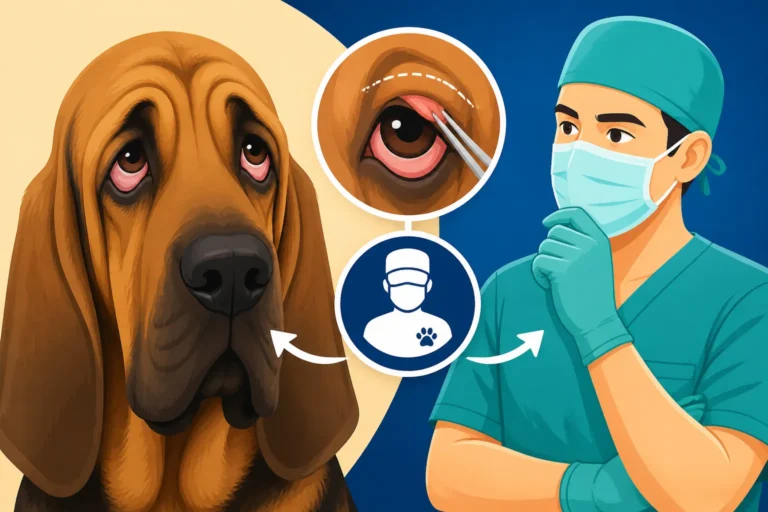
This specific anatomical trait, where the lower eyelid actually sags away from the eyeball, has a formal name: ectropion. It's one of The Four Eye Problems a Bloodhound Is Born Toward. You can really see What Ectropion Looks Like on a Bloodhound when you look closely. Instead of forming a tight seal, the lid rolls outward, creating a small, moist pocket. This isn't just a cosmetic issue; it's a doorway for trouble. Tears, which are essential for cleansing and moisturizing the eye, don't spread properly across the exposed surface. They tend to collect in the saggy lower lid, often overflowing and causing chronic wetness and staining on the fur beneath the eye. This constant dampness can lead to skin irritation and bacterial growth in the folds around the eye, adding another layer of discomfort for your hound.
Environmental Risks to Exposed Ocular Tissues
With those exposed ocular tissues, your Bloodhound becomes a magnet for environmental irritants. Imagine taking your hound on a fantastic trailing adventure through tall grasses or dusty fields. For a dog with tightly fitting eyelids, these elements are mostly brushed away. But for a Bloodhound, dust, pollen, stray bits of grass, and even small insects have an easier time making their way directly onto the eye surface. The protective tear film struggles to wash these invaders away effectively, leading to frequent irritation, redness, and the uncomfortable sensation of something being "in" the eye. This constant battle with environmental factors can also exacerbate conditions like conjunctivitis, making those adorable, droopy eyes a source of ongoing concern and potential discomfort if not carefully managed. You’ll find yourself becoming quite adept at Daily Eye Care for a Bloodhound to keep these issues at bay.
Common Eyelid Conditions Requiring Surgical Intervention
Given their unique anatomy, certain eyelid conditions are almost hallmarks of the Bloodhound breed. While some can be managed with diligent daily care, many eventually require surgical correction to ensure the dog's comfort, protect their vision, and prevent more serious secondary problems. Understanding these conditions is the first step toward recognizing symptoms and getting your beloved hound the help they need.
Ectropion: The Outward Rolling Lid
Ectropion, as we touched on, is when the lower eyelid sags or rolls outward, exposing the delicate pink conjunctiva that lines the inside of the eyelid. It's often what gives Bloodhounds that perpetually "sad" or "sleepy" look. The problem with this condition goes beyond aesthetics. The exposed conjunctiva becomes dry and irritated because it's no longer lubricated by the tear film as effectively. It also becomes a trap for foreign bodies, as discussed earlier. Chronic exposure can lead to inflammation, infection, and even corneal damage over time if not addressed. You might notice your Bloodhound squinting, rubbing their eyes frequently, or having excessive tearing that runs down their face, staining the fur. These are all signs that the ectropion is causing them discomfort and likely needs intervention.
Entropion: The Inward Rolling Lid and Its Dangers
On the opposite end of the spectrum, and often far more painful and damaging, is entropion. This is when a section of the eyelid, usually the lower lid, rolls inward, causing the eyelashes and fur to rub directly against the sensitive surface of the eyeball. Imagine having a constant hair poking you in the eye – that's what your Bloodhound is experiencing, but potentially much worse. This constant friction can lead to corneal ulcers, abrasions, and eventually, scarring that can impair vision. It's a condition that truly illustrates What Entropion Does to a Bloodhound's Eye. While not as commonly associated with the typical Bloodhound look as ectropion, it can certainly occur and requires prompt attention. Signs often include severe pain, constant tearing, squinting, holding the eye shut, and a cloudy or inflamed cornea. This is truly an emergency situation, as prolonged rubbing can lead to permanent damage.
Cherry Eye: A Prolapsed Gland
Then there's the "cherry eye," a condition that, while not directly an eyelid structure issue like ectropion or entropion, often involves the third eyelid and its gland. Your Bloodhound, like all dogs, has a third eyelid, or nictitating membrane, located in the inner corner of their eye. This membrane contains a tear-producing gland. Sometimes, for reasons often considered genetic or breed-related (and Bloodhounds are definitely on the list of predisposed breeds), this gland prolapses, meaning it pops out from behind the third eyelid and becomes visible as a red, swollen mass – much like a little cherry – in the corner of the eye. It's definitely a distinctive sight, and often necessitates a visit to the vet for Cherry Eye in a Bloodhound. While not immediately painful, a prolapsed gland can become irritated, dry, and infected, and it interferes with the normal production and distribution of tears, potentially leading to dry eye down the line. It's unsightly and requires surgical correction to reposition the gland and secure it back in place, rather than removing it, to preserve tear production.
The Diagnostic Journey: From Redness to Referral
When you notice something amiss with your Bloodhound's eyes, it's natural to feel a pang of worry. Getting an accurate diagnosis is crucial, and that journey often begins with your trusted general practitioner, but may quickly lead to a specialist, which can be an unexpected turn for many owners. The path to resolution, and ultimately the bill, starts here.
Initial Veterinary Examination and General Practitioners
Your first stop will typically be your regular veterinarian. They are skilled at initial assessments and can differentiate between minor irritations and more serious underlying conditions. During this visit, your vet will perform a thorough eye exam. They'll likely check for foreign bodies, measure tear production (Schirmer Tear Test), and stain the cornea with fluorescein dye to check for ulcers or abrasions, especially if entropion is suspected. They’ll also carefully observe the positioning of the eyelids. For milder cases of ectropion or for initial irritation, your general vet might prescribe eye drops or ointments to reduce inflammation and infection. However, they will also be the first to tell you when a condition extends beyond their immediate scope, especially if it points towards a structural problem requiring surgical correction. This initial consult might seem straightforward, but it’s the gateway to understanding the depth of the issue.
When a Specialist Is Needed: Ophthalmology Referrals
Many structural eyelid issues, particularly those requiring surgery, often necessitate a referral to a board-certified veterinary ophthalmologist. This can be a new experience for many pet owners and an added layer of cost and logistics. An ophthalmologist has specialized equipment and expertise to conduct more advanced diagnostics, such as detailed examinations of the internal structures of the eye, precise measurements of eyelid tension, and assessment of corneal health with microscopic precision. They are the experts who truly understand When a Bloodhound's Eyelids Need Surgery and how best to approach it. If your vet suspects a complex case of entropion, severe ectropion affecting vision, or a recurring cherry eye, they will likely recommend this specialist. While it adds another layer to the process, seeing an ophthalmologist ensures the best possible outcome for your Bloodhound’s vision and comfort, as they have the nuanced understanding of canine ocular anatomy that a general practice vet might not.
Pre-Surgical Assessments and Considerations
Once surgery is on the table, whether with your general vet (for simpler procedures) or an ophthalmologist, there will be a series of pre-surgical assessments. This typically includes a full physical examination, blood work to ensure your Bloodhound is healthy enough for anesthesia, and potentially additional diagnostic tests like an electrocardiogram (ECG) if there are any heart concerns. These steps are crucial for minimizing anesthetic risks, especially for a large breed like a Bloodhound. You'll also discuss the specific surgical plan, potential complications, and what to expect during recovery. It's also during this phase that the financial discussion becomes very real. Many owners, already stressed by their dog's discomfort, are hit with the estimate for the procedure, which often includes the specialist's fees, anesthesia, medications, and follow-up care. This is a good time to understand the full scope of the commitment, both medically and financially, before moving forward.
Unpacking the Surgical Procedures for Eyelid Correction
The thought of your Bloodhound undergoing surgery can be daunting, but for many eyelid conditions, it’s the most effective way to restore comfort and prevent future complications. The specific procedure will depend entirely on the nature and severity of the condition, each with its own goals and methods. It's helpful to understand the general approaches so you feel more informed when discussing options with your veterinary team.
Correcting Ectropion: Tightening the Lower Lid
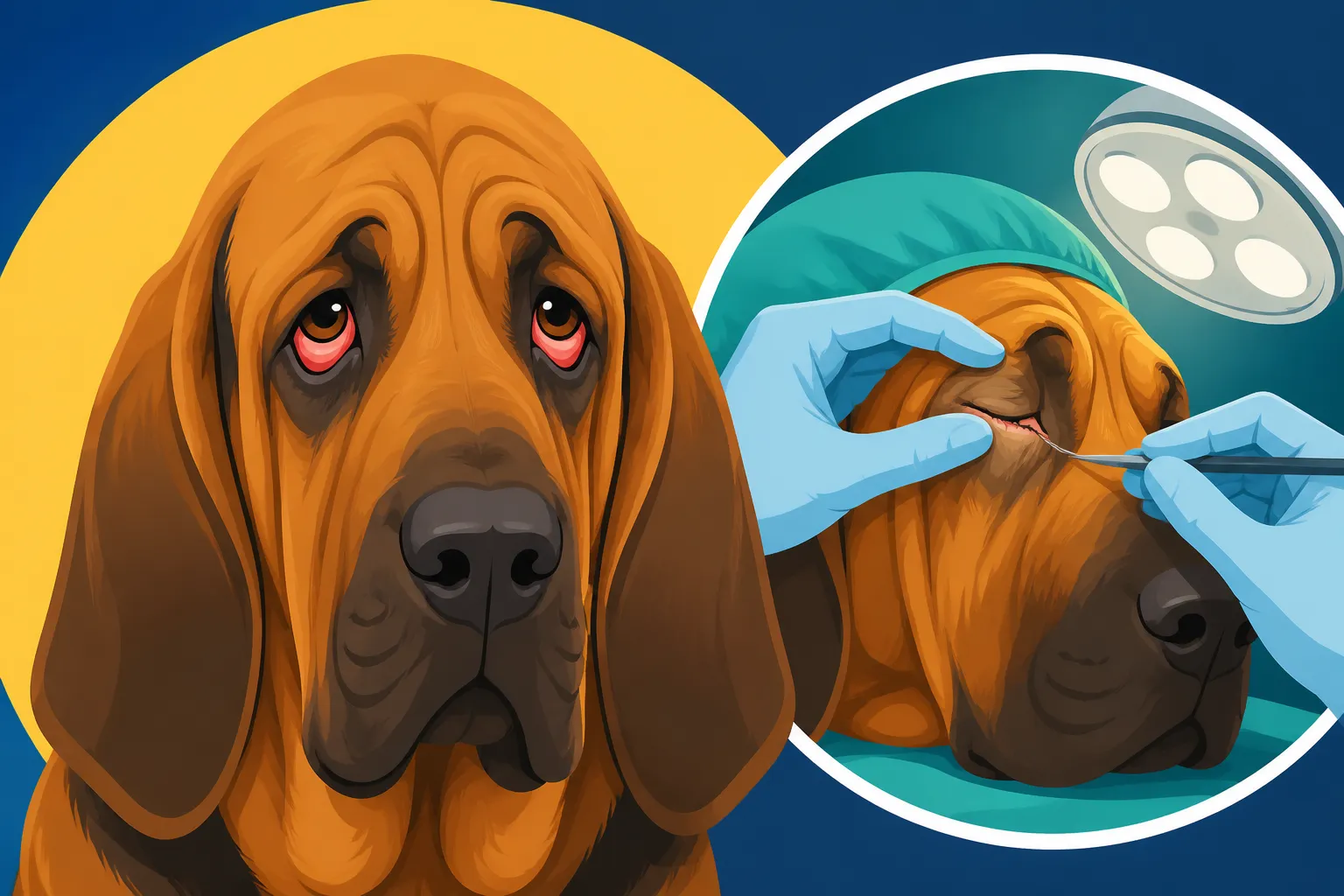
For ectropion, the primary goal of surgery is to tighten the lower eyelid and reposition it so it sits correctly against the eyeball. There are several surgical techniques an ophthalmologist might employ, often described as "lid-tacking" procedures. One common method involves removing a small, V-shaped wedge of tissue from the lower lid, then suturing the edges together to shorten and tighten the lid. This effectively pulls the lid back into its normal position, allowing the tear film to lubricate the eye properly and reducing exposure to irritants. The surgeon's skill here is paramount, as they need to achieve a functional correction without overly tightening the lid, which could lead to entropion or a permanently "pinched" look. The goal is a natural, comfortable fit that protects the eye. While the cost can vary widely, understanding What Ectropion Surgery Costs on a Bloodhound is a crucial part of preparation.
Addressing Entropion: Protecting the Cornea
Entropion surgery is often more urgent due to the constant irritation and damage to the cornea. The goal here is to evert, or roll out, the inwardly turned eyelid margin so that the eyelashes and skin no longer rub against the eye. Similar to ectropion repair, a common technique involves removing a crescent-shaped piece of skin and muscle from below the eyelid margin. When the skin is sutured back together, it creates tension that pulls the eyelid margin outward. Sometimes, temporary sutures (everting sutures) are placed for a period to allow the tissue to heal in the correct position, especially in younger puppies where growth may alter the final result. For severe cases, or in specific areas of the lid, a more complex "Hotz-Celsus" procedure might be used. The precision required for entropion repair is very high, as even a millimeter of miscalculation can leave hair still rubbing the cornea or overcorrect, leading to ectropion. This is precisely why seeking a specialist, and often incurring additional fees for What an Ophthalmologist Charges More for a Bloodhound, is so important to ensure your Bloodhound’s long-term eye health.
Repairing Cherry Eye: Tucking Versus Removal
When it comes to cherry eye, the surgical approach has evolved significantly over the years. The preferred method today is almost always to tuck the prolapsed gland back into its normal position and secure it there with sutures, rather than removing it entirely. This is because the gland of the third eyelid is responsible for producing a significant portion of the eye's tears. Removing it dramatically increases the risk of your Bloodhound developing chronic dry eye (Keratoconjunctivitis Sicca, or KCS) later in life, which requires lifelong medication and can lead to severe discomfort and vision loss. So, while gland removal might seem simpler, the long-term consequences are severe. The "pocket technique" or "orbital rim anchoring" are common methods used to create a new anatomical attachment for the gland, keeping it in place while preserving its tear-producing function. This preventative approach saves a lot of future trouble, although sometimes a second procedure is needed if the gland prolapses again.
Navigating Post-Operative Care and Recovery at Home
Bringing your Bloodhound home after eye surgery is just the beginning of the recovery process. Your active participation in their post-operative care is crucial for a successful outcome. This period requires patience, diligence, and a keen eye for any signs of complications. It can feel overwhelming, but your vet or ophthalmologist will provide detailed instructions to guide you every step of the way.
Managing Pain and Swelling After Surgery
Your Bloodhound will likely come home with pain medication, usually an anti-inflammatory and possibly an opioid-based pain reliever, to keep them comfortable. It's vital to administer these exactly as prescribed, even if your dog seems fine, to stay ahead of any discomfort. Swelling around the surgical site is normal for the first few days, but it should gradually subside. Cold compresses (a cloth dampened with cool water, never ice directly on the skin) can sometimes help reduce swelling and provide relief if your vet approves it. The biggest challenge often comes from preventing your Bloodhound from scratching or rubbing their eyes. An Elizabethan collar (e-collar), often dubbed the "cone of shame," is absolutely non-negotiable during this period. While it might look uncomfortable or make your hound clumsy, it's the only way to protect the delicate sutures and allow the area to heal properly. One scratch can undo all the surgeon's careful work, leading to infection or reopening the wound.
Medication Regimens and Follow-Up Appointments
The post-operative period will involve a strict medication regimen, often including antibiotic eye drops or ointments to prevent infection, and potentially anti-inflammatory drops to reduce swelling. Administering eye medications to a large, sometimes stubborn, Bloodhound can be a battle of wills, but consistency is key. Your vet will show you the best techniques, often involving wrapping your hound gently or having a second person help. Set reminders on your phone to stay on schedule. You'll also have several follow-up appointments scheduled. These are critical for the veterinary team to monitor the healing process, remove sutures (if non-absorbable ones were used), and address any concerns. Skipping these appointments can compromise the success of the surgery. They'll check for signs of infection, ensure the eyelids are positioned correctly, and assess your Bloodhound's overall comfort. Be prepared to discuss any observations you've made at home, no matter how minor they seem.
Preventing Complications and Recurrence
While surgery aims for a permanent solution, some conditions, particularly ectropion, can occasionally recur, or sometimes the initial surgery isn't quite enough and a second "tweak" might be needed. Your diligent home care plays a huge role in preventing complications. Beyond the e-collar, keep the area around your Bloodhound’s eyes clean and dry, especially after meals or drinking, using a soft, clean cloth. Avoid dusty environments, strong winds, or anything that could irritate the healing eye. Monitor for any signs of worsening redness, swelling, discharge (especially yellow or green), increased pain, or if your hound starts rubbing at the cone or their face excessively. These could indicate an infection or a problem with the surgical site, and warrant an immediate call to your vet or ophthalmologist. Being vigilant and following all instructions helps ensure your Bloodhound enjoys long-lasting relief from their eye issues.
The Financial Reality: Why Eyelid Surgery Catches Owners Off Guard
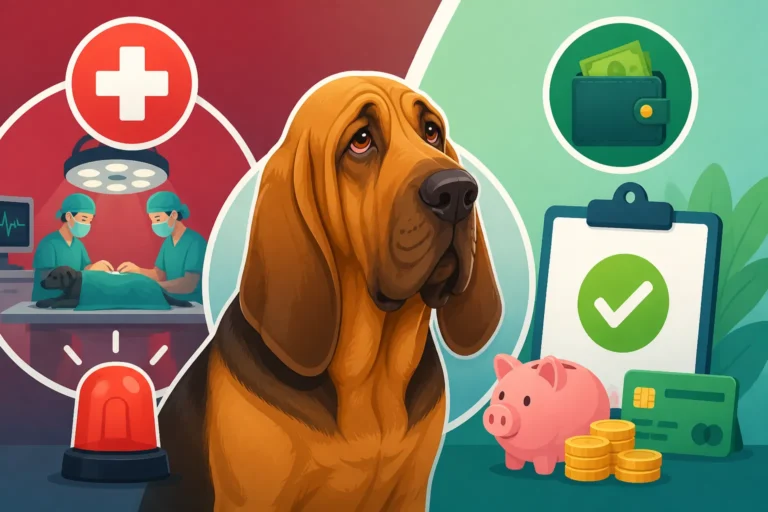
For many Bloodhound owners, the cost of specialized eye surgery is a bill they simply didn't see coming. Unlike more commonly known health issues, eye conditions are often overlooked in pre-adoption research. The reality is that these procedures can be quite expensive, and understanding the various components of the bill, as well as how pet insurance might (or might not) help, is crucial for financial preparedness. This is truly where A Bloodhound's Money Is Spent in the Operating Room.
Deconstructing the Cost: What Eyelid Surgery Costs on a Bloodhound
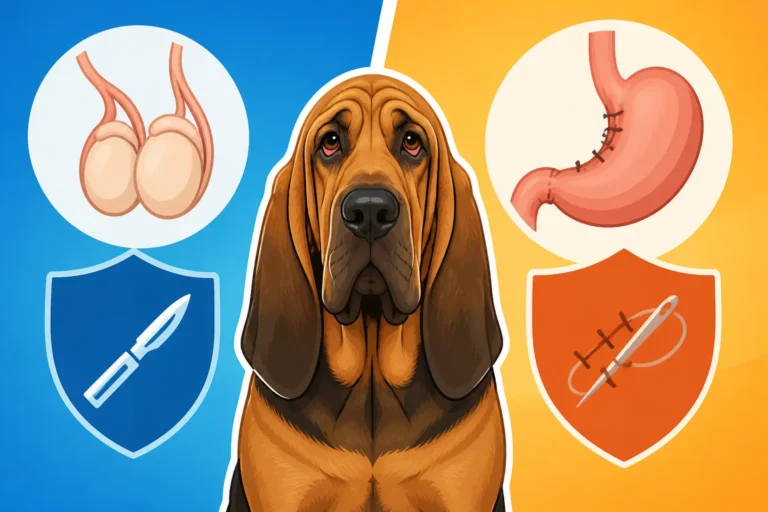
The total cost of eyelid surgery for a Bloodhound isn't just one lump sum; it's a breakdown of several significant components. First, there's the surgeon's fee, which can be considerably higher if you're seeing a board-certified veterinary ophthalmologist. Then you have the anesthesia costs, which for a large breed like a Bloodhound, involve more medication and longer monitoring times. Don't forget the pre-surgical bloodwork and diagnostics, the operating room fees, and the cost of the surgical supplies and medications. Post-operative care, including pain medications, antibiotics, special eye drops (which can be surprisingly expensive, especially for chronic conditions like dry eye – think What a Bloodhound's Eye Drops Cost Each Year), and multiple follow-up visits, also adds substantially to the total. While I can't give specific numbers, be prepared for a bill that reflects the expertise, equipment, and extensive care involved in delicate ocular surgery. It's often one of The Two Surgeries a Bloodhound Owner Should Expect that comes with Bloodhound ownership.
Navigating Pet Insurance and Pre-Existing Conditions
This is where pet insurance can be a lifesaver, but also a source of frustration. Many Bloodhound eyelid conditions, like ectropion and entropion, are considered congenital or hereditary. If you don't enroll your Bloodhound in a pet insurance plan before any symptoms arise or diagnosis is made, the condition will almost certainly be classified as "pre-existing." This means your policy, even a great one like those offered by Healthy Paws, will likely exclude coverage for that specific condition and any related treatments or surgeries. It's a hard lesson many owners learn too late. That's why it's always recommended to get pet insurance as early as possible in your Bloodhound's life, ideally when they are a puppy, to cover potential issues that might arise. Carefully review policy terms regarding congenital and hereditary conditions, as some plans may have waiting periods or specific exclusions.
Budgeting for the Unexpected and Ongoing Eye Care Costs
Even with a successful surgery, the journey with your Bloodhound's eyes might not be over. There can be ongoing costs, such as daily cleaning supplies, lubricating eye drops, or even specialized prescription diets if allergies contribute to eye irritation (which you might consider from a brand like Ollie, known for tailored nutrition). If a condition like dry eye develops later, your Bloodhound might need daily medications for the rest of their life. This is why having an emergency fund specifically for your pet is so important. Think of it as an "eye care reserve." Beyond the initial surgery, remember that regular veterinary check-ups for eye health are essential, and any new irritation or symptom should be addressed promptly. Ordering supplies like specialized cleaning solutions or Elizabethan collars from retailers like Chewy can help manage recurring costs, but the underlying medical expenses still require careful budgeting.
Proactive Measures and Long-Term Eye Health Management
While some surgical interventions are unavoidable for Bloodhounds, there's a lot you can do as an owner to manage their eye health proactively and minimize discomfort. Long-term care is about consistency and attention to detail, keeping those expressive eyes comfortable and clear.
Daily Eye Cleaning and Preventive Practices
Consistency is king when it comes to a Bloodhound's eyes. Daily cleaning is not just about keeping them pretty; it's about preventing problems. Those droopy eyelids and deep folds can trap moisture, debris, and bacteria, leading to infections if not addressed. Use a soft, damp cloth or a vet-approved eye wash solution to gently wipe away any discharge, dirt, or tear staining from around their eyes and in their facial folds. Always wipe away from the eye, and use a fresh part of the cloth for each eye to prevent cross-contamination. Drying the folds thoroughly after cleaning is just as important to prevent skin irritation and yeast infections. Incorporating this into your daily routine, perhaps after their morning walk or before bedtime, makes it a habit for both you and your Bloodhound.
Nutritional Support and General Health for Eye Wellness
While diet won't fix structural eye problems, good nutrition plays a vital role in overall health, which indirectly supports eye wellness. A balanced diet rich in antioxidants, omega-3 fatty acids, and essential vitamins can contribute to a healthy immune system and reduce systemic inflammation, potentially benefiting ocular health. Discuss your Bloodhound's diet with your vet to ensure it meets their specific needs, especially as they age or if they have other health conditions. High-quality dog food brands often prioritize these nutritional aspects. Beyond diet, ensuring your Bloodhound maintains a healthy weight is important. Obesity can exacerbate certain health issues, and being lean makes it easier for them to move and reduces strain on all body systems, including contributing to overall vitality.
Understanding Recurrence and Future Needs
It’s important to understand that even after successful surgery, your Bloodhound may still be prone to eye issues due to their inherent breed characteristics. Some dogs might experience a recurrence of entropion or ectropion, or develop other eye conditions like dry eye later in life, especially if the third eyelid gland was compromised or removed (though modern surgery aims to prevent this). This isn't a failure of the surgery but rather a reflection of the breed's unique anatomy. Regular check-ups with your vet or ophthalmologist are essential to monitor their eye health long-term. Be proactive about any new symptoms, even subtle ones. Early detection and intervention are always the best strategies. It's a lifelong commitment to those beautiful, expressive eyes, ensuring your Bloodhound lives a comfortable and happy life, full of scent-filled adventures.
| Condition Name | Description | Symptoms | Typical Treatment | Urgency |
|---|---|---|---|---|
| Ectropion | Lower eyelid sags or rolls outward, exposing conjunctiva. | Excessive tearing, redness, frequent eye wiping, chronic irritation. | Surgical tightening of the lid. | Moderate |
| Entropion | Eyelid margin rolls inward, causing fur/lashes to rub cornea. | Pain, squinting, constant tearing, cloudy eye, corneal ulcers. | Surgical eversion of the lid. | High |
| Cherry Eye | Prolapse of the gland of the third eyelid, appearing as a red mass. | Visible red mass in inner corner of eye, irritation, potential dry eye. | Surgical repositioning and securing of the gland. | Moderate to High |
| Corneal Ulcer | Open sore on the surface of the eye (often secondary to entropion/trauma). | Severe pain, squinting, discharge, cloudy eye, rubbing. | Medicated drops, pain relief, often with entropion repair. | High |
| Dry Eye (KCS) | Insufficient tear production, leading to dry, inflamed eyes. | Thick discharge, redness, squinting, dull eye surface. | Lifelong medicated eye drops. | Chronic/High |
Disclaimer
This article is for general informational purposes only and does not constitute professional advice. Laws, prices and regulations vary by location and change over time. Consult a qualified professional for guidance on your specific situation.