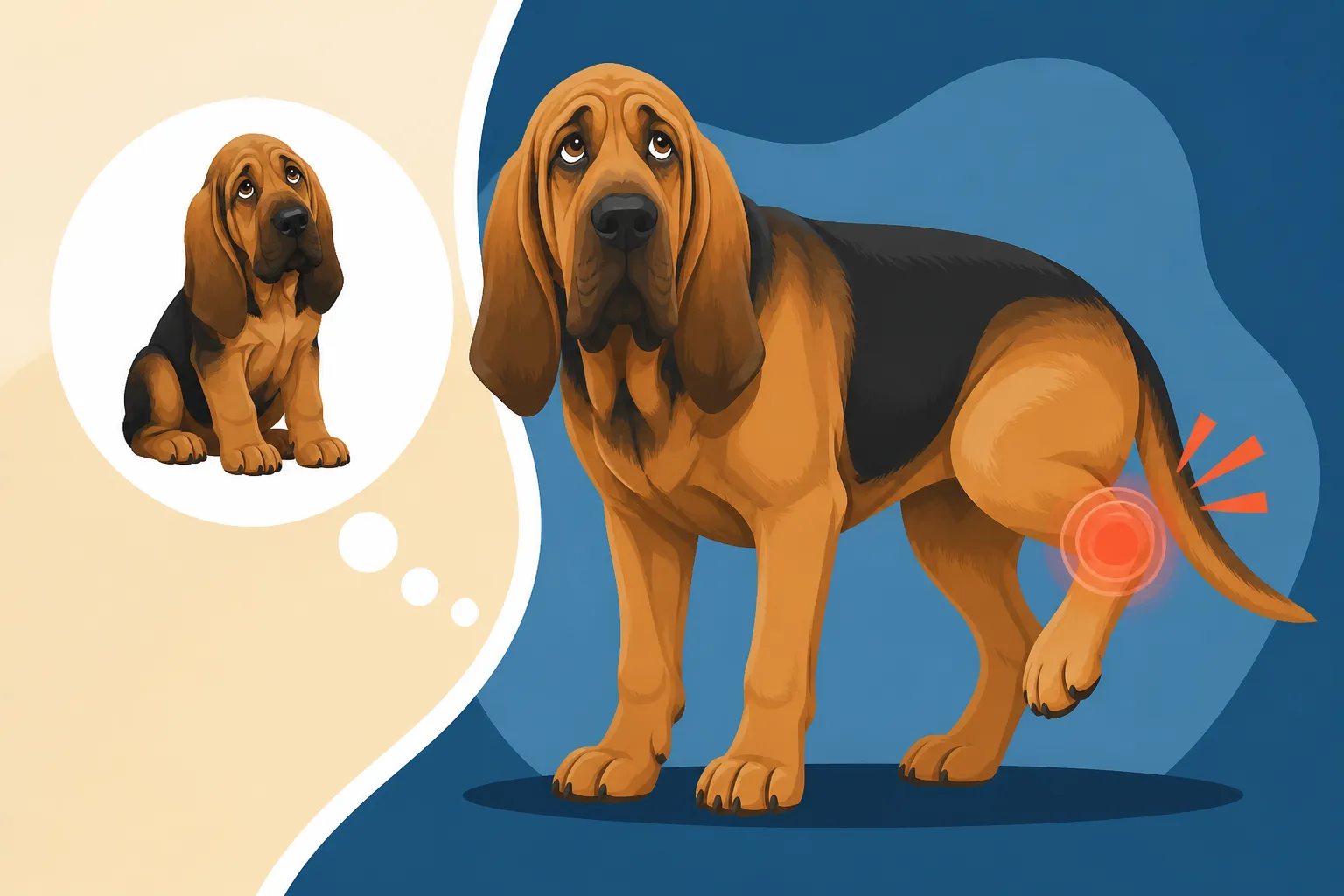
Whether a Bloodhound Limps Before It Is a Year Old
It's incredibly distressing to see your lively, clumsy Bloodhound puppy suddenly start limping. One minute they're romping around the yard, ears flying, nose glued to an invisible trail, and the next they're holding up a paw or favoring a leg. As Bloodhound owners, we know these big, gangly pups are prone to bumps and scrapes, but when does a simple stumble turn into something more concerning? This guide will dive deep into why your Bloodhound might be limping before their first birthday, what to look out for, and how to get them the care they need.
Understanding the Growing Bloodhound Puppy's Vulnerabilities
Bloodhound puppies are a marvel of rapid growth, transforming from adorable, wrinkly bundles into substantial hounds in less than a year. This explosive growth, while impressive, leaves them vulnerable to a unique set of challenges. Their bones, joints, and soft tissues are developing at an incredible pace, and this process isn't always smooth. It’s a bit like building a skyscraper at lightning speed – sometimes, not everything sets quite right, or a minor stressor can have a bigger impact than it would on a fully mature structure.
Many new Bloodhound owners are surprised by the sheer scale of their puppy’s physical changes in a short time. They gain weight and height rapidly, and their bodies are constantly reconfiguring. This means that issues that might be minor in a smaller, slower-growing breed can present differently and potentially be more serious in a Bloodhound. We often worry about them being clumsy, running into things, or just generally being a bull in a china shop, but sometimes a limp isn't just a clumsy step; it's a sign of a deeper, underlying issue related to their unique physiology. Understanding these vulnerabilities is the first step in being a proactive and effective advocate for your pup's health.
The Rapid Growth Curve and Joint Stress
Bloodhound puppies, like many large and giant breeds, experience a phenomenal growth spurt during their first year. This isn't just about getting bigger; it's a complex dance of bone elongation, muscle development, and joint formation. Their growth plates, the areas of cartilage at the ends of long bones where new bone tissue is produced, remain open and vulnerable for longer than in smaller breeds. This rapid, sometimes uneven, growth can place immense stress on developing joints. Imagine a growing tree pushing its way through rocky soil – there's a lot of force at play, and sometimes the structure isn't perfectly stable.
This rapid growth can lead to conditions like Panosteitis, often called "growing pains," where the long bones experience inflammation. It's a condition that might explain whether Panosteitis explains a young Bloodhound's limp. It’s a common frustration for owners because it can appear suddenly, shift from one leg to another, and often resolves on its own as the puppy matures. However, the discomfort can be significant, and it’s important not to dismiss it as just growing pains without proper veterinary assessment. Owners often find themselves constantly checking their pup, wondering if today is the day a different leg will be sore. It's a reminder that their bodies are undergoing immense changes, and sometimes those changes come with temporary aches and pains.
Early Injuries and Accidents
Let’s be honest: Bloodhound puppies are goofy, energetic, and often completely oblivious to their own size and surroundings. They trip over their own feet, slide on slick floors, and launch themselves off furniture with reckless abandon. A sudden limp in a young Bloodhound often stems from a straightforward injury. This could be anything from a strained muscle from an overzealous play session at the dog park, a sprained ligament from an awkward landing, or even a minor fracture from a fall.
Think about it: you see them gallop full-tilt across the yard, then abruptly stop, twisting their body in a way that makes your knees ache just watching. It’s no wonder they sometimes pull something! These "weekend warrior" injuries are common in active puppies. While often less serious than developmental orthopedic conditions, they still require attention. A small cut on a paw pad, a thorn embedded between their toes, or a bruised nail can also cause a noticeable limp. It’s crucial to carefully examine your pup’s paw and leg for any obvious signs of trauma, swelling, or tenderness. A good pet insurance plan, like those offered by Healthy Paws, can be a huge relief when these unexpected vet visits pop up.
Common Orthopedic Issues in Young Bloodhounds
Beyond the occasional sprain or bruise, Bloodhounds are predisposed to several significant orthopedic conditions that can manifest as limping before they're a year old. These aren't just minor aches; they are structural issues that can impact their quality of life long-term if not managed appropriately. As a breed, we know they come with their own unique health considerations, and joint problems are high on that list. It's not uncommon to encounter stories of Bloodhound owners navigating these complex diagnoses, feeling overwhelmed by the possibilities and the potential long-term care required.
Knowing what these conditions are and what to look for can empower you to seek early diagnosis and intervention, which is often key to better outcomes. No one wants to hear their beloved puppy has a serious joint problem, but being informed allows you to be their best advocate.
Hip Dysplasia in Puppies
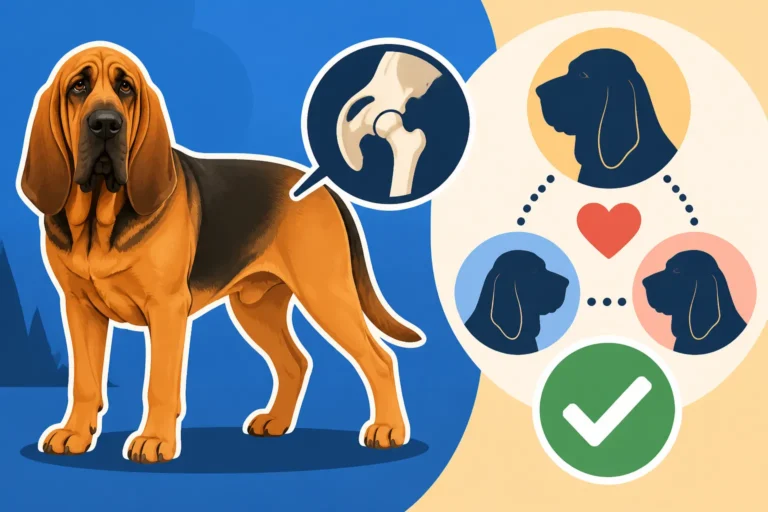
Hip dysplasia is a notoriously common and often heartbreaking condition in large breeds like Bloodhounds. It’s a complex, multifactorial disease where the ball and socket of the hip joint don't fit together properly, leading to laxity and abnormal wear and tear. While often associated with older dogs and arthritis, signs of hip dysplasia in a Bloodhound can certainly appear before they reach their first birthday.
You might notice a "bunny hop" gait, especially when they run, where they use both hind legs simultaneously. They might show reluctance to jump, climb stairs, or even just stand up. Some puppies will limp, particularly after exercise, and they may show discomfort when their hips are touched or manipulated. The symptoms can be subtle at first, perhaps just a slight stiffness that you brush off as growing pains, but it's vital to pay attention to any persistent changes.
Diagnosing hip dysplasia early is critical for management. Veterinarians often recommend X-rays to assess the hip joint conformation, typically around four months of age with PennHIP evaluations or after two years of age for OFA certification to truly understand what an OFA Hip Score means for a Bloodhound. If your puppy is showing signs, don't wait for them to be older; early intervention, including pain management, controlled exercise, and sometimes even surgical options, can make a significant difference in their long-term comfort and mobility. Ignoring these early signs could lead to accelerated development of arthritis and a lower quality of life later on.
Elbow Dysplasia in Growing Hounds
Just as with hips, elbow dysplasia is another significant concern for Bloodhounds and can cause limping in puppies. It's actually a collective term for several developmental abnormalities that can occur in the elbow joint, leading to pain, lameness, and eventual arthritis. These conditions include fragmented coronoid process (FCP), ununited anconeal process (UAP), osteochondrosis (OCD), and elbow incongruity. All of these disrupt the smooth functioning of the elbow.
Signs a Bloodhound puppy has elbow dysplasia often appear between 4 and 10 months of age. You might observe a front leg limp, which can be constant or intermittent, and often worsens after exercise or when they first get up after resting. The puppy might hold the affected limb slightly out from their body, or you might notice a reduced range of motion in the elbow. They might even become reluctant to put weight on the leg, leading to muscle atrophy over time if left untreated. Sometimes, you can feel swelling or warmth around the elbow joint, or your pup might cry out when the area is palpated.
Elbow dysplasia requires veterinary diagnosis, typically through X-rays, and sometimes more advanced imaging like CT scans. Treatment options vary depending on the specific condition and severity, ranging from conservative management with anti-inflammatory medications and physical therapy to surgical correction. The goal is always to restore as much normal function as possible and minimize the progression of debilitating arthritis. Early detection and treatment are paramount, so if you suspect an issue, getting a vet involved sooner rather than later is always the best course of action.
Panosteitis: The Wandering Limp
Panosteitis, often affectionately (or perhaps exasperatedly) called "growing pains," is a condition characterized by inflammation of the outer surface of the long bones in young, rapidly growing large breed dogs. It typically affects dogs between 5 and 18 months of age, but it can appear earlier or later. This is often the condition that comes to mind for owners when they ask whether Panosteitis explains a young Bloodhound's limp.
What makes panosteitis particularly frustrating and confusing for owners is its "shifting lameness" nature. Your Bloodhound might limp on one front leg for a few days, then seemingly recover, only to start limping on a different leg – perhaps a hind leg or the other front leg – a week later. The lameness can range from mild to severe, sometimes making your puppy completely non-weight bearing on the affected limb. They might also show a fever, lethargy, or a reduced appetite during flare-ups.
Diagnosis usually involves a physical exam and X-rays, which can reveal characteristic changes in the bone marrow and cortex. The good news is that panosteitis is generally self-limiting. It resolves on its own as the dog matures and their growth plates close, usually by the time they are 18-24 months old. Management focuses on pain control with non-steroidal anti-inflammatory drugs (NSAIDs) and restricted activity during painful episodes. While it can be distressing to watch your puppy in pain, most dogs recover completely without any long-term effects. Still, it's vital to get a proper diagnosis to rule out other, more serious causes of limping.
What to Do If Your Bloodhound Puppy Limps
Discovering your Bloodhound puppy is limping can instantly send a wave of worry through you. It's natural to jump to conclusions, but taking a systematic approach will help you provide the best care for your furry friend. Remember, you are your dog's primary advocate, and knowing what steps to take can make all the difference in getting an accurate diagnosis and effective treatment.
Immediate Steps and Home Assessment
First things first, try to stay calm. Your anxiety can transfer to your puppy, making them more stressed. Gently examine your Bloodhound, starting with the paw and working your way up the leg.
- Check the Paw: Look closely at the paw pads for cuts, splinters, thorns, or any foreign objects lodged between the toes. Gently feel each toe and nail for tenderness, swelling, or cracks.
- Examine the Leg: Carefully run your hands down each leg, from paw to shoulder/hip. Feel for any swelling, warmth, or obvious deformities. Gently flex and extend each joint (wrist, elbow, shoulder, hock, stifle, hip) and watch for any signs of pain or discomfort. Compare the affected leg to the unaffected one.
- Observe Their Behavior: Note when the limping started, if it's constant or intermittent, if it worsens after rest or exercise, and if your puppy is putting any weight on the leg at all. Is your Bloodhound showing other symptoms like lethargy, loss of appetite, or a fever? Are they less willing to play or engage?
If the limp is very mild and you can't find any obvious injury, you might try restricting their activity for 24-48 hours. This means no jumping, no running, and short, leashed potty breaks only. Observe carefully during this period. However, for anything more than a very minor, fleeting limp, or if you find any swelling, heat, or significant pain, it's time to call your veterinarian. It’s always better to be safe than sorry, especially with growing puppies.
When to Seek Veterinary Care
While some minor limps might resolve with rest, it’s imperative to consult your veterinarian if:
- The limping is severe: Your puppy is unwilling to put any weight on the leg.
- There is obvious pain, swelling, or deformity: This could indicate a fracture, severe sprain, or dislocation.
- The limping persists: If the limp doesn't improve within 24-48 hours of rest, or it worsens.
- Your puppy has other symptoms: Fever, lethargy, loss of appetite, or behavioral changes alongside the limp.
- The limping is recurrent: If your Bloodhound frequently limps, even if it seems to resolve, it could indicate an underlying chronic issue.
When you call your vet, be prepared to describe when the limping started, how severe it is, what you've observed, and any relevant history. The vet will perform a thorough physical exam, often including a lameness exam where they watch your puppy walk and trot, and then palpate and manipulate the joints. Depending on their findings, they may recommend diagnostic tests such as X-rays to assess the bones and joints. Sometimes, blood tests might be done to check for inflammation or other systemic issues. Remember, early diagnosis for conditions like hip and elbow dysplasia is crucial for effective management and can significantly improve your Bloodhound's long-term comfort and mobility. Don't hesitate to reach out to your vet; they are your best resource for protecting your puppy's health.
Long-Term Management and Prevention
The journey of owning a Bloodhound is incredibly rewarding, but it also comes with a responsibility to understand and manage their unique health needs, especially concerning their fast-growing joints. Preventing serious orthopedic issues and managing them effectively if they arise is key to ensuring your Bloodhound lives a happy, active life. It's a continuous process that involves careful attention to their diet, exercise, and overall health.
The Role of Nutrition in Joint Health
Proper nutrition is paramount for large breed puppies, and Bloodhounds are no exception. Feeding a diet specifically formulated for large breed puppies is critical. These diets are designed to support slower, more controlled growth, which helps prevent excessive stress on developing bones and joints. Overfeeding, especially with high-calorie or high-protein foods not designed for large breeds, can lead to rapid weight gain and growth, exacerbating the risk of developmental orthopedic diseases like hip and elbow dysplasia.
Look for a high-quality large breed puppy food that has appropriate calcium and phosphorus levels. Too much calcium, for instance, can interfere with normal bone development. Stick to the feeding guidelines provided by the manufacturer, and monitor your puppy's body condition closely. They should be lean, with easily palpable ribs, but not bony. Avoiding unnecessary supplements unless specifically recommended by your vet is also important, as some can throw off the delicate balance of nutrients required for healthy growth. A balanced diet lays the foundation for strong bones and resilient joints throughout their life.
Controlled Exercise and Activity
While Bloodhounds need exercise, how they exercise during their puppyhood is just as important as how much. High-impact activities, repetitive motions, and forced strenuous exercise can be detrimental to their developing joints. This includes things like long-distance running, intense agility work, or jumping excessively off high surfaces. Young Bloodhounds, with their boundless energy and clumsy enthusiasm, often don't know their own limits, so it's up to us to set them.
Instead, focus on short, frequent walks on soft surfaces, like grass or dirt trails. Gentle play sessions with other well-socialized dogs are great, but monitor interactions to prevent overly rough play or prolonged wrestling that could strain their joints. Swimming is an excellent low-impact exercise option that builds muscle without stressing joints. The goal is to build strong muscles that support the joints without causing undue impact or wear. As they mature, you can gradually increase the duration and intensity of exercise. Remember that even with a gastropexied Bloodhound, careful post-meal rest is crucial to avoid bloat, so always plan exercise around meals. Understanding how much exercise a Bloodhound actually needs and tailoring it to their age is vital for joint health.
Proactive Screening and Veterinary Check-ups
Regular veterinary check-ups are fundamental to a Bloodhound puppy’s health, allowing your vet to monitor their growth and development and catch any potential issues early. Beyond routine care, proactive screening for orthopedic conditions is a game-changer. Breeders who care about the health of the breed will screen their breeding dogs, which helps reduce the incidence of these inheritable conditions. Whether a Bloodhound should be screened before breeding is a question every responsible breeder takes seriously.
For pet owners, if you're concerned about hip or elbow dysplasia, you can discuss early screening X-rays with your vet, even before the standard two-year mark for OFA certification. While not definitive for breeding purposes, these X-rays can provide an indication of joint health and help guide early intervention strategies. Maintaining a relationship with a veterinarian who understands the specific needs of large breeds is invaluable. They can offer guidance on appropriate nutrition, exercise, and refer you to specialists if needed. Considering pet insurance from providers like Healthy Paws early in your Bloodhound's life can also offer peace of mind, helping to cover the costs associated with diagnosing and treating these often expensive orthopedic conditions. It’s an investment in your puppy’s future comfort and mobility.
Comparing Common Causes of Puppy Limping
To help Bloodhound owners quickly grasp the different possibilities when their puppy starts limping, here's a comparative table outlining common causes, their typical onset, symptoms, and general outlook. This isn't a substitute for veterinary advice, but it can help you communicate more effectively with your vet.
| Condition | Typical Onset Age (Months) | Common Symptoms | Prognosis/Outlook |
|---|---|---|---|
| Minor Injury (Sprain/Strain) | Any | Sudden limp, pain on palpation, mild swelling, usually improves with rest. | Excellent, usually resolves completely with rest and pain management. |
| Paw Injury | Any | Favoring paw, licking paw, visible cut, thorn, or cracked nail. | Excellent, resolves once foreign object removed or wound heals. |
| Panosteitis | 5-18 | Shifting lameness (limps on different legs), lethargy, fever, pain on bone palpation. | Excellent, self-limiting, resolves by 18-24 months of age with pain management. |
| Hip Dysplasia | 4-12+ | "Bunny hop" gait, reluctance to jump/climb, stiffness, pain after exercise, muscle atrophy. | Variable, managed with pain meds, controlled exercise, sometimes surgery; lifelong management. |
| Elbow Dysplasia | 4-10 | Front leg lameness, stiffness, reluctance to bear weight, reduced elbow range of motion. | Variable, managed with pain meds, controlled exercise, often requires surgery; lifelong management. |
| Osteochondrosis Dissecans (OCD) | 5-10 | Lameness in specific joint (shoulder, elbow, hock, stifle), pain on manipulation, joint swelling. | Variable, often requires surgery, can lead to arthritis. |
Remember, this table provides general information. If your Bloodhound puppy is limping, observing their specific symptoms and seeking professional veterinary advice is always the most responsible action. Early diagnosis and appropriate treatment are crucial for the best possible outcome.
Disclaimer
The information provided in this article is for general educational purposes only and is not a substitute for professional veterinary advice, diagnosis, or treatment. Always seek the advice of your veterinarian or other qualified animal health provider with any questions you may have regarding a medical condition. Never disregard professional veterinary advice or delay in seeking it because of something you have read in this article.