Whether a Bloodhound’s Ear Hematoma Needs Draining
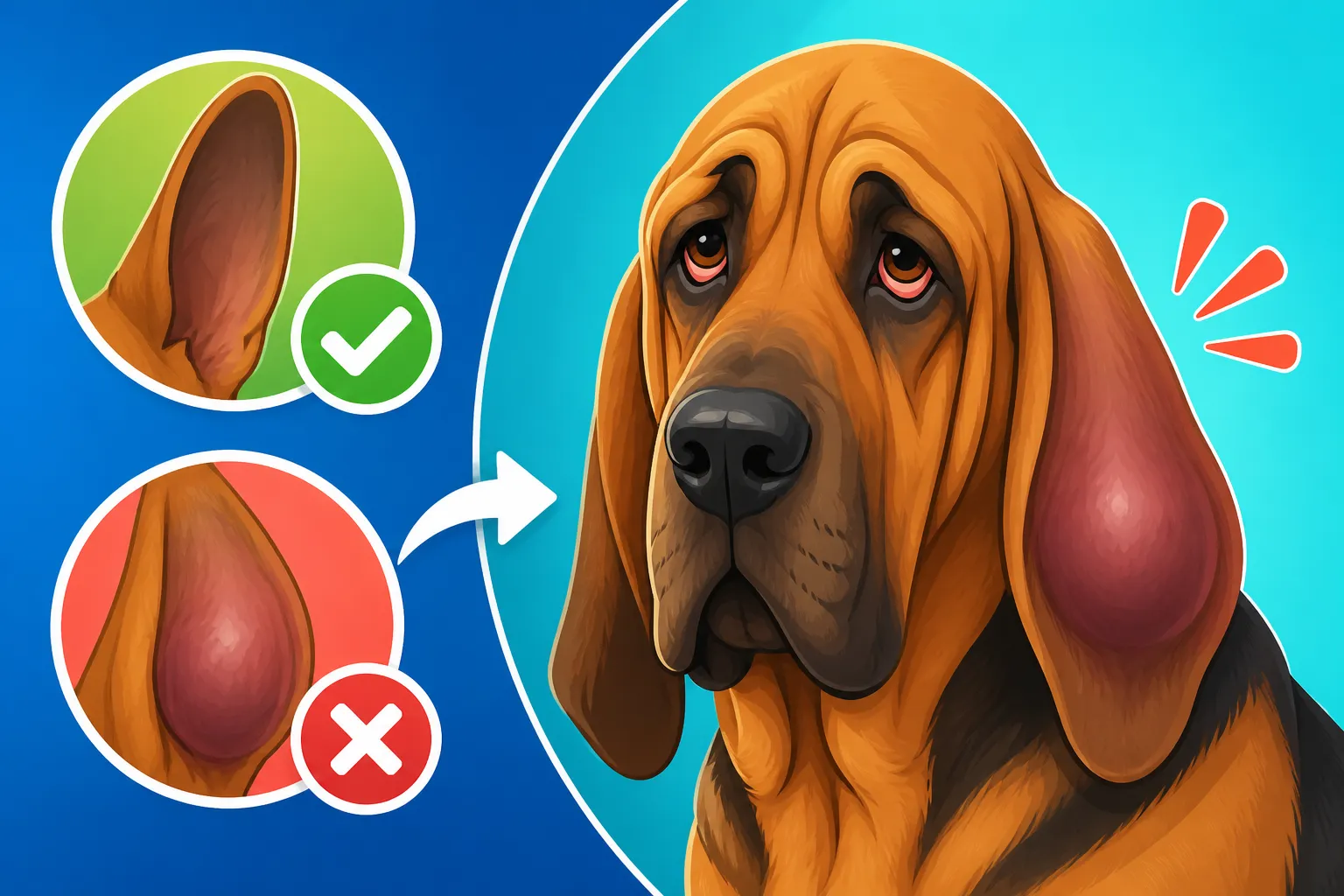
Seeing your beloved Bloodhound suddenly with a swollen, balloon-like ear flap can be incredibly alarming and frankly, quite sickening. It often happens overnight, or you might return home to find what looks like a deflated football on their head, usually after a vigorous session of head shaking. This distressing sight is most likely an aural hematoma, and understanding whether it needs to be drained is crucial for your hound's comfort and long-term ear health. This guide will walk you through what an ear hematoma is, the factors influencing treatment decisions, and the various approaches to get your Bloodhound back to comfortable, healthy ears.
Understanding the Bloodhound Ear Hematoma
A Bloodhound's ears are magnificent, long, and heavy, designed to help them gather scent from the ground. But these same wonderful ears are also a common source of trouble, making them particularly prone to certain conditions, including aural hematomas. When you see that swollen ear flap, it's a clear sign of internal damage.
What Happens Inside That Floppy Ear
Imagine the ear flap, or pinna, as a sandwich of skin with cartilage in the middle. Running through this delicate structure are tiny blood vessels. An aural hematoma occurs when these blood vessels rupture, bleeding into the space between the cartilage and the skin on the inner or outer surface of the ear flap. It's essentially a big bruise, but instead of just discoloration, the blood pools and causes a significant, fluid-filled swelling. The reason for this rupture is almost always trauma, specifically aggressive head shaking or vigorous scratching.
Why do Bloodhounds shake their heads so much? Often, it's due to an underlying irritation. Their long, heavy ears create a warm, moist, and poorly ventilated environment, which is unfortunately a perfect breeding ground for bacteria and yeast. This is why a Bloodhound's ears are a standing infection risk. An undiagnosed or poorly managed ear infection, allergies that cause itchy ears, ear mites, or even foreign objects like grass awns can all lead to intense itchiness and discomfort, prompting your Bloodhound to shake their head with such force that blood vessels in the ear flap rupture. It’s a vicious cycle where discomfort leads to self-inflicted injury.
Recognizing the Signs and Symptoms
The most obvious sign of an aural hematoma is the visible swelling of the ear flap. It can range from a small, localized bump to a complete ballooning of the entire ear, making it appear thick and distorted. When you gently touch it, it often feels squishy, warm, and might cause your Bloodhound to flinch or show signs of pain.
Beyond the swelling, you might notice other symptoms. Your Bloodhound might hold their head tilted to one side, favoring the unaffected ear. They might continue to shake their head or paw at the ear, despite the swelling, which indicates the underlying irritation is still present. Some dogs become withdrawn, less active, or even lose their appetite due to discomfort. You might also notice a foul odor coming from the affected ear, or discharge, which are clear indicators of an active ear infection that likely triggered the hematoma in the first place. Early detection is key, not just for the hematoma itself, but for addressing the root cause. If you suspect an ear infection, knowing how often a Bloodhound gets an ear infection might give you an idea of how common this issue truly is for the breed.
The Decision to Drain: When and Why It Matters
Once you spot an ear hematoma, the next logical question is what to do about it. While a trip to the vet is absolutely necessary, the exact course of treatment, particularly whether to drain the hematoma, isn't always a one-size-fits-all answer. It depends on several factors, including the size of the hematoma, its duration, and the presence of underlying issues.
Conservative Management vs. Surgical Intervention
For very small, recent hematomas, a veterinarian might suggest a conservative approach. This often involves treating the underlying cause (like an ear infection) with appropriate medication and sometimes applying a cold compress to the ear initially to help stop further bleeding, followed by warmth. Sometimes, medications to reduce inflammation might be prescribed. The idea is to allow the body to reabsorb the fluid on its own. However, this approach carries a risk. If the hematoma is too large or doesn't resolve, it can lead to permanent disfigurement of the ear, often referred to as "cauliflower ear." This happens because the accumulated blood and fluid prevent proper healing, and the cartilage can scar and contract, causing the ear to become wrinkled and thickened.
For most Bloodhound ear hematomas, especially those of significant size or causing considerable discomfort, surgical draining is often the recommended course of action. This is because draining not only provides immediate relief from pressure and pain but also prevents the extensive scarring and disfigurement that can occur if left untreated. Given the Bloodhound's long, heavy ears, the cosmetic outcome is often a concern for owners, and surgical intervention typically provides a much better chance of the ear returning to a more normal appearance. Moreover, if the hematoma is large and full of fluid, it can be very painful for your dog, making them reluctant to eat, play, or even be petted around the head. Swift intervention can drastically improve their quality of life.
The Draining Procedure and Its Variations
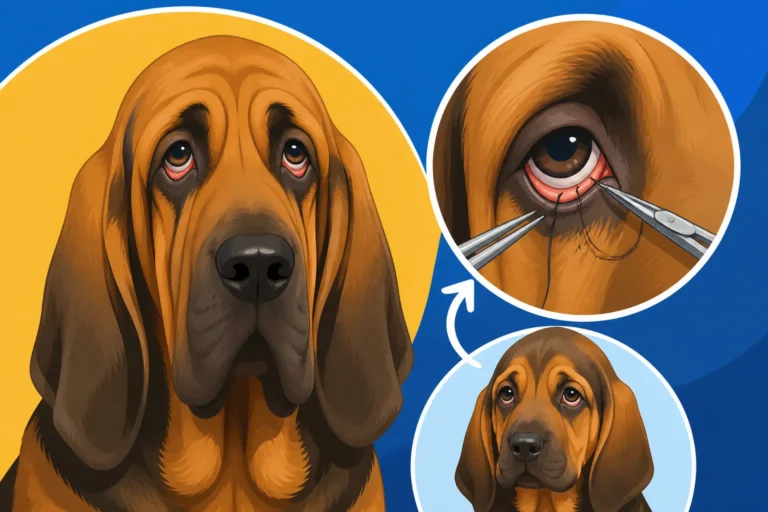
The draining procedure typically involves sedating or anesthetizing your Bloodhound. The most common technique is to make a small incision on the inner surface of the ear flap, allowing the blood and fluid to drain out. To prevent the space from refilling, the vet then places multiple sutures, often in a "quilting" pattern, through the ear flap. These sutures compress the skin and cartilage together, eliminating the dead space where blood can accumulate, and encouraging the two layers to re-adhere. These sutures are usually left in place for a few weeks before removal.
Some vets might use a laser for the incision, which can reduce bleeding and pain. Other techniques might involve placing a small drain tube within the ear flap for a few days to allow continuous drainage. Regardless of the specific method, the goal is the same: remove the accumulated blood, prevent re-accumulation, and allow the ear to heal flat. Your vet will also thoroughly examine the ear canal to identify and treat the underlying cause, usually an ear infection, which is paramount to preventing future hematomas. This might involve deep cleaning and prescribing oral or topical medications.
It's also worth noting that dealing with an ear hematoma can be a costly undertaking. While perhaps not as dramatic as what emergency bloat surgery costs on a Bloodhound, the bills for diagnosis, anesthesia, surgery, medication, and follow-up visits can add up. Having pet insurance, like a policy from Healthy Paws, can certainly offer peace of mind by helping to cover these unexpected veterinary expenses. Many owners don't realize that these common breed-specific issues often require significant financial commitment.
Post-Procedure Care and Long-Term Prevention
Undergoing treatment for an ear hematoma is just the first step. The recovery period and ongoing preventative care are just as critical to ensure your Bloodhound's ear fully heals and to minimize the risk of recurrence.
Recovering After the Drainage
After the procedure, your Bloodhound will likely come home with a few things to help with recovery. An Elizabethan collar (e-collar or "cone of shame") is almost always necessary to prevent them from scratching or shaking their head and damaging the sutures or the healing ear. This can be a challenging time for both you and your hound, as they adjust to wearing the cone, which can interfere with eating, drinking, and navigating doorways. Patience and positive reinforcement are key.
You'll also be sent home with pain medication to keep your Bloodhound comfortable and likely antibiotics, especially if an infection was present. It’s crucial to administer all medications exactly as prescribed. The incision site will need to be kept clean and dry, and your vet might give you specific instructions for cleaning around the sutures. Regular follow-up appointments will be scheduled for suture removal and to monitor the healing process, as well as to ensure the underlying ear infection is fully resolved. It's a commitment, but vital for a successful outcome.
During this time, it's also important to manage your Bloodhound's activity levels. While gentle walks are fine, avoid rough play or situations where they might accidentally bump their head or get their ear caught. The goal is to allow the ear flap to heal without any further trauma.
Preventing Future Ear Hematomas
The best way to prevent future ear hematomas is to diligently address the root causes of ear irritation in Bloodhounds. For a breed so predisposed to ear infections, this means a rigorous preventative routine.
Here's a breakdown of essential preventative measures:
- Consistent Ear Cleaning: This cannot be stressed enough. Bloodhounds need their ears cleaned regularly, often weekly, to remove wax, debris, and moisture that can lead to infections. Follow instructions in guides like cleaning a Bloodhound's ears every week for life to ensure you're doing it correctly and safely. Using a veterinary-approved ear cleaner is essential.
- Regular Veterinary Check-ups: Schedule routine vet visits to have your Bloodhound's ears checked, especially if you notice any redness, odor, or excessive head shaking. Early detection and treatment of ear infections are paramount. Prompt treatment for what a Bloodhound's ear infection costs to treat is much less expensive than a hematoma repair.
- Allergy Management: If your Bloodhound suffers from environmental or food allergies, these can lead to chronic ear irritation. Work with your vet to identify and manage these allergies, which might involve special diets, allergy medications, or immunotherapy.
- Drying After Water Exposure: If your Bloodhound swims or gets a bath, ensure their ears are thoroughly dried afterward. The long, floppy ear leather traps moisture, creating a prime environment for bacterial or yeast growth.
- Use a Snood: While eating or drinking, a snood can help keep your Bloodhound's long ears out of their food and water bowls, preventing them from getting wet and dirty. This minor investment can go a long way in maintaining ear hygiene.
- Monitor for Foreign Objects: If your Bloodhound spends time in grassy or wooded areas, check their ears for grass awns or other debris that can migrate into the ear canal and cause irritation.
By being proactive and vigilant about your Bloodhound's ear health, you can significantly reduce the risk of future ear hematomas and the discomfort they bring. Remember, their unique anatomy makes them special, but also requires a little extra care and attention in this area. Many comprehensive pet insurance plans, like those offered by Healthy Paws, recognize the breed-specific needs of Bloodhounds and can offer robust coverage for ongoing ear care and unexpected issues. Understanding the standing cost of a Bloodhound's ears over their lifetime can help owners budget for these unique demands.
Bloodhound Ear Hematoma Treatment Options
When your Bloodhound develops an aural hematoma, the treatment path isn't always singular. While drainage is often necessary, the method of drainage and subsequent care can vary. Here's a look at the most common and effective options, and what you can expect with each.
Incision and Drainage with Sutures
This is the gold standard for treating most Bloodhound ear hematomas. Under general anesthesia, a veterinarian will make one or more small, linear incisions along the inner surface of the ear flap, allowing the accumulated blood and fluid to be fully expressed. The goal is to not only remove the fluid but also to prevent the space from refilling.
To achieve this, the vet will then typically use a series of "quilting" sutures. These sutures are placed through the ear flap, encompassing both the inner and outer skin layers and the underlying cartilage. By tying these sutures, the skin and cartilage are pressed together, effectively closing the "pocket" where the hematoma formed. This compression encourages the ear flap's layers to re-adhere as they heal. These sutures are often visible on both sides of the ear, resembling little buttons or stitches. They usually remain in place for two to three weeks, giving the tissues ample time to bond. During this period, an e-collar is indispensable to prevent your Bloodhound from scratching out the sutures.
The benefits of this method are significant: immediate relief from pressure, faster healing, and the best chance of a good cosmetic outcome, minimizing the dreaded "cauliflower ear" that can result from untreated or poorly treated hematomas. This technique is highly effective in restoring the ear's normal shape and function.
Placement of a Flexible Drain or Cannula
In some cases, especially for smaller or very new hematomas, a vet might opt for a less invasive approach involving a temporary drain. This typically entails making a tiny incision and inserting a small, flexible silicone tube or a medical-grade cannula into the hematoma pocket. This allows for continuous drainage of any accumulating fluid. The drain is usually secured with a suture to the ear flap and might remain in place for several days to a week.
This method can be appealing as it avoids the extensive suturing and potentially offers a quicker recovery for smaller hematomas. However, it's not suitable for all cases, particularly large or chronic hematomas where the internal tissues are already significantly separated. The risk of the drain becoming clogged or dislodged also exists, requiring vigilant monitoring from the owner. While less common than the full incision and suturing, it can be a viable option under specific veterinary guidance.
| Treatment Option | Pros | Cons | Best Suited For |
|---|---|---|---|
| Conservative Management | Non-invasive, no anesthesia, lowest initial cost. | High risk of "cauliflower ear" deformity, slower healing, potential for recurrence if not fully reabsorbed. | Very small, recent hematomas; cases where anesthesia is too risky. |
| Incision & Suturing (Quilting) | Most effective for complete resolution, best cosmetic outcome, immediate pressure relief, treats underlying cause. | Requires general anesthesia, e-collar needed, suture removal needed, higher cost. | Most medium to large hematomas, recurrent hematomas, when cosmetic outcome is a priority. |
| Flexible Drain/Cannula | Less invasive than full suturing, allows continuous drainage. | Risk of clogging/dislodging, less effective for large/chronic hematomas, still requires e-collar. | Smaller, acute hematomas; when full suturing is deemed excessive. |
Addressing the Underlying Cause
Regardless of the draining technique chosen, the absolute most critical part of treating an ear hematoma is simultaneously identifying and treating the underlying cause. As we've discussed, chronic head shaking due to intense itchiness is almost always the trigger. This means a thorough examination of the ear canal, often including an otoscopic exam (looking inside the ear with a scope) and ear cytology (taking a sample to look for bacteria, yeast, or mites under a microscope).
If an infection is present, your Bloodhound will need a course of appropriate ear drops, oral antibiotics, or anti-fungal medications. For allergic dogs, long-term management strategies, such as prescription diets, antihistamines, or immunomodulators, might be necessary. Neglecting the underlying problem almost guarantees a recurrence of the hematoma, or at the very least, continued discomfort for your Bloodhound. Owners sometimes overlook this step, focusing solely on the hematoma, but the lasting health of your Bloodhound’s ears hinges on this comprehensive approach. This often requires multiple vet visits, which is another reason why reliable pet insurance, such as Healthy Paws, can be incredibly beneficial for Bloodhound owners.
Long-Term Management and Expectations
Even after a successful repair, Bloodhounds with a history of ear hematomas require ongoing vigilance. Their heavy, pendulous ears will always be prone to ear infections and other irritations. This means maintaining a consistent ear cleaning schedule, knowing how often a Bloodhound's ears need cleaning, and regularly checking for any signs of redness, odor, or discharge.
While surgical repair offers the best chance for a normal-looking ear, some degree of scarring or thickening of the ear flap can still occur, especially if the hematoma was very large or long-standing. It's important to have realistic expectations. The primary goal is to resolve the hematoma, alleviate pain, and prevent future occurrences through diligent preventative care of the ear canal itself. Your diligence in following through with post-operative care and long-term preventative measures will be crucial to your Bloodhound's comfort and health.
Disclaimer
The information provided in this article is for general informational purposes only and is not a substitute for professional veterinary advice. Always consult with a qualified veterinarian regarding any medical condition or treatment for your Bloodhound.