Whether Bloodhound Lifespan Has Improved
It's a heartbreaking reality for many Bloodhound owners: these magnificent, gentle giants often don't live as long as we wish they would. There's a persistent question in our community: Is the Bloodhound lifespan actually improving, or are we still facing the same challenges that cut short their loyal lives? This guide dives deep into the factors influencing Bloodhound longevity and explores whether modern advancements are truly making a difference.
The Traditional Bloodhound Lifespan: A Sobering Baseline
For years, the statistics have been a tough pill to swallow for anyone who loves a Bloodhound. Unlike many other breeds of comparable size, Bloodhounds have historically had a shorter average lifespan, often falling into a range that leaves owners feeling robbed of precious time. Understanding this baseline is crucial before we can even begin to discuss improvements.
Unpacking the Median Age
When we talk about how long a Bloodhound lives, we're often looking at a median age that hovers around 7 to 10 years. This is significantly less than many other large breeds, which might comfortably reach 10 to 12 years or even more. The frustration isn't just about the number; it's about the feeling that these dogs, with their deep bonds and incredible noses, are gone far too soon. It’s not uncommon to hear stories of a Bloodhound passing away at six or seven years old, which can feel incredibly premature.
Historically, veterinary records and breeder anecdotes painted a similar picture. While some individual dogs defied the odds and lived well into their double digits, they were often considered outliers. This short window means owners often have to prepare for the inevitable much earlier than they might with other breeds.
The Most Common Causes of Early Demise
One of the biggest heartbreaks for Bloodhound owners is that a significant portion of deaths are acute and often preventable with early intervention, or at least manageable to extend life. The stark truth is that specific health conditions disproportionately affect this breed, acting as major contributors to their shorter lifespans.
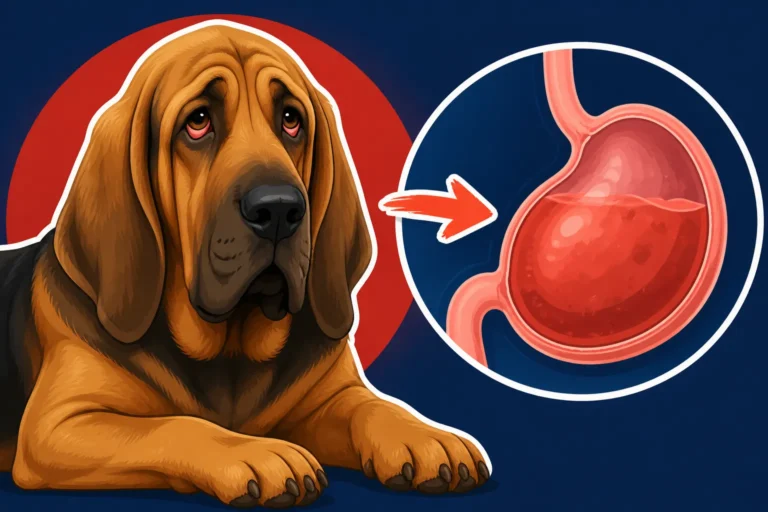
Chief among these is bloat, or Gastric Dilatation-Volvulus (GDV). This terrifying condition, where the stomach fills with gas and often twists, can kill a Bloodhound in a matter of hours. It strikes quickly, often without much warning, and is responsible for a substantial percentage of Bloodhound deaths. You can learn more about how Bloat Is What Kills Most Bloodhounds.
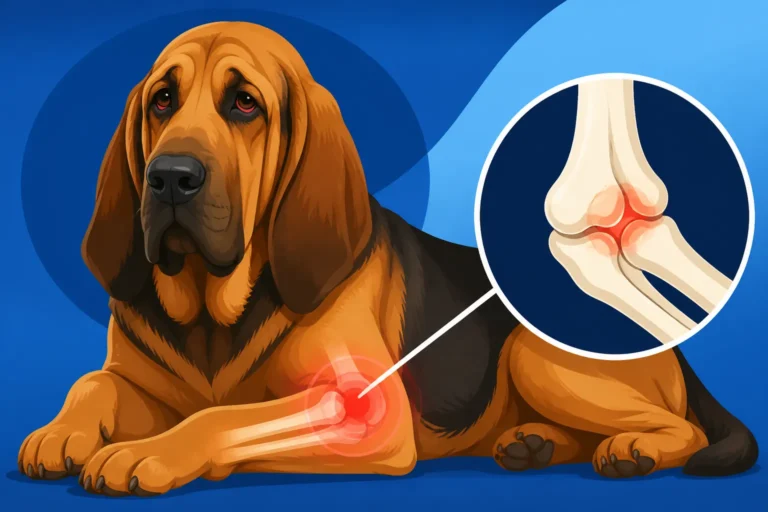
Beyond bloat, other serious concerns include various cancers, which sadly affect many dog breeds, but often seem to strike Bloodhounds earlier in life. Heart conditions, particularly dilated cardiomyopathy, can also be a silent killer. And then there are the chronic issues like Hip and Elbow Dysplasia in the Bloodhound, which, while not immediately fatal, can severely impact their quality of life and sometimes lead to owners making difficult decisions as their mobility declines.
Modern Veterinary Care and Breeding: Are We Moving the Needle?
With advances in veterinary medicine and a growing emphasis on responsible breeding, many owners hope that the Bloodhound lifespan is finally seeing some positive changes. The question isn't just if individual dogs are living longer, but if the breed's overall health trajectory is improving.
The Impact of Proactive Health Screenings
One of the most significant shifts in modern breeding practices is the widespread adoption of health screenings. Reputable breeders today go to great lengths to screen their breeding stock for inherited conditions that can shorten a Bloodhound's life or diminish its quality.
For conditions like hip and elbow dysplasia, organizations like the Orthopedic Foundation for Animals (OFA) provide certification programs that evaluate breeding dogs. This helps breeders make informed decisions, aiming to reduce the incidence of these painful joint problems in future generations. Similarly, cardiac screenings are becoming more common to identify potential heart issues. You can find out more about What the American Bloodhound Club Asks Breeders to Screen. While these screenings don't guarantee a puppy will be free of all issues, they significantly reduce the statistical likelihood of inheriting severe forms of these conditions.
The proactive approach also extends to conditions like hypothyroidism and certain eye problems, like those detailed in The Four Eye Problems a Bloodhound Is Born Toward. By being aware of these predispositions and screening for them, breeders are taking tangible steps toward a healthier future for the breed.
Advances in Preventative and Emergency Medicine
Veterinary medicine has come a long way, offering new tools and techniques that directly impact a Bloodhound's chances of living a full life. The most notable advancement for Bloodhounds, without a doubt, is the preventive gastropexy. This surgical procedure tacks the stomach to the abdominal wall, preventing it from twisting – the most fatal aspect of bloat.
Many owners are now choosing to have a gastropexy performed when their Bloodhound is spayed or neutered, or even as a standalone procedure for older intact dogs. This one surgery can dramatically reduce the risk of death from bloat, shifting the odds in the Bloodhound's favor. The Gastropexy Decision Every Bloodhound Owner Faces is a serious one, but it offers a powerful layer of protection. Veterinary facilities like BluePearl Pet Hospital and VCA Animal Hospitals routinely perform these procedures, making them accessible to concerned owners.
Beyond surgery, improved diagnostic tools, advanced imaging (MRI, CT scans), and specialized veterinary care mean that conditions like cancer and heart disease can be detected earlier and managed more effectively. Chemotherapy, radiation, and advanced cardiac medications can extend the lives of affected dogs and improve their comfort. These interventions, while costly, offer options that simply didn't exist or weren't widely available a few decades ago. Pet insurance providers like Healthy Paws can be a lifesaver in these scenarios, helping families afford the best possible care for their beloved Bloodhounds.
The Rise of Owner Education
Another factor contributing to potential lifespan improvements is the increased access to information and a more educated owner base. Owners are now much more aware of breed-specific health risks and the importance of early intervention. This includes understanding the signs of bloat, recognizing an ear infection before it becomes chronic, or noticing subtle changes in their dog's behavior that might indicate pain from hip dysplasia.
For instance, many Bloodhound owners are hyper-vigilant about symptoms related to bloat, knowing that every minute counts. They are also more likely to follow feeding guidelines to minimize risk, such as feeding multiple small meals a day and limiting exercise immediately after eating, practices highlighted in Feeding a Bloodhound So It Does Not Bloat. This proactive care at home complements veterinary efforts, creating a holistic approach to extending their dogs' lives.
What the Data Says (and Doesn't Say) About Improvements
It's tempting to want a clear "yes" or "no" answer to whether Bloodhound lifespan has improved. However, getting definitive, universally accepted data across the entire breed population is surprisingly complex.
Challenges in Data Collection
One of the main challenges is the lack of a centralized, comprehensive database that tracks the lifespan and causes of death for all Bloodhounds globally. While breed clubs like the American Bloodhound Club collect some health information, and individual veterinary clinics keep records, aggregating this data to show a clear trend across decades is difficult. Studies are often regional or limited in scope.
What we often rely on are anecdotal reports from breeders who have been in the game for generations, observing their lines and the broader breed. Many long-time Bloodhound enthusiasts do report seeing a slight uptick in average lifespan, mainly due to the reduced incidence of bloat-related deaths and better management of other conditions.
Interpreting Available Studies
While hard numbers showing a dramatic increase in median lifespan for the entire breed are elusive, individual studies and reports from veterinary teaching hospitals indicate improved outcomes for specific conditions. For example, the survival rate for bloat surgery has improved significantly with advanced techniques and post-operative care. If a dog with bloat reaches a veterinary hospital quickly, its chances of survival are much higher than they were 20 years ago.
The focus on reducing hip and elbow dysplasia through screening also means fewer dogs are living with debilitating pain, which can lead to longer, happier lives, even if the overall numerical lifespan only shifts by a small margin.
Here’s a simplified comparison of factors potentially influencing Bloodhound lifespan over time:
| Factor | Historical (Before 2000s) | Current (Post-2000s) | Impact on Lifespan |
|---|---|---|---|
| Bloat Management | High mortality, emergency surgery only | Preventive gastropexy, improved emergency care | Significantly reduced bloat-related deaths |
| Health Screenings | Limited, less standardized | Extensive for hips, elbows, heart, eyes | Reduced incidence of severe genetic diseases |
| Veterinary Care | More general practice focus | Advanced diagnostics, specialist referrals | Better treatment for chronic and acute conditions |
| Owner Education | Less accessible information | High awareness of breed risks, proactive care | Earlier intervention, improved daily management |
| Diet & Nutrition | Less research-driven | Focus on large breed formulas, bloat-preventative feeding strategies | Potentially better growth, weight management, and GI health |
| Pet Insurance | Rare | Widely available (e.g., Healthy Paws) | Financial access to advanced care |
While the raw median age might not have shifted dramatically for the entire population, the quality of life for many Bloodhounds is certainly improving, and the major acute risks are becoming more manageable.
Maximizing Your Bloodhound's Lifespan: Actionable Steps
Regardless of the broad breed trends, what truly matters to individual owners is giving their own Bloodhound the best possible chance at a long, healthy life. There are many proactive steps you can take, combining responsible ownership with modern veterinary insights.
Prioritizing Preventative Veterinary Care
Regular vet check-ups are non-negotiable. Your veterinarian is your partner in ensuring your Bloodhound stays healthy. These visits allow for early detection of potential issues, from subtle heart murmurs that might require further investigation to signs of arthritis that can be managed with supplements or medication.
Don't skip routine vaccinations and parasite control. Heartworm disease, fleas, and ticks can lead to serious health complications that weaken your dog's system and contribute to a shorter life. Many owners also consider routine bloodwork, especially as their Bloodhound ages and begins to show signs of Aging in a Bloodhound Starts at Six. This helps establish a baseline and can flag issues like kidney or liver problems before they become critical.
The Power of a Preventive Gastropexy
As mentioned, opting for a preventive gastropexy is arguably the single most impactful decision an owner can make to potentially extend their Bloodhound's life. It's a surgery that offers immense peace of mind, knowing you've mitigated the most common and deadliest threat to the breed. Discuss this with your vet, ideally when your Bloodhound is young and undergoing spay/neuter surgery, as combining procedures can sometimes be more cost-effective. For more financial context, consider that A Bloodhound's Money Is Spent in the Operating Room for emergencies, making preventive measures a smart investment.
Smart Nutrition and Weight Management
What you feed your Bloodhound, and how you feed them, plays a huge role in their overall health and longevity. Choose a high-quality large breed dog food appropriate for their life stage. Divide their daily food intake into at least two, preferably three, smaller meals to reduce the risk of bloat. Avoid strenuous exercise or large amounts of water immediately before or after meals.
Maintaining a lean body condition is also critical. Obesity puts extra strain on their joints (which are already prone to issues like dysplasia), heart, and other organs. A lean Bloodhound is a healthier Bloodhound, less prone to many age-related ailments and more comfortable as they get older.
Regular Exercise and Mental Stimulation
While Bloodhounds aren't endurance athletes, they do require regular, moderate exercise to maintain muscle tone, joint health, and a healthy weight. Daily walks, especially sniffing walks, are essential. Remember, their noses are their primary mode of interacting with the world. Engaging their incredible sense of smell through scent work or mantrailing activities can provide profound mental stimulation, which is just as important as physical exercise for a well-rounded, happy dog. You can explore how Mantrailing Is the Answer to a Bloodhound, Not Obedience for ideal engagement.
However, be mindful of their growth plates in puppyhood and avoid over-exercising young Bloodhounds, which can contribute to joint problems later. As they age, tailor exercise to their comfort level.
Daily Care and Hygiene
Don't underestimate the power of consistent daily care. Bloodhounds have specific needs due to their long ears, droopy eyes, and wrinkled skin. Regularly cleaning their long, pendulous ears is vital to prevent infections, as A Bloodhound's Ears Are a Standing Infection Risk. Their expressive, often loose, eyelids can make them prone to irritation, so gentle daily cleaning of the eyes is a good habit. And their magnificent folds, while beautiful, require routine wiping to prevent skin fold dermatitis, as highlighted in Skin Fold Dermatitis on a Bloodhound. These simple routines can prevent minor issues from escalating into serious health problems that require costly veterinary intervention and impact comfort.
Considering Pet Insurance
The reality of owning a Bloodhound is that vet bills can be substantial, especially for emergency care or chronic conditions. Pet insurance can be a game-changer. Companies like Healthy Paws offer policies that can help cover a significant portion of unexpected veterinary expenses, from emergency bloat surgery to ongoing treatments for cancer or joint issues. Having insurance can empower you to make decisions based on what's best for your dog's health, rather than solely on financial constraints, thus potentially extending their life and improving their comfort. Many owners consider Whether Pet Insurance Is Worth It on a Bloodhound and find it an invaluable safety net.
The Outlook: Cautious Optimism for Bloodhound Lifespan
So, has the Bloodhound lifespan improved? The answer isn't a simple "yes," but it's certainly not a resounding "no" either. We're seeing a trend towards improved quality of life and better management of critical health risks. While the median age across the entire breed might only show a modest increase, the individual dog's chances of reaching their genetic potential for longevity and living a more comfortable life are significantly better today than they were decades ago.
This isn't due to a single magic bullet but a combination of factors: dedicated breeders prioritizing health, advanced veterinary medicine offering more solutions, and increasingly educated and proactive owners who understand the unique needs of their Bloodhounds. By taking advantage of these advancements and committing to diligent care, we can all hope to enjoy more precious years with our beloved, scent-driven companions.
Disclaimer
This article is intended for informational purposes only and does not constitute veterinary advice. Always consult with a qualified veterinarian for any health concerns or before making any decisions about your Bloodhound's care.