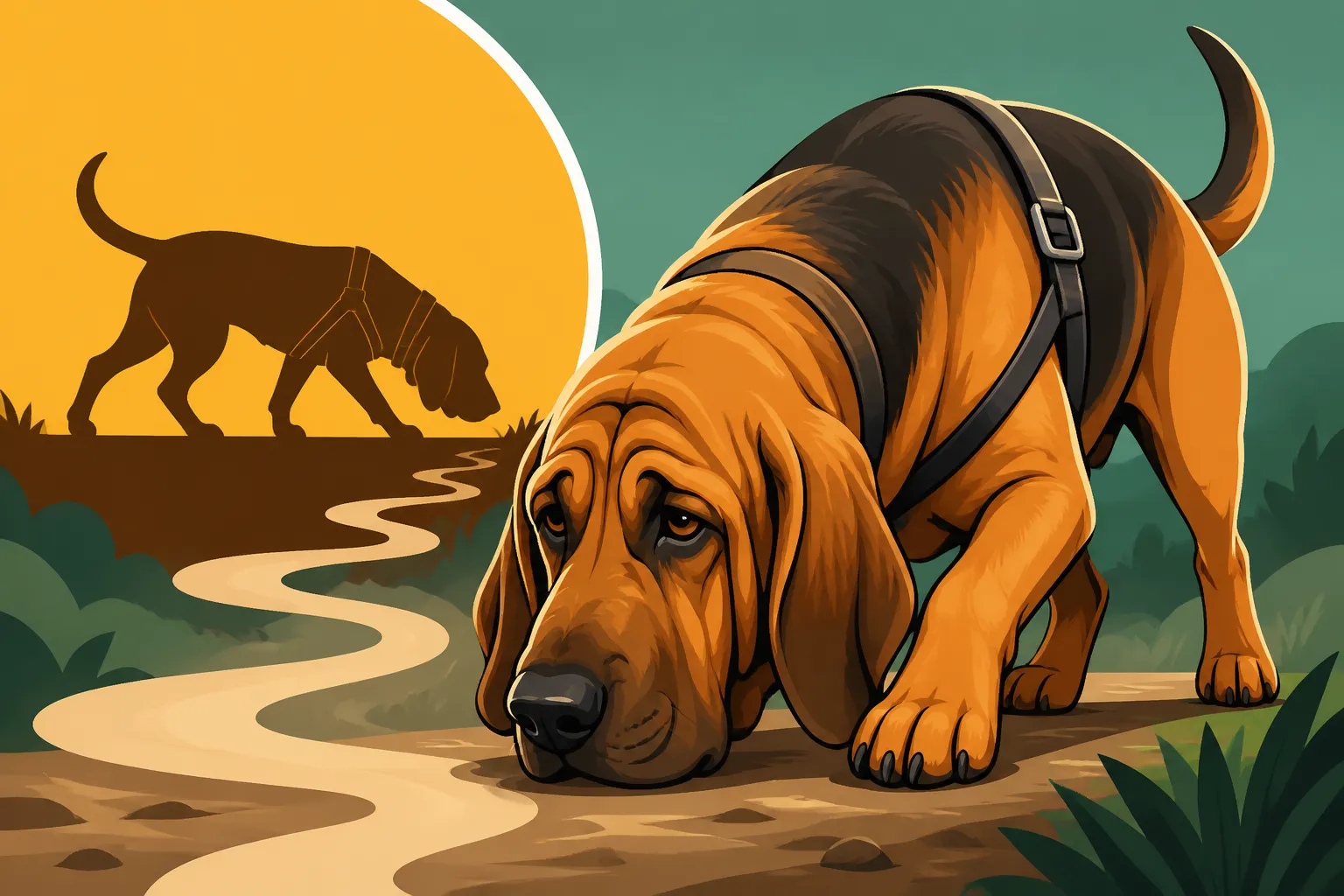
Nick Carter, the Bloodhound With Six Hundred Fifty Finds
Many Bloodhound owners and enthusiasts know their beloved breed possesses an incredible sense of smell, but few realize just how profound that ability has been throughout history, culminating in dogs whose work literally changed legal precedent. We often hear anecdotes, but the story of Nick Carter, a Bloodhound from the early 20th century, isn't just an anecdote; it's a testament to the breed's unparalleled scenting prowess, responsible for an astounding six hundred fifty finds, shaping the very perception and use of Bloodhounds in law enforcement. This guide delves into the extraordinary life and legacy of this four-legged legend.
Who Was Nick Carter, the Legendary Bloodhound?
Before there were DNA databases or forensic labs as we know them today, there were Bloodhounds. And among them, one name stood out: Nick Carter. Born in 1900, Nick Carter wasn't just a Bloodhound; he was the Bloodhound, achieving a level of fame and success that cemented the breed's reputation as the ultimate trailing dog. His career unfolded at a time when scientific methods in criminal investigation were still in their infancy, making his precise and consistent ability to locate individuals a groundbreaking tool.
Origin and Early Life of a Champion
Nick Carter emerged from a lineage bred for excellence, though the exact details of his earliest days are often shrouded in the mists of history, common for working dogs of that era. What we do know is that he was quickly recognized for his exceptional aptitude. His natural drive and focus on scent were apparently remarkable even as a young dog, setting him apart from his littermates and peers. This innate talent, combined with diligent handling, laid the foundation for his future legendary status. It wasn't just any Bloodhound that could achieve what Nick Carter did; it took a special combination of genetics, environment, and dedicated partnership.
Imagine a young Bloodhound, perhaps no more than a few months old, already exhibiting an unwavering commitment to a scent, ignoring distractions that would derail lesser dogs. This was likely the raw material that Nick Carter presented. While specific trainers and early handlers might not be universally known, it's clear that the foundation of his work ethic and trailing discipline was established early on. Just like athletes, a dog's potential can be nurtured or squandered, and Nick Carter was certainly in the hands of those who understood how to harness his extraordinary abilities.
The Man Behind the Legend: P.M.B. Scharff
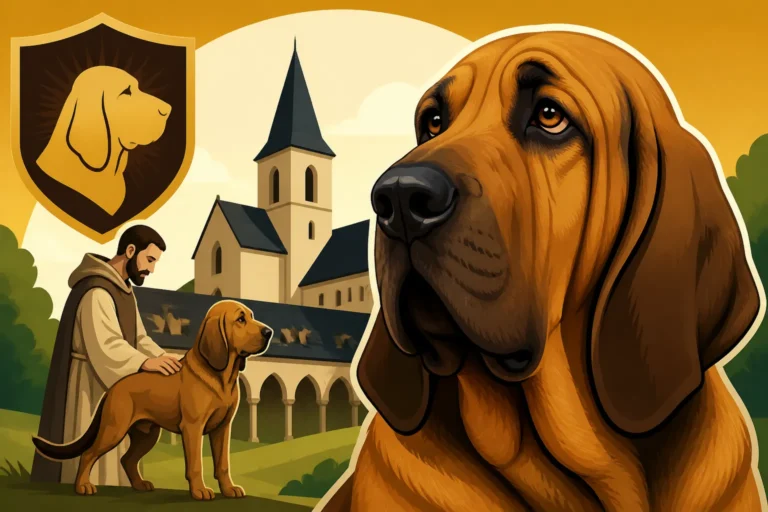
No great working dog achieves legendary status alone; there's always a dedicated human partner. For Nick Carter, that partner was Captain P.M.B. Scharff, a man whose vision and dedication were instrumental in bringing the Bloodhound's capabilities to the forefront of law enforcement. Scharff, a deputy warden at the Missouri State Penitentiary, was a pioneer in advocating for the use of Bloodhounds in tracking criminals and escapees. His belief in the breed, particularly in Nick Carter, was unwavering, even when facing skepticism from the public and legal professionals.
Scharff wasn't just a handler; he was a proponent and an educator, demonstrating time and again the accuracy and reliability of his Bloodhound's work. He understood the nuances of scent, the environment, and how to best support his dog in various trailing scenarios. It was this partnership, built on trust and mutual understanding, that allowed Nick Carter to perform at such an incredibly high level. Without Scharff's tireless efforts to document and present Nick Carter's findings, much of the dog's impact might have been lost to time. He really was the driving force that showcased Nick Carter's genius to the world.
The Unprecedented Record: Six Hundred Fifty Finds
Six hundred fifty finds. It’s a number that, even today, makes jaws drop in the world of K9 units and scent work. This wasn't merely about locating a lost item; it was about tracking down individuals, often in complex and challenging environments, providing crucial evidence or leading to an arrest. This astounding tally set a benchmark that few, if any, Bloodhounds have ever come close to matching. It speaks volumes about Nick Carter's persistence, accuracy, and sheer determination.
Defining a "Find" in Nick Carter's Era
In the early 1900s, what constituted a "find" for a Bloodhound was often very direct: locating an escaped convict, a missing person, or a suspect fleeing a crime scene. Unlike modern search and rescue, where a "find" might involve indicating human remains or a specific article, Nick Carter's work typically culminated in physically leading his handler to the person he was trailing. This meant overcoming diverse terrains, confounding scents, and varying environmental conditions, all while staying focused on a single individual's trail.
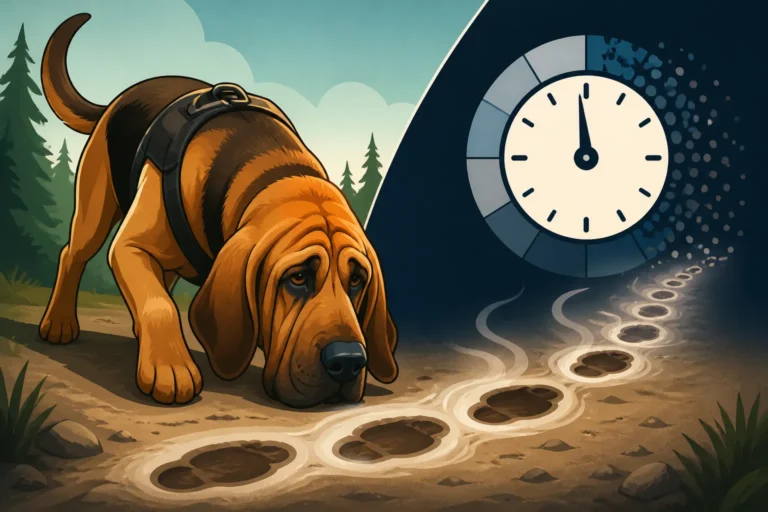
Each "find" was a successful conclusion to a challenging search, often involving intense pressure and the need for quick results. Whether it was a prisoner who had gained a head start across miles of rugged terrain or a suspect who had attempted to obscure their path, Nick Carter's nose consistently cut through the noise. It wasn't just about detecting scent; it was about following a specific scent over distance and time, a truly remarkable feat for any animal. This clarity in what constituted a find made his record all the more verifiable and impactful.
The Scale of His Success
To understand the magnitude of six hundred fifty finds, consider the logistical challenges of deploying a Bloodhound over a century ago. There were no immediate radio dispatches to multiple units, no GPS tracking, and often, less organized crime scene preservation. Yet, Nick Carter was routinely called upon for major cases, traveling across the country to assist law enforcement. His success wasn't confined to a single locality; his reputation grew because he delivered results wherever he was needed. Who Owned the Bloodhound Nick Carter delves into more of these historical details.
His trails sometimes spanned incredible distances and lasted for hours, or even days. Imagine him working through dense forests, across bustling town squares, or over difficult landscapes, all while remaining steadfast on the unique scent of his quarry. Each successful track built upon the last, solidifying not only his own legendary status but also the credibility of Bloodhounds as indispensable tools for justice. His work was a groundbreaking demonstration of what a dedicated scent hound could accomplish.
Verifying the Record: Documentation and Public Trust
In an era before widespread photographic evidence or digital records, how was Nick Carter's record verified? It was largely through meticulous documentation by Captain Scharff and the numerous law enforcement agencies and officials who witnessed his work firsthand. Reports, newspaper articles, and court testimonies frequently highlighted his successes. Scharff understood the importance of accountability, and he ensured that Nick Carter's contributions were thoroughly recorded, adding immense weight to his claims.
The public's trust in Nick Carter grew with each successful apprehension. People weren't just reading about a dog; they were seeing tangible results: escaped convicts back in custody, missing persons reunited with their families, and criminals brought to justice. This transparency and consistent success created a powerful narrative that solidified his place in history and greatly influenced public perception of working dogs. Even without today's forensic standards, the sheer volume and public nature of his successes provided ample verification.
Nick Carter's Enduring Legacy in Law Enforcement
Nick Carter didn't just track people; he tracked people in a way that began to shift legal paradigms. His consistent and reliable performance on trails, often leading directly to the apprehension of suspects, prompted courts to consider the validity of Bloodhound evidence. This was a radical idea for the time, where animal testimony might have been dismissed as unreliable or anecdotal.
Bloodhound Evidence in the Courtroom
Before Nick Carter, the idea of a dog's "testimony" being accepted in a court of law was largely unheard of or met with significant skepticism. However, the sheer volume and irrefutable nature of Nick Carter's successful trails forced a reevaluation. Time and again, his work led to arrests and convictions, providing a direct link between a crime scene and a suspect. Lawyers and judges couldn't ignore the consistent results. The Bloodhound Is the Only Dog Whose Evidence Stands in Court further explores how monumental this was.
His accuracy helped establish precedents that allowed Bloodhound evidence to be admissible in certain jurisdictions, provided strict conditions were met regarding the dog's training, the handler's qualifications, and the integrity of the scent. This wasn't about the dog testifying, of course, but about the handler testifying to the dog's actions and the trail it followed. Nick Carter's consistent success laid the groundwork for future generations of working Bloodhounds whose evidence would contribute to countless legal proceedings. His legacy is etched not just in tracking records but in legal statutes themselves.
Impact on Police and Prison Systems
Nick Carter's work had a profound and practical impact on police departments and prison systems across the United States. His ability to track escapees quickly and efficiently meant that prisons had a powerful tool to deter and apprehend those who attempted to flee. The psychological effect alone of knowing a Bloodhound like Nick Carter was on their trail must have been a significant deterrent for many. This dramatically improved security and reduced escape rates in facilities that utilized his services.
Furthermore, his success spurred other police departments to invest in their own Bloodhound programs. They saw firsthand the effectiveness of these dogs, especially in an era when other methods of tracking suspects were limited. This led to increased demand for well-bred and well-trained Bloodhounds, propagating the use of the breed in official capacities nationwide. He wasn't just a dog; he was a proof of concept for a whole new approach to law enforcement, demonstrating how effective canines could be as part of an official force. How Many Convictions Nick Carter's Nose Produced in 1903 showcases some of this specific impact.
Training a Prodigy: How Nick Carter Honed His Skills
While Nick Carter was undoubtedly born with an extraordinary nose, even the most talented natural abilities require cultivation. His remarkable success was a direct result of meticulous training, consistent practice, and the development of an unbreakable bond with his handler. The methods used in the early 20th century might seem basic by today's standards, but they were incredibly effective for a dog of his caliber.
Early Scent Introduction and Reinforcement
For a Bloodhound like Nick Carter, scent introduction likely began very early, possibly as a puppy. The key would have been to make trailing a positive and rewarding experience from the start. Imagine a young Nick Carter, following a short, easy trail laid by his handler, culminating in a joyful reunion and a favorite toy or a special treat. This positive reinforcement would have ingrained in him the idea that following a scent leads to good things. It's a fundamental principle of dog training that still holds true: make the desired behavior incredibly worthwhile.
Early training would have focused on building his stamina, concentration, and discrimination skills. Gradually, the trails would become longer, older, and more complex, introducing distractions and varying terrain. This methodical approach allowed Nick Carter to build his confidence and perfect his craft without being overwhelmed. It wasn't about forcing him to trail but fostering his innate drive and shaping it into a reliable working behavior.
The Role of Consistent Handling and Trust
The bond between a working Bloodhound and its handler is paramount, and this was certainly true for Nick Carter and Captain Scharff. Trust is the foundation upon which effective trailing is built. Nick Carter needed to trust that Scharff would understand his signals, support him through challenging sections of a trail, and never put him in a situation he couldn't handle. Conversely, Scharff had to trust Nick Carter's nose implicitly, even when human logic might suggest otherwise.
Consistent handling meant clear communication, predictable routines, and unwavering support. Scharff likely learned to read Nick Carter's subtle body language, understanding when his dog was "on scent," when he was puzzling out a difficult section, or when he might be losing the trail. This deep understanding allowed them to work as a seamless unit, a single entity focused on the mission. Whether a Bloodhound Handler Must Be Qualified to Testify highlights the importance of this human-dog partnership.
Adapting to Diverse Trailing Environments
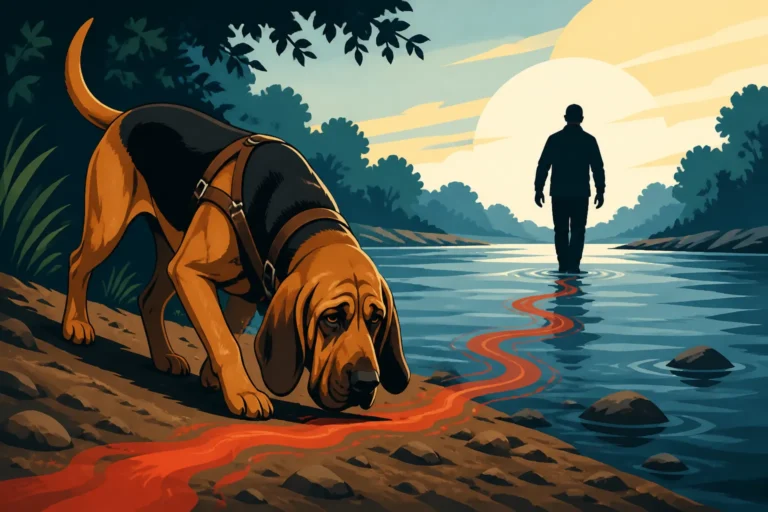
Nick Carter didn't just work in one type of environment; his services were sought after for trails through city streets, dense woodlands, open fields, and even across water. Training had to prepare him for this incredible diversity. This meant exposing him to a wide range of surfaces, weather conditions, and ambient scents from a young age. Each new environment presented unique challenges to scent detection and retention.
For instance, trailing on concrete or asphalt differs significantly from trailing through soft earth or tall grass. Rain can wash away scent, while wind can scatter it. Nick Carter's training would have included strategies for handling these variables, perhaps by teaching him to widen his search pattern in windy conditions or to work more slowly and meticulously on hard surfaces. His ability to adapt to any environment was a testament to both his innate talent and the comprehensive training he received.
Life and Times: The World Nick Carter Lived In
Nick Carter's career spanned the first two decades of the 20th century, a period of immense change in American society and criminal justice. Understanding this context helps us fully appreciate the impact of his work and the world that embraced his extraordinary talents.
The Turn of the Century Justice System
At the turn of the 20th century, criminal justice was a far cry from what it is today. Fingerprinting was still relatively new, DNA evidence was decades away, and forensic science was in its infancy. Investigations often relied heavily on eyewitness accounts, informant tips, and circumstantial evidence. This created a significant gap in investigative tools, especially when suspects fled or went into hiding. It was into this gap that the Bloodhound, and particularly Nick Carter, stepped.
Local law enforcement agencies often lacked the resources and sophisticated techniques we take for granted now. The ability to reliably track a human scent, sometimes many hours old, was revolutionary. Nick Carter provided a tangible, biological tool that could literally follow a path where human investigators might only find dead ends. His work highlighted the desperate need for more effective investigative methods and offered a surprisingly sophisticated solution.
Public Perception of Working Dogs
While some cultures had long histories of working dogs, the widespread public acceptance and admiration for dogs in official capacities were still evolving in America. Dogs were often seen as pets, farm animals, or guard dogs, but less commonly as integral partners in crime solving. Nick Carter's consistent success played a huge role in changing this perception. He became a symbol of canine capability, inspiring awe and respect for what dogs could contribute to society.
His exploits were frequently reported in newspapers, capturing the public imagination. People were fascinated by a dog that could outsmart criminals and solve mysteries. This media attention helped normalize the idea of police dogs and laid the groundwork for the modern K9 units we see today. When Bloodhounds Began Trailing People Instead of Game offers further historical context about the breed's evolving role.
The Changing Landscape of Communication and Travel
Consider how Nick Carter was deployed: often across state lines, to remote locations. This was before the interstate highway system, before commercial air travel was common, and before instant digital communication. Traveling with a large Bloodhound like Nick Carter involved trains, wagons, and sometimes long, arduous journeys. Yet, the urgency of his missions, particularly tracking dangerous escapees or searching for missing persons, meant these logistical hurdles were overcome.
His handler, Captain Scharff, would have had to make arrangements for their travel, housing, and the logistics of deploying the dog in unfamiliar territories. This speaks to the high regard in which Nick Carter was held; agencies were willing to go to great lengths to bring his unique talents to bear on their most challenging cases. His story is not just about a dog, but also about the dedication of those who believed in his mission and worked within the constraints of their time to get the job done.
Beyond the Numbers: The Human Element of Nick Carter's Story
While the statistics of Nick Carter's finds are impressive, the true heart of his story lies in the profound bond he shared with his handler, Captain P.M.B. Scharff, and the impact he had on the communities he served. It's the human connection to his work that truly solidifies his legend.
The Unbreakable Bond with Captain Scharff
Captain P.M.B. Scharff was more than just Nick Carter's handler; he was his life partner, his advocate, and his voice. Their relationship was built on mutual respect and an understanding that transcended words. Scharff dedicated his life to showcasing the potential of the Bloodhound breed, and Nick Carter was his ultimate demonstration. He cared for Nick Carter's health, ensuring he had the proper nutrition and care needed for such demanding work. If Chewy existed back then, Scharff would have been the kind of owner meticulously researching the best kibble and supplements for his invaluable partner.
This partnership involved long hours, sometimes in dangerous conditions, and always with immense pressure to succeed. Scharff had to interpret Nick Carter's every move, trust his nose implicitly, and defend his dog's accuracy to skeptics. The emotional toll of such work, combined with the deep love for his canine companion, made their story truly exceptional. Their bond was a living example of the powerful connection that can form between a human and a working dog.
Public Admiration and Celebrity Status
Nick Carter achieved a level of public admiration that was rare for an animal in his time. He was a celebrity, often featured in newspaper articles and even in early newsreels. People were captivated by his ability to solve crimes that stumped human investigators. His image became synonymous with dogged determination and unerring accuracy. This public fascination wasn't just fleeting; it lingered, cementing his place in popular culture.
Children looked up to him as a hero, and adults marveled at his natural talent. This celebrity status wasn't sought for its own sake but was a natural byproduct of his consistent success and the compelling stories that emerged from his trails. He inspired confidence in the public that even the most elusive criminals could be brought to justice, all thanks to a dog with an incredible nose.
The Challenges and Skepticism They Faced
Despite his successes, Nick Carter and Captain Scharff were not immune to skepticism and criticism. In an era when dog evidence was a novel concept, many in the legal and public spheres questioned the reliability of an animal's senses. There were undoubtedly cases where human error or environmental factors led to inconclusive results, and these instances could fuel doubts. It was a constant battle for Scharff to prove the scientific validity of their work.
They faced challenges of adverse weather, contaminated scent articles, and simply the vastness of the areas they had to search. Each trail was a test, and while Nick Carter's success rate was remarkably high, the pressure to perform must have been immense. It's a testament to their perseverance that they continued to demonstrate the Bloodhound's capabilities despite these hurdles, paving the way for future K9 units.
Nick Carter's Influence on the Bloodhound Breed
Nick Carter wasn't just a famous individual dog; his profound impact resonated throughout the Bloodhound breed itself. His success shone a spotlight on their unique abilities, influencing breeding practices, public interest, and the very perception of what a Bloodhound could be.
Elevating the Breed's Reputation
Before Nick Carter, the Bloodhound was known, certainly, but his unparalleled string of successes catapulted the breed into a new realm of recognition. He became the poster child for canine scenting abilities, showcasing to the world that these dogs were not just pets, but highly specialized, incredibly capable working animals. This elevated their reputation from mere hunting hounds to indispensable partners in law enforcement.
This newfound prestige translated into greater respect for Bloodhound breeders who were striving to maintain the breed's working qualities. It also meant that more people understood the serious nature of owning a Bloodhound – that they weren't just big, droopy-eared dogs, but powerful scent machines with an undeniable drive. His fame helped solidify the Bloodhound as the "mantrailing supreme" in the public eye.
Encouraging Responsible Breeding for Working Traits
The widespread acclaim for Nick Carter's tracking prowess undoubtedly put a greater emphasis on breeding for working traits within the Bloodhound community. Breeders likely sought out lineages that demonstrated strong scenting drive, stamina, and focus, similar to the qualities that made Nick Carter so successful. The goal wasn't just to produce a dog that looked like a Bloodhound, but one that could perform like one. This meant prioritizing health, temperament, and olfactory ability.
While not all Bloodhounds would become legendary trackers, Nick Carter's example encouraged a focus on the core attributes that define the breed's purpose. It underscored the importance of selecting for sound structure that could withstand long hours on the trail and a stable temperament that could handle the pressures of real-world scenarios. This focus on working ability continues to be a hallmark of responsible Bloodhound breeding today.
Inspiring New Generations of Handlers
Nick Carter's story wasn't just about finding people; it was about inspiring people. His achievements motivated a new generation of individuals to explore the potential of Bloodhounds and other working dogs. People saw the deep satisfaction and societal contribution that came from partnering with such a capable animal. This led to more individuals dedicating their careers to K9 handling and training.
His legacy still resonates with those who work with Bloodhounds in search and rescue, law enforcement, and competitive scent work. They look to his example as a benchmark for excellence, striving to uphold the high standards he set. Whether it's through official channels or enthusiastic amateurs, Nick Carter's ghost continues to inspire the diligent work of Bloodhound handlers worldwide. Many still ask themselves, Whether an Average Owner Can Train a Bloodhound to Trail – Nick Carter's success suggests that with the right dog and dedication, the sky's the limit.
The Fading Echo: Remembering Nick Carter Today
Even a legend eventually fades into the annals of history, but the impact of Nick Carter's life and work continues to resonate within the Bloodhound community and beyond. While he may not be a household name to everyone today, his contributions are foundational to how we understand and utilize working dogs.
Memorials and Honors
Nick Carter's importance was recognized even during his lifetime and shortly after. There are mentions of memorials or plaques dedicated to his service, particularly in Missouri where much of his work with Captain Scharff was based. While a grand, national monument might not exist, his memory is preserved in the hearts of Bloodhound enthusiasts and in the historical records of the K9 world. It's a reminder that truly exceptional animals, like exceptional humans, deserve to be remembered for their contributions.
These smaller, more personal honors serve as touchstones, reminding us of the pivotal role this one dog played. They ensure that new generations of Bloodhound owners and handlers can connect with the rich history of their breed, understanding the deep roots of its working heritage. These memorials are not just for Nick Carter, but for all the Bloodhounds who followed in his paw prints.
Preserving His Story in Breed History
The American Bloodhound Club, along with various historical societies and K9 organizations, plays a crucial role in preserving the story of Nick Carter. His name appears in breed histories, educational materials, and discussions about the origins of K9 trailing. Through these efforts, his achievements are kept alive, ensuring that his significance is not forgotten as time marches on. These organizations understand that understanding the past is key to appreciating the present and planning for the future of the breed.
These stories aren't just dry facts; they are inspiring narratives that showcase the incredible potential and loyalty of Bloodhounds. They serve as a constant reminder of the breed's unparalleled scenting ability and the enduring partnership between humans and dogs. You might even find historical articles or discussions about him on pet enthusiast sites, similar to resources found on Chewy.
The Enduring Influence on Modern Trailing
While techniques and technology have advanced considerably, the core principles of trailing, perfected by dogs like Nick Carter, remain. Modern K9 units, search and rescue teams, and even competitive scent work participants draw upon the legacy established by him. His story demonstrates the patience, focus, and unwavering commitment required for successful scent detection.
Every time a Bloodhound is deployed on a trail, whether for a missing person or a fleeing suspect, Nick Carter's spirit of dedication and unerring accuracy is implicitly honored. He proved, beyond a shadow of a doubt, that a dog's nose can be a powerful instrument of justice and hope. His echo continues to inspire the invaluable work that Bloodhounds perform every single day around the globe. His is a legacy that truly transformed not just a breed, but a whole field of work.
| Aspect | Nick Carter's Impact (Early 20th Century) | Modern Bloodhound Trailing (Today) |
|---|---|---|
| Legal Standing | Pioneered acceptance of Bloodhound evidence in court. | Established precedent; handler testimony about dog's trail is admissible. |
| Public Perception | Elevated Bloodhound from hunting dog to crime-solver hero. | Respected for unique scenting ability, recognized in SAR and law enforcement. |
| Breeding Focus | Increased emphasis on working traits (scent drive, stamina). | Continued focus on health and working ability; genetic screening encouraged. |
| Training Methods | Relied on positive reinforcement, consistent handling, diverse exposure. | More scientific understanding of scent, varied specialized training techniques. |
| Deployment & Logistics | Travel by train/wagon; relied on paper records and personal reputation. | Rapid deployment via vehicles; GPS, digital mapping, integrated K9 units. |
| Number of Finds | Astounding 650 finds, setting an unmatched historical benchmark. | Focus on quality and impact of individual finds; detailed record-keeping. |
Disclaimer
This article is for general informational purposes only and does not constitute professional advice. Laws, prices and regulations vary by location and change over time. Consult a qualified professional for guidance on your specific situation.