Whether an Old Bloodhound Still Needs Its Folds Wiped Daily
One of the most common questions I hear from fellow Bloodhound parents as their beloved hounds start to gray around the muzzle is, "Do I still have to do all this daily maintenance?" It's completely understandable to wonder if some of those demanding puppy routines might finally ease up, especially when it comes to those famously deep skin folds. The truth is, while your senior Bloodhound might slow down in other ways, the need for diligent, daily fold wiping remains a cornerstone of their health and comfort. This guide will walk you through why those folds are a lifelong commitment and how to adapt your care as your hound ages.
The Unchanging Reality of Bloodhound Folds, Young and Old
It's easy to look at a Bloodhound puppy's adorable wrinkles and not fully grasp the lifelong commitment they represent. But whether your Bloodhound is a rambunctious youngster or a dignified senior, those deep skin folds are a constant feature of their anatomy, and unfortunately, a constant source of potential issues if not properly maintained. The breed standard calls for that loose skin, often referred to as "furnishings" or "dewlap," and it's essential for their scenting abilities, helping to trap scent particles near their incredible noses. But this very feature, so vital to their work, also creates a unique challenge for their owners.
Why Folds Are Always a Challenge
Think about it: those deep folds, especially around the face, neck, and sometimes even the legs and armpits, create tiny, warm, dark, and often moist microclimates. These are exactly the conditions that bacteria, yeast, and fungi absolutely adore. They thrive in places where air circulation is poor and moisture gets trapped. For a Bloodhound, these conditions aren't just an occasional occurrence; they're a built-in part of their physiology. Every drink of water, every slobbery chew toy, every bit of dust or pollen, every rain shower, and even just normal body moisture can get trapped in these areas.
Without daily attention, these pockets of skin can quickly become irritated, leading to inflammation, itching, and eventually, full-blown infections. It doesn't matter if your Bloodhound is two or ten years old; the fundamental physics of these folds remain the same. The process of What Fold Dermatitis Does to a Bloodhound is relentless if ignored. It's not a condition that simply disappears with age, and in some ways, it can even become more challenging as your hound enters its senior years.
The Anatomy That Demands Attention
Let's get down to the nitty-gritty of where these folds are and why they're such a magnet for trouble. Bloodhounds possess an abundance of loose skin, particularly concentrated around their heads and necks. You'll notice prominent folds or "wrinkles" on their forehead, often extending down to form deep furrows around their eyes and muzzle. These facial folds are frequently exposed to food, water, and outdoor elements. Then there's the extensive dewlap, the loose skin hanging beneath their throat and neck, which can extend all the way down to their chest. This area is constantly moving and often comes into contact with whatever your Bloodhound sniffs or dips its head into.
Beyond the head and neck, some Bloodhounds also have significant skin folds in other areas, such as the corners of their mouths (lip folds), under their chin, in their armpits, and even between their toes, though these are usually less pronounced. Each of these areas can become a breeding ground for problems. The wrinkles, by design, prevent proper airflow and can easily hold onto moisture, leading to skin irritation and potential infections if not cleaned regularly. This inherent anatomical design means that no matter the age of your Bloodhound, vigilance in checking its folds (Where a Bloodhound's Skin Folds Sit) is key to preventing discomfort and serious skin issues.
The Specific Risks for Senior Bloodhounds and Their Folds
While the basic need for fold care doesn't change, the challenges associated with it can certainly evolve as your Bloodhound gets older. What might have been a minor inconvenience when they were young can become a more significant health concern in their golden years. Aging in a Bloodhound Starts at Six, and with that comes a cascade of changes that can impact their ability to maintain themselves and their resilience against skin problems.
Mobility and Self-Grooming Limitations
As Bloodhounds age, their mobility often decreases. Arthritis, hip and elbow dysplasia, and general stiffness can make it difficult for them to reach certain areas of their body for self-grooming. They might struggle to scratch an itchy fold near their eye or adequately clean their jowls after eating. You might notice they lie down more, which means those ventral folds (under the chin and neck) have less air circulation and more direct contact with bedding, increasing the risk of moisture and warmth accumulation.
Furthermore, a senior Bloodhound might simply not have the energy or flexibility they once did. A quick shake of the head to dislodge water after a drink might not be as vigorous, leaving more moisture trapped in those crucial facial folds. This means you, the dedicated Bloodhound parent, become even more critical in compensating for their natural decline in self-care. Their willingness to cooperate with cleaning might also change; some become more tolerant, while others might become less patient with handling due to aches and pains. It's essential to approach these cleaning sessions with extra gentleness and understanding.
Weakened Immune Systems and Skin Health
Just like humans, senior dogs often experience a decline in their immune system function. This means they are generally more susceptible to infections and might take longer to recover. A minor irritation in a skin fold that a young, robust Bloodhound could easily fight off might quickly escalate into a severe infection for an older dog. Their skin itself can become thinner, less elastic, and more fragile, making it more prone to nicks, scratches, and secondary infections from constant moisture.
Conditions like hypothyroidism, which can become more prevalent in older dogs, can also impact skin health. A dog with an underactive thyroid might have duller, oilier skin, making them even more prone to skin fold dermatitis. Medications for other age-related conditions, such as steroids for arthritis, can also thin the skin and suppress the immune system, further exacerbating the risk of fold infections. This is why a consistent, daily cleaning routine isn't just about comfort; it's a vital preventative measure against serious health complications in your aging hound.
Sensory Changes and Skin Issues
Older Bloodhounds can also experience changes in their senses, including their vision and sensation. Diminished eyesight might make them bump into things more frequently, leading to small abrasions or trauma to their skin folds. A decreased sense of smell (though a Bloodhound's nose is legendary, even it can dull slightly with extreme age) could mean they are less aware of a developing odor from an infected fold, or less likely to react to minor irritations that would prompt a younger dog to scratch.
Furthermore, some older dogs develop more sensitive skin or allergies that manifest as skin irritation. If your senior Bloodhound suddenly seems more itchy or develops persistent redness in their folds despite your regular cleaning efforts, it's worth a trip to the vet. This could be a sign of an underlying allergy that needs to be addressed, as well as a more advanced skin fold infection that requires specific treatment. The goal is always to keep those folds clean and dry, minimizing any opportunity for these age-related vulnerabilities to turn into painful problems.
Maintaining a Consistent Care Routine for an Aging Bloodhound
The good news is that with a little dedication and some adjustments, maintaining your senior Bloodhound's folds can be a manageable part of your daily routine. It's about consistency, gentle handling, and knowing when to ask for professional help. Remember, your goal is to prevent moisture and debris from building up, thereby preventing irritation and infection.
Adapting Your Cleaning Approach
As your Bloodhound ages, you might need to modify how you clean their folds. What worked for a squirmy puppy might not be suitable for a stiff, older dog.
- Gentleness is paramount: Older skin is more fragile, and older joints are often sore. Use soft cloths or cotton balls, and be incredibly gentle. Avoid scrubbing or rubbing vigorously, which can cause micro-abrasions.
- Optimal timing: Try to pick a time when your Bloodhound is relaxed, perhaps after a short, easy walk or a nap. Avoid rushing the process. If they are prone to falling asleep, that might be your perfect window.
- Comfortable positioning: If they have trouble standing for long, clean them while they are lying down comfortably on their side. A soft bed or mat can make the experience more pleasant for them.
- Positive reinforcement: Continue to use praise, gentle petting, and special treats after each cleaning session. This helps maintain a positive association with the routine, even if they're not as enthusiastic as they once were. Think about small, soft, easy-to-chew treats that are gentle on older teeth. Ollie offers soft, palatable options that might be perfect for this.
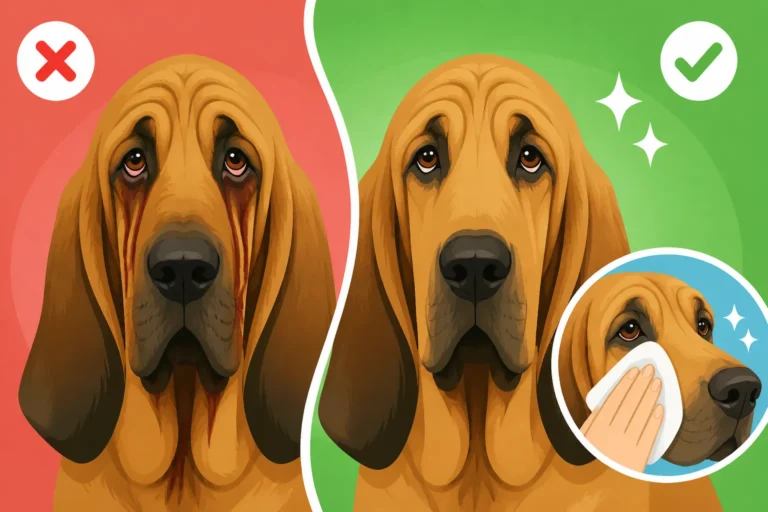
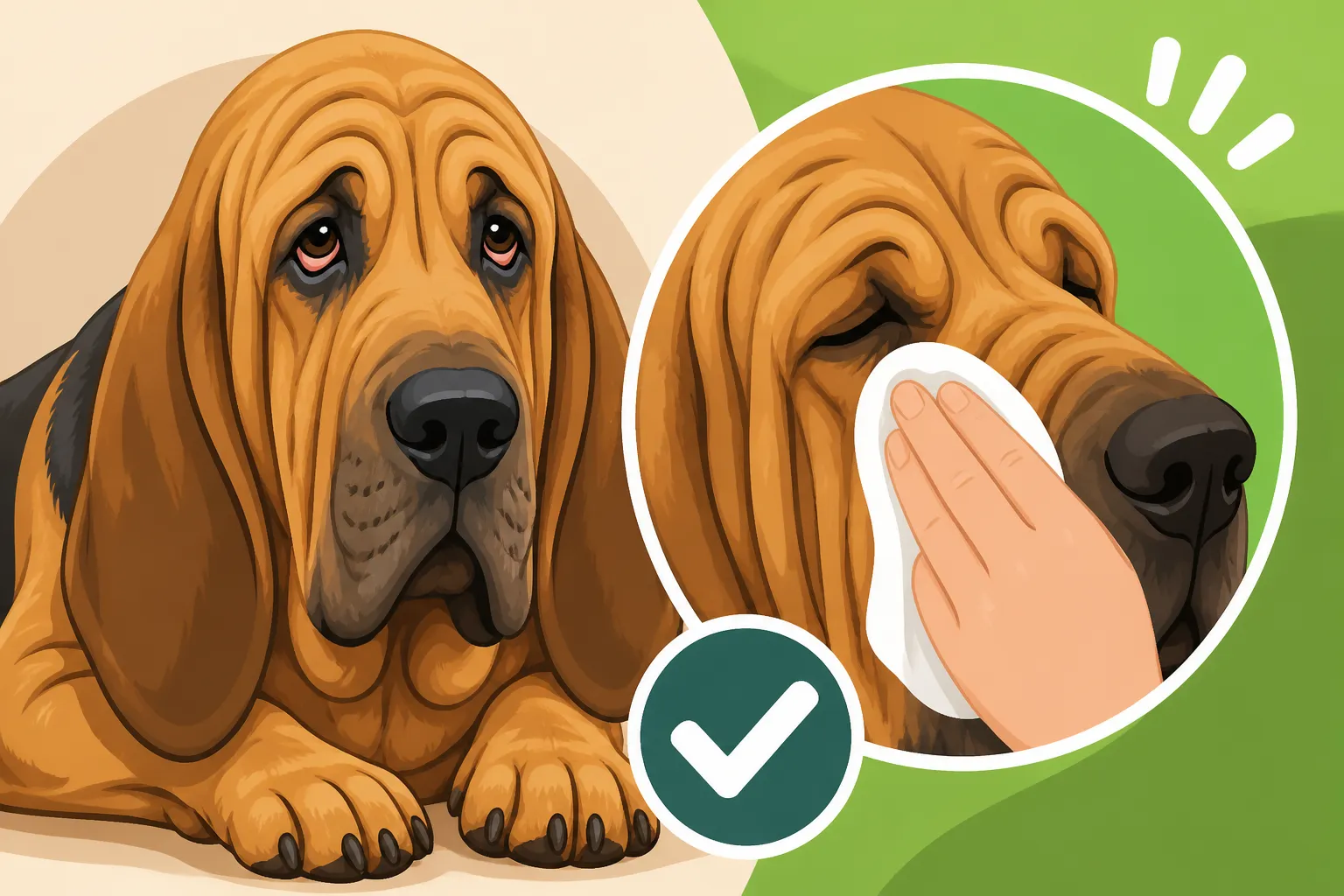
Daily wiping of the folds, particularly around the face, jowls, and neck, is non-negotiable. Use a soft, damp cloth or a pet-specific wipe to remove food debris, drool, and moisture. After cleaning, it's crucial to gently dry the folds thoroughly with a clean, dry cloth. Leaving them damp is inviting trouble. For areas that tend to stay persistently moist, a very light dusting of cornstarch-based powder (unscented and without talc!) can help absorb moisture, but consult your vet first, as some powders can clump and exacerbate problems.
Essential Supplies for Daily Fold Care
Having the right tools on hand makes the job much easier and more effective.
- Soft cloths or cotton rounds: Dedicate a set of soft, washable cloths specifically for fold cleaning. Cotton rounds or large cotton balls are also excellent for applying cleansers.
- Pet-specific wipes: These are fantastic for quick clean-ups and travel. Look for wipes that are fragrance-free, alcohol-free, and designed for sensitive skin. Brands available on Chewy or Amazon often have a good selection.
- Gentle cleansing solution: Your vet might recommend a specific antiseptic wipe or solution, such as diluted chlorhexidine or medicated pads. For general cleaning, plain warm water is often sufficient, followed by thorough drying.
- Drying cloths: Always have separate, clean, dry cloths ready to ensure the folds are completely dry after cleaning.
- A good light source: Sometimes those folds can be deep! A headlamp or a bright task light can help you see into the crevices and ensure you're cleaning them properly.
Here's a quick comparison of common fold cleaning solutions:
| Solution Type | Pros | Cons | Best For |
|---|---|---|---|
| Plain Warm Water | Gentle, readily available, no irritation from chemicals. | No antiseptic properties, requires thorough drying. | Daily general cleaning, very sensitive skin. |
| Pet-Specific Wipes | Convenient, often pre-moistened with gentle cleansers, portable. | Can be expensive, some still contain fragrances or irritants. | Quick clean-ups, travel, maintenance. |
| Diluted Chlorhexidine | Antiseptic properties, helps kill bacteria and yeast. | Must be diluted correctly, can be drying if overused, requires rinsing. | Minor irritations, vet-recommended cleaning. |
| Witch Hazel (alcohol-free) | Mild astringent, can help reduce inflammation and oiliness. | Can be drying, not a strong antiseptic, may sting broken skin. | Maintenance for slightly oily folds. |
Always, always consult with your veterinarian before introducing any new cleansing solutions, especially if your Bloodhound has sensitive skin or existing skin conditions.
When to Seek Veterinary Advice
Even with the most diligent daily care, problems can sometimes arise, especially in older dogs. It's crucial to know the signs that warrant a trip to the vet. Don't try to self-diagnose or treat what might be a serious infection.
- Persistent redness or inflammation: If an area stays red and irritated for more than a day or two despite cleaning.
- Foul odor: A strong, yeasty, or otherwise unpleasant smell coming from the folds is a classic sign of bacterial or yeast infection. Whether a Bloodhound's Fold Smell Means Infection is a definite 'yes.'
- Discharge: Pus, yellowish, or greenish discharge is a clear indicator of infection.
- Pain or sensitivity: If your Bloodhound flinches, whines, or pulls away when you touch a particular fold, it's likely painful.
- Hair loss or skin changes: Bald patches, thickened skin, or scabs within the folds are all red flags.
- Changes in behavior: Increased scratching, rubbing their face on furniture, or general lethargy could indicate discomfort.
Your veterinarian can properly diagnose the issue, whether it's a bacterial infection, yeast overgrowth, an allergic reaction, or something else entirely. They can prescribe appropriate medications, such as topical ointments, oral antibiotics, or antifungals. They might also suggest specific medicated shampoos or wipes for more severe cases. Remember, an untreated fold infection can become very painful for your senior Bloodhound and potentially lead to more systemic health issues. Proactive care and quick veterinary intervention are your best allies in keeping your beloved old hound comfortable and healthy. The question of Whether a Bloodhound Owner Should Buy Ear Cleaner by the Gallon speaks to the extensive product needs of this breed, and fold wipes are no different – it’s a constant supply!
In conclusion, while we all wish our beloved Bloodhounds could somehow outgrow their unique challenges, the truth is that those iconic folds require a lifetime of attention. For our senior hounds, this commitment becomes even more critical due to age-related vulnerabilities. Daily, gentle cleaning, coupled with a watchful eye for any changes, is the best gift you can give your aging Bloodhound to ensure their comfort and health. It’s a labor of love, but one that is absolutely essential for these magnificent creatures.
Disclaimer
This article is for general informational purposes only and does not constitute professional advice. Laws, prices and regulations vary by location and change over time. Consult a qualified professional for guidance on your specific situation.