Whether a Working Bloodhound Needs More Calories
It's easy to assume all Bloodhounds are big, lumbering, and perhaps a bit lazy, especially if you've only seen them sprawled out after a long day of napping. But for those of us who live with or work alongside an active Bloodhound, we know that these incredible hounds can be tireless athletes. The question then becomes: does a Bloodhound actively engaged in scent work, trailing, or other demanding tasks truly need a different caloric intake than their more sedentary brethren? The short answer is yes, absolutely! Properly fueling a working Bloodhound is crucial for their performance, recovery, and long-term health, and this guide will walk you through how to achieve that balance.
Understanding What "Working" Means for a Bloodhound's Metabolism
When we talk about a "working" Bloodhound, we're not just talking about a dog that gets a nice, long walk around the block every day. We're referring to hounds that consistently engage in activities requiring significant physical exertion, intense mental focus, and sustained endurance. This kind of activity places unique demands on their bodies, and their diet needs to reflect that.
Defining "Work" in the Bloodhound World
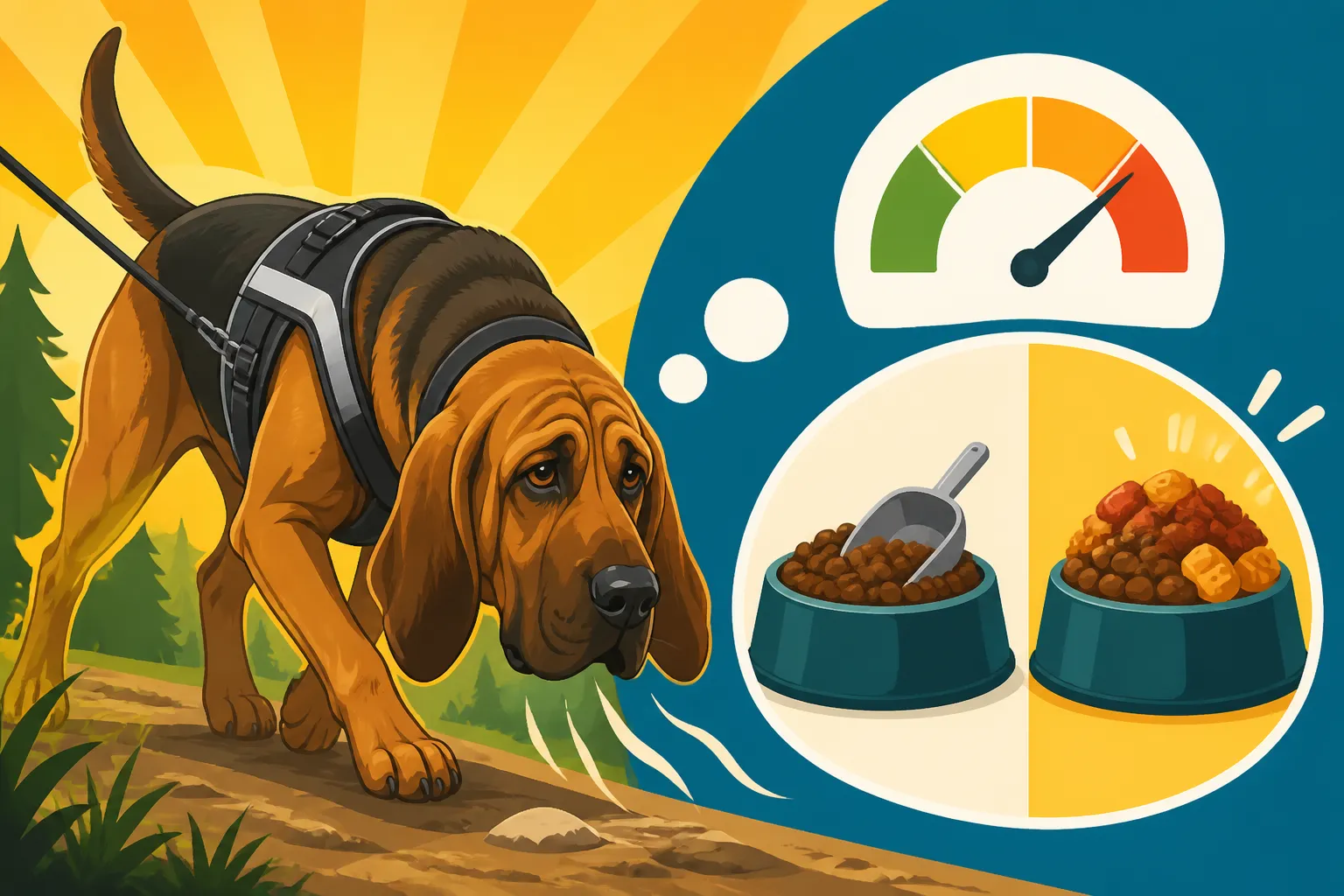
For a Bloodhound, "work" typically means rigorous scent work, often involving mantrailing, area searches, or even cadaver detection. This isn't just a leisurely sniff; it's a focused, driven pursuit where their incredible nose leads them across varied terrain, through different environments, and often for extended periods. Imagine a Bloodhound on a three-hour trail, navigating urban concrete, dense woods, or even crossing streams, all while meticulously dissecting a scent picture that’s invisible to us. That's work. It also encompasses competitive activities like trailing trials, advanced obedience with complex sequences, or regular training sessions that mimic real-world search scenarios. This level of sustained effort, often under challenging conditions, is a far cry from a casual stroll in the park.
A pet Bloodhound, while still needing adequate exercise, might get daily walks, some yard play, and maybe a weekly sniffari. This is wonderful and necessary for their well-being, but it doesn't typically tap into the deep reserves of energy a true working hound needs. The physical output and mental strain are simply on different levels. The working Bloodhound often carries a lean, muscular build, a testament to their regular physical conditioning. If you're exploring Mantrailing Is the Answer to a Bloodhound, Not Obedience, you'll quickly understand the sheer effort involved.
How Scent Work Burns Calories
Scent work is a full-body workout for a Bloodhound, much more so than many people realize. First, consider the physical aspect. As a Bloodhound works a trail, their head is down, constantly moving, sifting through scent particles. Their powerful neck muscles are engaged, their legs are moving over uneven ground, and they are often pulling steadily on a long line. This isn't passive activity; it’s an active, sustained effort. They're climbing, descending, jumping over obstacles, and pushing through brush. This continuous muscle engagement across their entire body demands a lot of energy.
Beyond the obvious physical exertion, there's the intense mental component. Discerning and following a specific scent among a cacophony of other smells is incredibly draining. Their brain is working overtime, filtering, analyzing, and processing vast amounts of sensory information. Just like a human solving complex problems, this mental effort burns significant calories. Environmental factors also play a huge role. Working in hot, humid weather or frigid, snowy conditions, or even just high winds, forces their body to expend more energy regulating temperature and maintaining focus. Imagine trying to concentrate on a puzzle while running a marathon in a heatwave – that's a bit like what your Bloodhound is doing. All these elements combined mean a working Bloodhound's metabolism is running at a much higher rate, necessitating a proportional increase in caloric intake.
Calculating and Meeting Increased Caloric Demands
Determining the exact caloric needs of any dog can feel like a moving target, and it's even more nuanced for a working Bloodhound. While there are general guidelines, every dog is an individual, and their specific energy requirements will fluctuate based on several variables.
Estimating a Working Bloodhound's Daily Caloric Needs
To begin, you can look at the caloric recommendations for a typical adult Bloodhound of their weight, which usually falls within the 1800-2500 kcal range for a moderately active dog. This is often based on their Basal Metabolic Rate (BMR) – the energy needed for basic bodily functions – then multiplied by an activity factor. However, for a truly working Bloodhound, this factor needs to be significantly higher.
Factors that influence their specific caloric needs include:
- Age: Growing puppies and senior dogs have different needs. Aging in a Bloodhound Starts at Six might require dietary adjustments.
- Sex: Males often have higher caloric needs than females, especially intact males.
- Spay/Neuter Status: Neutered dogs often have slightly lower metabolic rates and can gain weight more easily.
- Climate: Dogs working in cold weather burn more calories to stay warm; dogs in extreme heat might also expend more energy.
- Intensity and Duration of Work: A dog doing an hour of light tracking versus one doing a five-hour search and rescue operation will have vastly different needs.
Generally, a working Bloodhound might require anywhere from 1.5 to 2.5 times the calories of a sedentary dog of the same weight, potentially pushing their daily intake into the 3000-5000+ kcal range, depending on the demands. It's not uncommon for a highly active Bloodhound to need substantially more. Always check with your vet for personalized advice, especially if your dog has any underlying health conditions.
The Right Fuel: Protein, Fat, and Carbohydrates
Just as important as the quantity of calories is the quality and composition of those calories. Working dogs need a specific balance of macronutrients to perform optimally and recover efficiently.
Protein is absolutely paramount for a working Bloodhound. It's the building block for muscles, tissues, enzymes, and hormones. When a dog is working hard, their muscles are constantly undergoing micro-damage and repair, and adequate protein intake is essential for this recovery and for maintaining muscle mass. Look for foods with at least 25-30% high-quality protein from sources like chicken, beef, lamb, or fish. Without sufficient protein, your Bloodhound's body will struggle to repair itself, leading to fatigue and potentially injury.
Fats are a highly concentrated energy source, providing more than twice the calories per gram compared to protein or carbohydrates. For an endurance athlete like a working Bloodhound, fats are crucial for sustained energy release. They provide long-lasting fuel without the rapid spikes and drops associated with carbohydrates. Good fats also support healthy skin, a shiny coat, and provide essential fatty acids. A working dog food should ideally have a fat content in the range of 15-25%. Too little fat, and your Bloodhound will lack stamina; too much, and they might gain unhealthy weight if not working enough, or experience digestive upset.
Carbohydrates provide readily available energy for quick bursts of activity and help replenish glycogen stores in muscles after exertion. While not the primary fuel for endurance work, they play an important supporting role. Complex carbohydrates like whole grains (brown rice, oats), sweet potatoes, and peas are preferable as they provide a steady release of energy and fiber for digestive health. The carbohydrate content typically makes up the remaining portion of the diet, around 30-40%. A balanced blend of these macronutrients will ensure your Bloodhound has the energy to perform, the building blocks to recover, and the overall health to thrive in their demanding role.
Practical Feeding Strategies for the Active Bloodhound
Feeding a working Bloodhound isn't just about dumping more kibble in the bowl. It requires careful consideration of food type, meal timing, and even the equipment you use to ensure they get the most out of their diet while minimizing health risks.
Choosing the Right Food Formula
For a working Bloodhound, you need a food that's nutrient-dense and formulated to meet high energy demands. This usually means opting for a "performance," "active breed," or "sporting dog" formula. These foods typically have higher protein and fat content than standard adult maintenance diets. When evaluating brands, look for those where meat is the first ingredient, and where the ingredients list reads like whole foods, not a chemistry experiment. Brands available on platforms like Chewy or Amazon often have detailed ingredient lists and customer reviews that can help you make an informed choice. Some owners even explore fresh or raw feeding options, like those offered by Ollie, consulting with veterinary nutritionists to ensure complete and balanced meals tailored to their dog's specific needs.
Just as important as the nutritional content is the kibble size. Bloodhounds are deep-chested dogs, and while the jury is still out on the definitive link between kibble size and bloat risk, many owners prefer larger kibble to encourage slower eating. Feeding a Bloodhound So It Does Not Bloat is a critical article for all Bloodhound owners, and food choice plays a significant role. A high-quality food will support not just their energy levels but also their overall health, including joint health, which is vital for any working dog.
Strategic Feeding Times and Portions
How you feed your working Bloodhound is almost as important as what you feed them. Given their deep chests, Bloodhounds are at a higher risk for Gastric Dilatation-Volvulus (GDV), commonly known as bloat. This is a life-threatening condition where the stomach twists. To mitigate this risk, splitting their daily food allowance into two or even three smaller meals throughout the day is highly recommended. This prevents the stomach from becoming overly distended, which is believed to be a contributing factor to bloat. Our article on How Many Meals a Day a Bloodhound Should Eat delves deeper into this.
Timing these meals strategically around their work schedule is also key. Avoid feeding a large meal immediately before or after intense exercise. A full stomach bouncing around during rigorous activity can increase bloat risk. Instead, aim to feed at least 2-3 hours before any strenuous work and wait at least 1-2 hours after they have cooled down and rested before offering a meal. If your Bloodhound has a very long work session, some handlers provide small, easily digestible, high-energy snacks during breaks, like a small amount of boiled chicken or specialized performance bars, to maintain energy levels. Always provide fresh water freely, but discourage gulping large amounts immediately after intense exercise.
Monitoring, Adjusting, and Supplementing for Peak Performance
Even with the best feeding strategy, a working Bloodhound's needs can change. Regular monitoring of their physical condition is vital, as is knowing when and what kind of supplements might be beneficial to support their demanding lifestyle.
Assessing Body Condition and Weight
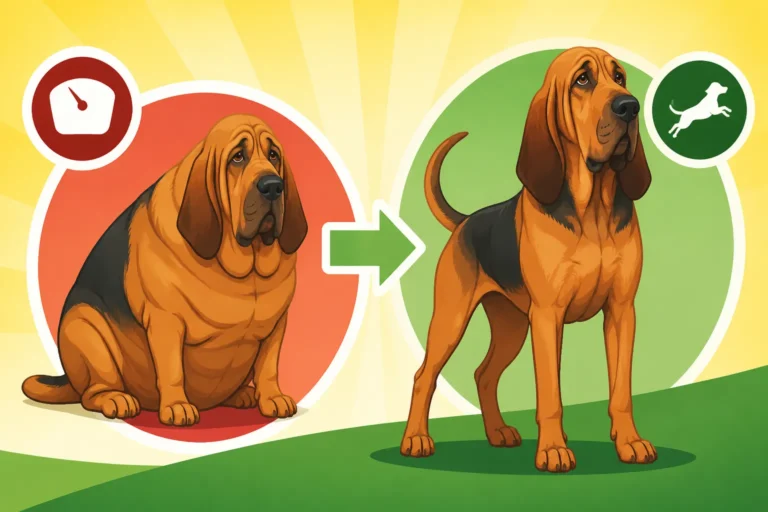
The easiest and most effective way to know if your Bloodhound is getting the right amount of calories is to regularly assess their body condition. This isn't just about looking at them; it's about feeling them. You should be able to easily feel your Bloodhound's ribs without seeing them protruding. They should have a noticeable waist when viewed from above, and their abdomen should tuck up slightly when viewed from the side. A healthy working Bloodhound is typically lean and muscular, not bulky or soft. Keeping a Bloodhound Lean on Purpose is not just about aesthetics; it's crucial for joint health and performance.
| Body Condition Score | Appearance | Ribs/Spine | Waist/Abdomen |
|---|---|---|---|
| Emaciated | Severe muscle loss, bones visible | Ribs, spine, hip bones very prominent | Extreme tuck |
| Thin | Ribs easily visible, minimal fat | Ribs, spine, hip bones prominent | Obvious tuck |
| Ideal/Lean | Well-proportioned, lean and athletic | Ribs easily felt, not visible; slight spinal prominence | Clear tuck |
| Overweight | Rounded appearance, slight fat covering | Ribs palpable with difficulty, no waist | Little tuck |
| Obese | Bulging fat, no waist, heavy fat deposits | Ribs not palpable, no waist, distended abdomen | No tuck |
Regularly weighing your Bloodhound can also provide objective data. Keep a log, perhaps taking photos every few weeks, to track changes. If your working Bloodhound starts to look thin or lose muscle mass, it's a clear sign they need more calories. Conversely, if they start to put on weight or lose their lean physique, their caloric intake might need to be reduced, or their exercise increased. Remember, a Bloodhound's weight and condition can fluctuate with the intensity of their work schedule.
When and What Supplements Might Help
While a high-quality diet should provide most of the necessary nutrients, some supplements can offer additional support for a working Bloodhound's specific needs. It's always best to discuss any supplementation with your veterinarian to ensure it's appropriate and won't interact with other medications or existing health conditions.
Joint supplements like glucosamine, chondroitin, and MSM are often recommended for large, active breeds. The repetitive impact and strain of tracking over various terrains can take a toll on their joints over time. Starting these proactively can help support cartilage health and potentially reduce inflammation, keeping them comfortable and mobile for longer.
Omega-3 fatty acids, particularly EPA and DHA found in fish oil, offer numerous benefits. They are powerful anti-inflammatories, which can help with joint comfort and muscle recovery. They also support skin and coat health, cognitive function, and cardiovascular health – all important for a working dog. Our article Whether a Bloodhound Needs Fish Oil provides more details. You can find quality fish oil supplements on platforms like Amazon or Chewy.
Probiotics can be beneficial, especially for dogs experiencing stress from travel, new environments, or changes in diet. A healthy gut microbiome is crucial for optimal digestion and nutrient absorption, which is vital when your dog needs to efficiently process a high-calorie diet. Consider discussing Whether a Bloodhound Needs a Probiotic with your vet. Some working dogs also benefit from specific recovery supplements containing electrolytes or amino acids, particularly after extremely strenuous or prolonged work sessions, to aid rehydration and muscle repair.
By providing a thoughtfully planned, calorie-dense diet, monitoring their physical condition closely, and strategically using supplements when needed, you can ensure your working Bloodhound has the energy, resilience, and vitality to perform their important tasks and enjoy a long, healthy life.
Disclaimer
This article is for general informational purposes only and does not constitute professional advice. Laws, prices and regulations vary by location and change over time. Consult a qualified professional for guidance on your specific situation.