Whether Overfeeding a Bloodhound Puppy Harms Its Joints
As Bloodhound owners, we all want to do everything right for our beloved floppy-eared companions, especially when they're growing from an adorable, clumsy pup into a majestic, scent-driven adult. One of the biggest worries that keeps many of us up at night, especially with such a large and fast-growing breed, is whether we're feeding them correctly. There's a persistent concern that giving a Bloodhound puppy too much food might actually harm their developing joints, setting them up for a lifetime of pain. This guide will delve into the realities of puppy nutrition for Bloodhounds, exploring whether overfeeding truly impacts joint health and what you can do to ensure your pup grows up strong and healthy.
The Rapid Growth of a Bloodhound Puppy
Anyone who has welcomed a Bloodhound puppy into their home knows that "rapid growth" is an understatement. They seem to sprout inches overnight, transforming from a wiggly, roly-poly bundle of wrinkles into a gangly, powerful hound in mere months. This incredible growth spurt, while exciting to witness, also comes with its own set of challenges and considerations, particularly concerning their skeletal development.
Understanding Their Unique Development
Bloodhounds are what we call a "giant breed," and their growth curve is vastly different from that of a smaller dog. While a chihuahua might reach its adult size within a year, a Bloodhound can continue to fill out and mature for up to two years, with most of their height and length achieved in the first 12-18 months. During this intense period, their bones, muscles, and cartilage are developing at an astonishing rate. Their growth plates, which are areas of cartilage in young dogs where new bone is formed, are particularly vulnerable. These plates are soft and prone to injury until they fully close, which happens later in large breeds than in smaller ones. It's a delicate dance between rapid growth and strong development, and anything that throws off this balance can have lasting consequences. Many Bloodhounds are unfortunately genetically predisposed to certain orthopedic conditions, like Hip and Elbow Dysplasia in the Bloodhound, which makes careful management of their early growth even more critical.
This accelerated development phase means that what might be perfectly adequate nutrition for a smaller, slower-growing breed could be completely inappropriate for a Bloodhound. Their bodies are constantly remodeling and strengthening, requiring a precise balance of nutrients, particularly calcium and phosphorus, to support healthy bone density and joint formation. It's not just about providing enough food, but providing the right kind of food in the right amounts to encourage steady, controlled growth rather than an unchecked surge.
Why Overfeeding is a Concern for Large Breeds
The concern about overfeeding large breed puppies isn't just an old wives' tale; it's rooted in scientific understanding of canine orthopedic development. When a Bloodhound puppy receives too many calories, especially during its critical growth phase, it tends to grow too quickly and gain weight disproportionately fast. This excess weight puts undue stress on their still-developing joints and fragile growth plates. Think of it like building a skyscraper too fast without allowing the foundation to properly set; the structure might rise quickly, but it won't be as stable or strong in the long run.
This rapid, unchecked weight gain can lead to several problems. For one, the increased mechanical load on the joints can stress cartilage and bone, causing microtraumas that disrupt normal development. Secondly, excess caloric intake can sometimes interfere with the delicate balance of calcium and phosphorus absorption, even in foods formulated for large breeds. While these foods are designed to prevent issues, overfeeding them can still tip the scales. The goal is a lean, athletic puppy, not a chunky one. A pudgy puppy might look cute, but it's often a precursor to orthopedic problems down the line. We really want to encourage How Fast a Bloodhound Puppy Should Grow at a healthy, steady pace, rather than pushing for maximum size too soon.
The Direct Impact of Excess Weight on Developing Joints
It's a common misconception that if a dog is genetically predisposed to a joint issue, there's nothing an owner can do about it. While genetics certainly load the gun, environmental factors like nutrition and exercise pull the trigger or, thankfully, keep it safely holstered. For large breeds like Bloodhounds, excess weight during puppyhood is a major environmental factor that can significantly worsen or even trigger the manifestation of underlying orthopedic conditions.
Hip and Elbow Dysplasia Exacerbation
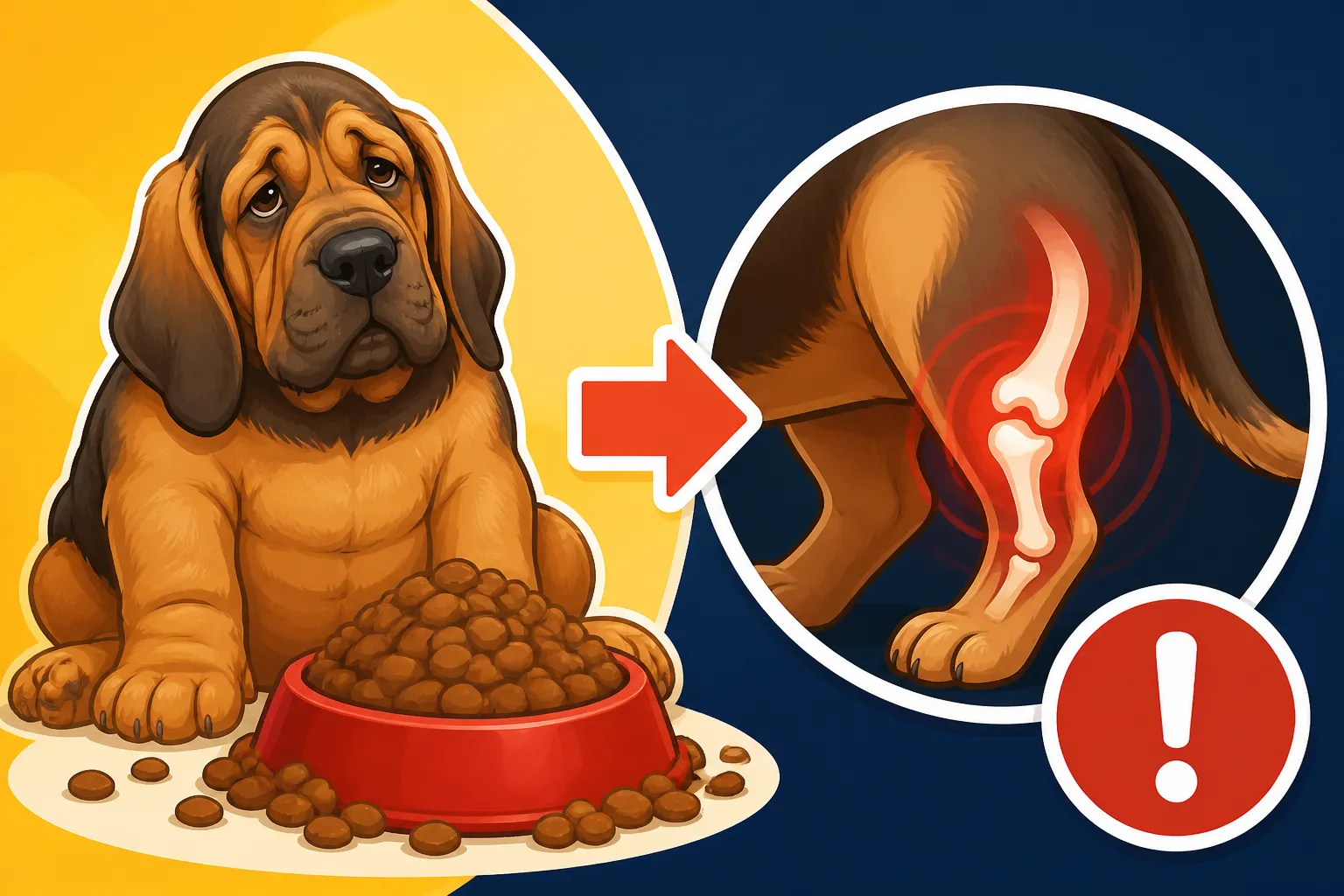
Hip and elbow dysplasia are unfortunately common issues in many large and giant breeds, including Bloodhounds. These conditions are characterized by abnormal development of the hip or elbow joints, leading to a loose or unstable joint. While a puppy is born with the genetic blueprint for these conditions, whether they actually develop severe symptoms often hinges on how they are raised, and diet plays a massive role. Overfeeding doesn't cause dysplasia, but it can absolutely make a mild case severe or bring an otherwise subclinical case to the forefront.
Imagine a joint that isn't perfectly formed—the ball and socket of the hip don't fit snugly, or the bones of the elbow don't align perfectly. Now, add extra weight to that equation. The increased pressure and strain on these poorly fitting joints accelerate the wear and tear on the cartilage, leading to inflammation, pain, and eventual degenerative joint disease, or arthritis. This can mean a lifetime of pain management, limited mobility, and potentially expensive surgeries. Owners who've dealt with this know the heartache. What could have been a manageable, mild dysplasia can become a debilitating condition, leading to signs like limping, reluctance to play, and stiffness, sometimes far earlier than expected. The long-term consequences can be devastating, sometimes leading to Arthritis Slows a Bloodhound at Six, robbing them of their active years prematurely.
Other Orthopedic Issues
Beyond hip and elbow dysplasia, rapid growth spurred by overfeeding can contribute to other orthopedic problems. One such condition is Osteochondritis Dissecans (OCD), which primarily affects the shoulders, but can also be seen in elbows, hocks, and stifles. OCD occurs when cartilage in a joint doesn't mature into bone correctly, leading to a flap of cartilage that can detach and cause pain, lameness, and inflammation. This abnormal cartilage development is often linked to rapid growth, genetics, and nutritional imbalances, particularly excessive calcium.
Another significant concern involves the growth plates themselves. These areas of soft cartilage are where bones lengthen, and they are especially vulnerable to injury from excessive weight or trauma before they fuse. Overfeeding, leading to rapid weight gain, puts constant stress on these delicate structures. This can lead to irregular closure, abnormal bone growth, or even damage that manifests as lameness and discomfort in a young, rapidly growing Bloodhound. The delicate balance of nutrients needed for proper bone development means that any deviation, whether too much or too little of certain elements, combined with excess weight, can set the stage for chronic pain and structural issues that follow them throughout their lives. It really underscores why Whether a Bloodhound Puppy Needs Restricted Calcium is such an important topic for large breed owners.
Strategies for Healthy Puppy Feeding and Growth
Navigating puppy nutrition for a giant breed like a Bloodhound can feel overwhelming, but with the right approach and a little vigilance, you can set your pup up for the healthiest start possible. The key is controlled, steady growth, not rapid expansion. It’s all about giving them the support they need without pushing their developing bodies too hard.
Choosing the Right Food
The foundation of healthy growth begins with the food you choose. For Bloodhound puppies, a high-quality, large breed puppy formula is absolutely essential. These specialized diets are not just marketing gimmicks; they are carefully formulated to provide a balanced nutrient profile designed to support the slower, more controlled growth needed for giant breeds. This usually means a lower calorie density and, critically, carefully controlled levels of calcium and phosphorus compared to regular puppy foods. Excessive calcium, in particular, has been linked to orthopedic issues in rapidly growing large breed puppies.
When you're shopping for food, don't just grab the first bag that says "puppy food." Look specifically for formulas designed for "large breed" or "giant breed" puppies. Read the ingredient list and guaranteed analysis carefully. Your veterinarian is your best resource here; they can recommend specific brands or formulations that align with your puppy's individual needs. Brands vary, but many reliable options exist. You can often find a good selection, along with detailed ingredient lists, on online retailers like Chewy or Amazon, making it easy to compare options. Some owners also explore fresh food options, but even with those, ensuring they are balanced for a large breed puppy is paramount. Companies like Ollie often provide tailored plans, but always confirm with your vet that the nutritional balance is appropriate for your growing Bloodhound. Whether a Bloodhound Needs a Large Breed Formula is not just a suggestion; it's a critical component of their joint health.
Portion Control and Body Condition Scoring
Once you've chosen the right food, the next crucial step is managing how much your Bloodhound puppy actually eats. Simply following the feeding guidelines on the bag often isn't enough, as these are general recommendations and every puppy is an individual. Instead, use the feeding guide as a starting point and then adjust based on your puppy's body condition. The goal is to keep your Bloodhound puppy lean, not chunky. You should be able to easily feel their ribs when you run your hands along their side, but not see them prominently. They should also have a noticeable waist when viewed from above and a slight tuck in their abdomen from the side.
Here's a simple guide for body condition:
| Feature | Ideal Puppy Body Condition | Overweight Puppy Body Condition |
|---|---|---|
| Ribs | Easily palpable without excess fat covering | Difficult to feel, covered by a layer of fat |
| Waist | Clearly visible tuck behind the ribs | No discernible waist, broad or rounded back |
| Abdominal Tuck | Distinct tuck-up from side view | Flat or sagging abdomen |
| Energy Level | Playful, energetic, good stamina | May be less active, tire easily |
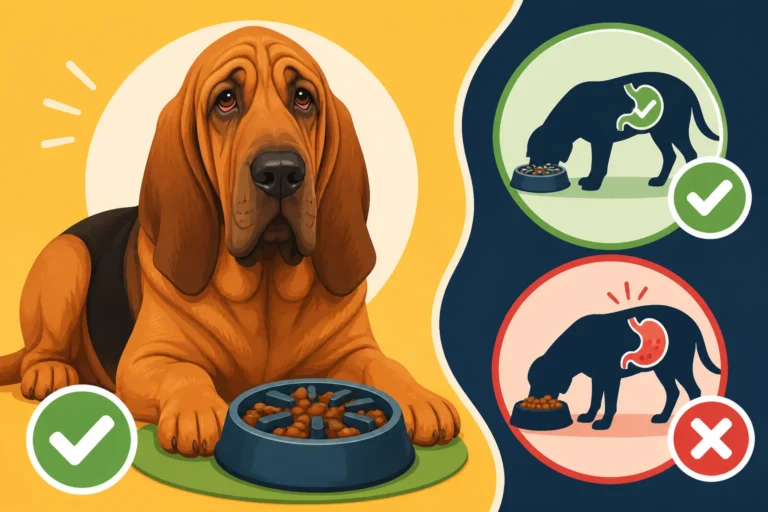
Regularly assessing your puppy's body condition is more important than rigidly sticking to a measured cup amount. If you're struggling to feel their ribs, cut back on their food slightly. If they look too thin and their ribs are very prominent, increase it a bit. Many owners find it helpful to divide their puppy's daily food allowance into two or three smaller meals throughout the day. This not only helps manage their overall calorie intake but also aids in digestion and can even help reduce the risk of bloat, a serious concern for Bloodhounds. How Many Meals a Day a Bloodhound Should Eat is a common question, and generally, multiple smaller meals are preferred. Remember, we are striving for Keeping a Bloodhound Lean on Purpose.
Regular Vet Check-ups and Monitoring
Your veterinarian is your most valuable partner in ensuring your Bloodhound puppy grows up healthy. Regular check-ups are essential for monitoring their growth and overall health. During these visits, your vet can assess your puppy's body condition, discuss their diet, and make recommendations for adjustments as they grow. They'll keep an eye on their weight gain and can provide tailored advice on specific nutritional needs.
Don't hesitate to bring your questions and concerns to your vet. They can help you understand the nuances of large breed puppy nutrition and guide you through the various stages of your Bloodhound's development. Regular weigh-ins at the clinic, even between scheduled appointments, can be a great way to track their progress and make small dietary adjustments before they become significant issues. Proactive care, especially in the first year to year and a half, can make all the difference in preventing joint problems and ensuring your Bloodhound leads a long, comfortable, and active life. This consistent monitoring helps ensure that your Bloodhound reaches The Age a Bloodhound Reaches Full Weight in the healthiest possible way.
Debunking Myths and Common Misconceptions
When it comes to raising a Bloodhound puppy, there's no shortage of advice—some good, some not so much. It's easy to get caught up in old beliefs or misinterpretations that, while well-intentioned, can actually be detrimental to your growing pup's health. Let's clear up a few common myths surrounding feeding and large breed development.
"Bigger is Better" Mentality
One of the most persistent and potentially harmful myths is the idea that a faster-growing, heavier Bloodhound puppy is somehow healthier, stronger, or will turn into a more impressive adult. I've heard it countless times from proud puppy owners wanting their dog to be the biggest in the litter. The truth, however, is quite the opposite. For large and giant breeds, slower, steady growth is unequivocally better for joint development. Pushing a puppy to grow rapidly by overfeeding them puts immense stress on their immature skeletal system, increasing the risk and severity of orthopedic diseases like hip and elbow dysplasia.
A Bloodhound's genetic potential for size will be reached regardless of how fast they grow. Trying to accelerate it only leads to problems. Think of it this way: a well-built house takes time to construct; rushing it leads to structural flaws. The same applies to your Bloodhound puppy. Focus on a lean body condition and a controlled growth rate, allowing their bones and joints to mature at a pace they can handle. This ensures they develop the strong, resilient framework they need for a long, active life as a working hound or a cherished family companion. What an adult male Bloodhound weighs, for instance, should be the result of natural, healthy growth, not forced feeding.
The Role of Supplements
Another area rife with misinformation is the use of supplements for joint health. While some joint supplements can be beneficial for older dogs or those already diagnosed with joint issues, indiscriminately adding them to a growing puppy's diet, especially without veterinary guidance, can be counterproductive or even harmful. For example, some well-meaning owners might add extra calcium to their puppy's food, believing it will make their bones stronger. However, large breed puppy foods are already formulated with carefully balanced calcium and phosphorus levels. Adding more can disrupt this delicate balance, leading to developmental orthopedic diseases rather than preventing them.
Over-supplementation can lead to problems like Hypertrophic Osteodystrophy (HOD) or even exacerbate issues like OCD. If your Bloodhound puppy is on a high-quality, large breed specific puppy food, they are likely receiving all the necessary nutrients for healthy growth. Before considering any supplement—be it glucosamine, chondroitin, or anything else—always have a detailed discussion with your veterinarian. They can help determine if there's a genuine need and recommend appropriate, safe dosages. Remember, supplements are meant to supplement an already balanced diet, not fix a poor one or accelerate growth.
Genetics vs. Environment
It's tempting to think that if a Bloodhound is genetically predisposed to hip or elbow dysplasia, its fate is sealed. While genetics play a significant role in susceptibility, they are not the sole determinant. The environment, which includes diet, exercise, and overall care, acts as a crucial modifier. Good genetics provide the best starting point, but poor environmental factors can undermine even the best genetic foundation. Conversely, excellent care can often mitigate the expression of less-than-perfect genetics.
This is why responsible breeders go to great lengths to screen their breeding stock for orthopedic conditions, often using certifications like OFA or PennHIP. What the American Bloodhound Club Asks Breeders to Screen includes a comprehensive list of health clearances specifically designed to reduce the incidence of these inheritable conditions. However, once a puppy comes home, the responsibility shifts to the owner to provide an optimal environment. Feeding a proper diet, maintaining a lean body condition, and providing appropriate, non-strenuous exercise during puppyhood are powerful tools in your arsenal to promote healthy joint development, even in a genetically susceptible individual. You have significant control over the environmental factors that can help your Bloodhound thrive.
Disclaimer
This article is for general informational purposes only and does not constitute professional advice. Laws, prices and regulations vary by location and change over time. Consult a qualified professional for guidance on your specific situation.