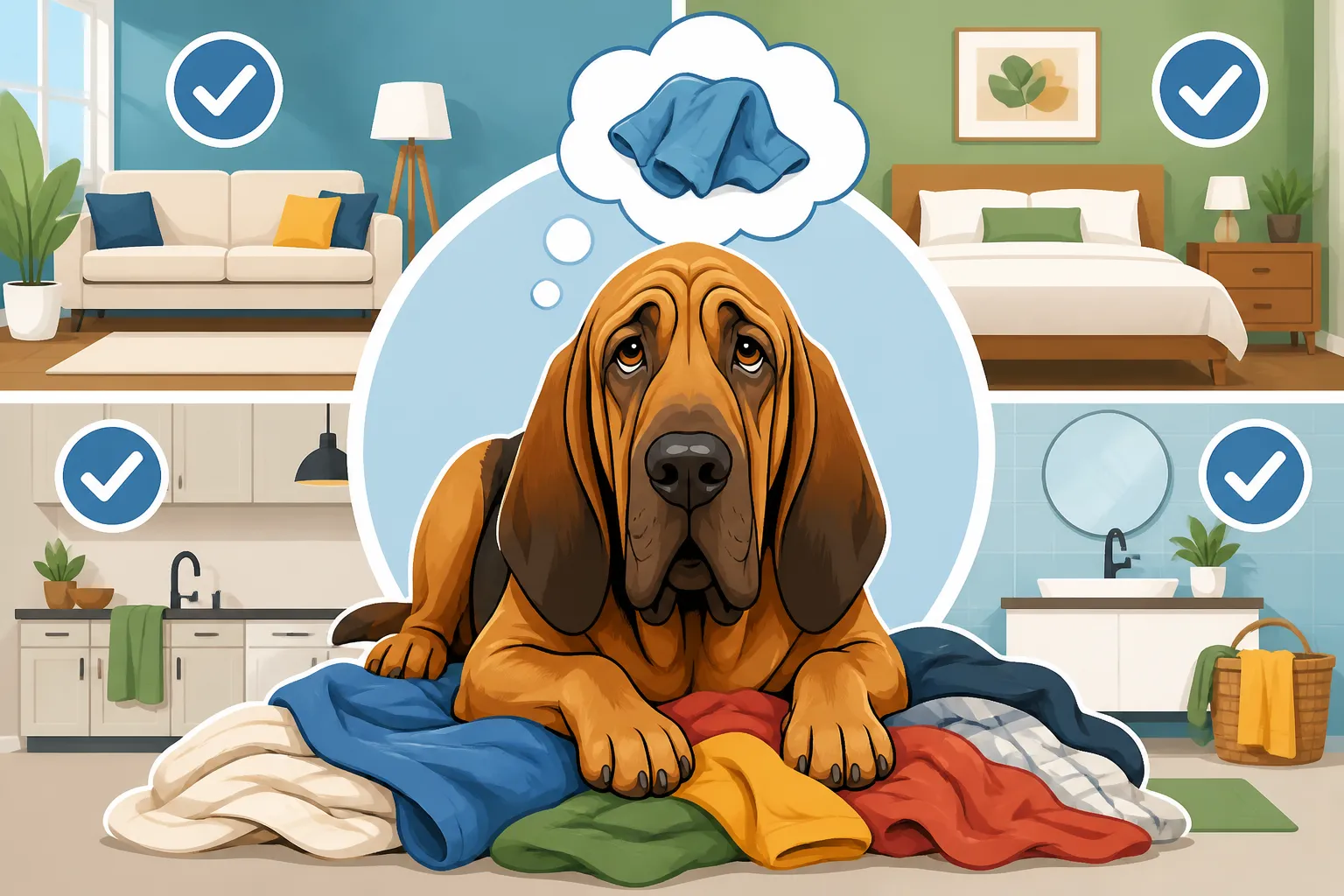
Whether a Bloodhound Owner Should Keep Cloths in Every Room
If you've ever owned a Bloodhound, you know that welcoming one of these magnificent, scent-driven hounds into your home means embracing a unique level of… moisture. From the moment they shake their glorious heads to the last slurp from the water bowl, you'll quickly realize that strategically placed cleaning cloths aren't just a good idea, they're an absolute necessity to maintain some semblance of tidiness. This guide will delve into why a Bloodhound requires such an omnipresent approach to cleaning and how best to equip your home.
The Perpetual State of Bloodhound Drip: Why Wipes are Essential
Let's be honest, the image of a Bloodhound is often accompanied by a certain… glistening quality around the jowls. Their loose skin, those magnificent, pendulous lips, and their deep flews are all part of what makes them so distinctive, but they also act as incredibly efficient drool reservoirs. This isn't just a little drip here and there; this is a constant, ambient humidity that follows your Bloodhound wherever they go.
Understanding the Bloodhound's Unique Anatomy and Drool Production
A Bloodhound's facial structure is designed to enhance its incredible sense of smell. Those long, heavy ears and dewlaps (the loose skin around the neck and throat) help to sweep scent particles towards their nose, but they also provide ample surface area for saliva to accumulate. Combine this with their enthusiastic drinking habits, and you have a recipe for widespread dampness. When they drink, their jowls soak up water like sponges, and then, with the slightest head shake, that water (often mixed with slobber) is flung across the room. It’s not just water, though; it’s a constant production of saliva that seems to defy gravity, building up until it’s ready to release. Owners often joke that their Bloodhounds don't just drink water, they wear it. You’ll find wet spots on walls, furniture, and even the ceiling if they shake their head just right. The sheer volume of drool can be surprising to first-time Bloodhound owners, but it's a completely normal part of owning this breed. Where a Bloodhound Puts Its Drool is a common concern, and the answer is truly, everywhere.
The Drool Trail: Where You'll Find It Most
The primary areas you'll need cloths for are wherever your Bloodhound eats, drinks, sleeps, and greets you. Imagine your pup coming in from a big drink of water, head held high, only to shake it vigorously right next to your freshly painted wall. Or perhaps they've just had an exciting moment, like spotting a squirrel through the window, and a string of drool suddenly stretches from their jowl to the floor, leaving a sticky, shimmering trail. These moments happen countless times a day. You'll find wet spots on the kitchen floor around the water bowl, tell-tale smears on the lower half of your refrigerator door, and even on your clothes after a particularly effusive greeting. That wet mark on the sofa cushion? Yep, that's Bloodhound love. Having a soft, absorbent cloth within arm's reach in these high-traffic drool zones can save your surfaces and your sanity.
Mitigating Drool's Impact
While you can't stop a Bloodhound from being a Bloodhound, you can certainly manage the aftermath. Many owners find that a snood—a fabric tube that covers the ears and sometimes the jowls—can help keep their faces a bit cleaner, especially during meal times. You might also consider using specific water bowls designed to minimize splashing, but even these aren't foolproof against the enthusiastic drinker. Ultimately, regular wiping is your best defense. A quick wipe after every drink or a post-meal cleanup ritual can prevent those crusty drool lines and persistent wet patches. Whether a Bloodhound's Jowls Should Be Wiped After Drinking is definitely a 'yes' if you want to keep things cleaner.
Beyond Drool: The Full Spectrum of Bloodhound Messes
While drool might be the most iconic Bloodhound-related mess, it's far from the only one. These hounds are known for their deep wrinkles, long ears, and impressive size, all of which contribute to a unique set of cleanliness challenges. Owning a Bloodhound isn't just about managing slobber; it's about being prepared for a multitude of endearing, yet messy, quirks.
Food and Water Woes
Bloodhounds, with their deep chests and long, dangling ears, are not the most delicate eaters. Their ears often dip into their food and water bowls, becoming saturated with kibble crumbs or dirty water. When they lift their heads, those wet, food-laden ears can then slap against walls, furniture, or your unsuspecting leg. It's an inevitable part of their charm. A quick cleanup after meals is vital, not just for your home, but for their health, too. Food stuck in their ear leather can lead to irritation or even infection. The Bloodhound Ear That Trails Through the Food Bowl is a real problem you'll encounter.
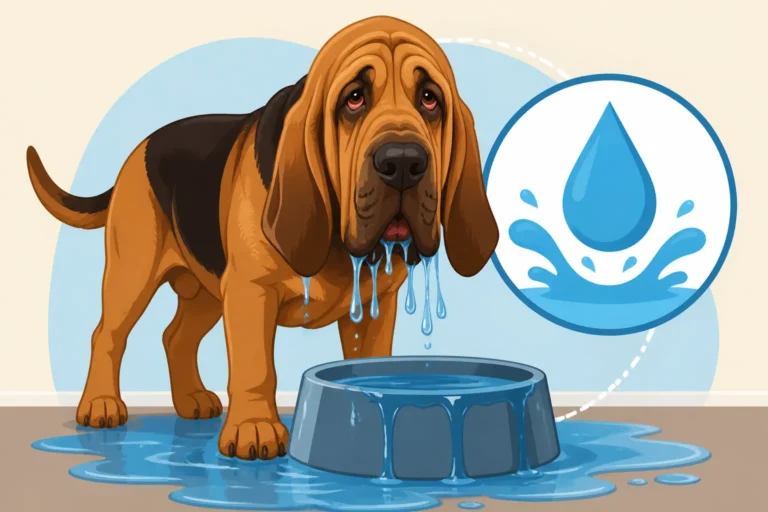
Another related issue is their drinking style. It’s not uncommon for a Bloodhound to take a huge gulp of water and then just… let it all spill out as they walk away, leaving a veritable pond on the floor. Or they’ll lap so enthusiastically that water is sloshed over the rim of the bowl, coating the surrounding area. This is where those strategically placed cloths really shine, especially absorbent towels for the floor around the water station. You’ll also find that their jowls, after drinking, become saturated and can drip water all the way from the bowl to their chosen napping spot, creating a trail of mini puddles.
Wrinkles, Folds, and General Grime
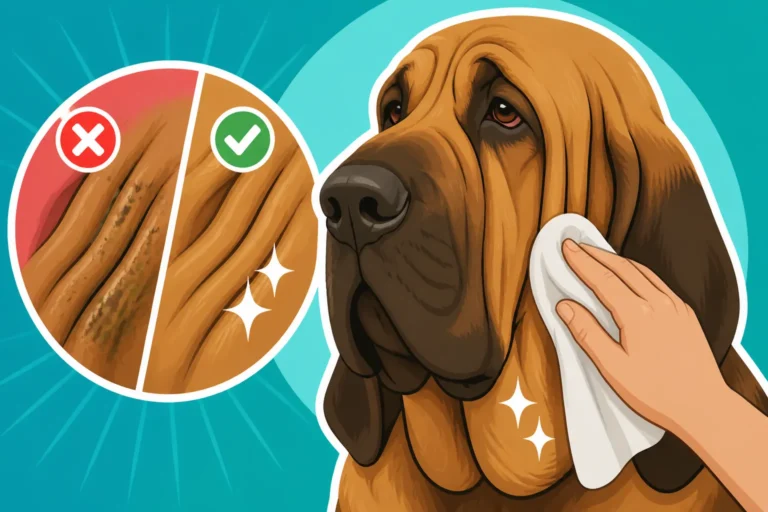
Bloodhounds are famous for their loose skin and abundant wrinkles, particularly around their faces and necks. These folds are fantastic for trapping scent, but they're also perfect breeding grounds for moisture, dirt, and yeast if not kept clean and dry. Wiping a Bloodhound's Folds Before They Sour is crucial preventive care. After outdoor adventures, especially if they've been sticking their nose into damp soil or puddles, these folds can collect all sorts of debris. A simple wipe-down with a damp cloth (and then a dry one!) can prevent skin irritation, redness, and the dreaded "Bloodhound smell" that often comes from neglected folds.
Think about it: your Bloodhound sniffs every interesting patch of grass, every damp leaf, every dusty corner. Their long, damp ears also pick up dust, pollen, and mud. When they come inside, all that collected grime can be transferred to your furniture and floors. Having cloths ready means you can quickly intercept these transfers, keeping the outdoor mess from becoming an indoor fixture. It's not just about aesthetics; it's about preventing skin issues and maintaining a healthy, happy hound.
Accidental Bodily Functions
Let's face it, accidents happen. Whether it's a puppy still mastering house training, an elderly Bloodhound with a weakening bladder, or an upset stomach leading to an unexpected mess, having robust cleaning cloths on hand is non-negotiable. Large, absorbent cloths are essential for quickly soaking up liquids and containing solid messes, preventing them from spreading and staining your carpets or floors. When you have a massive hound, any accident is a large accident, and speed is of the essence for effective cleanup.
Stocking Your Home: Strategies for Immediate Cleanup
Preparing your home for a Bloodhound's particular brand of messiness isn't about constant vigilance, but rather smart placement and preparation. It's about making cleanup as effortless and quick as possible, so you can spend less time scrubbing and more time enjoying your wonderful, messy companion.
Strategic Cloth Placement
The key to success is having a cloth within arm's reach wherever a mess is likely to occur. This means dedicated spots in the kitchen, living room, and near entryways.
- Kitchen: This is Ground Zero for water bowl splashes and post-meal drool. Keep a stack of absorbent towels or dedicated cleaning cloths near the water and food bowls. A small basket on the counter or a hook on the cabinet door can keep them accessible.
- Living Room/Main Hangout Areas: Bloodhounds love to be where their people are. If your dog has a favorite spot on the sofa, or frequently naps on a specific rug, keep a few cloths tucked away in a side table drawer or a decorative basket nearby. This is especially helpful for unexpected drool strings or when they decide to shake their head after a big yawn.
- Entryways: After a walk, especially on a damp or muddy day, those long ears and dewlaps can be caked with dirt. Having a "mud station" with cloths, a towel, and perhaps an ear-cleaning solution right by the door allows for immediate grooming and mess containment. This is also where you might grab a cloth for quick paw wipes before they track mud through the house.
- Bedrooms: If your Bloodhound sleeps in your room (and let's be real, many do!), a cloth on the nightstand or dresser is a small but mighty defense against nocturnal slobber or the occasional reverse-sneeze-and-drool combo.
Setting Up a Cleaning Arsenal
Beyond just cloths, a few other items can make a world of difference. Think of it as your Bloodhound survival kit.
- Designated "Bloodhound Towels": These are not your fancy guest towels. These are the workhorses, often older bath towels or super-absorbent microfiber cloths, specifically reserved for Bloodhound duties. You can get them in bulk from retailers like Amazon or Chewy.
- Quick-Drying Solutions: For those inevitable floor puddles, consider a small, easily accessible mop or a spray bottle with an enzymatic cleaner for quick stain and odor removal, especially helpful for puppy accidents.
- Snoods: As mentioned, a snood can be a game-changer during meal times, keeping those majestic ears out of the food and water. This reduces the amount of ear-related mess you'll need to clean up afterward.
| Mess Type | Recommended Cloth Type | Ideal Placement | Frequency of Use |
|---|---|---|---|
| Drool/Slobber | Microfiber, Cotton Towels | Kitchen, Living Room, Near Beds, By Entryways | Daily, After Drinks |
| Water Bowl Spills | Absorbent Terry Cloth Towels | Around Food/Water Bowls (Kitchen) | Daily, After Meals |
| Food Residue (Ears) | Damp Washcloth, Paper Towels | Near Food Bowls (Kitchen) | After Every Meal |
| Mud/Dirt | Large, Durable Terry Towels | Entryways, Mudroom | After Walks/Outdoor Play |
| Wrinkle/Fold Grime | Soft Washcloths, Baby Wipes | Near Grooming Supplies, High Traffic Areas | Daily Check, As Needed |
| Accidents | Old Bath Towels, Paper Towels | Laundry Room, Bathroom, Near Puppy/Elderly Dog Area | As Needed |
By having these tools readily available, you're not just reacting to messes; you're proactively managing your home environment to be more Bloodhound-friendly. It’s about creating a system that minimizes frustration and maximizes your enjoyment of your slobbery, lovable companion.
Choosing the Right Tools: Types of Cloths and Complementary Supplies
Not all cloths are created equal when it comes to Bloodhound messes. Selecting the right materials can make a significant difference in absorbency, cleaning power, and ease of laundry. Furthermore, pairing your cloths with appropriate cleaning solutions will ensure a truly spotless outcome.
The Best Cloths for Bloodhound Cleanup
When it comes to tackling the various liquid and semi-liquid deposits a Bloodhound can leave, absorbency is your number one priority.
- Microfiber Cloths: These are truly a Bloodhound owner's best friend. Microfiber is incredibly absorbent, trapping moisture and grime effectively. They dry quickly, making them less prone to developing that damp, mildewy smell if you can't wash them immediately. They're excellent for wiping down surfaces like walls, furniture, and stainless steel appliances. You can often buy them in large packs from Amazon, which is super convenient when you need a constant supply.
- Terry Cloth Towels (Old Bath Towels): Don't throw out those faded, slightly frayed bath towels! Cut them into smaller, manageable sizes, and they become perfect for heavier duty tasks like soaking up large water spills around the bowl or wiping down muddy jowls and ears after an outdoor excursion. Their looped fibers provide great absorbency and scrubbing power.
- Cotton Washcloths: Soft and gentle, cotton washcloths are ideal for cleaning delicate areas like eye folds or for quick face wipes after a drink. They're also great for applying gentle cleaning solutions to your dog's skin folds What a Bloodhound Owner Spends on Towels and Cleaner is often more than expected!
- Disposable Wipes (Pet-Safe): For times when a full washcloth isn't convenient or for particularly sticky drool, pet-safe grooming wipes can be incredibly handy. Keep a pack by the door for a quick paw and jowl wipe after a walk, or near their bed for a quick refresh. Just ensure they are formulated for pets and free of harsh chemicals or fragrances that might irritate your Bloodhound's sensitive skin.
Essential Complementary Cleaning Supplies
Cloths are the primary tool, but they work even better when backed up by a few key cleaning solutions.
- Enzymatic Cleaners: For any "accidents" (vomit, urine, feces), an enzymatic cleaner is non-negotiable. These cleaners break down the organic matter and eliminate odors, rather than just masking them. This is crucial for preventing your Bloodhound from returning to the same spot.
- Mild, Pet-Safe All-Purpose Cleaner: For general wiping of hard surfaces where drool or water has splashed, a gentle, pet-safe cleaner can help remove any sticky residue and leave surfaces sparkling.
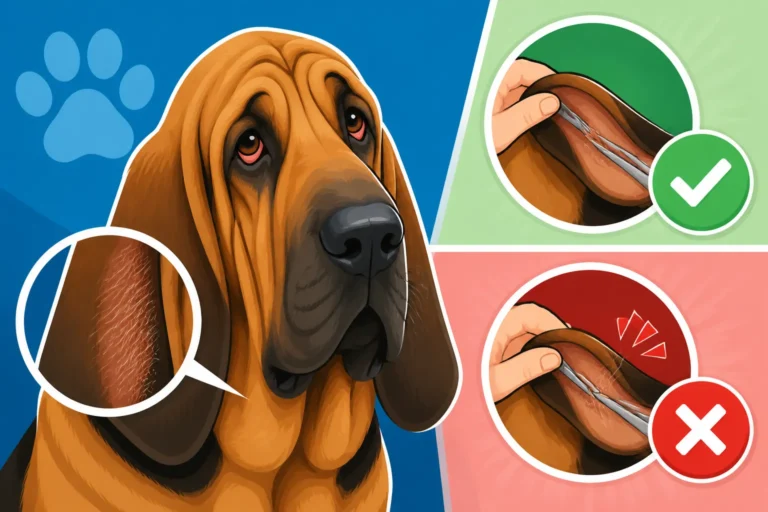
- Ear Cleaning Solution: While not for home surfaces, having a vet-approved ear cleaning solution is vital for your Bloodhound's health. Their long, pendulous ears are prone to infection, so regular cleaning is a must. After cleaning, use a dedicated, clean cloth or cotton pad to gently wipe the outer ear flap and dry the area. Cleaning a Bloodhound's Ears Every Week for Life is a commitment you'll make.
- Old Sheets or Throws: These aren't cloths, but they act similarly. Covering furniture with washable throws or old sheets protects your upholstery from drool, dog hair, and general grime. You can simply toss them in the wash, making laundry much easier than deep cleaning furniture. Many Bloodhound owners invest in robust, easily washable bedding from sites like Chewy to keep their furniture protected.
- High-Quality Laundry Detergent: With a Bloodhound, your washing machine will be working overtime. A good quality, heavy-duty laundry detergent is essential for getting out slobber, mud, and whatever else your Bloodhound brings into the house.
By thoughtfully stocking your home with a variety of cleaning cloths and the right supporting cast of cleaners, you'll be well-prepared for the everyday realities of Bloodhound ownership. It’s about creating a sustainable system that keeps your home relatively clean and your Bloodhound healthy, all without feeling like you’re constantly fighting a losing battle against the inherent messiness of these wonderful hounds.
Disclaimer
This article is for general informational purposes only and does not constitute professional advice. Laws, prices and regulations vary by location and change over time. Consult a qualified professional for guidance on your specific situation.