Whether a Bloodhound Owner Can Buy Eye Drops Cheaper
One of the many realities of sharing your life with a magnificent Bloodhound is understanding that their unique physical traits, while contributing to their incredible scenting ability and endearing appearance, also come with their own set of care requirements. Specifically, those famously droopy eyes and deeply wrinkled brows, while giving them that soulful expression we all adore, can be prone to certain issues that often require daily, or at least regular, eye drop application. If you’ve found yourself staring at another prescription refill bill, wondering if there’s a more budget-friendly way to keep your Bloodhound’s eyes healthy, you’re definitely not alone. It’s a common frustration, and this guide is here to walk you through the various avenues you might explore to potentially reduce the cost of those essential eye drops.
Understanding Why Your Bloodhound Needs Eye Drops
Before we dive into how to save money, it’s really important to understand why your Bloodhound might need eye drops in the first place. This isn't just about general pet care; it's about the breed-specific challenges that often lead to these ongoing expenses. Knowing the root cause helps you advocate for your hound and make informed decisions about their care.
Common Bloodhound Eye Issues Leading to Drop Prescriptions
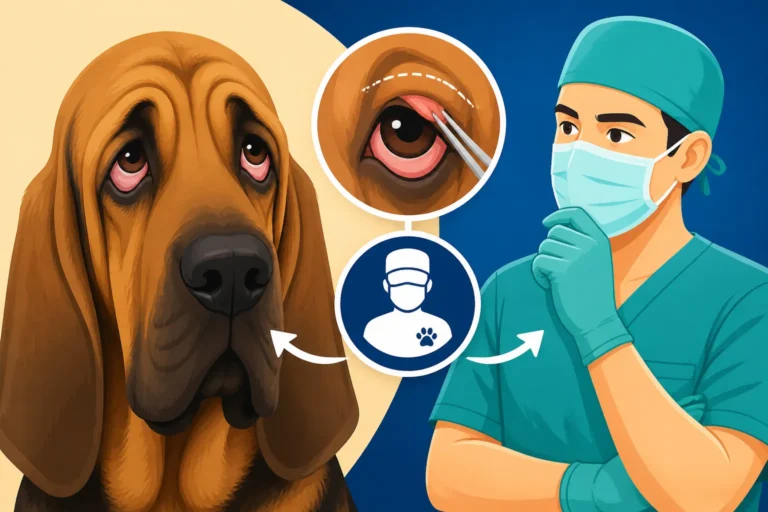
Bloodhounds are prone to several eye conditions due to their unique facial structure. The loose skin, deep wrinkles, and often dramatically drooping lower eyelids, while quintessential to their look, can unfortunately create vulnerabilities. One of the most common issues is ectropion, where the lower eyelid rolls outward, exposing the delicate conjunctiva and the eye itself to dust, debris, and dryness. It's often what people mean when they talk about a Bloodhound's "haw" showing. This exposure means the eye is constantly battling irritation and can lead to chronic dryness or secondary infections. Owners of these wonderful hounds often find themselves needing to provide Daily Eye Care for a Bloodhound just to keep their eyes comfortable.
On the flip side, some Bloodhounds can experience entropion, where the eyelid rolls inward, causing the eyelashes to rub against the cornea. This is incredibly painful and can lead to corneal ulcers, which are serious and require immediate veterinary attention. Both conditions can necessitate lubricating drops, anti-inflammatory drops, or even antibiotic drops if an infection sets in. And let's not forget about Dry Eye in a Bloodhound, or keratoconjunctivitis sicca (KCS), which means their eyes aren't producing enough natural tears. This requires lifelong medication to stimulate tear production or provide artificial tears, making eye drops a constant fixture in your budget.
Another common ailment is simply irritation from foreign bodies. Those long, sweeping ears, so perfect for scenting, can sometimes drag through dirt or vegetation, transferring irritants directly to the eyes as the dog shakes its head or rubs its face. Imagine how much grime those magnificent ears can pick up on a trail! This constant battle against irritation often means using soothing or antiseptic washes, which technically aren't "drops" but fall into the same category of regular ocular care expenses. Sometimes, a seemingly minor issue can quickly escalate, turning into something more serious like What Treating a Bloodhound's Corneal Ulcer Costs, which can be significantly more expensive than just preventative drops.
Prescription vs. Over-the-Counter Options
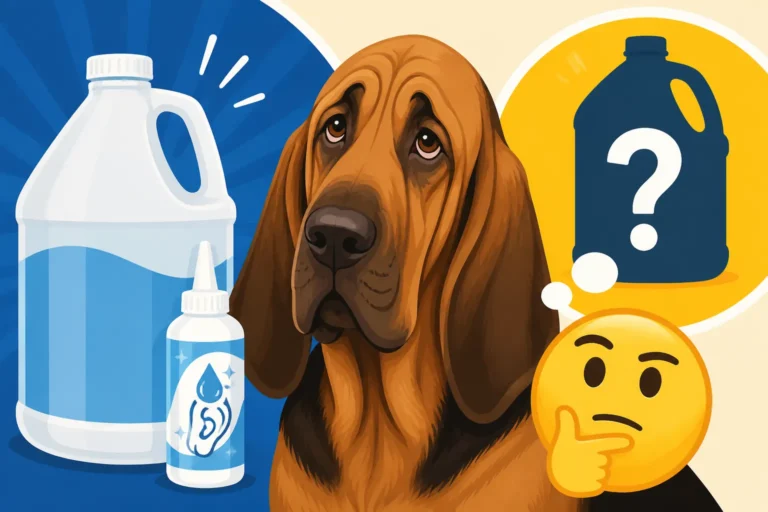
When it comes to eye care for your Bloodhound, you'll encounter both prescription and over-the-counter (OTC) options, and it's vital to understand the difference. Over-the-counter drops are generally lubricating or saline solutions, designed to provide temporary relief from minor irritation or dryness. Think of them as the human equivalent of "redness relief" drops, but specifically formulated for dogs. They can be helpful for a quick rinse if your Bloodhound gets a bit of dust in their eye or needs a general moisturizing boost, especially if you're regularly engaged in Daily Eye Care for a Bloodhound.
However, for genuine medical conditions like diagnosed ectropion leading to chronic exposure, dry eye, or any form of infection, OTC drops are simply not enough. These situations require prescribed medications that contain specific active ingredients to treat inflammation, bacterial infections, or to stimulate tear production. Your veterinarian is the only one who can diagnose these conditions and prescribe the appropriate treatment. Attempting to manage a serious eye condition with only OTC products can not only be ineffective but also potentially worsen the problem, leading to greater discomfort for your hound and ultimately higher veterinary bills down the line. It's a classic case where trying to save a little bit upfront can end up costing a lot more in the long run.
Navigating Veterinary Prescriptions and Pharmacy Options
Once your Bloodhound has a diagnosis and a prescription in hand, that's when the real quest for finding more affordable eye drops begins. You have more options than you might think, and a little proactive investigation can yield significant savings over time.
Asking Your Veterinarian About Alternatives
Your veterinarian is your first and best resource, not just for diagnosis and treatment, but also for cost-saving strategies. Don't be shy about discussing financial concerns. They understand that ongoing medication can be a burden. Start by asking if there's a generic version of the prescribed medication available. Just like in human medicine, generics are often identical in active ingredients and efficacy but come at a much lower price point. Sometimes, there might be a slightly different medication that achieves the same result but is less expensive.
Another excellent question to pose is whether the prescribed medication is available as a human-grade drug. Many veterinary medications are simply human medications repurposed for animals, and often, the human versions can be cheaper at a regular pharmacy. Your vet might be able to write the prescription for a human pharmacy, giving you access to their pricing, which can sometimes be significantly lower than what a vet clinic or specialized pet pharmacy might charge for the same product. Also, don't hesitate to ask if they have any manufacturer coupons or if they know of patient assistance programs for specific medications. While less common for routine eye drops, it's always worth inquiring, especially for newer or more specialized drugs. Finally, they might even have samples on hand they can give you to tide you over or let you try a different formulation.
Comparing Prices at Different Pharmacies
Once you have a prescription that can be filled externally (either at a human pharmacy or a pet-specific one), it's time to put on your detective hat and start comparing prices. The cost of the exact same medication can vary wildly from one pharmacy to another, even within the same town.
Start with your local independent pharmacies. Sometimes, these smaller establishments are willing to work with you on pricing or offer discounts, especially if you become a regular customer. Next, check the pharmacies within larger retail chains. Places like Walmart, Target, or Costco often have surprisingly competitive pricing on generic medications, including those your vet might prescribe for your Bloodhound. Don't forget major pharmacy chains like CVS or Walgreens, which also offer price matching or loyalty programs that could help. It might seem like a bit of a hassle to call around, but a five-minute phone call could save you a significant amount on What a Bloodhound's Eye Drops Cost Each Year.
Online pet pharmacies are another huge avenue for comparison. They often have lower overheads and can pass those savings on to you. Be sure to check reputable online retailers that specialize in pet medications, like Chewy Pharmacy, for instance. You'll need to send them your prescription, which they will then verify with your vet, but the process is usually smooth and well worth the effort for the potential savings. Many of these online pharmacies also offer auto-ship options, which not only ensure you never run out but can also come with additional discounts.
| Pharmacy Type | Potential Pros | Potential Cons | Best For |
|---|---|---|---|
| Veterinary Clinic | Immediate access, vet advice on hand | Often higher prices due to overhead | Urgent needs, specialized meds, initial fill |
| Local Human Pharmacy | Competitive pricing on generics, loyalty programs | May not stock all pet-specific meds | Human-grade meds, building local relationships |
| Big Box Store Pharmacy | Very competitive pricing on many generics | Limited pet-specific stock, less personalized service | Common human-grade meds, budget-conscious |
| Online Pet Pharmacy | Broad selection, competitive pricing, auto-ship | Requires prescription verification, shipping time | Routine refills, bulk orders, convenience, brands like Chewy |
| Manufacturer/Programs | Deep discounts or free product | Limited availability, specific eligibility | High-cost specialized medications |
Exploring Online Pet Pharmacies and Bulk Buying
The digital age has brought incredible convenience and, often, significant savings to pet owners, especially when it comes to recurring needs like eye drops for your Bloodhound. Tapping into online resources and smart purchasing strategies can make a real difference to your wallet.
The Convenience and Potential Savings of Online Retailers
Online pet pharmacies have truly revolutionized how we access our pets' medications. Reputable sites like Chewy, for example, have dedicated pharmacy sections where you can upload your Bloodhound's prescription and have medications delivered right to your door. The convenience factor alone is huge – no more rushing to the vet clinic or pharmacy before they close. But beyond that, these online retailers often have significantly lower prices than brick-and-mortar stores, largely due to their reduced overhead.
They can also offer a wider selection of generic medications, which, as we discussed, are often your best bet for saving money. Many online pharmacies also provide detailed product information, allowing you to easily compare active ingredients and dosages. While you might not find a direct eye drop subscription from a pet food delivery service like Ollie (which focuses more on fresh food), the broader principle of subscription and regular delivery services offered by online pet pharmacies definitely applies to eye care, ensuring you get consistent pricing and never run out of vital medication.
Bulk Purchasing and Auto-Ship Options
One of the smartest ways to save money on ongoing medications like eye drops is through bulk purchasing and leveraging auto-ship programs. If your Bloodhound requires daily eye drops for a chronic condition, you know you're going to need them month after month, year after year. Why not buy a larger quantity if your vet approves it? Often, the per-unit cost of a larger bottle or a multi-pack of smaller bottles is significantly less than buying them individually. Just make sure to check the expiration dates to ensure you can use the entire quantity before it expires.
Auto-ship programs, available from many online pet pharmacies and even some physical ones, are another excellent tool. These services automatically process and ship your Bloodhound's eye drop refills on a schedule you set, ensuring you never run out. The bonus? Many companies offer a discount for signing up for auto-ship, often a percentage off each order, or free shipping. Over the course of a year, these small discounts really add up. Combining bulk purchasing with an auto-ship discount can create substantial long-term savings on your Bloodhound's eye care regimen. Plus, it frees up mental space, so you're not constantly scrambling to remember to order refills.
When Cheaper Isn't Better: The Pitfalls of "Saving Money" on Eye Care
While finding ways to reduce costs is smart and necessary for many Bloodhound owners, there are definite lines you should never cross when it comes to your dog's health. Cutting corners on eye care can lead to serious, painful, and ultimately more expensive problems.
The Risks of Unapproved or Human-Grade Drops Without Vet Approval
It's tempting to think that if a human eye drop works for you, it might work for your Bloodhound, especially when you see a cheap bottle at the drugstore. However, this is a dangerous assumption. Many human eye drops contain ingredients that are toxic or irritating to dogs. For example, some human drops contain vasoconstrictors designed to "get the red out," which can be harmful to a dog's eyes and even their overall health if absorbed systemically. The pH balance can also be different, causing irritation.
Even if a human drug is safe for dogs, the concentration might be vastly different, or it might not be the correct medication for your Bloodhound's specific condition. Using the wrong type of drop can mask symptoms, delay proper treatment, and lead to irreversible damage. Always, always consult your veterinarian before administering any over-the-counter human eye drops to your Bloodhound, even if they seem benign like saline. Their eyes are far too precious to experiment with, and mistakes can have devastating consequences, possibly even leading to blindness if an infection or ulcer is improperly treated. Remember that Whether a Bloodhound's Eyelid Surgery Is Cosmetic is usually not the case; these are often functional surgeries to prevent further damage.
The Long-Term Cost of Untreated or Improperly Treated Eye Conditions
Trying to save a few dollars by skimping on proper eye care or using ineffective solutions for your Bloodhound is a false economy. An untreated or improperly treated eye condition, particularly something like dry eye or entropion, doesn't just go away. It often gets worse, leading to chronic pain, permanent vision impairment, or even the loss of an eye.
Consider the progression: chronic irritation from ectropion can lead to dry eye, which if untreated, can cause corneal ulcers. A simple round of prescribed lubricating drops or a medicated ointment might cost a certain amount, but the cost of treating a full-blown corneal ulcer – which can involve multiple veterinary visits, specialized drops, oral medications, and potentially even surgery – will be exponentially higher. What Treating a Bloodhound's Corneal Ulcer Costs can quickly turn into an emergency bill that far outstrips the preventative measures. Similarly, if eyelid issues like entropion or severe ectropion are left unaddressed, they can lead to debilitating discomfort and the necessity of surgical correction later on. Eyelid Surgery Is the Bill Bloodhound Owners Do Not Expect, and it can be a significant one. Investing in the correct, veterinarian-prescribed eye drops from the outset is not just about alleviating immediate discomfort; it's about protecting your Bloodhound's long-term health and preventing much larger, more painful, and more expensive problems down the road. Pet insurance providers like Healthy Paws exist precisely for these kinds of unexpected, high-cost medical events, underscoring how vital proper and consistent care is.
Beyond the Drops: Holistic Approaches to Eye Health and Cost Management
While finding cheaper eye drops is a direct way to save money, it's also worth considering broader strategies for maintaining your Bloodhound's overall eye health, which can indirectly reduce the need for expensive medications or interventions. Prevention and proactive care are always the best investments.
Regular Cleaning and Maintenance as Preventative Measures
One of the simplest yet most effective ways to reduce the frequency or severity of eye issues in a Bloodhound is consistent, diligent cleaning and maintenance. Those deep wrinkles and long, heavy ears are part of what makes a Bloodhound so distinct, but they also create environments where moisture and debris can accumulate, leading to irritation and potential infection around the eyes. Establishing a routine for How to Clean a Bloodhound's Eyes is absolutely crucial.
This isn't just about rinsing. It means gently wiping away any discharge with a soft, damp cloth or a vet-approved eye wash solution. Pay close attention to the folds around their eyes, keeping them clean and dry. Many Bloodhound owners find themselves reaching for specialized wipes or solutions daily. This kind of preventative care can minimize the irritation that often leads to needing medicated drops. Think of it as investing time in small, consistent actions to avoid larger, more costly problems. It’s also important to check for any foreign objects that might have become lodged in their eyes or surrounding fur, especially after a long session of trailing or playing outdoors.
Understanding Pet Insurance and Wellness Plans for Eye Care
For any Bloodhound owner, understanding pet insurance is key to managing potential health costs, including those related to eye care. While most standard pet insurance policies, such as those offered by Healthy Paws, are designed to cover unexpected accidents and illnesses, the specifics can vary greatly. Many policies will cover the costs of prescription eye drops and veterinary visits for eye conditions like infections, corneal ulcers, or dry eye, provided these conditions aren't considered pre-existing.
However, some conformational issues, like ectropion that is present from puppyhood, might be considered congenital or pre-existing depending on when you enroll your dog and the policy's terms. It’s vital to read the fine print and clarify what exactly is covered. Some insurance plans or veterinary clinics also offer "wellness plans" which are not insurance but rather a way to budget for routine care. While these might not cover prescription eye drops for chronic conditions, they can sometimes include annual eye exams or basic preventative eye washes, which can help catch issues early. Even if a particular eye condition is deemed "pre-existing," having insurance for other potential issues means you're not depleting your emergency fund on those, leaving more resources for your Bloodhound's ongoing eye drop needs. Always explore various providers and policy options to find the best fit for your budget and your Bloodhound's specific health profile.
Lifestyle Adjustments to Minimize Eye Irritation
Beyond direct medical care and cleaning, making a few thoughtful lifestyle adjustments can significantly contribute to your Bloodhound's eye health and potentially reduce the need for frequent eye drops. Their characteristic facial structure means they are more susceptible to environmental irritants.
Consider the environment your Bloodhound lives in. If they spend a lot of time in dusty areas, or if your home is prone to pet dander or other airborne allergens, increasing ventilation or using air purifiers can help. When driving with your Bloodhound, resist the urge to let them hang their head completely out the window. While they might love the wind in their jowls, the direct impact of wind, dust, and debris can severely irritate their exposed eyes and lead to issues. Even something as simple as providing a raised feeding bowl can sometimes help keep their long, floppy ears (and by extension, the surrounding area near their eyes) out of their food and water, reducing the transfer of food particles or moisture that can create an environment for bacteria or yeast to thrive near the eye area. These small, conscious changes demonstrate how true it is that everything on a Bloodhound hangs down and has to be cleaned (Everything on a Bloodhound Hangs Down and Has to Be Cleaned). Every effort you make to proactively protect their eyes can translate into fewer vet visits and less reliance on costly medications.
Disclaimer
This article is for general informational purposes only and does not constitute professional advice. Laws, prices and regulations vary by location and change over time. Consult a qualified professional for guidance on your specific situation.