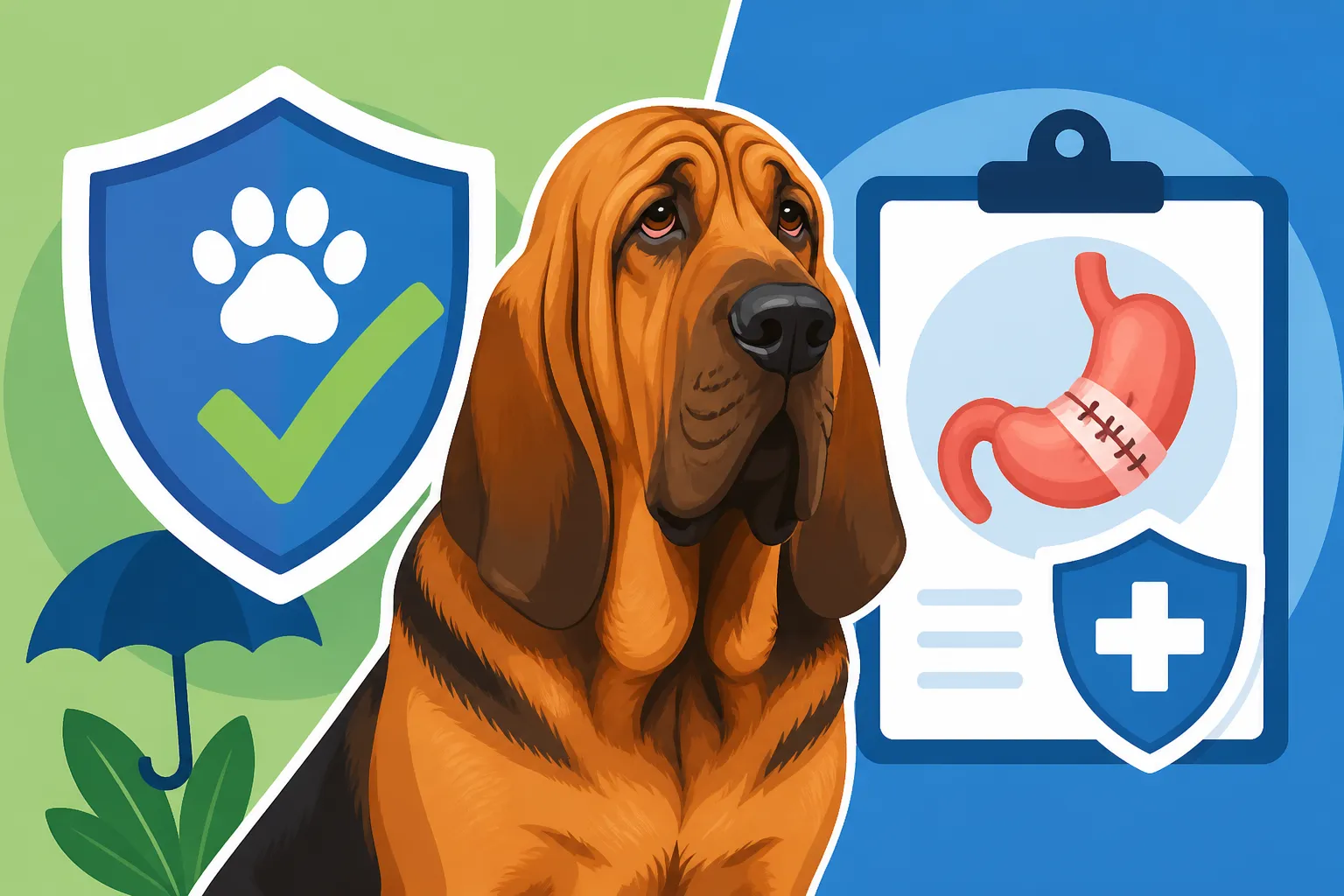
Whether a Bloodhound’s Gastropexy Is Covered by Insurance
The sheer thought of your beloved Bloodhound needing a major surgery is enough to make any owner's heart sink, and when that surgery is a gastropexy, the financial worry often compounds the emotional stress. Many of us grapple with the question of whether pet insurance, a supposed safety net, will actually step up and cover this critical procedure. This guide aims to clear up the confusion surrounding insurance coverage for your Bloodhound's gastropexy, whether it's a planned preventative measure or an emergency.
Understanding Gastropexy and Bloat in Bloodhounds
As Bloodhound owners, we live with the constant, nagging fear of bloat, medically known as Gastric Dilatation-Volvulus (GDV). It's a terrifying, rapidly progressing condition where the stomach fills with gas and often twists, cutting off blood supply and quickly becoming life-threatening. The deep, narrow chest shape of our Bloodhounds makes them particularly susceptible to this silent killer.
Why Gastropexy is a Critical Decision for Bloodhound Owners
Gastropexy is a surgical procedure that permanently tacks the stomach to the abdominal wall. The goal isn't to prevent bloat entirely – your dog's stomach can still fill with gas – but to prevent the far more dangerous twisting (volvulus) that turns bloat into an immediate emergency. For a breed like the Bloodhound, whose anatomy places them at such high risk, The Gastropexy Decision Every Bloodhound Owner Faces is one of the most important discussions you'll have with your vet. It's truly about preventing a sudden, agonizing death.
You might hear about two main approaches to this surgery. There's the traditional open gastropexy, which involves a larger incision, and then there's the less invasive laparoscopic gastropexy. The laparoscopic method uses small incisions and a camera, often leading to a quicker recovery time, but it's not always available or suitable for every dog. Owners often weigh up whether a Laparoscopic Gastropexy is the right choice for their individual hound.
The Looming Threat of Bloat
It's hard to overstate just how quickly bloat can become fatal. Bloat Is What Kills Most Bloodhounds, and the statistics are grim. Many Bloodhound owners know someone who has lost a dog to bloat, often without warning. The unique conformation of our hounds means their stomach has more room to swing and twist, making them prime candidates for GDV. Understanding Why a Bloodhound's Chest Shape Causes Bloat really drives home the importance of being proactive.
The reality is, a gastropexy offers immense peace of mind. While it doesn't eliminate all risk of digestive upset, it drastically reduces the chance of the most severe, deadly outcome. Knowing that your hound's stomach is secured can allow you both to live a little more freely, without every burp or cough sending you into a panic.
How Pet Insurance Handles Surgical Procedures
Pet insurance can be a lifesaver, especially for a breed prone to specific health issues and costly emergencies like Bloodhounds. However, it's not a "one size fits all" solution, and understanding the nuances of your policy is absolutely critical before you need to use it. Many owners discover the limitations only when faced with a hefty vet bill, which is precisely when you want the most clarity and least stress.
The Different Types of Coverage
Generally, pet insurance policies fall into a few categories:
- Accident-Only Plans: These are usually the most basic and cheapest, covering injuries from accidents like broken bones or car-related incidents. They typically do not cover illnesses or preventative procedures.
- Accident & Illness Plans: This is the most common type of comprehensive coverage, designed to help with unexpected veterinary costs from accidents (like the scenarios above) and illnesses such as infections, cancer, or yes, emergency bloat. These plans usually cover diagnostics, treatment, and surgery.
- Wellness Plans or Riders: These are often add-ons to accident and illness policies, or sometimes standalone plans offered by some providers like Chewy or Ollie. They're specifically designed to cover routine care like vaccinations, annual check-ups, and sometimes preventative procedures. This is where preventive gastropexy might find coverage.
When you're looking at policies, it's vital to read the fine print. Don't assume anything. Many companies, including those you might see advertised like Healthy Paws, clearly outline what's included and excluded in their policies. You need to know What Insurance Will and Will Not Cover on a Bloodhound specific to your chosen plan.
The Dreaded "Pre-Existing Condition" Clause
This is where things can get tricky and cause a lot of frustration for pet owners. Nearly all pet insurance policies have a "pre-existing condition" exclusion. This means if your Bloodhound showed signs or symptoms of a condition before your policy's waiting period ended, that condition (and any related issues) will likely not be covered.
For a gastropexy, this is a huge consideration. If your Bloodhound has already experienced a bloat episode before you enroll in insurance or before your waiting period is up, a subsequent bloat emergency (or even a preventative gastropexy if it's then deemed "related" to the prior incident) might be denied coverage. This is why getting insurance early in your Bloodhound's life, ideally as a puppy, is often recommended.
Deductibles, Reimbursement, and Annual Limits
Beyond what's covered, you also need to understand how much you'll actually pay out of pocket.
- Deductible: This is the amount you have to pay upfront before your insurance starts to reimburse you. It might be an annual deductible or per incident. Choosing The Deductible a Bloodhound Owner Should Choose can significantly impact your monthly premium and your out-of-pocket costs at the time of an event.
- Reimbursement Rate: After your deductible is met, the insurance company will reimburse a percentage of the eligible vet bill. Common rates are 70%, 80%, or 90%. So, if you have an 80% reimbursement rate, you're still responsible for 20% of the bill after the deductible.
- Annual Limit: Most policies have a maximum amount they will pay out in a policy year. For a costly surgery like an emergency bloat, this limit can be a major factor. Make sure the limit is high enough to cover potential worst-case scenarios for your breed.
Whether a Bloodhound's Gastropexy Is Covered by Insurance
Now, let's get down to the brass tacks of gastropexy coverage, as this is often the most confusing part for Bloodhound owners. The answer isn't a simple yes or no; it depends heavily on the type of gastropexy and your specific policy details.
Coverage for a Preventative Gastropexy
This is the scenario most Bloodhound owners aim for: getting the gastropexy done before an emergency occurs. Many breeders even suggest scheduling it alongside a spay or neuter. However, preventative procedures are generally not covered by standard accident and illness pet insurance policies. Why? Because they're considered elective, routine care designed to prevent an issue, not treat an existing one.
- Wellness Plans are Key: If you want insurance to cover a preventative gastropexy, you typically need a policy with a specific wellness rider or plan that explicitly lists preventative surgeries or elective procedures as covered benefits. These plans are designed for predictable costs. When exploring options, check if providers like Healthy Paws or other major insurers offer wellness add-ons that include this.
- Timing is Everything: Even with a wellness plan, there might be waiting periods. You'll need to confirm that the gastropexy falls within the eligible timeframe after your policy starts and before any potential claim for bloat might arise.
The cost of a preventative gastropexy is certainly an investment, but many owners consider it invaluable. It's often debated Whether a Gastropexy Pays for Itself on a Bloodhound by avoiding the much higher cost of emergency surgery. Many Bloodhound owners opt to handle the cost of a preventative gastropexy out-of-pocket, as a calculated health investment, rather than relying on an insurance policy that might not cover it. Some even wonder Whether a Bloodhound Owner Should Bank the Gastropexy Savings if they forgo insurance.
Coverage for Emergency Gastropexy (Bloat Surgery)
This is a different story. If your Bloodhound suffers an acute bloat episode that requires emergency surgery, and a gastropexy is performed as part of that life-saving intervention, then this procedure is generally covered by a comprehensive accident and illness policy. This is because it's no longer a preventative, elective surgery but a critical part of treating an emergency illness.
- The Pre-Existing Hurdle: The critical caveat here, again, is the pre-existing condition clause. If your Bloodhound had symptoms of bloat or was diagnosed with bloat before your policy's waiting period was over, even an emergency gastropexy might be denied. This is why having insurance in place long before any health issues arise is so important for Bloodhounds.
- Comprehensive Coverage is a Must: An accident-only plan would almost certainly not cover emergency bloat surgery because it's considered an illness. You need a robust accident and illness plan to have any hope of coverage for this life-threatening event.
The cost of emergency bloat surgery is astronomical, often involving overnight intensive care. What Emergency Bloat Surgery Costs on a Bloodhound can easily run into thousands of dollars, making insurance coverage truly vital in these frantic moments. It’s important to remember that Whether a Bloodhound's Bloat Surgery Includes the Gastropexy is usually the case, as vets will perform the tacking to prevent recurrence.
Factors Influencing Coverage Decisions
Beyond the type of gastropexy and the pre-existing clause, other factors can influence an insurer's decision:
- Age of Your Bloodhound: Some policies have age limits for new enrollments, or premiums might increase significantly as your dog ages. Getting coverage early is a smart move. Whether a Bloodhound's Premium Climbs After Six is a common concern for owners.
- Waiting Periods: All policies have waiting periods (e.g., 14 days for illness, a few days for accidents) before coverage kicks in. This prevents people from buying insurance only when their pet is already sick.
- Specific Breed Exclusions: While rare for gastropexy specifically, some breeds have exclusions for certain genetic conditions. Always confirm your Bloodhound's specific risks are covered.
This table provides a general overview, but always, always refer to your specific policy documents.
| Scenario | Typical Accident & Illness Policy Coverage | Typical Wellness Plan/Rider Coverage |
|---|---|---|
| Preventative Gastropexy | No (considered elective) | Yes (if explicitly listed) |
| Emergency Bloat Surgery | Yes (if not pre-existing) | No (not routine care) |
| Pre-Existing Bloat | No | No |
Navigating Insurance Claims and Costs
Even with a good insurance policy, dealing with a vet emergency and then a claim can feel overwhelming. Being prepared can alleviate some of that stress. Remember, even with coverage, Whether a Bloodhound's Costs Arrive on a Schedule or suddenly, an emergency fund is always a good idea.
Pre-Approvals for Preventative Procedures
If you're planning a preventative gastropexy and believe your wellness plan should cover it, always get a pre-approval from your insurance provider. This means submitting the proposed treatment plan from your vet to the insurer before the surgery. It might take a few days, but it provides written confirmation of what will be covered and helps avoid unwelcome surprises on your bill. Without it, you might find yourself arguing over eligibility after the fact.
Your veterinarian's office is often well-versed in working with various insurance companies and can help you submit the necessary paperwork. Don't hesitate to ask them for assistance.
What to Do in an Emergency Bloat Situation
When bloat strikes, minutes count. You won't have time for pre-approvals. Your priority is getting your Bloodhound to an emergency vet immediately. The Half Hour a Bloating Bloodhound Has is a stark reality. In this scenario, focus on your dog's care. Pay the emergency clinic as required, then gather all documentation for your claim later. This includes itemized invoices, vet notes, and diagnostic results.
- Communicate with the Vet: Let the emergency vet know you have pet insurance. While they generally don't deal directly with the insurer in real-time (you usually pay upfront and get reimbursed), they can ensure all necessary documentation is prepared for your claim.
- Submit Your Claim Promptly: Once your Bloodhound is stable and you're home, submit your claim to your insurance provider as quickly as possible. Most companies have online portals, or you can mail in forms. Prompt submission helps streamline the process.
Managing Out-of-Pocket Expenses
Even with insurance, you'll still have out-of-pocket costs due to deductibles and reimbursement rates. For an emergency bloat surgery, these can still be substantial. What a Bloodhound's Night in Intensive Care Costs alone can be a shock. Make sure you understand your policy's limits. Some insurance companies, like Healthy Paws, offer flexible deductibles and reimbursement rates, allowing you to tailor your plan to your budget and risk tolerance.
Consider setting aside an emergency fund specifically for pet care. This fund can cover your deductible, the percentage not reimbursed, or any expenses not covered by your policy. Whether a Bloodhound Owner Should Have an Emergency Fund is a question many owners wish they'd answered with a resounding "yes" before an emergency hit. You might also want to look into providers like Ollie or Chewy for pet food subscriptions that offer discounts, freeing up a little extra cash for potential vet bills.
Choosing the Right Pet Insurance for Your Bloodhound
Given the breed's predispositions, choosing the right pet insurance for your Bloodhound is paramount. Don't just pick the cheapest option; look for value and comprehensive coverage where it counts.
Key Questions to Ask Potential Insurers
When comparing policies, keep these questions in mind, especially regarding gastropexy and bloat:
- Do you cover preventative gastropexy? If so, is it part of a standard plan or an optional wellness rider?
- What are the waiting periods for accidents and illnesses?
- What is your policy on pre-existing conditions? Can you provide specific examples relevant to bloat?
- What are the deductibles, reimbursement rates, and annual limits? Are there options to adjust these?
- Do you have any breed-specific exclusions for Bloodhounds or conditions common to them (like bloat, hip dysplasia, or eye issues)?
- How easy is the claims process? Do you offer direct payment to vets, or is it always a reimbursement model?
Considering the Long-Term Investment
For a Bloodhound, pet insurance isn't just about covering random accidents; it's about mitigating the significant risks inherent to the breed. The costs of a Bloodhound's care, particularly surgical interventions like gastropexy, can be staggering. The Two Surgeries a Bloodhound Owner Should Expect often include bloat or its prevention, and eyelid surgery. Investing in a robust pet insurance policy when your Bloodhound is young and healthy can save you immense financial and emotional distress down the line. It offers peace of mind that you can make medical decisions based on what's best for your beloved companion, rather than solely on what you can afford at a moment's notice.
Disclaimer
This article is for general informational purposes only and does not constitute professional advice. Laws, prices and regulations vary by location and change over time. Consult a qualified professional for guidance on your specific situation.