What an American Bloodhound Club Trailing Test Entry Costs
If you've ever watched a Bloodhound follow a cold trail with unwavering focus, you know their nose is a marvel. Naturally, many owners feel a pull to harness this incredible instinct, perhaps even considering an American Bloodhound Club (ABC) Trailing Test. But let's be real, the world of dog sports and official tests can feel like navigating a maze, especially when it comes to understanding the financial commitment. This guide aims to thoroughly break down the various costs involved in entering and successfully participating in an ABC Trailing Test, helping you budget wisely for this deeply rewarding activity with your hound.
Understanding the American Bloodhound Club Trailing Test
For many Bloodhound owners, the ultimate goal isn't just a well-behaved pet; it's a partner whose innate abilities are recognized and celebrated. The American Bloodhound Club (ABC) offers a structured way to do just that, through their official Trailing Tests. These aren't just fun games in the park; they are rigorous evaluations designed to demonstrate a Bloodhound's natural scenting ability and its handler's skill.
What an ABC Trailing Test Entails
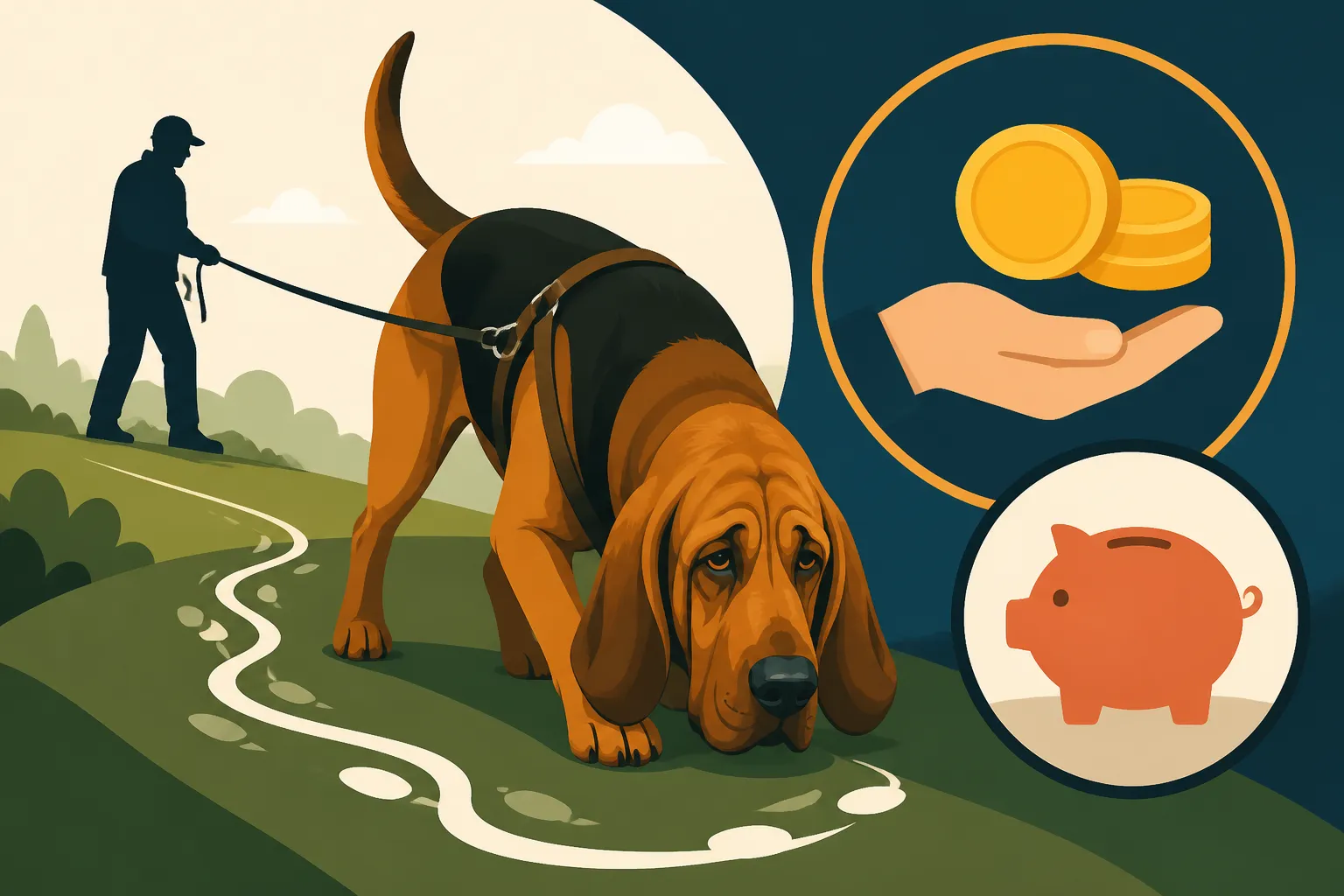
An ABC Trailing Test is essentially a formal assessment of a Bloodhound's ability to follow a human scent trail. These trails are laid by a designated "quarry" (the person whose scent the dog will follow) a certain amount of time before the dog and handler begin. The complexity of the trail, its age, and the environmental conditions vary depending on the specific test level. Handlers work their dogs on a long line, guiding them and interpreting their subtle cues as the Bloodhound works its magic. It's a true partnership, showcasing both the dog's genetics and the extensive training and bond between dog and handler. The goal is for the Bloodhound to successfully locate the quarry at the end of the trail, demonstrating its undeniable scenting prowess.
Why Owners Enter These Tests
There are myriad reasons why a Bloodhound owner might decide to enter an ABC Trailing Test. For some, it's about personal achievement and proving their dog's capabilities. For others, it's a deeper connection to the breed's history and purpose. Bloodhounds were bred for this work, and providing them with an outlet for their extraordinary nose is incredibly enriching for the dog. Think about it: a Bloodhound living without a scenting outlet is like a highly intelligent person without a job – they might find other, less desirable, ways to entertain themselves. These tests provide a constructive, challenging, and mentally stimulating activity. Plus, achieving a title, like a Trailing Dog (TD) or Trailing Dog Excellent (TDX), is a wonderful recognition of the hard work and dedication poured into the partnership. It's not just a piece of paper; it's a testament to the journey you've shared.
The Levels and Structure of the Tests
The ABC Trailing Tests are designed with increasing levels of difficulty, allowing teams to progress as their skills develop. Typically, there are foundational levels, often referred to as Trailing Dog (TD) and Trailing Dog Excellent (TDX), and sometimes more advanced distinctions. The TD test involves a shorter, less aged trail, often with fewer turns and obstacles. As you advance to TDX, the trails become longer, much older, include more changes in terrain, and present greater challenges like road crossings or varied scent conditions. Each level has specific requirements, from the length of the trail (measured in yards) to the age of the scent (how long since the quarry walked it) and the type of environment (urban, suburban, rural). Passing these tests requires consistent, dedicated training and a deep understanding of your dog's working style. If you're curious about the ultimate goals, you might want to read What an American Bloodhound Club Trailing Title Requires.
Direct Entry Fees for ABC Trailing Tests
When you finally decide to take the plunge and enter your Bloodhound in an official ABC Trailing Test, the first direct cost you'll encounter will be the entry fee itself. This fee covers the administrative aspects of running the test, including judging, field rental, and other overheads. It's important to understand that these aren't static figures and can vary based on several factors.
The Standard Entry Fee Structure
Generally, the American Bloodhound Club, or the local club hosting the event on their behalf, will publish an "event premium" or information packet well in advance. This document is your go-to source for all the official details, including the entry fees. While I can't provide exact figures, you should expect a fee that reflects the specialized nature of the event and the resources required. These fees are usually per dog, per entry, and will differ based on the level of the test – a Trailing Dog (TD) entry might be a bit less than a Trailing Dog Excellent (TDX) entry, simply because the advanced tests often require more extensive resources, such as larger land areas and longer judging times. These fees are a standard part of participating in any official canine event, covering the operational costs of making these tests possible.
Factors Influencing the Test Fee
Several variables can influence the cost of a trailing test entry. Location, for instance, plays a significant role; a test held in an area with higher land rental costs or fewer available large tracts of land might have slightly higher fees to compensate. The number of entries accepted per test day can also affect pricing – if a test is limited to a small number of teams, the per-entry fee might be adjusted to cover fixed costs. Additionally, whether the event is part of a larger, multi-day specialty event or a standalone trailing test can impact the fee structure. Sometimes, if the club is using a particularly specialized or expansive venue, or bringing in judges from a long distance, those costs will be factored into the overall entry fee. Always consult the specific premium for the event you are interested in.
Additional Fees You Might Encounter
Beyond the base entry fee, there can be a few other charges that crop up. Late entry fees are a common one; if you miss the initial closing date, you might still be able to enter, but expect to pay a premium for the administrative hassle. Some events might offer "day-of" entries if space allows, but again, these often come at a higher rate. If you're not an ABC member, some events might have a slight non-member surcharge, so considering club membership if you plan to be active is a good idea. Sometimes, an event might offer optional items like commemorative t-shirts or specific training materials for purchase, which are, of course, entirely up to you. It's wise to read through the entire premium carefully to avoid any surprises, ensuring you understand the full financial commitment before you send in that entry form.
Preparatory Costs Leading Up to a Trailing Test
Deciding to enter an ABC Trailing Test isn't just about paying an entry fee; it's about a journey of preparation that involves significant time, effort, and, yes, financial investment. Before you ever get to the starting line of an official test, you'll likely have spent considerable resources on getting your Bloodhound, and yourself, ready.
Training Equipment and Supplies
Successful trailing requires specialized equipment. First and foremost, you'll need a proper trailing harness and a long line. Forget the everyday walking collar; a harness distributes pressure evenly across your dog's chest, preventing injury and signaling "work time." Long lines, typically 15 to 30 feet or even longer, are crucial for allowing your dog to work out ahead of you while maintaining control. You can explore What a Mantrailing Harness and Long Line Cost to get a better idea. Beyond that, you'll need a variety of scent articles for training – things that carry the quarry's scent without being contaminated by your own. These could be articles of clothing, gloves, or specific scent pads. Don't forget high-value rewards for your Bloodhound when they make a successful find; whether it's their favorite squeaky toy, a robust tug, or a special treat from a brand like Ollie, these motivators are key to positive reinforcement. Other useful supplies include water for your dog, a first-aid kit, and durable boots for yourself, as you'll be covering varied terrain.
Formal Training and Mentorship
While some handlers have the experience to train their Bloodhound independently, most benefit immensely from formal training classes, workshops, or one-on-one mentorship with experienced trailing handlers. This is arguably the most significant preparatory cost. A good instructor can teach you how to read your dog, how to lay effective training trails, and how to troubleshoot common trailing challenges. These can range from weekend seminars to ongoing weekly classes. The cost of these programs can vary widely depending on the instructor's experience, the duration, and the location. Investing in quality instruction not only shortens your learning curve but also prevents you from inadvertently instilling bad habits that are tough to break later. For those truly dedicated, attending a specialized trailing seminar, as discussed in What a Mantrailing Seminar Costs a Bloodhound Owner, can be invaluable. Many handlers also form informal training groups, splitting the cost of travel and sometimes even a shared instructor or rented space, making the financial burden more manageable.
Travel and Accommodation for Training
Unless you are incredibly fortunate to live on a vast property perfectly suited for trailing, you will inevitably incur travel costs for training. Trailing requires diverse environments: fields, woods, suburban streets, and sometimes even urban landscapes. This means driving to various locations, often outside of your immediate neighborhood, to expose your dog to different scenting challenges and distractions. Gasoline, vehicle wear and tear, and sometimes even tolls add up. If you attend weekend workshops or travel to train with a specific mentor, you might also face accommodation costs for overnight stays. These expenses are often overlooked when people first consider entering trailing, but they are a very real part of the commitment to serious preparation. Training isn't just about the time you spend on the trail; it's about getting to the trail, and that often means significant mileage.
Logistical Expenses for Test Day
The actual day of the ABC Trailing Test itself brings its own set of logistical challenges and associated costs. While the entry fee covers your participation, it certainly doesn't cover everything else required to get you and your Bloodhound to the starting line ready to perform.
Travel to the Test Location
Just like with training, travel to the actual test location is a primary expense. Tests are not always held in your backyard; they can be several hours' drive away, or even across state lines. This means calculating fuel costs for the round trip, and potentially factoring in vehicle maintenance. You might need to take time off work, which can represent lost income, especially if the test is held during the week. Consider the mileage on your vehicle and the wear and tear from traveling to potentially remote or rugged locations. Sometimes, handlers will carpool to share costs, but often, the schedule and individual needs make this challenging. Planning this aspect in advance is crucial to avoid last-minute stress.
Accommodation and Sustenance During the Event
For tests that are far from home or span multiple days, you'll need to factor in accommodation. This could mean a dog-friendly hotel or motel, or even camping if the venue allows and you're inclined. Remember, not all accommodations are equally welcoming to large dogs like Bloodhounds, so booking well in advance and confirming pet policies is essential. Beyond lodging, you'll need to consider food for both yourself and your dog. Bringing your dog's regular food, perhaps from a trusted supplier like Chewy, is important to avoid stomach upset on test day. Pack snacks and drinks for yourself to keep your energy up during what can be a long day of waiting and working. Don't forget water for your dog, especially if you're working in warmer weather; a working Bloodhound will need plenty of hydration before, during, and after its trail.
Miscellaneous Day-Of Expenses
On the day of the test, there can be a surprising array of smaller, miscellaneous expenses that add up. These might include parking fees, small purchases at the event venue (like coffee or an extra bottle of water), or perhaps even a celebratory meal afterwards if you pass! If you're traveling with a support person or another family member, their costs for food and entertainment will also need to be considered. Sometimes, unexpected issues arise, like a forgotten piece of equipment that needs to be purchased locally at a premium, or a minor vet visit if your dog steps on something during a warm-up. While you can't predict every single expense, having a small contingency fund set aside for test day can save a lot of headaches. It's about being prepared for anything that might crop up when you're away from your usual resources.
Long-Term Investments for a Trailing Bloodhound
Committing to ABC Trailing Tests isn't a one-off payment; it's an ongoing investment in your Bloodhound's health, training, and your shared journey. Beyond the direct test fees and day-of expenses, there are broader, long-term costs associated with owning and actively working a Bloodhound in scent sports.
Health and Conditioning Needs
A Bloodhound that regularly works on trails needs to be in peak physical condition. This means consistent, high-quality nutrition – perhaps a specialized large-breed formula, or fresh food options like Ollie, to support their energy levels and joint health. Regular veterinary check-ups are paramount, not just for general wellness, but to ensure your dog is fit for the demands of trailing. Think about joint supplements, regular nail trims, and meticulous ear care, as a Bloodhound's ears are prone to infection, especially when working in damp or dusty environments. Physical conditioning, like regular walks and controlled exercise, is also an ongoing "cost" in terms of time and effort. Considering pet insurance, such as through Healthy Paws, can be a wise investment for a working dog, helping to mitigate the financial impact of unexpected injuries or illnesses that could sideline your trailing partner. After all, a healthy dog is a working dog, and preventing issues is always less costly than treating them. For more on this, you might explore Whether a Working Bloodhound Is Leaner Than a Show One.
Club Membership and Continued Education
If you plan to be seriously involved in ABC Trailing Tests, becoming a member of the American Bloodhound Club and possibly a local affiliate club is a natural progression. Membership fees contribute to the club's ability to host events, advocate for the breed, and provide educational resources. Beyond official club memberships, many dedicated handlers continue their education by attending advanced seminars, webinars, or specialized clinics focused on specific trailing challenges, scent theory, or canine behavior. This continuous learning helps you refine your handling skills and deepen your understanding of your dog's capabilities. It's an investment in yourself as a handler, which directly benefits your Bloodhound's performance and your overall success as a team. This commitment to ongoing learning ensures you stay at the forefront of best practices in the trailing world.
Unexpected Costs and Emergency Preparedness
Despite the best planning, life with an active Bloodhound always holds the potential for the unexpected. A sudden injury during training, an unforeseen illness, or even equipment damage can present immediate financial needs. This is where having an emergency fund or robust pet insurance becomes critically important. Imagine your dog developing an issue after a strenuous trail – without proper financial planning, these situations can be incredibly stressful. Furthermore, for a breed prone to specific health concerns like bloat (gastric dilatation-volvulus), as discussed in Bloat Is What Kills Most Bloodhounds, being prepared for emergency medical care is not just advisable, it's essential. This means having savings, a line of credit, or insurance ready to go. You can't put a price on your dog's life, but you can certainly prepare for the costs associated with keeping them safe and healthy. Thinking proactively about Whether a Bloodhound Owner Needs an Emergency Fund is a crucial part of responsible ownership, especially for those engaging in demanding activities.
Here's a quick overview of potential cost categories for ABC Trailing Tests:
| Cost Category | Description | Frequency |
|---|---|---|
| Test Entry Fee | Official fee to enter a specific ABC Trailing Test. | Per test entry |
| Training Classes/Seminars | Professional instruction for handler and dog. | Ongoing/As needed |
| Training Equipment | Harness, long lines, scent articles, rewards. | Initial, then replacement |
| Travel (Training & Test) | Fuel, vehicle maintenance, tolls for getting to training spots and tests. | Ongoing |
| Accommodation (Training & Test) | Hotels/motels, camping fees for overnight stays. | As needed |
| Food & Supplies | High-quality dog food, handler's food/drinks, first-aid supplies. | Ongoing |
| Club Memberships | Annual dues for ABC and local Bloodhound clubs. | Annually |
| Veterinary Care | Regular check-ups, supplements, emergency fund, pet insurance. | Ongoing |
| Miscellaneous | Parking, forgotten items, contingency for unexpected issues. | As needed |
Disclaimer
This article is for general informational purposes only and does not constitute professional advice. Laws, prices and regulations vary by location and change over time. Consult a qualified professional for guidance on your specific situation.