What a Mantrailing Harness and Long Line Cost
Starting your Bloodhound on the incredible journey of mantrailing is an exciting prospect, full of anticipation for the bond you'll build and the amazing things your dog will accomplish. But before you even hit your first trail, you're faced with the practical reality of equipment: what do you need, and what's it actually going to cost? It's easy to feel overwhelmed by the sheer volume of choices out there, from different types of harnesses to varying lengths of long lines, all with price tags that can range dramatically. This guide is here to break down the expenses associated with outfitting your Bloodhound for mantrailing, offering a realistic look at what you can expect to spend and why certain choices might make more sense in the long run.
Why Specialized Equipment Matters for Bloodhound Mantrailing
When you're dealing with a scent hound as powerful and driven as a Bloodhound, standard leashes and collars simply won't cut it for serious trailing work. Their incredible noses mean they are utterly consumed by a scent, often to the exclusion of everything else, including your commands. This isn't stubbornness; it's instinct, and it requires equipment designed to keep both handler and dog safe, effective, and comfortable during intense trailing sessions. Using the wrong gear can lead to frustration, injury, and ineffective training, making the initial investment in appropriate tools not just a luxury, but a necessity.
The Problem with Standard Collars for Trailing
Imagine your Bloodhound, nose to the ground, pulling with all its might on a flat buckle collar. Not only is this uncomfortable for your dog, putting immense pressure on its trachea and potentially causing damage, but it also gives you very little control. A Bloodhound's neck is thick and strong, and they can easily pull through even a sturdy flat collar if they're determined to follow a trail. Furthermore, the risk of slipping out of a collar, especially if they back up or twist, is very real, and a lost Bloodhound on a scent is a nightmare scenario. You certainly don't want to be in the middle of a trail, miles from home, with your dog unexpectedly loose.
Beyond the physical discomfort and safety concerns, a collar signals everyday walks to a dog. For mantrailing, you want a clear distinction between casual strolls and serious work. Donning a specific harness for trailing becomes a powerful cue for your Bloodhound, helping them understand that it's time to "turn on" their working brain. This mental shift is crucial for focus and performance, and the consistent use of dedicated gear helps solidify that understanding.
Why a Long Line, Not a Retractable Leash
Another common misconception is that a retractable leash offers the same freedom as a long line. Nothing could be further from the truth, especially for a Bloodhound in training. Retractable leashes are designed for casual walks where the dog stays relatively close, offering a variable length but with constant tension. This constant tension is counterproductive for scent work, as it teaches the dog to pull against resistance rather than to move freely and independently. The sudden jerks and stops from a retractable leash can also injure your Bloodhound's neck or back, and they are notoriously prone to failure when a large, powerful dog hits the end of the line.
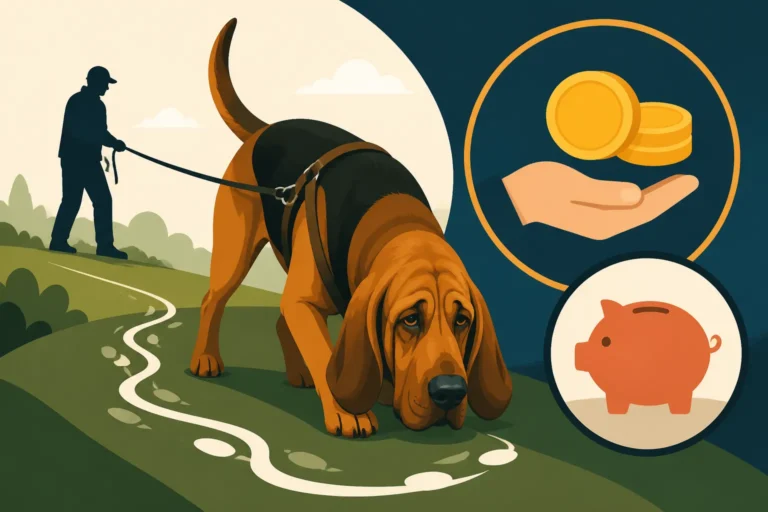
A long line, by contrast, offers consistent length and allows your Bloodhound to range far from you without feeling constrained. The handler manages the slack, allowing the dog to follow scent without interruption, while still maintaining control. This allows your Bloodhound to investigate divergent scent pools, work through obstacles, and follow the nuanced path of human scent, which is rarely a straight line. Without the right long line, your Bloodhound's natural trailing ability will be stifled, and you'll miss out on seeing their incredible potential unfold. You'll soon discover Why a Bloodhound Works on a Long Line, Not a Collar.
Deconstructing Harness Costs for Bloodhounds
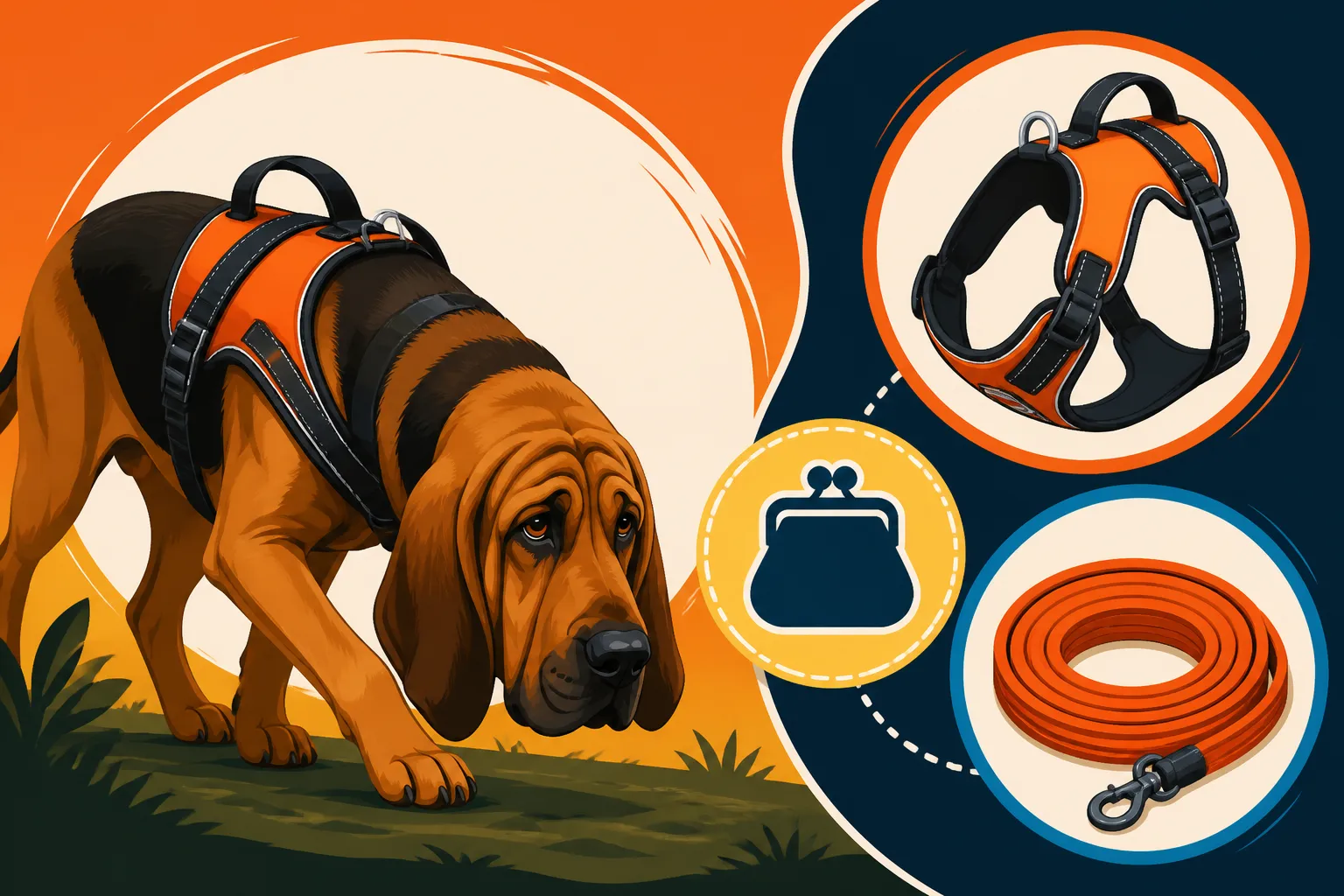
The harness is arguably the most critical piece of equipment for mantrailing. It needs to be comfortable, durable, and designed to distribute pressure safely across your Bloodhound's chest and shoulders, rather than their neck. There's a wide range of options, and their cost will vary based on material, brand, and specialized features. For a Bloodhound, you'll typically be looking at a larger size, which can sometimes come with a slightly higher price point.
Types of Mantrailing Harnesses
When you start looking for a mantrailing harness, you'll encounter a few main types, each with its own advantages and price range. The most common and recommended styles for Bloodhounds are Y-front harnesses or those with a broad chest plate, specifically designed for pulling comfort. Avoid harnesses that restrict shoulder movement or have thin straps that could dig into your dog's skin.
- Standard Nylon Y-Front Harnesses: These are often the most affordable entry point. Made from durable nylon webbing, they are lightweight, easy to clean, and come in many sizes. They typically feature a Y-shape across the chest to allow for unrestricted shoulder movement, and a clip on the back for the long line. Expect to find good quality nylon harnesses that are sturdy enough for a Bloodhound.
- Padded or Fleece-Lined Harnesses: These are a step up in comfort, especially for Bloodhounds who might spend hours on a trail. Padding, often fleece or neoprene, is added to the straps that go across the chest and under the belly, preventing chafing and ensuring a snug, comfortable fit. While slightly more expensive, the added comfort can make a huge difference in your dog's willingness to work for extended periods. Given the Bloodhound's loose skin, minimizing friction points is a big plus.
- Specialized Trailing Harnesses: Some brands offer harnesses specifically marketed for tracking or pulling work. These often feature wider straps, multiple adjustment points for a custom fit, and sometimes even reflective stitching for low-light visibility. They are typically made from highly durable materials and are built to withstand the rigors of serious scent work. These might be a bigger investment upfront but can last for years of dedicated use. The brand selection here can be vast, from smaller artisan makers to larger pet supply companies available through retailers like Chewy.
Factors Influencing Harness Price
Several elements contribute to the final price tag of a Bloodhound's mantrailing harness. Understanding these can help you decide where to splurge and where you might save a little without compromising quality or safety.
- Materials: High-quality, durable materials like military-grade nylon, thick strapping, and robust metal hardware (like stainless steel or brass clasps and D-rings) will naturally cost more than cheaper alternatives. While it might be tempting to save money on a thinner, flimsier harness, it's a false economy for a powerful breed like a Bloodhound. A cheap harness can break, fray, or cause discomfort, leading to replacement costs and potential training setbacks.
- Brand Reputation: Established brands known for producing high-quality working dog gear often have higher prices. This is often due to superior design, rigorous testing, and better customer support. While you don't always need the most expensive brand, researching reputable options recommended by other Bloodhound owners or professional handlers is a wise move.
- Features and Adjustability: A harness with multiple points of adjustment (neck, chest, belly) allows for a truly custom fit, which is crucial for comfort and preventing escapes. Extra features like reflective strips, additional attachment points for lights or cameras, or specialized padding will also add to the cost. For a Bloodhound, a good fit is non-negotiable, so prioritize adjustability over flashy extras if your budget is tight. You'll want to ensure the harness fits correctly, especially when starting a puppy on trailing, to avoid inhibiting their natural movement.
Here's a quick look at how harness types might stack up in terms of approximate cost:
| Harness Type | Key Features | Estimated Price Range | Bloodhound Suitability |
|---|---|---|---|
| Basic Nylon Y-Front | Lightweight, durable nylon webbing, back clip | Moderate | Good for beginners |
| Padded/Fleece-Lined Harness | Added comfort, anti-chafing, durable nylon | Moderate to High | Excellent for comfort |
| Specialized Trailing Harness | Wide straps, multiple adjustments, heavy-duty hardware | High | Ideal for serious work |
Note: Specific prices will vary widely by retailer and time. Always check current listings.
Investing in a Reliable Long Line
The long line is the handler's connection to the Bloodhound on the trail. It's not just a piece of rope; it's a communication tool and a safety device. Just like harnesses, long lines come in various materials, lengths, and widths, all of which impact cost and suitability for a large, strong working dog. You'll quickly see that How Long a Line a Bloodhound Handler Buys is a very important question.
Long Line Materials and Their Costs
The material of your long line significantly affects its feel, durability, and ultimately, its price. You'll want something comfortable to hold, easy to clean, and strong enough to withstand your Bloodhound's powerful pulls.
- Nylon Webbing Long Lines: These are very popular due to their durability, relative affordability, and ease of maintenance. Nylon webbing is strong, resists rot and mildew, and comes in various widths and colors. However, it can cause rope burn if it slips through your hands quickly, especially if your Bloodhound lunges. Look for lines with a comfortable hand loop or consider wearing gloves.
- Biothane Long Lines: Biothane is a fantastic material for long lines, especially for Bloodhounds. It's a coated webbing that offers the strength of nylon but with a waterproof, easy-to-clean, and odor-resistant surface. It feels like leather but without the high maintenance. Biothane lines are more expensive than nylon but are incredibly durable and resist tangling, making them a worthwhile investment for frequent use. They are particularly excellent for wet or muddy conditions, as they won't get heavy or retain water.
- Rope Long Lines (e.g., Mountain Climbing Rope): Some handlers prefer rope-style long lines, often made from materials similar to those used in mountain climbing. These can offer a good grip and absorb some shock, but they can also be heavier and more prone to tangling and picking up debris. The cost will depend on the type and diameter of the rope. While sturdy, they might not be as easy to clean as Biothane.
Length and Hardware Considerations
The length of your long line is crucial for giving your Bloodhound enough freedom to work a scent effectively. For mantrailing, lines typically range from 15 to 30 feet, or even longer in open areas. A 20-foot line is a common starting point for many. Shorter lines might be suitable for very confined urban spaces or initial training, but a longer line generally allows for more realistic scent work.
The hardware on your long line – specifically the snap clip – also matters. Look for a sturdy, reliable brass or stainless steel snap that can withstand constant pulling and won't rust. Cheap clips can bend or break, leading to a dangerous situation. A good quality snap should operate smoothly and securely. For a Bloodhound, a standard spring snap or a bolt snap is usually sufficient, but always ensure it's rated for a large, strong dog.
A typical 15-foot nylon long line might be on the lower end, while a 30-foot Biothane line with heavy-duty brass hardware will be on the higher end. Remember that the initial investment saves you from constant replacements and potential safety hazards.
Essential Accessories and Hidden Costs
Beyond the core harness and long line, there are several other items that can enhance your mantrailing experience or become necessary additions, adding to your overall financial outlay. These aren't always immediately obvious but can significantly contribute to your total budget.
Tracking Vests and Identification
While not strictly mandatory for every training session, a tracking vest can be incredibly useful. These are often brightly colored (e.g., neon orange or yellow) and can have reflective strips, making your Bloodhound highly visible to other people, especially if you're training in public parks, fields, or even urban environments. Some vests also have pockets for small items or patches that say "Working Dog" or "Do Not Disturb," signaling to the public that your dog is focused and shouldn't be approached. Given that Bloodhounds can sometimes be mistaken for just another large dog, this visual cue can be helpful.
Identification is also paramount. Beyond standard collar tags, consider having embroidered tags sewn onto the harness itself, or specialized ID tags that include your contact information and indicate that your dog is working. A lost Bloodhound on a scent can cover miles very quickly, so clear and visible identification is a must. These small additions can vary in cost but are a vital part of responsible ownership, much like considering pet insurance from providers like Healthy Paws for unexpected health emergencies.
Scent Articles and Reward Items
To start your Bloodhound on a trail, you'll need a scent article from the "victim" or person they are tracking. While you can use old t-shirts or socks, many handlers invest in scent article kits. These often include sterile bags or containers to store scent articles, preventing cross-contamination and preserving the integrity of the scent. These specialized kits can range in price, but ensure you have a reliable method for managing scent items. What a Bloodhound's Scent Article Kit Costs is a good point of reference.
Equally important are high-value reward items. Bloodhounds are incredibly food-motivated, but ordinary kibble often won't cut it when they've successfully completed a challenging trail. You'll need soft, smelly, incredibly delicious treats that your Bloodhound finds irresistible. Think cooked chicken, hot dogs, or specialty dog treats. Factor the ongoing cost of these high-value rewards into your budget, as consistent positive reinforcement is key to building a strong working relationship. Brands like Ollie, known for their fresh dog food, might offer highly palatable options that can double as super-rewards for exceptional work.
Handler Gear and Safety
Mantrailing isn't just about the dog's gear; the handler needs to be prepared too. This includes comfortable, weather-appropriate clothing and sturdy footwear, as you'll be covering varied terrain in all sorts of weather. You might also want gloves to protect your hands from rope burn when managing the long line, especially if your Bloodhound is a strong puller.
Other useful items include:
- Headlamp or Flashlight: For tracking in low light or at night.
- Water Bottle and Portable Dog Bowl: Essential for keeping both you and your Bloodhound hydrated.
- First Aid Kit: For both human and canine, for minor scrapes or injuries on the trail.
- GPS Tracker: A small, lightweight GPS device attached to your Bloodhound's harness provides an extra layer of safety, especially if they were to somehow get separated from you. These usually involve a one-time purchase fee for the device and a monthly subscription fee for the tracking service. This is a significant safety investment that many working dog owners swear by.
- Training Pouch: A convenient way to carry treats and other small items, keeping your hands free to manage the line.
These additional items can quickly add up, so it's wise to budget for them incrementally as you progress in your training.
Where to Purchase and How to Save
Once you know what you need, the next step is finding it without breaking the bank. There are various avenues for purchasing mantrailing gear, each with its own advantages and potential for savings.
Online Retailers vs. Specialty Stores
Online retailers like Chewy offer a vast selection of harnesses, long lines, and accessories from numerous brands. You can often find competitive prices, frequent sales, and the convenience of home delivery. This is a great starting point for comparing products and reading reviews from other dog owners. However, one downside is that you can't physically try the harness on your Bloodhound before buying, which can lead to returns if the fit isn't right. Always check sizing charts carefully and measure your dog accurately.
Specialty dog supply stores, particularly those catering to working or sporting dogs, might have a more curated selection and knowledgeable staff who can help you choose the right gear. While prices might be slightly higher, the ability to get expert advice and try on harnesses can be invaluable, especially for a large breed with specific fitting needs like a Bloodhound. Some local dog training clubs or search and rescue organizations might also have gear available or be able to recommend local suppliers.
Secondhand Gear and Sales
For those on a tighter budget, look for opportunities to purchase secondhand gear. Dog training groups, online marketplaces, or local pet adoption events might have gently used equipment for sale. Always inspect secondhand items carefully for wear and tear, especially buckles and stitching, to ensure they are still safe and reliable. You never want to compromise on safety for your Bloodhound to save a few dollars on a critical piece of equipment.
Keep an eye out for sales and promotions from online retailers or during major holiday shopping periods. Signing up for newsletters from your favorite pet supply stores can alert you to upcoming discounts. While it's tempting to buy the cheapest option, remember that quality and durability are key for a Bloodhound. Sometimes, spending a little more upfront on a well-made item will save you money in the long run by avoiding frequent replacements. For larger purchases, some retailers may offer payment plans, though it's always wise to understand the full cost and terms.
The True Value of Your Investment
While the costs can accumulate, remember that this isn't just a purchase; it's an investment in your Bloodhound's well-being, training, and your shared journey. High-quality gear lasts longer, provides better comfort and safety, and ultimately allows your Bloodhound to perform its best. A well-fitted harness prevents chafing and injury, and a reliable long line ensures you maintain control without hindering your dog's natural abilities.
Think of it as setting your Bloodhound up for success in their chosen "career." Whether you're training for formal certification, enjoying recreational scent work, or simply giving your dog a mentally stimulating activity, the right equipment facilitates the process. You're fostering their incredible natural talent and strengthening the bond between you. This investment also contributes to the longevity and enjoyment of your Bloodhound's working life, turning potential frustrations into rewarding experiences.
Training Costs Beyond Equipment
While this guide focuses on the physical gear, it's important to acknowledge that equipment costs are just one piece of the mantrailing puzzle. For your Bloodhound to truly excel, you'll also need to consider the cost of actual training. This can include anything from online courses and books to professional seminars and private lessons.
Mantrailing Classes and Workshops
Many Bloodhound owners find immense value in attending dedicated mantrailing classes or workshops. These are typically led by experienced instructors who understand scent theory and Bloodhound behavior. The cost of these classes can vary widely depending on the length, format (one-day workshop vs. multi-week course), and the instructor's expertise. These classes provide structured learning, invaluable feedback on your handling techniques, and opportunities for your Bloodhound to work different scenarios and learn from other dogs.
Group classes tend to be more affordable than private lessons but might offer less individualized attention. Workshops, while often more expensive per day, can provide an intensive immersion into specific aspects of trailing. Budgeting for these educational opportunities is just as important as budgeting for the physical gear, as proper instruction can make all the difference in unlocking your Bloodhound's full potential. What a Mantrailing Seminar Costs a Bloodhound Owner gives a good overview of this aspect.
Membership Fees and Travel
If you get serious about mantrailing, you might consider joining a local or national Bloodhound club or search and rescue organization. These memberships often come with annual fees but can grant you access to resources, training events, and a community of like-minded individuals. Such groups are fantastic for networking, finding training partners, and staying motivated.
Furthermore, participating in trials, advanced workshops, or even volunteer search work can involve travel expenses. Fuel, accommodation, and entry fees for trials can add up, especially if you're traveling significant distances. These are often forgotten costs when people initially consider starting mantrailing but are very real for dedicated handlers. Remember, the journey of The First Year With a Bloodhound That Already Wants to Trail is filled with learning for both of you.
Conclusion: A Worthwhile Investment in Your Bloodhound's Passion
Bringing home a Bloodhound means committing to a lifestyle that embraces their unparalleled nose and deep-seated desire to follow a scent. The cost of mantrailing harnesses and long lines, along with other essential accessories and training, is a significant part of that commitment. It’s an investment, not just an expense. When you provide your Bloodhound with high-quality, comfortable, and safe equipment, you're not just buying gear; you're equipping them to fulfill their very nature.
From the durable Biothane long line that glides through the underbrush to the perfectly fitted, padded harness that allows them to pull without discomfort, every piece of equipment contributes to a more effective and enjoyable experience for both you and your magnificent hound. These costs are a testament to the specialized needs of this incredible breed, but the rewards of watching your Bloodhound work with such intense focus and joy are truly priceless. Don't shy away from these initial investments; they are the foundation for countless hours of thrilling scent work and a deeper, more profound bond with your Bloodhound.
Disclaimer
This article is for general informational purposes only and does not constitute professional advice. Laws, prices and regulations vary by location and change over time. Consult a qualified professional for guidance on your specific situation.