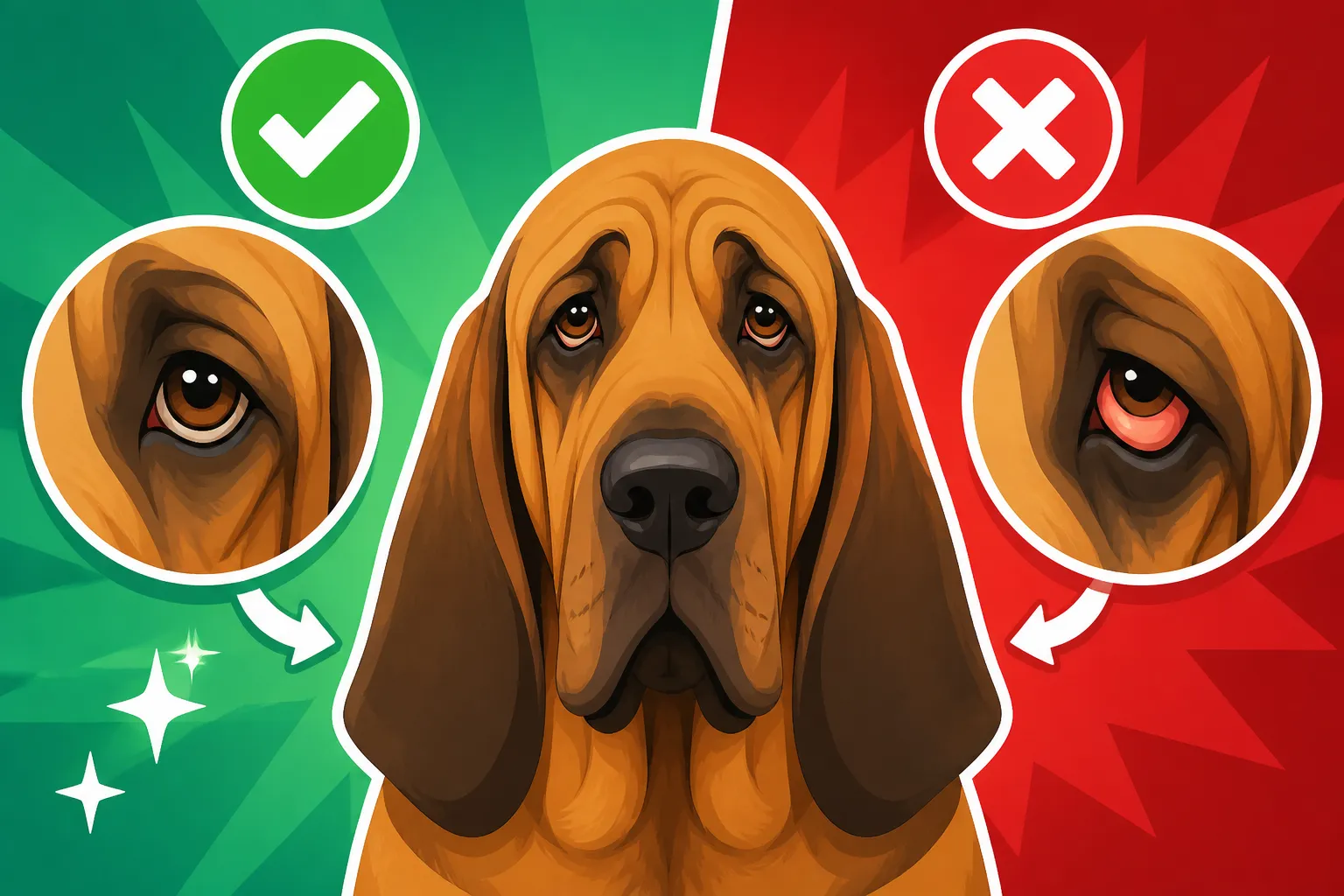
Whether a Bloodhound’s Drooping Lid Is a Defect or the Standard
That soulful, somewhat mournful gaze of a Bloodhound is undeniably captivating, often defined by those wonderfully droopy eyelids and loose facial skin. It’s a look that pulls at the heartstrings, but for many new and even experienced owners, it can also spark a nagging question: is this degree of droop normal for the breed, or is it actually a sign of an underlying health problem? This guide aims to clear up that common confusion, explaining the difference between the Bloodhound's characteristic appearance and a true medical condition.
The Bloodhound's Signature Look and Its Origins
When you gaze into a Bloodhound’s eyes, you're not just seeing an expressive face; you're looking at centuries of selective breeding that have honed their physical traits for an unparalleled sense of smell. Those distinctive features, including the unique structure of their eyes and surrounding skin, are intrinsic to their identity.
Anatomy of the Bloodhound Eye: The Loose Skin Factor
The Bloodhound's most striking feature, beyond its incredible nose, is undoubtedly its head, draped in an abundance of loose skin that forms deep wrinkles and folds, particularly around the face and neck. This isn't just for show; it's a functional adaptation. This heavy, pliable skin naturally contributes to the appearance of their eyes. The lower eyelids often hang away from the eyeball, a characteristic that exposes a portion of the conjunctiva (the pink lining of the eyelid) and sometimes even the "haw," which is their third eyelid, often more prominent than in other breeds. This exposure, in moderation, is entirely normal for a Bloodhound.
Imagine a Bloodhound lowering its head to the ground, sniffing intently. The loose skin and long ears aren't just decorative; they actually help to cup and concentrate scent molecules towards their incredibly sensitive nose. The somewhat sunken, deep-set eyes, combined with the droopy lids, offer a degree of protection from debris and thorns while the dog is pushing through dense undergrowth during a trail. It’s a design that’s been perfected over generations for the ultimate scent-tracking machine. This inherent looseness around the eyes is often the first thing people notice, leading them to question its normalcy. For a deeper dive into why their lower lid often hangs away from the eye, you might find Why a Bloodhound's Lower Lid Hangs Away From the Eye interesting.
The Breed Standard's View on Eyelid Droop
Breed standards, like those set by the American Kennel Club (AKC), specifically describe the Bloodhound's unique eye appearance. They acknowledge and even expect a certain degree of "droop" or looseness in the eyelids. The standard often refers to the eyes as being "deeply set" and "diamond-shaped," with the lower lid showing the "haw." This isn't considered a defect but a defining characteristic of the breed. It contributes to their famously solemn and dignified expression.
However, there's a critical distinction to be made. While some visibility of the conjunctiva and haw is standard, the breed standard also emphasizes that the eyelids should not be so loose as to cause actual problems for the dog. Excessive looseness leading to chronic irritation, infection, or impaired vision is generally considered a fault. A responsible breeder aims for that perfect balance: eyes that are characteristic of the breed but remain healthy and functional. It's a delicate line to walk, ensuring the aesthetic does not compromise the animal's well-being. This is why understanding the nuanced description in the breed standard is so important for owners and breeders alike.
Historical Context: Why They Look This Way
The Bloodhound's distinct appearance, including its droopy eyes, is steeped in history and function. The very traits that make them look so unique today were originally selected for their effectiveness in scent work. The deep wrinkles, the long, pendulous ears, and yes, the loose, drooping eyelids, all served a practical purpose in their traditional role as scent hounds, particularly in tracking game and, later, people.
The long ears, for instance, were believed to help sweep ground scent towards their nose. The loose facial skin was thought to help trap and hold scent around the face, further enhancing their ability to follow a trail. The droopy, somewhat sunken eyes were likely a byproduct of this overall loose skin structure, but they also offered a measure of protection for the eyes against brush and debris while the dog's head was down on a scent trail. These aren't just random genetic quirks; they are the result of centuries of breeding for specific working abilities, where form truly followed function. Over time, as the breed evolved, these traits became cemented as part of the Bloodhound's iconic look, making their unique eye structure a natural, albeit sometimes high-maintenance, part of their heritage.
Understanding Ectropion: When Drooping Becomes a Problem
While a certain amount of eyelid droop is normal and expected in a Bloodhound, there's a point where this characteristic crosses the line from breed standard to a medical condition known as ectropion. Recognizing this distinction is crucial for your dog's health and comfort.
Distinguishing Normal Sag from Clinical Ectropion
Ectropion, in a clinical sense, refers to an abnormal outward rolling or sagging of the eyelid, most commonly the lower lid, which exposes the delicate conjunctiva (the pink tissue lining the inside of the eyelid) and sometimes the third eyelid (haw) excessively. For a Bloodhound, a mild amount of this exposure is considered normal. The key difference lies in the degree of exposure and, more importantly, whether it leads to symptoms and health issues.
In a healthy Bloodhound, you might see some pink conjunctiva, and their eyes might look a little "sad" or "sleepy," but they won't typically show signs of irritation. The eye itself will remain moist and clear, without excessive discharge or redness of the eye tissue. With clinical ectropion, the sag is more pronounced. The eyelid might turn out so much that the lower rim of the lid no longer touches the eyeball, creating a pocket where debris can collect. This constant exposure dries out the sensitive tissues, making them prone to inflammation and infection. It's the difference between a natural expression and a persistent vulnerability. To truly understand what ectropion looks like on a Bloodhound, comparing photos of healthy eyes with those affected can be very illuminating.
Signs and Symptoms of Problematic Eyelid Issues
When a Bloodhound's droopy eyelids become problematic, you'll start to notice more than just the characteristic appearance. The body's natural defenses are compromised, leading to a cascade of symptoms that indicate discomfort and potential health risks. Look out for these common signs:
- Chronic Redness and Inflammation: The exposed conjunctiva becomes consistently red, swollen, and inflamed. This isn't just a slight pink tint; it's a deep, persistent redness that suggests ongoing irritation.
- Excessive Tearing (Epiphora): The eyelids can't properly distribute tears across the eye, leading to tears spilling over onto the face. This can cause tear staining on the fur below the eyes and create a perpetually damp area, which can lead to skin irritation or infection.
- Discharge: While some clear discharge can be normal, problematic ectropion often leads to an increase in thick, mucous-like, or even pus-filled discharge (yellow or green). This is a strong indicator of infection.
- Frequent Pawing or Rubbing: Your Bloodhound might constantly rub their face against furniture, carpets, or paw at their eyes, signaling irritation or pain.
- Squinting or Sensitivity to Light (Photophobia): These actions are protective responses to discomfort. If the eyes are irritated, your dog will naturally try to keep them closed or shield them from bright light.
- Recurrent Eye Infections: The exposed tissue is a perfect breeding ground for bacteria and yeast, leading to repeated bouts of conjunctivitis.
- Corneal Ulcers: This is a more serious complication. If the cornea (the clear outer layer of the eye) becomes too dry or is constantly irritated by foreign particles, it can develop painful ulcers. Signs a Bloodhound has a corneal ulcer include intense squinting, refusal to open the eye, cloudiness of the cornea, and visible pain. This is an emergency and requires immediate veterinary attention.
If you observe any of these symptoms, it's a clear signal that your Bloodhound's droopy lids are causing more than just a characteristic look; they're causing a health issue. Early detection and intervention can prevent minor issues from escalating into severe, painful conditions.
Potential Health Risks Associated with Excessive Droop
Leaving ectropion unaddressed can lead to a host of significant health problems for your Bloodhound. It's not just about aesthetics; it's about the chronic discomfort and potential for irreversible damage to their vision.
Firstly, the constant exposure of the conjunctiva to environmental irritants like dust, pollen, and even dry air leads to chronic inflammation, known as conjunctivitis. This can be painful and reduce your dog's quality of life, requiring ongoing medication. Think about how uncomfortable your eyes feel with a bit of dust in them – now imagine that feeling, day in and day out.
Secondly, the improper spreading of the tear film across the eye due to the sagging lid can lead to dry eye syndrome (keratoconjunctivitis sicca or KCS). Tears are essential for lubricating and nourishing the cornea, as well as washing away debris. Without proper tear distribution, the eye becomes chronically dry, irritated, and highly susceptible to damage. In severe cases, untreated dry eye can lead to corneal scarring, pigmentation, and ultimately, impaired vision or even blindness.
Perhaps most concerning are corneal ulcers. When the cornea is exposed, dry, and constantly irritated, it's highly vulnerable to scrapes, scratches, and infections. A corneal ulcer is essentially an open wound on the surface of the eye, which is incredibly painful and, if left untreated, can become deeply infected, rupture the eyeball, and lead to permanent vision loss. Emergency veterinary care is essential for ulcers.
Finally, there's the financial burden. Chronic eye issues mean frequent vet visits, ongoing medication, and potentially costly surgical procedures. While a quality pet insurance plan, such as one from Healthy Paws, can help mitigate these expenses, it's still a significant investment of time and resources. Understanding these risks highlights why proactive management and timely veterinary consultation are so important for Bloodhounds with problematic eyelid droop.
Managing and Treating Eyelid Concerns in Bloodhounds
Caring for a Bloodhound with eye concerns requires diligence and a proactive approach. From daily routines to specialized veterinary care, there are several steps owners can take to ensure their dog's comfort and health.
Daily Care and Preventative Measures
For Bloodhounds, especially those with naturally looser eyelids, a consistent daily eye care routine is paramount to prevent minor irritation from escalating into more serious problems.
First and foremost, regular cleaning is essential. Gently wipe around your Bloodhound's eyes at least once daily, and perhaps more frequently after outdoor activities or if you notice any discharge. Use a soft, damp cloth or a cotton ball soaked in plain water or a veterinary-approved saline eye rinse. Always wipe away from the eye, from the inner corner outwards, to avoid introducing debris into the eye. Be gentle; the skin around their eyes is delicate. For detailed instructions, learning how to clean a Bloodhound's eyes effectively is a foundational skill for any owner.
Consider keeping the fur around their eyes trimmed if it's long enough to cause irritation or trap moisture. This can make cleaning easier and reduce the chance of debris getting into the eyes. For some Bloodhounds, especially those with particularly deep facial folds near the eyes, keeping these folds clean and dry with a mild, veterinary-approved wipe can also prevent skin fold dermatitis from affecting the eye area.
In dusty or windy environments, or if your Bloodhound's eyes seem a little dry, using over-the-counter artificial tears or lubricating eye drops specifically formulated for dogs can be very beneficial. These drops help maintain moisture on the exposed conjunctiva and can provide a protective barrier against irritants. However, always consult your veterinarian before introducing any new eye drops to ensure they are appropriate for your dog's specific needs. Consistent daily eye care for a Bloodhound can make a huge difference in their long-term comfort and health.
When to Seek Veterinary Consultation
Knowing when to transition from home care to professional veterinary attention is critical for Bloodhounds with eyelid concerns. While routine cleaning is good, certain signs warrant immediate consultation with your vet.
Any persistent redness, swelling, or obvious pain in or around the eye should prompt a visit. If you notice any changes in eye discharge – particularly if it becomes thick, yellowish, greenish, or increases significantly in volume – this often indicates an infection requiring prescription medication. Frequent squinting, rubbing, or pawing at the face are also strong indicators of discomfort that needs a vet's assessment.
If your Bloodhound suddenly seems sensitive to light, is reluctant to open one or both eyes, or if you notice any cloudiness or visible injury to the cornea, these are emergencies. Corneal issues can rapidly worsen and potentially lead to permanent vision damage if not treated promptly.
Your primary veterinarian can conduct an initial examination, which may include a Schirmer tear test to check for dry eye, fluorescein staining to detect corneal ulcers, and a general assessment of the eyelid structure. Depending on their findings, they may prescribe eye drops (antibiotic, anti-inflammatory, or lubricating) or recommend a referral to a veterinary ophthalmologist, a specialist in animal eye care. Specialists have advanced diagnostic tools and surgical expertise that may be necessary for complex cases. Having pet insurance, perhaps from a provider like Healthy Paws, can certainly alleviate the financial stress associated with specialist consultations and diagnostics, ensuring your Bloodhound gets the best possible care without delay.
Surgical Interventions and Their Outcomes
For Bloodhounds suffering from severe or symptomatic ectropion that isn't manageable with medical treatment, surgical intervention is often the most effective solution. The primary goal of eyelid surgery, or blepharoplasty, is not simply cosmetic; it's to improve the function of the eyelids, reduce exposure of the sensitive eye tissues, and alleviate discomfort and associated health risks.
There are various surgical techniques, but they generally involve carefully removing a wedge of tissue from the eyelid or tightening the sagging lid to allow it to sit closer to the eyeball. The specific approach depends on the severity and location of the ectropion. A skilled veterinary ophthalmologist will aim to correct the functional problem while still preserving the characteristic Bloodhound appearance as much as possible.
The outcomes of these surgeries are generally good, with many dogs experiencing significant relief from chronic irritation, fewer infections, and improved eye health. However, like any surgery, there are risks involved, including anesthesia complications, infection at the surgical site, and in some cases, the possibility that the ectropion may recur or require a second corrective procedure. Recovery typically involves a period of wearing an Elizabethan collar to prevent the dog from rubbing at the incision, along with a course of antibiotic and anti-inflammatory eye drops or oral medications. Regular follow-up appointments with the vet or ophthalmologist are essential to monitor healing and ensure a successful outcome.
Understanding when a Bloodhound's eyelids need surgery and what that process entails is a big part of responsible ownership. It's a significant decision, both emotionally and financially. Knowing that eyelid surgery is the bill Bloodhound owners do not expect can help you prepare. Early discussions with your vet about potential costs and recovery expectations are always a good idea. Comprehensive pet insurance can be a game-changer here, potentially covering a large portion of these unexpected surgical expenses, though it’s wise to enroll before any conditions are considered pre-existing.
The Role of Responsible Breeding
The decision to bring a Bloodhound into your life comes with a responsibility to understand their unique needs, and that starts with responsible breeding practices. The characteristic droopy eyelids are a prime example of a breed trait that walks a fine line between distinction and potential health issues.
Understanding the Breed Standard and Health Screening
Responsible breeders are the cornerstone of a healthy breed. They meticulously adhere to the breed standard, which outlines the ideal characteristics of a Bloodhound, including eye set and eyelid structure. However, they do so with a critical eye towards health and function, ensuring that no trait is exaggerated to the point of causing suffering. While a certain degree of "haw" visibility and loose lower lids is considered typical and desired in the Bloodhound, reputable breeders strive to avoid extremes that consistently lead to ectropion.
Health screening is a non-negotiable part of responsible breeding. While specific certifications for ectropion aren't as standardized as, say, hip or elbow dysplasia scores (which are provided by organizations like the Orthopedic Foundation for Animals, or OFA), ethical breeders will still have their breeding stock's eyes examined by a board-certified veterinary ophthalmologist. This ensures that the parents do not have inherited eye conditions that could be passed on to puppies. They should be able to provide documentation of these eye clearances, often through the Canine Eye Registration Foundation (CERF) or similar programs. For a comprehensive overview, understanding what the American Bloodhound Club asks breeders to screen for can empower you to ask the right questions.
A breeder committed to the welfare of their dogs will not breed an animal with severe, symptomatic ectropion, even if it might technically "conform" to some aspects of the look. They prioritize health, temperament, and longevity, aiming to produce Bloodhounds that are not only beautiful but also comfortable and free from preventable hereditary conditions.
Advocating for Healthier Lines
As prospective Bloodhound owners, you have a vital role in advocating for healthier lines by supporting responsible breeders. Don't be afraid to ask direct questions about the eye health of the parent dogs and their ancestry. Inquire about any history of ectropion or other eye issues in the litter's lineage. A transparent and ethical breeder will welcome these questions and be able to provide clear answers and documentation.
Choosing a puppy whose parents have passed their eye examinations, and who themselves show no early signs of excessive lid droop or irritation, significantly reduces the likelihood of future problems. It’s a challenging balance for breeders to maintain the distinctive Bloodhound appearance without exaggerating features to a detrimental degree. For instance, sometimes, show ring trends can inadvertently encourage the breeding of dogs with increasingly loose skin and eyes, which can unfortunately lead to more health challenges.
By choosing a breeder who actively works to produce dogs free from health issues, you're not just getting a healthier puppy; you're also contributing to the overall health and well-being of the Bloodhound breed as a whole. Remember, whether a Bloodhound should be screened before breeding is a critical question, and the answer is an emphatic yes, especially concerning eye health.
Bloodhound Eyelid Concerns at a Glance
To summarize the key differences and considerations for a Bloodhound's eyelids, here's a helpful comparison:
| Feature | Normal Bloodhound Eyelid Droop | Clinical Ectropion |
|---|---|---|
| Appearance | Lower lid slightly sags, visible pink conjunctiva. | Lower lid sags significantly, visibly turned outward. |
| Conjunctiva | Healthy pink, moist. | Red, inflamed, dry, or excessively moist. |
| Eye Moisture | Eye appears normally moist, clear tear film. | Excessive tearing or dry, dull appearance. |
| Discharge | Minimal clear discharge, if any. | Increased, thick, mucous, or colored discharge. |
| Comfort Level | Dog shows no signs of irritation, rubbing, or pain. | Frequent rubbing, pawing, squinting, or sensitivity. |
| Health Risks | Low, with proper daily care. | High risk of conjunctivitis, dry eye, corneal ulcers. |
| Treatment | Daily cleaning and monitoring. | Veterinary consultation, medication, possible surgery. |
| Breed Standard | Accepted/characteristic, within limits. | Considered a fault if causing health issues. |
This table serves as a quick reference to help you discern when your Bloodhound's eyes are simply exhibiting their natural charm versus showing signs that professional intervention might be needed.
Disclaimer
The information provided in this article is for educational purposes only and should not be considered a substitute for professional veterinary advice. Always consult with a qualified veterinarian regarding any health concerns or before making any decisions about your pet's medical care.