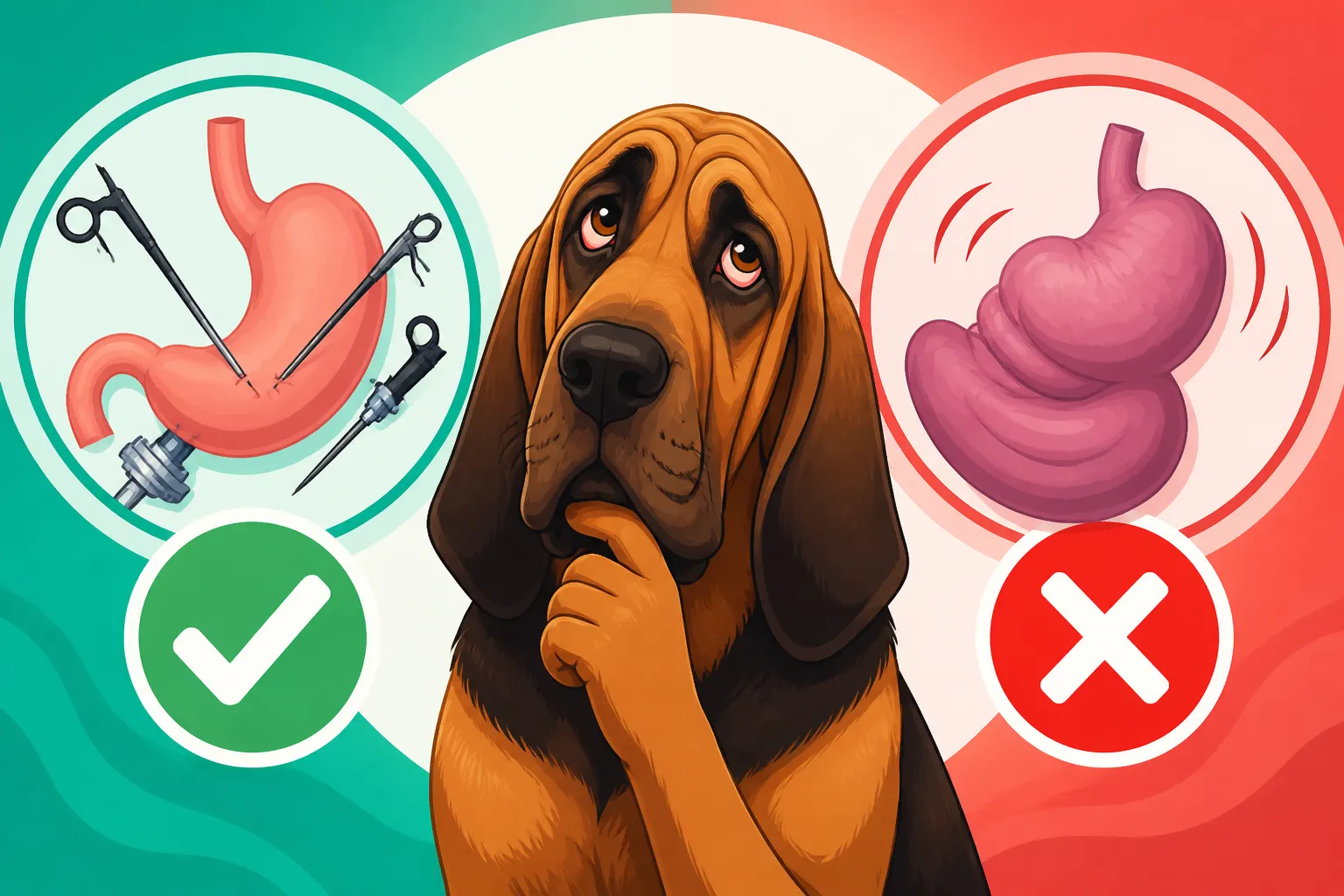
Whether a Laparoscopic Gastropexy Suits a Bloodhound
For Bloodhound owners, the specter of bloat, or gastric dilatation-volvulus (GDV), is a constant, terrifying concern. This life-threatening condition can strike without warning, twisting your beloved hound's stomach and rapidly becoming fatal. Fortunately, modern veterinary medicine offers a crucial preventive measure: the gastropexy. When considering this important surgery, many owners wonder if the less invasive laparoscopic gastropexy is a suitable option for their large, wrinkly companion. This guide will thoroughly explore how this advanced surgical technique addresses the Bloodhound's unique needs, offering a clearer path forward for concerned guardians.
Understanding Bloat and the Bloodhound's Unique Risk
Few things strike fear into the heart of a Bloodhound owner quite like the mention of bloat. It's not just a stomach ache; it's a critical emergency that demands immediate attention. Understanding why our deep-chested companions are so susceptible is the first step in prevention.
Why Bloat is Such a Threat to Bloodhounds
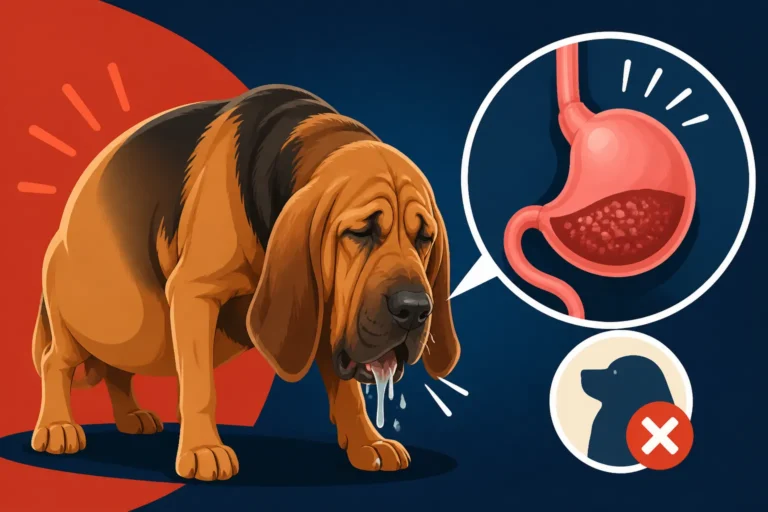
Bloodhounds, with their distinctive deep and narrow chests, are unfortunately among the breeds at highest risk for gastric dilatation-volvulus (GDV), commonly known as bloat. This isn't just a painful condition; it's a rapid killer. Imagine your dog's stomach filling with gas, expanding like a balloon, and then, without warning, twisting on itself. When this happens, both ends of the stomach become blocked, trapping gas and fluid inside. Blood flow to the stomach and often the spleen is cut off, leading to tissue death, shock, and potentially organ failure. The pain is excruciating, and without emergency intervention, a Bloodhound can succumb to bloat in a matter of hours, sometimes even minutes.
The specific anatomy of a Bloodhound's chest cavity creates more room for the stomach to distend and twist, making them inherently more vulnerable than many other breeds. Factors like eating too quickly, eating one large meal a day, excessive exercise after eating, or even stress can trigger an episode. The reality is, even with the best care, the risk remains substantial, which is why prevention becomes such a critical topic. For more details on this frightening condition, you can read our comprehensive guide on Why a Bloodhound's Chest Shape Causes Bloat. It truly helps to understand the mechanics behind this devastating issue.
Traditional Gastropexy vs. Laparoscopic Technique
Historically, the only way to perform a gastropexy was through a traditional open surgery. This involved a large incision down the abdomen, allowing the surgeon to directly visualize the stomach and surgically tack it to the abdominal wall. While incredibly effective at preventing the stomach from twisting (the "volvulus" part of GDV), it was a major abdominal surgery. This meant a longer recovery period, more post-operative pain, and a higher risk of complications associated with a large incision, such as infection or wound dehiscence (the incision opening up).
Enter the laparoscopic gastropexy. This is a modern, minimally invasive surgical technique that achieves the same life-saving outcome with significantly less trauma to your dog's body. Instead of a large incision, the surgeon makes several very small incisions – often just two or three, each only a few centimeters long. Through these small "ports," a camera and specialized instruments are inserted. The camera projects a magnified view of the internal organs onto a monitor, allowing the surgeon to precisely and carefully attach the stomach to the abdominal wall. The result is the same permanent adhesion that prevents twisting, but with a much less invasive approach.
The Advantages of Laparoscopic Gastropexy for Bloodhounds
For a breed like the Bloodhound, known for its deep chest and the general challenges of recovering from major surgery due to its size and skin laxity, the advantages of a laparoscopic approach are particularly compelling. It represents a significant step forward in preventive care.
Minimally Invasive Benefits and Quicker Recovery
The most immediate and striking advantage of a laparoscopic gastropexy for your Bloodhound is its minimally invasive nature. Instead of a long, often uncomfortable incision, your dog will only have a few tiny keyhole incisions. This translates directly into a host of benefits:
- Significantly Less Pain: Smaller incisions mean less tissue damage and, consequently, much less post-operative pain. This is a huge relief for both the dog and the owner, as managing pain in a large, active Bloodhound after major surgery can be challenging. Your dog will likely be much more comfortable in the days following the procedure.
- Faster Healing Time: With less tissue disruption, the body can heal much more quickly. While you'll still need to restrict activity for a period, your Bloodhound will generally bounce back to their normal self in a shorter timeframe compared to traditional surgery. This can be especially important for a breed that thrives on activity and can become quite antsy during prolonged recovery.
- Reduced Risk of Complications: A larger incision carries inherent risks, including a higher chance of infection, seroma formation (fluid pocket), and the incision breaking open. By minimizing the size of the surgical entry points, these risks are substantially reduced. This provides greater peace of mind during the crucial post-operative period.
Imagine your Bloodhound, usually a vibrant and energetic companion, recovering from traditional surgery. They might be lethargic, reluctant to move, and require constant monitoring of a lengthy incision. With a laparoscopic procedure, the recovery often appears much smoother, allowing them to resume their happy, slobbery lives sooner. The convenience and reduced stress on both the dog and owner are immense, making it a very appealing option for a preventive measure. We’ve covered more about what the surgery entails in What a Preventive Gastropexy Does for a Bloodhound.
Ideal Timing and Considerations for the Procedure
Deciding when to perform a gastropexy is almost as important as deciding if. For Bloodhounds, early intervention is key, and laparoscopic techniques often make this more feasible.
The optimal time to perform a preventive gastropexy is typically when a Bloodhound is young, often between 6 months and 2 years of age. This frequently coincides with their spay or neuter surgery. Combining the procedures means only one anesthetic event and one recovery period, which is a major benefit for your dog. For a large breed like a Bloodhound, general anesthesia always carries some degree of risk, so reducing the number of times they need to go under is always a good idea. Many vets will offer a combined procedure, which can also be more cost-effective overall. You can learn more about the specifics of timing in our article, The Age a Bloodhound Should Have a Gastropexy.
Before any surgery, especially for a Bloodhound, a thorough pre-anesthetic workup is crucial. This usually includes blood tests to ensure their organs are functioning properly and to assess their overall health. Your veterinarian will also perform a physical exam and discuss any health history. Because Bloodhounds can be prone to certain heart conditions or other issues, this comprehensive check is vital. It’s important to ensure your dog is as healthy as possible before going under anesthesia. This is also a good time to discuss the procedure with your veterinarian and ask any questions you have about the process, the risks, and the recovery. Planning ahead can also help with financial considerations, as pet insurance plans, like those offered by Healthy Paws, often cover preventive procedures if enrolled before symptoms or diagnoses.
Practicalities and Potential Drawbacks of Laparoscopic Gastropexy
While the benefits are clear, it's also important to be realistic about the practical aspects of undergoing a laparoscopic gastropexy for your Bloodhound, including finding a skilled surgeon and understanding what the entire process entails.
Finding a Qualified Veterinary Surgeon
One of the primary considerations for a laparoscopic gastropexy is that it requires specialized equipment and training. Not all veterinary clinics are equipped to perform this type of surgery. You might find that your regular family veterinarian doesn't offer laparoscopic procedures, especially for large breeds. This often means you'll need a referral to a veterinary specialty center or a surgeon who practices at a larger, more advanced hospital.
When seeking a surgeon, it's crucial to inquire about their experience specifically with laparoscopic gastropexies in large and giant breeds. The anatomy of a Bloodhound, particularly its deep chest, can present unique challenges, and you want a surgeon who is well-versed in navigating these. Don't hesitate to ask about the surgeon's caseload for this procedure and their success rates. A board-certified veterinary surgeon with expertise in minimally invasive techniques is often the ideal choice. While this might involve traveling further or incurring a higher cost, the expertise is invaluable for ensuring the best possible outcome for your beloved hound. This additional cost is certainly something to factor into your budget, and it’s where a good pet insurance plan from a provider like Healthy Paws can truly make a difference, helping to mitigate the financial impact of specialized care.
What to Expect During and After the Procedure
Once you've found a qualified surgeon and scheduled the procedure, understanding the timeline and recovery process will help you prepare. On the day of the surgery, your Bloodhound will be admitted to the veterinary hospital. They'll undergo a final physical exam, and then anesthesia will be administered. The surgeon will make the small incisions, insert the camera and instruments, and then create the permanent adhesion between the stomach and the abdominal wall. The stomach is typically tacked to the right side of the abdominal wall, preventing it from rotating. The procedure usually takes between 30 to 90 minutes, depending on the individual dog and surgeon.
After the surgery, your Bloodhound will be monitored closely as they recover from anesthesia. Most dogs are able to go home the same day or the following day, a testament to the quicker recovery associated with laparoscopic techniques. You'll receive detailed post-operative instructions, which will include:
- Pain Management: Your dog will be sent home with pain medication to keep them comfortable during recovery. It's crucial to administer these as directed.
- Activity Restriction: While recovery is faster, your Bloodhound will still need restricted activity for about 10-14 days. This means no running, jumping, stairs, or rough play. Leash walks for potty breaks are usually permitted.
- Incision Care: You'll need to monitor the small incisions for any signs of redness, swelling, or discharge. An Elizabethan collar (e-collar) will likely be necessary to prevent your Bloodhound from licking or chewing at the surgical sites, which could lead to infection or reopening.
- Feeding: Your vet will advise on when and how to resume feeding. Often, small, frequent meals are recommended immediately after surgery and can be a good practice long-term to help reduce bloat risk.
It's important to remember that while a gastropexy, whether traditional or laparoscopic, effectively prevents gastric volvulus (twisting), it does not prevent gastric dilatation (bloating with gas). Your Bloodhound could still experience a build-up of gas in their stomach. However, because the stomach is tacked, it cannot twist, which is the truly life-threatening part of bloat. This means you still need to be vigilant for signs of discomfort or distension, even though the most fatal aspect has been addressed. To understand the costs involved, you might find our article What a Preventive Gastropexy Costs on a Bloodhound very helpful.
Making the Decision: Is Laparoscopic Gastropexy Right for Your Bloodhound?
The decision to proceed with any surgery for your Bloodhound is significant. It involves weighing the benefits against the risks, costs, and practicalities unique to your situation. For a breed so susceptible to bloat, however, the benefits of prevention are often overwhelmingly strong.
Weighing the Pros and Cons
To help you make an informed decision, let's lay out the key pros and cons of opting for a laparoscopic gastropexy for your Bloodhound.
| Feature | Pros of Laparoscopic Gastropexy for Bloodhounds | Cons of Laparoscopic Gastropexy for Bloodhounds |
|---|---|---|
| Invasiveness | Minimally invasive with small incisions (keyhole surgery) | Still requires general anesthesia |
| Pain & Recovery | Significantly less post-operative pain; faster healing and quicker return to normal activity | Activity restriction still necessary for 10-14 days |
| Complications | Lower risk of wound complications (infection, dehiscence) | Risks associated with any surgery (anesthesia, bleeding, infection, though lower) |
| Effectiveness | Highly effective at preventing gastric volvulus (stomach twisting) | Does not prevent gastric dilatation (stomach bloating with gas) |
| Cost | Potentially higher initial cost due to specialized equipment and surgeon expertise | May require referral to a specialist center, increasing travel and associated expenses |
| Availability | Not all general veterinary practices offer it; may require finding a specialty surgeon | Limited availability in some rural areas |
| Peace of Mind | Significantly reduces the risk of a fatal bloat episode, offering great peace of mind | Requires ongoing vigilance for signs of bloat (dilatation) |
Making this decision often comes down to a personalized assessment. Consider your Bloodhound's age, overall health, your access to a qualified surgical specialist, and your financial situation. Many owners find the investment worthwhile for the substantial reduction in risk. It’s a decision that often comes up around spay/neuter time, and you can explore this further in Whether a Gastropexy Can Be Done at a Bloodhound's Neuter. Remember, a good pet insurance plan, such as those from Healthy Paws, can significantly alleviate the financial burden of such a specialized procedure, allowing you to prioritize your Bloodhound's health without undue stress.
Long-Term Outlook and Continued Vigilance
A laparoscopic gastropexy is an incredibly powerful preventive tool, but it's not a magic bullet that makes your Bloodhound immune to all stomach issues. As mentioned, it prevents the life-threatening twist, but not the initial bloating. This means that even after a successful gastropexy, you, as the owner, still need to be vigilant.
Continue to observe your Bloodhound for any signs of gastric distress, such as pacing, restlessness, attempting to vomit without producing anything, excessive drooling, or a distended abdomen. While a twisted stomach is no longer a concern, severe gas accumulation can still be painful and warrant veterinary attention. Adhering to other bloat prevention strategies, such as feeding two or more smaller meals per day instead of one large one, limiting vigorous exercise an hour before and after meals, and ensuring a calm eating environment, remains important.
Ultimately, opting for a laparoscopic gastropexy provides a tremendous amount of peace of mind. Knowing that you've taken a significant step to protect your Bloodhound from the most devastating aspect of bloat is invaluable. While the upfront cost can be higher than a traditional gastropexy, the reduced recovery time, less pain for your dog, and lower risk of post-surgical complications often justify the investment for many owners. The long-term health and well-being of your loyal companion are truly priceless, and this procedure offers a crucial layer of protection. For more on managing potential risks even after surgery, check out Whether a Bloodhound With a Gastropexy Can Still Bloat. And if you're exploring the broader financial picture of Bloodhound ownership, our article on A Bloodhound's Money Is Spent in the Operating Room offers a sobering but important perspective.
Disclaimer
This article is for general informational purposes only and does not constitute professional advice. Laws, prices and regulations vary by location and change over time. Consult a qualified professional for guidance on your specific situation.