How Long a Bloodhound Stays In After Bloat Surgery
The moment you realize your beloved Bloodhound is bloating is sheer terror. The frantic rush to the emergency vet, the agonizing wait for surgery, and then the overwhelming relief when you hear they made it through. But the journey isn't over. One of the most common questions swirling in your mind afterward is, "How long will they have to stay at the clinic?" This guide will walk you through the typical hospital stay after emergency bloat surgery, what to expect, and the critical factors that influence how quickly your big, sweet hound can come back home.
Understanding Gastric Dilatation-Volvulus and Its Emergency Surgery
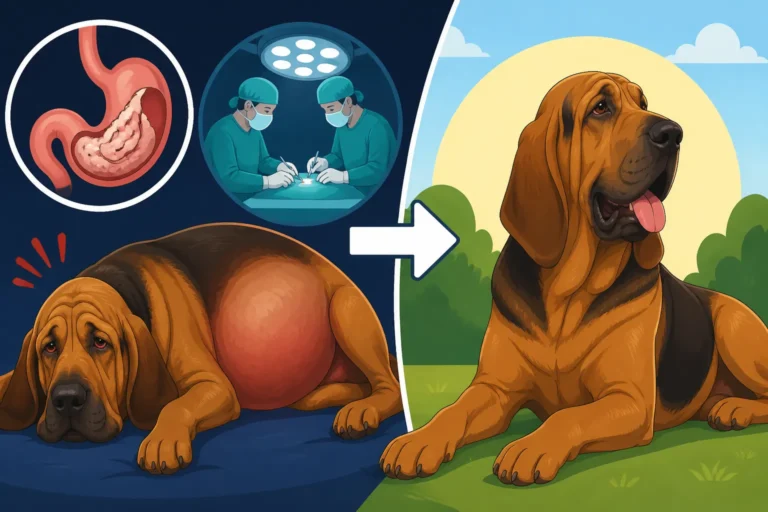
Gastric Dilatation-Volvulus, or GDV, is a terrifying reality for many deep-chested breeds like our Bloodhounds. It’s not just a "belly ache" – it’s a life-threatening emergency where the stomach first fills with gas (dilatation) and then twists upon itself (volvulus). This twisting cuts off blood supply to the stomach and often the spleen, trapping gas and fluid, and quickly leading to shock and death if not treated immediately. It's a race against time, where every minute counts. Understanding that this isn't a minor procedure helps us appreciate the complexity of the recovery period.
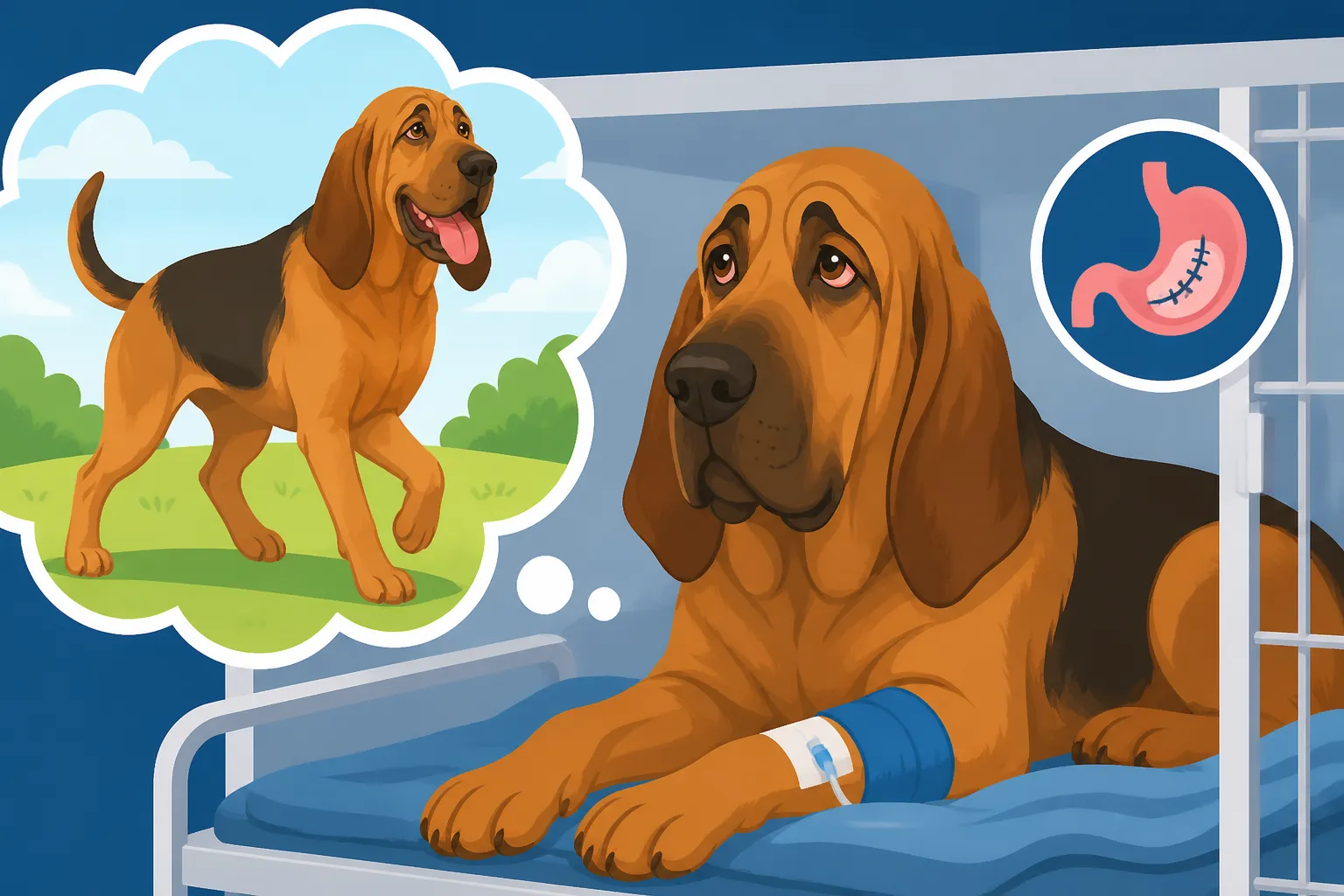
When your Bloodhound undergoes emergency bloat surgery, the veterinary team works swiftly to untwist the stomach, decompress it, and assess any damage to the stomach wall or spleen. Many surgeons will also perform a gastropexy during this surgery, which permanently tacks the stomach to the abdominal wall. This crucial step significantly reduces the risk of the stomach twisting again, although it doesn't prevent future bloat (dilatation). This part of the surgery is vital for long-term prevention, but the immediate goal is stabilization and saving their life. You can learn more about how often a Bloodhound gets bloat by exploring whether a Bloodhound that bloated once bloats again, and the critical decision about a preventive gastropexy is covered in The Gastropexy Decision Every Bloodhound Owner Faces.
The surgical procedure itself is intense, and your Bloodhound will have been under general anesthesia for a significant period. Their body will have endured trauma from the bloat itself and the subsequent surgery. The veterinarians are not just fixing a mechanical problem; they are managing a systemic crisis. This means that even after a successful surgery, the next 24-72 hours are critically important for monitoring and preventing further complications.
The Immediate Post-Operative Period
The first 12 to 24 hours after bloat surgery are often the most precarious and critical for a Bloodhound. Your dog will be moved to an intensive care unit (ICU) or a closely monitored recovery ward, where veterinary staff can keep a vigilant eye on their vital signs, pain levels, and any potential complications that might arise. It’s a period filled with uncertainty for owners, but one of dedicated, focused care from the veterinary team.
Monitoring for Critical Complications
One of the biggest concerns post-GDV surgery is the risk of cardiac arrhythmias. When the stomach twists, it often compromises blood flow, leading to the release of toxins and imbalances in electrolytes that can trigger irregular heartbeats. These arrhythmias can be severe and even fatal, which is why continuous ECG monitoring is absolutely non-negotiable for at least the first day, sometimes longer. Veterinary staff will be looking for any changes in heart rate and rhythm, ready to administer medication if needed.
Beyond cardiac issues, there's a strong focus on assessing the integrity of the stomach wall. The twisting can cause damage, and in severe cases, parts of the stomach tissue might die (necrosis). While the surgeon does their best to remove compromised tissue during the operation, sometimes delayed necrosis can occur. This could lead to leakage of stomach contents into the abdomen, a condition known as peritonitis, which is life-threatening. The team will monitor for signs of abdominal pain, fever, lethargy, or any abnormal discharge. You can dive deeper into what emergency bloat surgery does for a Bloodhound in our dedicated article.
Pain Management and Fluid Therapy
Imagine the pain of having your stomach twist and then undergo major surgery – it's immense. Effective pain management is crucial not just for your Bloodhound's comfort, but also for their recovery. The veterinary team will administer a combination of pain medications, often intravenously, to keep them as comfortable as possible. They’ll be assessing their pain levels regularly, adjusting dosages as needed. A comfortable dog is more likely to rest, heal, and eventually, start eating.
Intravenous (IV) fluids are also a cornerstone of post-operative care. These fluids help maintain hydration, support blood pressure, and deliver essential medications directly into the bloodstream. They also help flush out toxins that might have accumulated during the GDV episode. Your Bloodhound will likely have an IV catheter in place for the duration of their hospital stay, ensuring constant access for fluids and medications. This constant support is vital for stabilizing their system and helping their body repair itself.
Typical Hospital Stay Duration and Factors Affecting It
So, how long does a Bloodhound typically stay in the hospital after bloat surgery? Generally, you can expect a stay of anywhere from 24 hours to 72 hours, but often extending to 3 to 5 days, particularly if there were significant complications during surgery or if the dog is slower to recover. It's a sliding scale, highly dependent on how your individual Bloodhound responds to treatment and whether any additional issues arise.
The "Minimum" Stay: 24-48 Hours
For Bloodhounds who have an uncomplicated surgery and a smooth recovery, the shortest possible stay might be around 24-48 hours. This applies to cases where:
- No tissue necrosis was found: The stomach was untwisted without irreversible damage, meaning a lower risk of post-operative infection or leakage.
- No splenic involvement: The spleen was not twisted or damaged to the extent that it needed removal. While a Bloodhound can live without its spleen, removing it adds another layer of surgical trauma and recovery. You can find more information about whether a Bloodhound loses its spleen to bloat in our related content.
- Stable cardiac rhythm: No significant arrhythmias were detected, or any mild ones resolved quickly with minimal intervention.
- Good pain control: The dog is comfortable and resting well, not showing signs of severe or uncontrolled pain.
- Return of appetite and thirst: While they might not be eating full meals, they are showing interest in food and are able to hold down water without vomiting. You might be interested in What a Bloodhound Eats After Bloat Surgery for their specific dietary needs post-op.
Even in these "best-case" scenarios, the veterinary team will want to ensure your Bloodhound is fully stable, passing gas, and showing clear signs of recovery before sending them home. They'll also ensure you are fully equipped with post-operative instructions and medications.
Extended Stays: 3-5+ Days
It’s not uncommon for a Bloodhound to need a longer hospital stay. This is usually due to one or more factors that make their recovery more complex:
- Significant tissue damage: If portions of the stomach wall were severely compromised or necrotic, or if the spleen had to be removed, the recovery will naturally be longer. These situations carry higher risks of infection and other complications, requiring extended monitoring.
- Persistent arrhythmias: If the heart rhythm remains unstable or requires continuous medication, your Bloodhound will need to stay until their heart is reliably regulated.
- Post-operative ileus: Sometimes, the gastrointestinal tract can be slow to "wake up" after surgery and anesthesia, leading to a lack of appetite, nausea, or delayed bowel movements. This might require additional medications or nutritional support.
- Sepsis or infection: Any sign of infection, such as fever, lethargy, or abnormal laboratory values, will necessitate aggressive treatment with antibiotics and extended hospitalization.
- General weakness or slow recovery: Some dogs, especially older or those with underlying health conditions, simply take longer to bounce back. The veterinary team will prioritize their overall well-being and stability before discharge. This is where having pet insurance like Healthy Paws can truly make a difference, covering the costs of extended care that can quickly add up.
The average length of stay for these more complicated cases often lands in the 3 to 5-day range, and sometimes even longer if secondary surgeries or intensive medical management are required. The key is that they won't be discharged until the veterinary team is confident they are out of immediate danger and their condition is stable enough for home care.
Here's a quick overview of what might influence the duration of your Bloodhound's hospital stay:
| Factor | Shorter Stay (24-48 hours) | Longer Stay (3-5+ days) |
|---|---|---|
| Severity of GDV | Mild twisting, minimal tissue damage | Severe twisting, necrotic tissue, splenic torsion |
| Complications Post-Surgery | No arrhythmias, stable vitals | Persistent arrhythmias, signs of infection/sepsis |
| Response to Pain Management | Well-controlled pain, comfortable | Difficulty managing pain, discomfort |
| Appetite and Hydration | Drinking water, showing interest in food | Anorexia, persistent nausea, dehydration |
| Overall Health & Age | Young, otherwise healthy Bloodhound | Older, pre-existing conditions, general weakness |
| Gastropexy performed? | Yes (typically done during emergency surgery) | Yes (standard procedure, but recovery still varies) |
It’s important to remember that the veterinary team's primary goal is the full recovery and long-term health of your Bloodhound. They won’t rush the discharge process. The survival rate for a Bloodhound that reaches surgery is significantly higher than those that don't, but post-operative care is a huge part of that success.
Bringing Your Bloodhound Home and Continued Care
Once your Bloodhound is cleared to come home, it's a huge relief, but the recovery isn't entirely over. The transition from hospital to home requires careful management and adherence to your vet's instructions. You'll be taking on the role of primary caregiver for their continued healing.
Essential Home Care Instructions
Your veterinary team will provide a detailed discharge sheet, and it's vital to follow it to the letter. This will typically include:
- Medication Schedule: You'll likely have a regimen of antibiotics, pain relievers, and possibly anti-nausea medications. Missing doses or stopping them prematurely can lead to setbacks. Be sure you understand when and how to give each one.
- Activity Restrictions: This is a big one for active Bloodhounds. Strict rest is paramount to allow the internal surgical sites to heal. This means no running, jumping, playing, or stairs for several weeks. Leash walks only for bathroom breaks, and often limited in duration. Your vet might recommend crate rest or confining them to a small, easily managed area of your home. If a preventive gastropexy was performed, you can expect a recovery period similar to How Long a Bloodhound Takes to Recover From a Gastropexy.
- Dietary Adjustments: Your Bloodhound will likely start on a bland diet, possibly smaller, more frequent meals, to ease their digestive system back into normal function. Follow your vet's recommendations precisely, as introducing regular food too soon or in large quantities can upset their sensitive stomach. Find more specific advice on what a Bloodhound eats after bloat surgery.
- Incision Site Care: You'll need to monitor the surgical incision daily for any signs of redness, swelling, discharge, or if your Bloodhound is bothering it excessively. They should wear an E-collar (cone) to prevent licking or chewing at the stitches, which could lead to infection or dehiscence (the incision opening).
- Monitoring for Recurrence or Complications: While the gastropexy significantly reduces the risk of twisting again, bloat (gas distention) can still happen. Be vigilant for any signs of discomfort, restlessness, unproductive retching, or abdominal distension. If you see any of these, contact your vet immediately.
The Importance of Follow-Up Appointments
Follow-up appointments are crucial to ensure your Bloodhound is healing correctly. Typically, you'll have an appointment for suture removal (if non-dissolvable) and a recheck of their overall condition a week or two after discharge. Your vet will assess the incision, listen to their heart and lungs, and discuss their progress. Don't skip these appointments, even if your Bloodhound seems to be doing wonderfully. They allow the vet to catch any subtle issues before they become major problems.
It's a long road, both emotionally and financially. Emergency bloat surgery can be incredibly expensive. It helps to have financial preparedness, and considering pet insurance like Healthy Paws can cushion the blow of unforeseen veterinary costs. Understanding What a Bloodhound's Bloat Surgery Bill Comes To can give you a clearer picture of the financial commitment involved. Having a plan in place, whether it's an emergency fund or robust insurance, provides immense peace of mind during such a stressful time.
Remember, your Bloodhound has been through a major ordeal, and their recovery is a marathon, not a sprint. Patience, consistent care, and vigilant observation on your part are key to ensuring they make a full and happy return to their goofy, scent-driven self.
Disclaimer
The information provided in this article is intended for general informational purposes only and does not constitute veterinary advice. Always consult with a qualified veterinarian for any health concerns or before making any decisions about your Bloodhound's medical care.