Whether Male Bloodhounds Bloat More Than Females
It's absolutely terrifying to consider the possibility of bloat in your beloved Bloodhound, and when you hear whispers that one gender might be more susceptible, it adds another layer of anxiety. You want to understand every angle, every tiny risk factor, to give your big, droopy-eared companion the best chance at a long, healthy life. This guide is going to dig deep into whether male Bloodhounds truly face a higher bloat risk than females, and what you can do about it regardless of your dog's gender.
Understanding Gastric Dilatation-Volvulus GDV in Bloodhounds
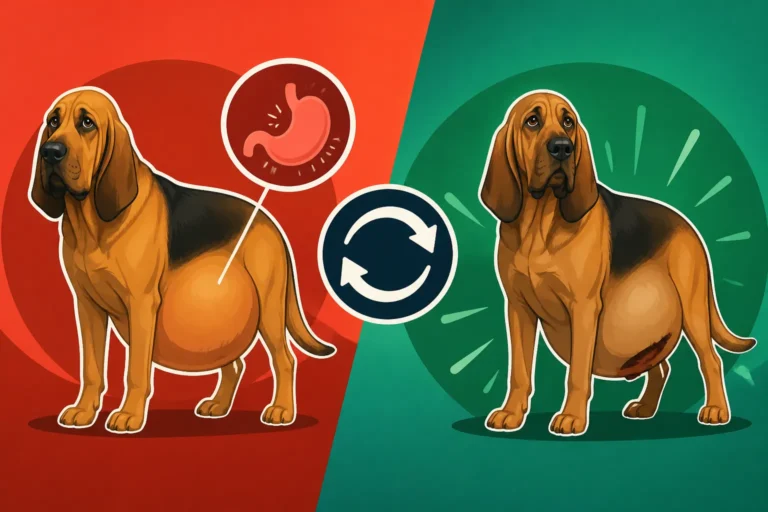
Before we talk about gender, let's get a solid grasp on what Gastric Dilatation-Volvulus, or GDV – commonly known as bloat – actually is. This isn't just a tummy ache; it's a rapidly progressing, life-threatening condition where a dog's stomach fills with gas and then twists on its axis. Imagine a balloon filling up, and then someone twisting its neck shut. That's essentially what happens inside your Bloodhound. The twisting, or volvulus, cuts off blood flow to the stomach and often the spleen, leading to tissue death, shock, and if not treated immediately, death. It's a truly horrifying emergency, and it's something every Bloodhound owner dreads. The speed at which it can strike and escalate is what makes it so dangerous. You might see a happy, healthy dog one minute, and within an hour or two, they could be in severe distress.
Why Bloat is a Bloodhound Owner's Nightmare
For Bloodhound owners, bloat isn't just a concern; it's often the concern that keeps us up at night. These majestic hounds, with their deep chests and often voracious appetites, are among the breeds genetically predisposed to this condition. The deep, narrow chest conformation that is characteristic of the breed creates an anatomical predisposition, allowing the stomach more room to swing and twist. This physical trait, combined with other factors, makes them a prime candidate for GDV. It’s important to understand that bloat is what kills most Bloodhounds, tragically shortening their lives if not caught and treated in time. The survival rate, even with immediate veterinary intervention, is not 100%, making prevention and quick recognition paramount. Many owners are forced to make rapid, heartbreaking decisions when their dog bloats.
The Mechanics of the Twisted Stomach
When a Bloodhound's stomach first dilates, it simply fills with gas and potentially fluid, expanding like a drum. This alone is painful and uncomfortable, putting pressure on other organs and interfering with circulation. However, the real danger comes when the stomach then twists on its own axis, often 180 to 360 degrees. This twisting motion effectively traps the gas and fluid inside, making it impossible for your dog to burp or vomit to relieve the pressure. The twisted stomach also pinches off the esophagus and the duodenum (the first part of the small intestine), and often drags the spleen with it, compromising its blood supply. This lack of blood flow rapidly leads to shock, heart arrhythmias, and organ damage. The pain is excruciating, and the dog’s condition deteriorates with terrifying speed. Without emergency surgery, the outcome is almost always fatal.
Does Gender Impact Bloat Risk in Bloodhounds?
Now, let's get to the heart of your question: does a male Bloodhound have a higher risk of bloat than a female? The short answer is, it's complicated, but some studies and anecdotal evidence suggest a slight increase in risk for males, particularly neutered males. However, it's crucial to understand that while gender might be a minor contributing factor, it's far from the only or even the most significant risk. Bloat can and does affect both male and female Bloodhounds.
What Research Suggests About Male Bloodhound Risk
While bloat is a serious risk for all Bloodhounds due to their breed-specific conformation, some large-scale studies, like the Purdue Bloat Study, have indicated that male dogs, and especially neutered male dogs, may have a statistically higher incidence of GDV compared to intact males or females. The exact reasons for this aren't fully understood, but theories abound. One line of thought suggests that neutering might influence a dog's metabolism or hormone levels in a way that contributes to risk, though this is still debated. Another possibility is related to temperament; some male Bloodhounds might exhibit higher levels of anxiety or eat more rapidly, both of which are independent risk factors for bloat.
It's important not to hyper-focus on this data point to the exclusion of others. The difference in risk, if present, is usually not so dramatic that you should feel significantly more or less worried based solely on your dog's sex. Instead, it serves as one piece of the puzzle, reminding us that every Bloodhound, regardless of gender, needs diligent care and preventive measures.
The Role of Spaying and Neutering
The discussion around gender and bloat often brings up spaying and neutering. As mentioned, some research has indicated a potentially higher risk in neutered males. For females, the picture is a bit less clear. Some studies have suggested that spaying might slightly increase bloat risk in females, while others found no significant correlation or even a decrease in risk compared to intact females. This conflicting information can be incredibly frustrating for owners trying to make the best decisions for their pets.
What we do know is that spaying and neutering come with a host of other health and behavioral considerations, both positive and negative, that often outweigh the nuanced, and sometimes ambiguous, bloat risk associated with these procedures. If you're considering spaying or neutering your Bloodhound, it's a vital conversation to have with your veterinarian, weighing all the factors, including the option of combining it with a preventive gastropexy. For owners concerned about bloat, whether a gastropexy can be done at a Bloodhound's neuter is a very common and practical question.
Overarching Bloat Risk Factors Beyond Gender
While gender might play a minor role, it's crucial to shift our focus to the universally accepted, more impactful risk factors for bloat in Bloodhounds. These are the elements you truly have some control over and where your preventive efforts will make the biggest difference.
Breed Predisposition and Conformation
The number one risk factor for Bloodhounds is simply being a Bloodhound. Their classic deep, narrow chest is a primary anatomical characteristic that significantly increases their susceptibility. This chest conformation means their stomach hangs lower and has more room to twist than in breeds with a broader, shallower chest. This isn't something you can change, but it’s why Bloodhound owners must be extra vigilant. Understanding why a deep narrow chest puts a Bloodhound at risk is the first step in prevention.
Eating Habits and Meal Frequency
How and when your Bloodhound eats can significantly influence their bloat risk. Eating one large meal a day, especially quickly, can introduce a lot of air into the stomach, setting the stage for bloat. This is why most veterinarians and experienced Bloodhound owners recommend feeding multiple, smaller meals throughout the day – typically two or three. A slow feeder bowl can also be incredibly helpful to prevent them from gulping down their food too fast. Think about it: a frantic eating session, where they inhale air along with their kibble, followed by vigorous activity or drinking large amounts of water, creates a perfect storm. Making sure your Bloodhound eats in a calm, relaxed environment is also beneficial.
Activity Levels Before and After Meals
High-intensity activity right before or right after a meal is another major no-no for Bloodhounds. Running, jumping, rough-housing, or even strenuous trailing work should be avoided for at least an hour before and two hours after eating. This allows the food to settle and begin digesting without the stomach being jostled around. Similarly, excessive water intake immediately after a meal can also contribute to bloat. If your dog is particularly thirsty after exercise, offer small amounts of water frequently rather than a giant bowl all at once. It’s all about minimizing the chances of stomach distention and movement.
Age and Genetics
Bloat risk generally increases with age. While it can occur at any age, older Bloodhounds tend to be more susceptible, with incidence increasing significantly after the age of six. It seems the body's natural defenses or stomach motility might decrease over time. Beyond age, genetics play a crucial role. If your Bloodhound has close relatives (parents, siblings) who have bloated, their risk is significantly elevated. This genetic component is why reputable breeders are so careful about screening their lines and often won't breed dogs with a history of bloat in their immediate family. Unfortunately, there isn't yet a genetic test for bloat, but knowing your dog's lineage can help you assess their personal risk. You might even wonder whether a Bloodhound owner should screen for bloat genetics, and the answer is definitely to know your dog's family history.
Temperament and Stress
Believe it or not, a Bloodhound's temperament can also play a role in bloat risk. Anxious, fearful, or highly stressed dogs may be more prone to GDV. Stress can affect digestion and gut motility, and a dog that is constantly tense might be more likely to gulp air or eat frantically. This is why creating a calm, predictable environment and managing any anxiety your Bloodhound might have is not just good for their mental well-being, but potentially for their physical health too. If you've wondered whether an anxious Bloodhound bloats more, the answer is yes, it's a known contributing factor.
Proactive Strategies to Mitigate Bloat Risk
Given the severity and rapid progression of bloat, a proactive approach to prevention is absolutely essential for every Bloodhound owner, regardless of whether you have a male or female dog. These strategies aim to address the known risk factors and significantly reduce the chances of this life-threatening event.
Dietary Management and Feeding Practices
One of the most impactful changes you can make is how you feed your Bloodhound. Instead of one large meal, break their daily food allowance into two or three smaller meals. This reduces the amount of gas and food in the stomach at any one time. Using a slow feeder bowl can also be a game-changer, forcing them to eat more slowly and ingest less air. Raised bowls used to be recommended, but current research suggests they actually increase bloat risk, so it’s best to feed your Bloodhound at ground level. Make sure meal times are calm and stress-free. If you have multiple dogs, feed them separately to prevent competition and rushed eating. Hydration is key, but avoid letting your Bloodhound gulp huge amounts of water immediately after eating or heavy exercise. Offer smaller, more frequent drinks instead.
Managing Exercise and Activity
Strictly control your Bloodhound's activity levels around meal times. A good rule of thumb is to allow at least an hour before and two hours after eating before engaging in any strenuous exercise. This includes running, jumping, intense play sessions, or long walks with their nose to the ground. Gentle leash walks are usually fine, but anything that causes them to get overly excited or jostle their stomach should be avoided. This "rest period" allows their stomach to properly process food and gas without being twisted or distended. For a working breed like the Bloodhound, whose life often revolves around intense scent work, this management is particularly important.
The Preventive Gastropexy Procedure
For many Bloodhound owners, the ultimate proactive step is a prophylactic gastropexy. This surgical procedure permanently tacks the stomach to the abdominal wall, preventing it from twisting. While it doesn't stop the stomach from dilating (filling with gas), it eliminates the deadly volvulus component. This is often done at the same time as spaying or neutering, typically when the dog is between six months and two years old, to minimize the number of times your dog undergoes anesthesia. It’s an investment, but many owners feel it's a small price to pay for the peace of mind it offers. Discussing the gastropexy decision every Bloodhound owner faces with your vet is crucial. Knowing what a preventive gastropexy does for a Bloodhound can empower you to make an informed choice.
Regular Veterinary Check-ups and Awareness
Maintaining regular veterinary check-ups is always important, but it’s especially so for a breed prone to specific health issues like the Bloodhound. Your vet can discuss your dog's individual risk factors, help you develop a tailored preventive plan, and educate you further on the signs of bloat. Early detection of any health changes, a lean body condition, and managing stress are all part of a comprehensive health strategy. Being knowledgeable and observant of your dog's normal behavior is your first line of defense. Remember, the median age a Bloodhound reaches is often shorter than other breeds of comparable size, making every preventative measure count.
Recognizing the Urgent Signs of Bloat
Even with the best preventive measures, it’s vital to know the signs of bloat like the back of your hand. Time is of the essence when it comes to GDV, and prompt recognition and action can literally save your Bloodhound's life. Do not wait to see if symptoms improve; assume the worst and seek emergency veterinary care immediately.
Restlessness and Pacing
One of the earliest signs of bloat is often a noticeable change in behavior, particularly restlessness. Your Bloodhound might be unable to get comfortable, pacing constantly, shifting positions, or attempting to lie down and then immediately standing back up. They might seem agitated, panting excessively, or frequently looking at their abdomen. This is their way of communicating severe discomfort and anxiety. Don't dismiss this as simply being "antsy"; it could be a critical warning sign.
Non-Productive Retching
This is perhaps the most classic and alarming symptom of bloat. Your Bloodhound will try to vomit, often gagging and heaving, but nothing or only a small amount of foamy saliva will come up. The twisting of the stomach prevents anything from passing through the esophagus, making productive vomiting impossible. This persistent, non-productive retching is a strong indicator of GDV and should trigger an immediate emergency response. It's truly heartbreaking to watch, as they are trying desperately to relieve pressure they cannot escape.
Abdominal Distention
As the stomach fills with gas, your Bloodhound’s abdomen will become noticeably distended and tight, almost like a taut drum. This swelling is usually most prominent on the left side of their body, just behind the rib cage. You might even hear a hollow, drum-like sound if you gently tap on their side. However, don't wait for visible distention to seek help; some dogs, especially larger ones, may not show outward swelling until the condition is very advanced. Always go by the behavioral signs first.
Other Critical Symptoms
Beyond the main three, other symptoms that accompany bloat include excessive drooling (due to nausea and discomfort), weakness, collapse, pale gums, a rapid and shallow heart rate, and difficulty breathing due to the pressure on the diaphragm. As bloat progresses, your Bloodhound will go into shock, becoming weaker and less responsive. Remember, these symptoms can escalate rapidly, often within minutes or an hour. If you observe any combination of these signs, particularly non-productive retching and restlessness, consider it an extreme emergency.
Emergency Protocol for Suspected Bloat
Knowing what to do when you suspect bloat is as critical as recognizing the signs. Every second counts, and your swift, decisive action can be the difference between life and death for your Bloodhound.
Immediate Veterinary Contact
The very first thing you need to do is call your veterinary clinic or the nearest emergency veterinary hospital. Do not waste time driving there without calling ahead. Explain your dog's breed, the symptoms you are seeing, and that you suspect GDV. This allows the staff to prepare for your arrival, ensuring a veterinarian is immediately available and potentially life-saving equipment is ready. They can also provide specific instructions for your journey, which might include keeping your dog calm and comfortable.
Rapid Transport to Emergency Care
Once you've made contact, get your Bloodhound to the veterinary facility as quickly and safely as possible. Every minute truly matters. Bloat progresses rapidly, and the window for successful intervention can be very narrow, sometimes as short as the half hour a bloating Bloodhound has. Avoid unnecessary stops or delays. If possible, have someone else drive so you can monitor your dog and keep them calm. Keep your dog as still and comfortable as possible during the drive.
Financial Preparedness for Emergency Surgery
Bloat surgery is an emergency procedure, often performed in the middle of the night, and it is expensive. It involves complex surgery to de-rotate the stomach, remove damaged tissue (sometimes including the spleen), and perform a gastropexy to prevent future occurrences. The cost for emergency bloat surgery on a Bloodhound can range from several thousand to upwards of ten thousand dollars, depending on the severity, complications, and geographic location. Having an emergency fund or pet insurance, such as a plan from Healthy Paws, can significantly ease the financial burden during such a stressful time, allowing you to focus on your dog's care without added worry. What a Bloodhound's bloat surgery bill comes to is a harsh reality many owners face.
| Risk Factor | Description | Prevention Strategy |
|---|---|---|
| Deep Chest Conformation | Inherent breed trait, stomach hangs lower with more room to twist. | Primary reason to consider a prophylactic gastropexy for all Bloodhounds. |
| Eating Habits | Rapid eating, large meals, gulping air. | Feed 2-3 smaller meals daily; use a slow-feeder bowl; ensure calm meal environment. |
| Activity Around Meals | Strenuous exercise or large water intake right before or after eating. | Restrict activity (running, jumping) for 1 hour before and 2 hours after meals; offer small, frequent water portions after exercise. |
| Age | Risk increases with age, particularly after 6 years old. | Consistent preventive measures throughout life; heightened vigilance in senior years. |
| Genetics/Family History | Relatives (parents, siblings) with a history of bloat. | Be aware of your dog's lineage; discuss family history with your breeder and vet. |
| Temperament/Stress | Anxious, fearful, or highly stressed dogs may be more prone. | Maintain a calm home environment; manage anxiety through training, enrichment, or vet consultation. |
| Gender (Neutered Males) | Some studies indicate a slightly higher risk in neutered male dogs. (Note: minor factor overall). | Does not significantly outweigh other factors, but reinforces overall vigilance and discussion of preventive gastropexy. |
Disclaimer
The information provided in this guide is for general educational purposes only and should not be considered a substitute for professional veterinary advice. Always consult with a qualified veterinarian for any health concerns or before making any decisions about your Bloodhound's care, diet, or treatment. Bloat is a medical emergency that requires immediate veterinary attention.