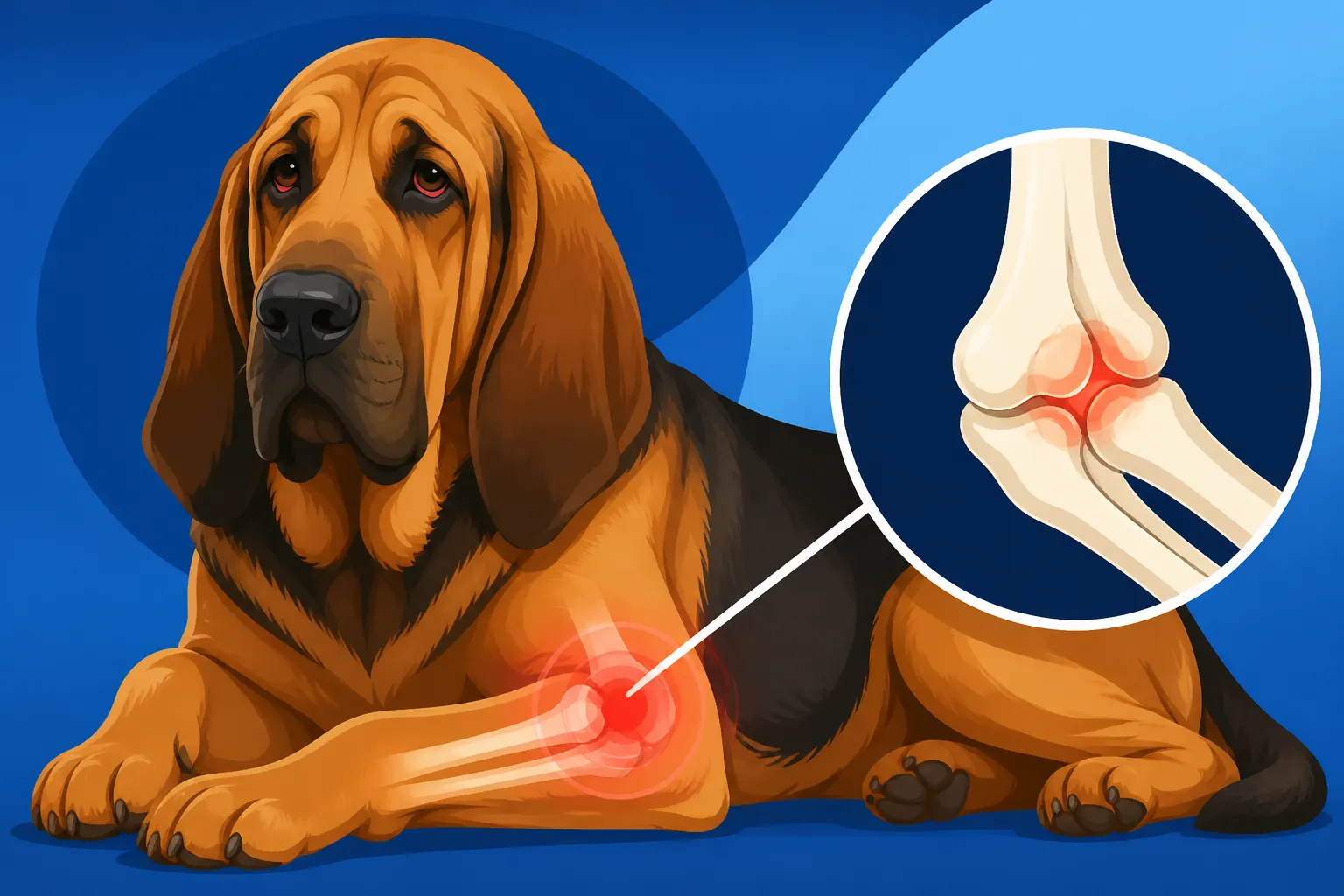
Elbow Dysplasia in a Bloodhound
Seeing your big, beautiful Bloodhound start to limp, especially when they're still just a big puppy, can send a chill down any owner's spine. It's heartbreaking to watch them struggle with stairs, hesitate before jumping, or just generally seem uncomfortable. This guide is here to shed light on elbow dysplasia in Bloodhounds, a common and often painful condition, helping you understand what it is, how to spot it, and what you can do to give your furry family member the best possible quality of life.
Understanding Elbow Dysplasia in Bloodhounds: A Genetic Burden
Elbow dysplasia isn't just one problem; it's a catch-all term that describes several developmental abnormalities in the elbow joint of growing dogs. For a breed as magnificent and heavily built as the Bloodhound, these issues can lead to significant pain and mobility problems if not addressed. It's a complex condition that often leaves owners feeling frustrated and helpless, wondering what they could have done differently, but the truth is, a lot of it comes down to genetics.
What is Elbow Dysplasia Anyway?
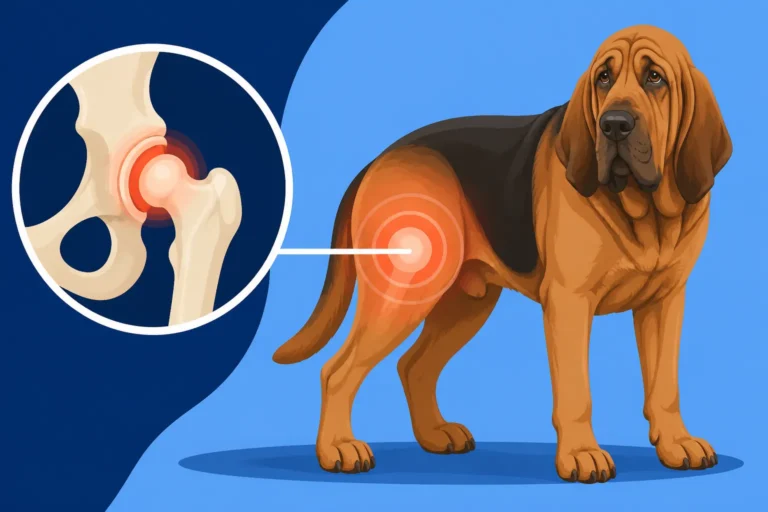
Imagine the elbow joint as a perfectly interlocking puzzle, where three bones—the humerus in the upper arm and the radius and ulna in the forearm—meet. In a healthy dog, these bones grow and fit together smoothly, allowing for fluid movement. With elbow dysplasia, however, one or more of these bones, or the cartilage protecting them, develops incorrectly. This can manifest in a few different ways: ununited anconeal process (UAP), fragmented coronoid process (FCP), osteochondrosis (OCD), or elbow incongruity. Each of these conditions involves parts of the bone or cartilage failing to develop or integrate properly, leading to instability, inflammation, and ultimately, painful arthritis in the joint.
For a Bloodhound, a breed known for its substantial bone structure and rapid growth, these developmental errors can be particularly pronounced. Their sheer weight and the speed at which they grow put immense stress on developing joints. This isn't just a minor tweak; it's a structural flaw that causes pain every time they move, leading to a visible limp, stiffness, and reluctance to engage in activities they once loved. The chronic inflammation then sets the stage for degenerative joint disease, or osteoarthritis, which can become debilitating over time. It's a tough reality for owners who simply want their Bloodhounds to live a pain-free, active life.
Why Bloodhounds Are Prone to This
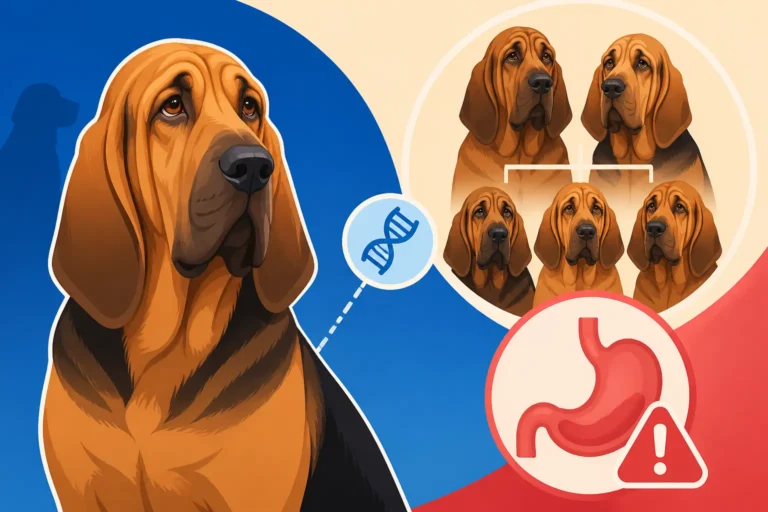
The primary reason Bloodhounds, like many other large and giant breeds, are predisposed to elbow dysplasia is genetics. It's considered a polygenic trait, meaning multiple genes contribute to its development, making it tricky to predict and eliminate entirely. Reputable breeders work tirelessly to screen their breeding stock for orthopedic issues, adhering to guidelines set by organizations like the Orthopedic Foundation for Animals (OFA) and the American Bloodhound Club, which actively encourages screening to improve the breed's health. You can learn more about What the American Bloodhound Club Asks Breeders to Screen to understand the commitment involved.
Beyond genetics, rapid growth, especially during puppyhood, plays a significant role. Bloodhound puppies grow incredibly fast, sometimes adding several pounds a week, and if their diet isn't precisely balanced for large breed growth, or if they engage in too much high-impact activity, it can exacerbate any underlying genetic predisposition. While a Bloodhound reaches full weight a bit later, the critical bone development happens in those early, fast-growing months. This is why careful nutrition and controlled exercise are crucial, even if they don't fully prevent the condition. It’s a frustrating tightrope walk for owners trying to give their puppies the best start without unknowingly contributing to future problems.
Recognizing the Early Warning Signs of Elbow Dysplasia
One of the most challenging aspects of elbow dysplasia is that the signs can be subtle at first, easily mistaken for normal puppy clumsiness or a minor sprain. But Bloodhounds are stoic, often masking discomfort until it becomes significant. Being attuned to their behavior and subtle physical changes can make all the difference in early detection and intervention, which is key to better outcomes.
Subtle Cues and Changing Gaits
The earliest sign of elbow dysplasia is often a mild, intermittent limp, especially noticeable after exercise or when the dog first gets up after resting. This isn't usually a dramatic three-legged hop; it might be a slight unevenness in their stride, a subtle head bob when they put weight on the affected limb, or a reluctance to extend the leg fully. You might notice your Bloodhound "paddling" a bit more with their front paws when they walk, or carrying their elbow tucked in closer to their body.
Over time, this limping can become more consistent or severe. Your dog might start shifting their weight more onto their hind legs to alleviate pressure on their front elbows, leading to a somewhat awkward, "bunny-hopping" gait when they run. They might also appear stiff, particularly in the mornings, taking longer to loosen up and move freely. This is often the point where owners really start to worry, realizing it's more than just a passing ache. Watching a powerful dog like a Bloodhound struggle with basic movement is truly distressing.
Behavioral Indicators and Pain Signals
Beyond physical changes in gait, your Bloodhound's behavior can offer crucial clues. A dog in pain might become reluctant to perform activities they once enjoyed. They might hesitate before jumping into the car or onto the couch, avoid stairs, or even refuse to play their favorite games. Fetch might become a slow walk, or they might simply lie down and watch other dogs play, rather than joining in. This shift in enthusiasm for life can be heartbreaking to witness.
Chronic pain can also lead to changes in temperament. A normally cheerful and outgoing Bloodhound might become more withdrawn, irritable, or even snap if touched in a sensitive area around the elbow. They might lick or chew excessively at the affected joint as a coping mechanism. If you notice swelling around the elbow joint, or if the joint feels warm to the touch, these are clear indicators of inflammation and pain. Keep an eye out for more specific signs like Signs a Bloodhound Puppy Has Elbow Dysplasia, as early intervention is vital. A normally ravenous Bloodhound might even show a reduced appetite if the pain is severe enough to impact their overall well-being.
The Diagnostic Journey: Confirming Elbow Dysplasia
Once you suspect something is wrong, getting an accurate diagnosis is the next critical step. This process typically involves a thorough physical examination by your veterinarian, followed by imaging techniques that allow a detailed look at the bones and joints. Navigating this can feel overwhelming, especially with the thought of potential long-term care or surgery looming.
Initial Vet Visit and Physical Exam
Your first stop will be your trusted veterinarian. During the examination, they’ll observe your Bloodhound's gait, paying close attention to how they carry their weight, how they rise from a lying position, and any signs of discomfort. They'll then perform a hands-on orthopedic examination, carefully palpating the elbow joints, manipulating the limbs through their range of motion, and checking for pain, swelling, or crepitus (a crackling sound or feeling that indicates bone-on-bone friction).
Your vet will ask you detailed questions about when you first noticed the limping, what makes it worse or better, and any other behavioral changes. It's helpful to be prepared with answers about their activity level, diet, and any specific instances where the limp was more pronounced. Sometimes, the physical exam alone can strongly suggest elbow dysplasia, but imaging is almost always necessary to confirm the diagnosis and determine the specific type and severity of the condition. This initial assessment is crucial, as it sets the stage for all subsequent decisions about your Bloodhound's care.
Imaging and Advanced Diagnostics
To truly understand what’s happening inside your Bloodhound's elbow, X-rays are usually the first line of diagnostic imaging. Your vet will take specific views of both elbows, often requiring sedation to get clear, precise images, as even a slight movement can obscure important details. These X-rays can reveal bone fragments, abnormal bone growth, or signs of arthritis already present. However, sometimes X-rays might not show the full picture, especially in the early stages or for subtle forms of the condition.
In such cases, your vet might recommend more advanced imaging like a CT (Computed Tomography) scan or an MRI (Magnetic Resonance Imaging). A CT scan provides highly detailed 3D images of the bone structure, making it excellent for identifying fragmented coronoid processes or ununited anconeal processes. An MRI offers better visualization of soft tissues, like cartilage, which can be affected in OCD. In some situations, an orthopedic specialist might perform an arthroscopy, a minimally invasive surgical procedure where a tiny camera is inserted into the joint to directly visualize the damage and, in some cases, even address it during the same procedure. This comprehensive approach ensures that the specific problem is identified, paving the way for the most effective treatment plan.
Treatment Approaches for Managing Elbow Dysplasia
Once your Bloodhound has been diagnosed with elbow dysplasia, the good news is there are various ways to manage the condition, ranging from conservative therapies to surgical interventions. The best approach depends on the severity of the dysplasia, your dog's age, and your family's circumstances. No matter the path, the goal is always to reduce pain, improve mobility, and maintain a good quality of life.
Conservative Management: Supporting Comfort and Function
For many Bloodhounds, especially those with mild to moderate elbow dysplasia or those who are not ideal surgical candidates, conservative management can be very effective. This approach focuses on alleviating pain and slowing the progression of arthritis. Key components include strict weight management to reduce stress on the joints, which is particularly important for a heavy breed. Controlled exercise, such as leash walks and swimming, helps maintain muscle mass without putting excessive strain on the elbows. High-impact activities like jumping or prolonged running should be avoided.
Pain relief is often a cornerstone of conservative care. This might include non-steroidal anti-inflammatory drugs (NSAIDs) prescribed by your vet, which help reduce both pain and inflammation. Joint supplements containing ingredients like glucosamine, chondroitin, and MSM can support cartilage health, though their effectiveness can vary. Physical therapy, including massage, hydrotherapy, and specific exercises, can also significantly improve strength and range of motion. For owners considering managing potential future health costs, this is where pet insurance providers like Healthy Paws can really make a difference, helping to cover the ongoing expenses of medications and therapies for chronic conditions.
Surgical Interventions: When and Why
When conservative measures aren't enough, or if the specific type of elbow dysplasia warrants it, surgical intervention might be recommended. The goal of surgery is to correct the anatomical defect, remove damaged cartilage or bone fragments, and stabilize the joint, thereby reducing pain and preventing further arthritis progression. There are several surgical options, each tailored to the specific form of dysplasia.
For conditions like fragmented coronoid process (FCP) or ununited anconeal process (UAP), arthroscopy is often preferred. This minimally invasive technique uses a small incision and a camera to remove fragments or reattach bone. This often leads to faster recovery times compared to traditional open surgery. In cases of severe elbow incongruity, osteotomy procedures might be performed to cut and realign bones, improving joint fit. For advanced cases with significant arthritis where other treatments have failed, a total elbow replacement can be considered, though this is a complex and expensive procedure. Recovery from surgery requires dedicated post-operative care, including rest, pain management, and often extensive physical therapy. While the initial cost of these procedures can be substantial, sometimes A Bloodhound's Money Is Spent in the Operating Room, having pet insurance like Healthy Paws can help cover a significant portion of these unexpected expenses, making difficult decisions a bit easier to bear.
Here's a quick comparison of general treatment approaches:
| Feature | Conservative Management | Surgical Intervention |
|---|---|---|
| Primary Goal | Pain relief, slow arthritis progression, maintain function | Correct anatomical defect, remove fragments, stabilize joint |
| Typical Candidates | Mild to moderate cases, older dogs, not surgical candidates | Moderate to severe cases, younger dogs, specific defects |
| Key Methods | Weight management, controlled exercise, NSAIDs, supplements, physical therapy | Arthroscopy, osteotomy, total elbow replacement |
| Cost | Ongoing medication, supplements, therapy (can add up) | Significant upfront cost for surgery, plus recovery care |
| Recovery Time | Ongoing management, improvement over weeks/months | Weeks to months of strict rest and rehabilitation |
| Potential Drawbacks | May not fully resolve pain, arthritis may progress | Invasive, risk of complications, long recovery, high cost |
| Long-term Outlook | Manageable pain, varying mobility, potential for arthritis | Improved comfort, better mobility, still potential for arthritis over time |
Living with a Bloodhound with Elbow Dysplasia: Long-Term Care
Receiving an elbow dysplasia diagnosis for your Bloodhound doesn't mean their active life is over. It means embracing a new normal, one focused on careful management and proactive care. The journey requires commitment, but with the right strategies, your Bloodhound can still enjoy a fulfilling life by your side.
Adjusting Daily Life and Exercise
One of the biggest adjustments will be modifying your Bloodhound's exercise routine. High-impact activities that involve jumping, quick turns, or prolonged running on hard surfaces should be limited or avoided. Instead, focus on low-impact alternatives that build muscle and maintain cardiovascular health without straining the joints. Swimming is an excellent option, as it provides a full-body workout with minimal joint impact. Regular, short leash walks on soft surfaces are also beneficial, helping to keep joints moving and muscles strong without overexertion.
Think about how your Bloodhound navigates their home environment. Ramps can be a lifesaver for getting into cars or onto furniture, reducing the need for painful jumps. Ensure they have comfortable, orthopedic bedding that supports their joints. Protecting those elbows becomes even more crucial as they age, especially if Arthritis Slows a Bloodhound at Six. This doesn't mean your Bloodhound can't be active; it just means being thoughtful and strategic about how they're active. Many Bloodhounds still thrive on scent work and trailing, which is mentally stimulating and can be adapted to their physical limitations, often involving slower, more deliberate movements.
Ongoing Monitoring and Proactive Care
Living with elbow dysplasia requires a commitment to ongoing monitoring and proactive care. Regular veterinary check-ups are essential to assess your Bloodhound's comfort level, monitor for any progression of arthritis, and adjust pain management strategies as needed. Your vet might recommend periodic X-rays to track changes in the joint. It's also important to be vigilant for any subtle signs of increased pain or discomfort at home, as dogs can be masters at hiding their pain until it's quite advanced.
Maintaining a healthy weight remains paramount throughout your Bloodhound's life. Even a few extra pounds can significantly increase the load on their already compromised elbows, accelerating the progression of arthritis. Work with your vet to establish an ideal weight range and a feeding plan to keep them lean. Continue with any prescribed joint supplements or medications, and be consistent with any physical therapy exercises. Considering Whether Pet Insurance Is Worth It on a Bloodhound is a good idea early on, as the costs associated with chronic care, including medications, supplements, and regular vet visits, can really add up over time. Early proactive care can make a huge difference in your Bloodhound's comfort and mobility for years to come.
Disclaimer
The information provided in this article is for educational and informational purposes only, and does not constitute veterinary advice. Always consult with a qualified veterinarian for any health concerns or before making any decisions related to your Bloodhound's medical care.