When a Bloodhound’s Ear Infection Becomes Permanent
If you're a Bloodhound owner, you know the struggle: those magnificent, long ears are magnets for trouble. It's heartbreaking to watch your beloved companion suffer through one ear infection after another, especially when it feels like you've tried everything and nothing seems to stick. This comprehensive guide will walk you through the journey from recurrent ear problems to the critical point where an infection can become a permanent, life-altering condition for your Bloodhound, and what you can do about it every step of the way.
The Relentless Cycle of Bloodhound Ear Infections
It's a frustrating reality that many Bloodhound owners face: chronic ear infections. You clean, you medicate, you follow vet instructions to the letter, and yet, a few weeks or months later, the tell-tale head shaking and scratching begin all over again. It’s not just a minor inconvenience; it can be a source of constant discomfort and pain for your dog, and significant stress and expense for you. Understanding why Bloodhounds are so prone to these issues is the first step in breaking the cycle.
Anatomical Predispositions and Their Impact
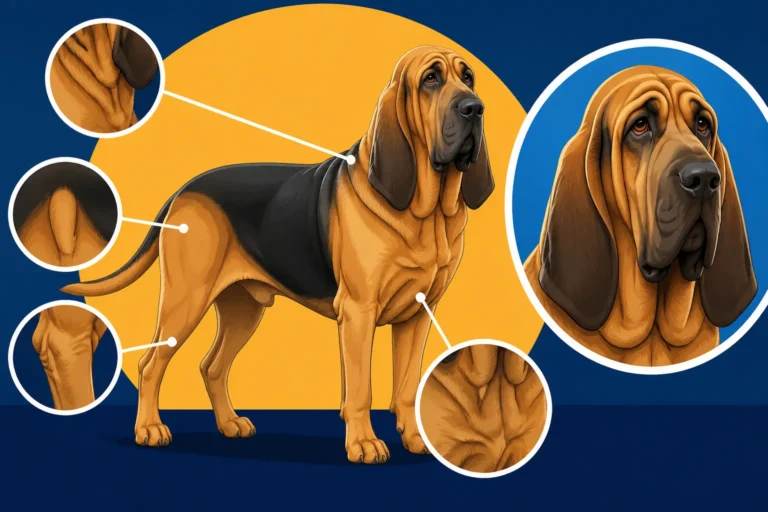
Bloodhounds are truly special, but their unique features, particularly those impressive, long, low-set ears, come with a built-in vulnerability. Think about it: their ear leathers are thick, heavy, and hang down, essentially creating a perfect warm, dark, and often damp environment inside the ear canal. This lack of airflow is a significant factor in why a Bloodhound's ear canal stays damp, preventing it from drying out properly. Moisture, combined with warmth, creates an ideal breeding ground for yeast and bacteria.
Beyond the external ear flap, the internal ear canal itself contributes to the problem. Bloodhounds tend to have narrower ear canals compared to many other breeds. This anatomical structure, coupled with the dense hair that can grow inside the canal, makes it incredibly difficult for air to circulate and for debris or moisture to escape. When you combine these factors, you have a recipe for recurring infections. It’s like a perpetually sealed, humid greenhouse where pathogens can thrive, even with diligent care. This inherent design is why A Bloodhound's Ears Are a Standing Infection Risk from the moment they are born. You're not battling against poor hygiene alone; you're often fighting against nature itself.
Differentiating Acute vs. Chronic Ear Issues
When your Bloodhound gets an ear infection, it usually starts as an acute episode. Maybe they shake their head a little more, scratch at an ear, or you notice a slight odor or discharge. A trip to the vet, some ear cleaner, and a course of drops, and usually, it clears up. This is an acute infection – a sudden onset, typically responsive to treatment. It's something many dogs experience from time to time, and with prompt care, they recover fully.
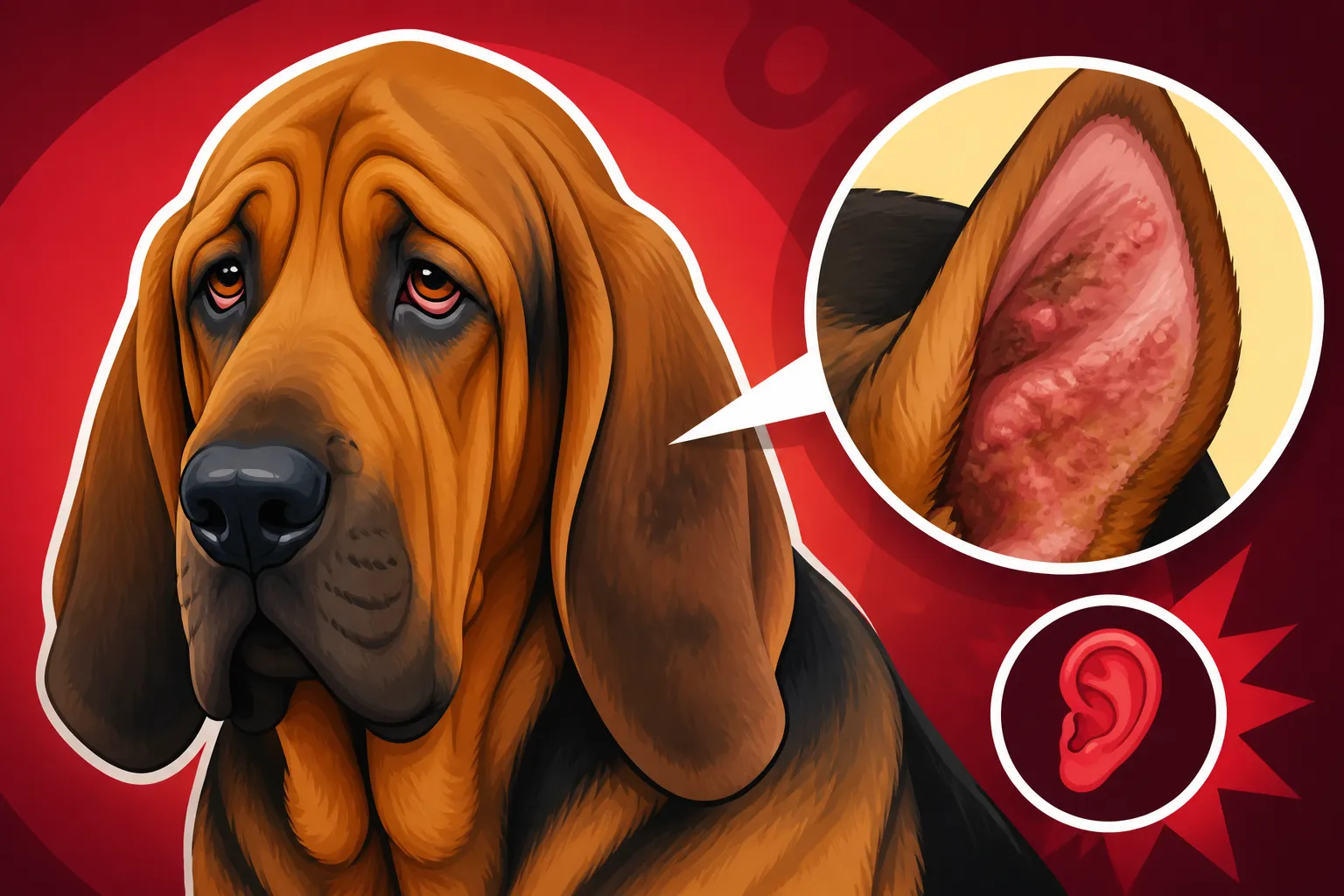
However, for Bloodhounds, these acute episodes can quickly spiral into a chronic nightmare. Chronic means persistent or recurrent over a long period. Instead of one or two infections a year that clear up completely, you might find yourself at the vet every few months, or even weeks. The ear never truly seems to get back to normal. You might notice the skin inside the ear canal looks thicker, redder, or even darker. The discharge might become a constant feature, sometimes waxy, sometimes pus-like. The distinction between an occasional flare-up and a chronic problem is crucial because chronic infections often indicate deeper, underlying issues that aren't being fully addressed by standard treatments. It's a sign that the ear's delicate ecosystem is permanently out of balance, and the cycle of infection is becoming ingrained. Knowing How Often a Bloodhound Gets an Ear Infection can help you track if your dog is moving into chronic territory.
Recognizing the Tipping Point: When Treatments Fail
There's a moment, for many Bloodhound owners, when a sinking feeling sets in: the ear drops aren't working like they used to. The infection clears, but then comes back faster, or never quite goes away. This isn't just frustrating; it's a critical indicator that something more profound is happening within your Bloodhound's ear, moving it closer to a state where the damage could become permanent.
Signs of Escalating and Unresponsive Infections
Initially, you might just notice increased head shaking or scratching. But as an ear infection progresses and becomes more stubborn, the signs become more severe and indicative of deeper discomfort. You might observe a strong, foul odor emanating from the ear, distinct from the usual "hound smell." The discharge could change from a reddish-brown wax to thick, yellowish, or greenish pus. Your Bloodhound might become sensitive to touch around the head and ear, even showing aggression when you try to examine it, simply because they are in so much pain.
Beyond the visible and olfactory cues, pay attention to your Bloodhound's behavior. They might become more lethargic, lose their appetite, or show signs of depression. The ear flap itself might become swollen and warm to the touch. In some advanced cases, the infection can even cause nerve damage, leading to a head tilt, loss of balance, or difficulty eating. If you've been diligently administering prescribed ear drops and cleaning solutions, and these symptoms persist or quickly return, it's a strong sign that the infection is no longer responding effectively to the standard course of treatment. This is the moment to stop hoping it will resolve and to seek immediate, advanced veterinary care.
The Menace of Pathogen Resistance and Biofilms
One of the most insidious reasons treatments can start to fail is the development of pathogen resistance. Just like in humans, the overuse or improper use of antibiotics and antifungals in dogs can lead to bacteria and yeast evolving, becoming impervious to medications that once worked. You might be treating with a broad-spectrum antibiotic, only for the specific bacteria causing the infection to be resistant to it, allowing the infection to rage on unchecked.
Another significant challenge, especially in chronic ear infections, is the formation of biofilms. Biofilms are essentially protective slime layers that bacteria and yeast create around themselves. Imagine a tiny city of microbes encased in a self-made fortress. This biofilm makes it incredibly difficult for topical medications, or even systemic antibiotics, to penetrate and kill the organisms within. They act as a shield, allowing the pathogens to persist despite your best efforts. When your vet takes a swab for cytology and culture, they're looking for signs of these resistant organisms and biofilm presence. Identifying these issues is paramount because it dictates a completely different treatment approach, often requiring specialized medications, longer treatment durations, or even a combination of therapies to break down the biofilm and tackle the resistant bugs. Without addressing these specific challenges, the infection truly can become "permanent" in the sense that it will never fully resolve with conventional methods.
Deepening Damage: Irreversible Changes Within the Ear
When ear infections become chronic, they don't just stay on the surface. The constant inflammation and irritation cause profound changes deep within the ear canal, leading to structural damage that can make a full recovery incredibly difficult, if not impossible, without drastic intervention. This is where the term "permanent" truly begins to apply.
Permanent Structural Remodeling of the Ear Canal
Imagine the delicate, soft tissues of a healthy ear canal. Now, picture them under years of constant assault from infection, inflammation, and medication. The chronic irritation causes the lining of the ear canal to thicken and swell, a process known as hyperplasia. This thickening makes the canal narrower, creating a tight, constricted space that further traps moisture and debris, and makes it even harder for medications to reach the affected areas. This is why a Bloodhound's Ear Canal Can Close Permanently if the inflammation isn't controlled.
Over time, this process can worsen significantly. The cartilage within the ear canal can begin to calcify, turning flexible tissue into hard, bony structures. This leads to a rigid, stenotic (narrowed) ear canal that is essentially a dead end for air circulation and a perfect incubator for bacteria and yeast. Once calcification occurs, the structural changes are largely irreversible. No amount of ear drops or cleaning can reverse a calcified ear canal. At this stage, the ear is in a state of permanent disease, offering little hope for conventional medical treatment to provide lasting relief. The discomfort for your Bloodhound becomes constant, and managing it becomes a full-time job.
Systemic Influences: Allergies, Hormones, and Polyps
It's easy to think of ear infections as just an "ear problem," but often, they are merely a symptom of a larger, systemic issue within your Bloodhound's body. Allergies, whether environmental (like pollen or dust mites) or food-related, are a major culprit in recurrent ear infections. When a Bloodhound has allergies, their immune system overreacts, causing inflammation throughout the body, often manifesting prominently in the skin and, crucially, the ears. This chronic allergic inflammation creates an environment ripe for secondary infections. Without identifying and managing these underlying allergies, you're just putting a band-aid on a gushing wound; the ear infections will keep coming back. Many owners find relief by consulting a veterinary dermatologist to pinpoint specific allergens and develop a comprehensive management plan.
Hormonal imbalances can also play a role. For example, Hypothyroidism in a Bloodhound can weaken the immune system and lead to skin and coat problems, including chronic ear infections. If your Bloodhound has recurrent ear issues along with other symptoms like lethargy, weight gain, or hair loss, your vet might recommend thyroid testing. Addressing the hormonal imbalance can significantly improve the ear's health. Furthermore, sometimes growths like polyps or even tumors can develop within the ear canal. These masses can block airflow, trap debris, and cause chronic inflammation, making it impossible for infections to clear. These growths often require surgical removal to resolve the ear issues definitively.
The Diagnostic Quest for a Definitive Diagnosis
When a Bloodhound's ear infection begins to feel "permanent," it means you've moved beyond routine veterinary visits. At this stage, it's crucial to embark on a more in-depth diagnostic journey to truly understand the extent of the damage and identify the most effective course of action. This often involves specialized tools and expert opinions.
Advanced Imaging and Specialist Consultations
If your Bloodhound's ear infections are recurrent, unresponsive, or showing signs of deep structural changes, your regular veterinarian might recommend advanced diagnostics. X-rays can provide some initial information about the bony structures around the ear, but for true detail of the soft tissues and intricate anatomy of the ear canal and middle ear, advanced imaging is often necessary. A CT scan (Computed Tomography) or an MRI (Magnetic Resonance Imaging) can offer incredibly detailed cross-sectional images of the entire ear structure, including the ear canal, middle ear, and even the inner ear. These scans can reveal thickening of the ear canal, calcification, fluid accumulation in the middle ear, polyps, or tumors that are simply impossible to see with a standard otoscope.
After imaging, or sometimes even before, your vet may suggest a referral to a veterinary specialist. A board-certified veterinary dermatologist or a veterinary surgeon often has specialized equipment, training, and experience in dealing with complex ear diseases. They can perform a thorough examination under sedation, using a video otoscope for a magnified, detailed view of the entire ear canal, even reaching areas deep inside that are otherwise inaccessible. This specialist consultation is a pivotal step in determining if the ear condition has truly become permanent and irreversible through medical means. They will consider all factors, from your dog's history to imaging results, to formulate the most appropriate diagnostic and treatment plan.
Culture, Sensitivity, and Biopsy: Pinpointing the Problem
To effectively combat a stubborn ear infection, you need to know exactly what you're fighting. This is where a culture and sensitivity test becomes invaluable. Instead of just looking at bacteria or yeast under a microscope (cytology), a culture involves taking a sterile swab from the infected ear and sending it to a lab. The lab then grows the bacteria or yeast present and tests them against a panel of different antibiotics and antifungals. The "sensitivity" part tells you which medications are most effective at killing those specific pathogens, guiding your vet to prescribe the precise medication needed, rather than relying on educated guesses. This is especially important when you suspect pathogen resistance.
In cases where polyps or tumors are suspected, or if the tissue looks unusually abnormal, a biopsy might be necessary. This involves taking a small tissue sample from the ear canal, often during a sedated examination, and sending it to a pathology lab. A veterinary pathologist will examine the tissue under a microscope to determine if it's inflammatory tissue, a benign growth, or a malignant tumor. A biopsy provides a definitive diagnosis of any underlying masses, which is crucial for treatment planning, especially if surgery is being considered. These diagnostic steps are more involved and carry a higher cost, but they are absolutely essential when you are trying to address an infection that has become chronic and potentially permanent. Sometimes, getting to the root of the problem might involve a few extra dollars, but knowing the "enemy" means a more effective and targeted approach, potentially saving you more money in the long run by avoiding ineffective treatments. You can learn more about What a Bloodhound's Ear Infection Costs to Treat, and how these diagnostic steps contribute to the overall bill.
Navigating Life with a Bloodhound's Permanent Ear Condition
When a Bloodhound's ear condition is deemed "permanent," it doesn't mean giving up. Instead, it shifts the focus from a cure to comprehensive management and, in some severe cases, surgical intervention to restore comfort and quality of life. This phase of care requires commitment and a clear understanding of the options available.
Long-Term Medical Management Strategies
For Bloodhounds with permanent ear changes that aren't yet severe enough for surgery, or for owners who wish to delay it, long-term medical management becomes the new normal. This isn't about curing the problem but about controlling it as effectively as possible to keep your dog comfortable and prevent debilitating flare-ups. This often involves a multi-pronged approach tailored by your veterinary specialist.
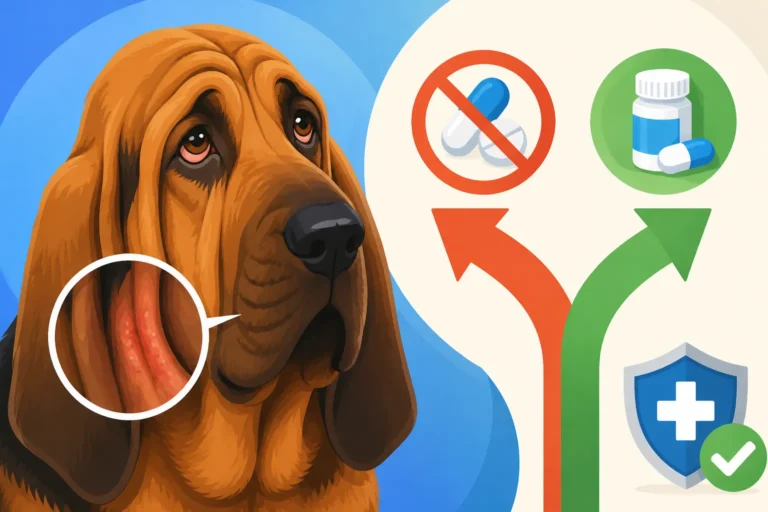
You might be looking at a rigorous schedule of specialized ear cleaning solutions, sometimes daily or every other day, designed to break down debris and maintain a healthy ear environment. These aren't just your run-of-the-mill over-the-counter cleaners; they might be prescription-strength formulations. Topical medications, containing combinations of antibiotics, antifungals, and anti-inflammatory steroids, might be administered on a pulsed schedule – perhaps a few times a week indefinitely – rather than a short course. Additionally, systemic medications, such as oral anti-inflammatories or even long-term antibiotics in very specific, carefully monitored cases, may be used to reduce inflammation and infection throughout the body.
Managing underlying allergies is paramount. This could involve hypoallergenic diets (often requiring strict adherence to novel protein or hydrolyzed protein foods like those from Royal Canin or Purina), environmental controls to reduce exposure to allergens, and sometimes even allergy shots (immunotherapy). While these measures require significant dedication and consistency, they are crucial for providing your Bloodhound with the best possible quality of life despite their permanent ear condition. It's a journey of continuous adjustment, working closely with your vet to find the right balance of treatments.
Surgical Solutions: The Path of Total Ear Canal Ablation
When medical management fails to provide adequate comfort, or when the ear canal has become so irreversibly damaged by thickening, calcification, or recurring tumors that it's a constant source of pain and infection, a radical surgical procedure called Total Ear Canal Ablation (TECA) combined with bulla osteotomy might be the necessary, albeit last resort, solution. This isn't a decision taken lightly.
TECA involves the complete surgical removal of the diseased ear canal, from the external opening down to the tympanic bulla (a bony cavity in the skull that houses parts of the middle ear). A bulla osteotomy often accompanies this to clean out any infected material from the middle ear. The goal is to eliminate the source of chronic infection and pain entirely, providing a permanent solution where all other options have failed. This is a highly specialized surgery, typically performed by a board-certified veterinary surgeon. It effectively means that the dog will no longer have an ear canal on the affected side, and therefore, will be deaf in that ear. The cosmetic outcome is also significant; while the ear flap remains, there will be no visible ear canal opening. This procedure offers profound relief from pain and eliminates the chronic infection cycle. If you're considering this, understanding What a Total Ear Canal Ablation Means for a Bloodhound is essential. It's a major undertaking but can dramatically improve a dog's quality of life.
Considerations for Post-Surgical Life and Canine Well-being
Undergoing a TECA is a significant event for a Bloodhound and their family. The recovery period requires careful management. Your dog will likely need pain medication for several weeks, and the surgical site will need to be kept clean and monitored for any signs of complications. Elizabethan collars are typically required to prevent scratching or rubbing the incision. The immediate post-operative period will involve managing discomfort and ensuring proper healing, usually overseen by your veterinarian and the surgeon.
Beyond the initial recovery, there are long-term considerations. The most obvious is hearing loss in the affected ear. Most Bloodhounds adapt remarkably well, especially if the other ear is healthy. If both ears require TECA, the dog will be completely deaf, which requires adjustments to how you communicate and interact with them. Training with hand signals and ensuring a safe environment free from unexpected startling noises becomes crucial. Despite the loss of hearing, the immense relief from chronic pain and infection often leads to a vastly improved quality of life. Many owners report that their Bloodhound, once constantly bothered by their ears, becomes more energetic, playful, and generally happier after recovering from TECA. They regain the joy that chronic pain had taken away.
Financially, TECA is a considerable expense, often costing several thousand dollars. This is where pet insurance, like a policy from Healthy Paws, can be incredibly valuable, as it can help cover a significant portion of these surgical costs, especially if the policy was in place before the chronic condition was diagnosed. Understanding Whether a Bloodhound Loses Hearing After Ear Surgery is key to setting realistic expectations for their post-surgical life. The decision for TECA is a difficult one, but for many Bloodhounds suffering from permanent ear disease, it offers the only true path to lasting comfort and freedom from pain.
Proactive Measures to Prevent Permanent Ear Damage
While it's sobering to consider that a Bloodhound's ear infection can become permanent, the good news is that proactive and diligent care can significantly reduce this risk. Preventing the progression of ear issues from acute to chronic, and eventually irreversible, is about consistent effort and early intervention.
Meticulous Routine Ear Care from Puppyhood
The journey to preventing permanent ear damage truly begins in puppyhood. Establishing a routine of meticulous ear care from a young age helps your Bloodhound get accustomed to the process, making it less stressful for both of you as they grow. Because a Bloodhound's ears are prone to problems, Cleaning a Bloodhound's Ears Every Week for Life isn't just a suggestion; it's a necessity.
This involves gently cleaning the visible parts of the ear flap and the entrance to the ear canal with a vet-approved ear cleaning solution designed for dogs. Always choose solutions that are non-irritating and formulated to help dry the ear canal slightly. Avoid cotton swabs, as these can push debris further into the canal and potentially damage the eardrum. Instead, use soft cotton balls or gauze pads. Pay close attention to the deep folds and crevices of the ear leather, as these are prime spots for moisture and debris accumulation. After cleaning, ensure the ears are as dry as possible. Regular ear plucking is generally not recommended unless specifically advised by your vet, as it can sometimes cause microtraumas that lead to infection. Consistency is key; by keeping the ears clean and dry, you're creating an environment less hospitable to the growth of yeast and bacteria, which are the usual suspects in infections.
Aggressive and Comprehensive Treatment for Every Ear Infection
The biggest mistake an owner can make with a Bloodhound's ear issues is to underestimate any infection. It's easy to dismiss a mild case as "just another ear infection," but allowing even seemingly minor infections to fester or not treating them thoroughly can pave the way for chronic issues and permanent damage. Every single ear infection, no matter how minor it appears, warrants a complete course of veterinary attention.
This means a prompt visit to the veterinarian at the first sign of discomfort. Your vet will examine the ear, take a swab for cytology to identify the type of infection (yeast, bacteria, or both), and prescribe appropriate medications. It is absolutely crucial to follow the treatment instructions to the letter, even if the ear appears to be clearing up before the medication runs out. Stopping treatment prematurely is a common reason for recurrence and the development of resistant strains. If the infection doesn't respond as expected, don't hesitate to go back to the vet for a recheck. This might involve a culture and sensitivity test, as discussed earlier, to pinpoint the most effective antibiotic or antifungal.
Being thorough also means investigating any underlying causes, such as allergies. If your Bloodhound experiences recurrent ear infections, working with your vet to explore allergy testing or a food elimination trial can be a game-changer. By aggressively treating each infection and addressing any predisposing factors, you significantly reduce the chance of the ear canal undergoing irreversible changes and your Bloodhound suffering from a permanent ear condition. Taking these proactive steps can truly make a difference in your Bloodhound's long-term ear health and overall well-being.
Comparison of Bloodhound Ear Conditions
Understanding the nuances between different stages of ear issues can help you advocate for your Bloodhound's health. Here's a quick comparison:
| Feature | Acute/Mild Infection | Chronic/Recurrent Infection | Permanent Ear Disease (e.g., severe otitis externa) |
|---|---|---|---|
| Frequency | Occasional (1-2 times a year) | Frequent (multiple times a year, or never fully resolves) | Constant, debilitating, irreversible damage |
| Symptoms | Mild head shaking, scratching, slight odor/discharge | Persistent head shaking, pain, strong odor, thick discharge, ear thickening | Severe pain, discharge, canal narrowing/calcification, hearing loss, head tilt, lack of response to meds |
| Pathogens | Common bacteria/yeast, usually responsive | Resistant bacteria/yeast, biofilms common | Resistant pathogens, often secondary to structural changes |
| Anatomical | Ear canal largely normal | Ear canal lining thickens, mild narrowing | Severe canal narrowing (stenosis), calcification, middle ear involvement |
| Treatment | Standard ear cleaner, topical antibiotics/antifungals (short course) | Targeted medications based on culture, long-term topical/systemic, allergy management | Surgical (TECA), long-term pain management, specialized care |
| Prognosis | Excellent with proper treatment | Guarded; requires diligent management and addressing underlying causes | Poor for medical cure; surgery offers relief from pain and infection |
| Cost | Moderate per episode | High due to repeated visits, diagnostics, specialized meds | Very High, especially with surgery and specialist care |
Disclaimer
The information provided in this article is for general informational purposes only and is not a substitute for professional veterinary advice. Always consult with a qualified veterinarian for any health concerns or before making any decisions related to your Bloodhound's care.