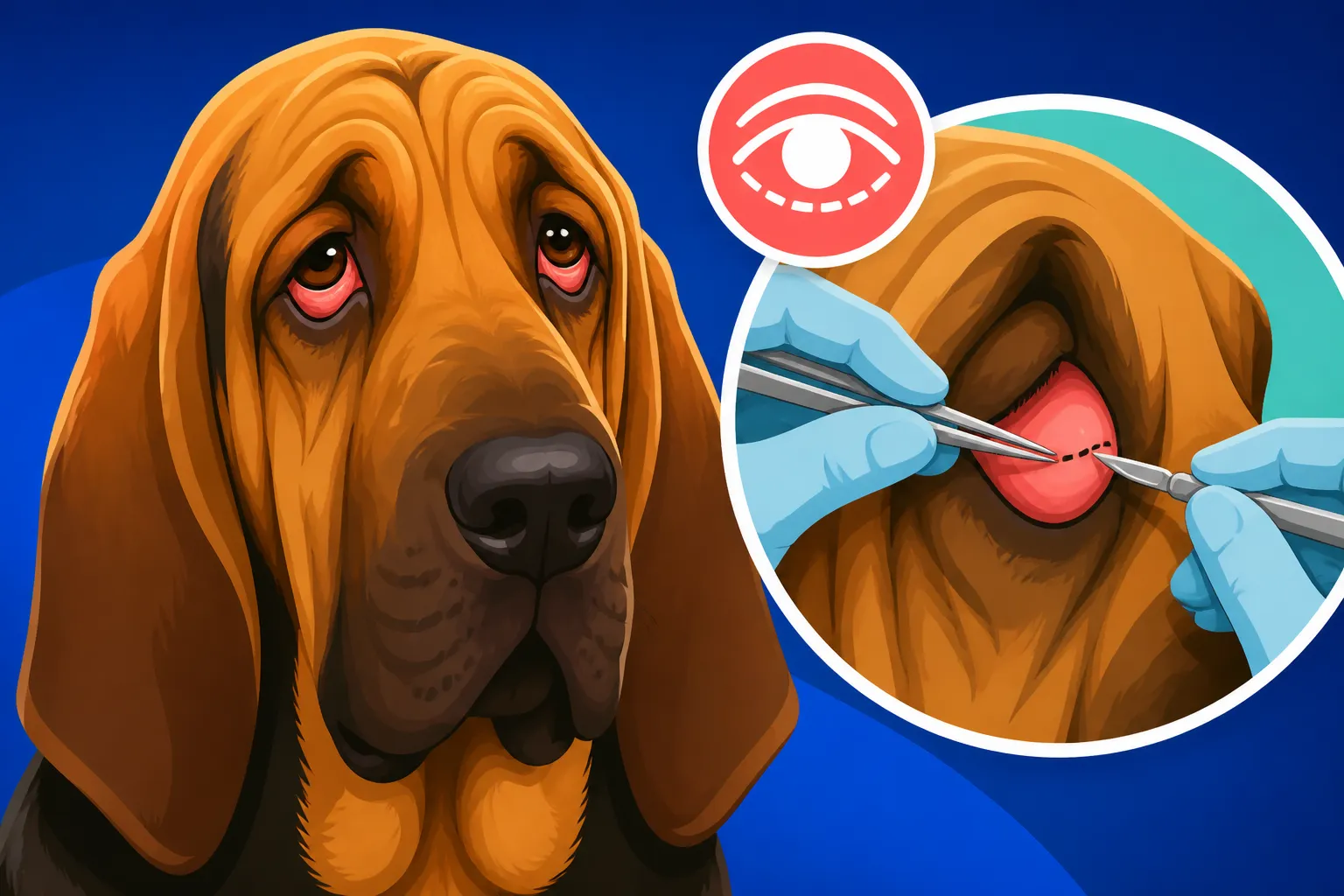
When a Bloodhound’s Eyelids Need Surgery
One of the most heart-wrenching realities of sharing your life with a majestic Bloodhound is grappling with their unique physical traits, especially their famously droopy eyes. While these features are part of their iconic look and exceptional scenting ability, they often lead to a myriad of uncomfortable and potentially serious eyelid conditions that leave our beloved hounds in pain. This comprehensive guide will walk you through the various eyelid issues Bloodhounds commonly face, detailing precisely when surgical intervention becomes a crucial step to ensure their comfort, health, and quality of life.
Understanding Common Bloodhound Eyelid Conditions
Bloodhounds are renowned for their loose skin and distinctive facial wrinkles, which contribute significantly to their incredible scenting prowess by trapping scent particles. However, these same characteristics can predispose them to several inherited eyelid conditions. It's not just a matter of aesthetics; these issues can cause chronic irritation, pain, and even permanent damage to their precious eyesight if left unaddressed.
Ectropion: The Drooping Lower Lid
Ectropion is probably the most visually recognizable eyelid condition in Bloodhounds, often contributing to their famously "sad" or "wise" expression. It's characterized by the outward rolling or drooping of the lower eyelid, exposing the delicate pink conjunctiva to the environment. If you've ever seen a Bloodhound where the lower part of their eye appears to sag significantly, revealing the red lining underneath, you're likely looking at a case of ectropion. This condition isn't just a look; it's a doorway for trouble.
When the eyelid sags, it can no longer perform its vital function of protecting the eye and evenly distributing tear film. This leads to chronic dryness, irritation from dust and debris, and increased susceptibility to bacterial infections. Imagine having a constant draft in your eye, coupled with dust blowing in – that's often what a Bloodhound with significant ectropion experiences. It's a common concern, and owners often wonder, "What Ectropion Looks Like on a Bloodhound," confirming their suspicions. The severity can range from mild, almost imperceptible drooping to a pronounced "hound dog eye" that leaves much of the inner lid exposed. It's vital to recognize that this isn't just a charming breed trait; it's a medical condition requiring attention.
Entropion: The Inward-Rolling Lid
While ectropion involves an outward roll, entropion is its equally problematic counterpart: the inward rolling of the eyelid margin. This condition causes the eyelashes and surrounding fur to constantly rub against the sensitive surface of the cornea, which is the clear outer layer of the eye. If ectropion is a drafty window, entropion is like having sandpaper rubbing your eye with every blink. It’s excruciating and highly damaging.
The constant friction from entropion can lead to painful corneal ulcers, chronic inflammation, excessive tearing, and even scarring that can impair vision over time. Young Bloodhound puppies can sometimes show temporary entropion, particularly if they are underweight or dehydrated, but persistent or severe cases almost always require intervention. Owners observing their Bloodhound squinting, tearing excessively, or rubbing their eyes should consider what Entropion Does to a Bloodhound's Eye and seek veterinary attention promptly. Untreated, this condition can lead to profound discomfort and irreversible eye damage, making it a critical health concern for the breed.
Cherry Eye: Prolapsed Third Eyelid Gland
Unlike ectropion and entropion, which affect the upper and lower eyelids, "cherry eye" involves the nictitating membrane, commonly known as the third eyelid. This small, pinkish membrane normally rests discreetly in the inner corner of a dog's eye, acting as an extra layer of protection and containing a tear-producing gland essential for eye lubrication. With cherry eye, this gland prolapses, or pops out, from its normal position, appearing as a red, swollen mass – much like a small cherry – in the corner of the eye.
While less directly related to the loose skin of the Bloodhound's face, cherry eye is still a common concern in the breed and other large breeds. When the gland prolapses, it not only looks alarming but can also become irritated, inflamed, and even lose its ability to produce tears effectively, potentially leading to a secondary condition known as Dry Eye in a Bloodhound. It’s not necessarily painful in the way entropion is, but it is uncomfortable and can impact the eye’s long-term health. The condition, often seen in puppies or young adult Bloodhounds, requires prompt veterinary assessment to determine the best course of action. You can learn more about the specifics of "Cherry Eye in a Bloodhound" to understand this condition better.
Distichiasis and Ectopic Cilia
Beyond the more visible eyelid structural issues, Bloodhounds can also contend with aberrant eyelashes, namely distichiasis and ectopic cilia. These conditions, while sometimes subtle, can be just as irritating and damaging to the eye as more obvious problems.
Distichiasis involves extra eyelashes that grow from the meibomian glands along the eyelid margin, often emerging from the oil glands within the eyelid itself. These rogue lashes can be soft and harmless, or they can be stiff and rub against the cornea, causing irritation, tearing, and even corneal ulcers. It’s like having tiny splinters perpetually poking the surface of the eye. Ectopic cilia are even more insidious, as they are single hairs that grow through the conjunctiva (the pink lining of the eyelid) and point directly at the cornea, causing intense, localized pain and potential ulceration with every blink. Because these hairs can be hard to spot without magnification, their presence is often only suspected due to persistent eye discomfort and recurrent corneal issues. Both conditions require a thorough veterinary ophthalmological exam to diagnose accurately and often necessitate surgical removal or destruction of the hair follicle to provide relief.
When Is Surgery Absolutely Necessary for Bloodhound Eyelids?
Understanding the various eyelid conditions is one thing, but knowing when to pull the trigger on surgery can be a stressful decision for any Bloodhound owner. It's easy to wonder if an issue will simply "get better" or if a less invasive treatment might suffice. However, with eyelid issues, proactive intervention often prevents much larger problems down the line, safeguarding your hound's vision and overall well-being.
Addressing Pain, Discomfort, and Chronic Infection
The primary driver for eyelid surgery in Bloodhounds is almost always to alleviate pain, eliminate chronic discomfort, and resolve persistent infections. Bloodhounds are stoic, but issues like entropion, severe ectropion, or irritating distichia can cause them constant, nagging pain. They might squint, rub their faces, tear excessively, or even become lethargic due to ongoing discomfort. If you notice your Bloodhound frequently pawing at their face, showing red, watery eyes, or having discharge, these are clear indicators that something is amiss.
Chronic irritation often leads to secondary bacterial infections (conjunctivitis) because the eye’s natural defenses are compromised. With ectropion, the exposed conjunctiva becomes dry and inflamed, a perfect breeding ground for bacteria. With entropion, the constant rubbing can create tiny abrasions on the cornea that easily become infected. When topical antibiotics and anti-inflammatory drops only offer temporary relief, or if infections recur quickly after treatment stops, it's a strong sign that the underlying structural problem needs surgical correction. The goal isn't just to treat the infection, but to fix the root cause, stopping the cycle of pain and medication. For many Bloodhounds, this is the turning point where the vet advises that it’s time for "When a Bloodhound's Eyelids Need Surgery."
Preventing Vision Loss and Corneal Damage
Beyond immediate pain, the long-term risk of untreated eyelid conditions includes permanent vision impairment or even blindness. The cornea is a delicate structure, and continuous exposure or abrasion can cause irreversible damage. Corneal ulcers, which are open sores on the eye's surface, are a grave concern, particularly with entropion or ectopic cilia. These ulcers can penetrate deep into the eye, lead to scarring, or even rupture the eyeball in severe cases.
Even with less dramatic conditions like severe ectropion, chronic dryness and exposure can lead to corneal pigmentary keratitis, where dark pigment spreads across the cornea, gradually blocking light and reducing vision. This process is slow but insidious. Early surgical correction aims to restore the eyelid's protective function, allowing the cornea to heal and preventing further damage. It’s about preserving their sight, which is crucial for a dog that relies on all its senses. Ignoring these issues in the hope they'll resolve naturally is a dangerous gamble that could cost your Bloodhound their ability to see the world.
Quality of Life Considerations
Ultimately, eyelid surgery is often a critical step in improving your Bloodhound's overall quality of life. A dog in constant pain or discomfort cannot truly enjoy being a dog. They might be less playful, more withdrawn, or hesitant to engage in activities they once loved, like exploring scents outdoors. Think about it: a Bloodhound with compromised vision or perpetually irritated eyes might struggle to confidently navigate its environment, impacting its natural trailing instincts and general happiness.
For many owners, the question of "Whether a Bloodhound's Eyelid Surgery Is Cosmetic" sometimes arises. It's crucial to understand that while a Bloodhound's droopy eyes are characteristic, severe cases are rarely purely cosmetic. They are almost always about function and comfort. The ability to see clearly, without pain or constant irritation, allows them to engage with their world fully, enjoy their walks, and interact happily with their family. Investing in surgical correction, while a significant decision, often results in a happier, healthier, and more engaged Bloodhound, making it a worthwhile choice for their long-term well-being.
The Surgical Options for Bloodhound Eyelid Issues
Once the decision is made that surgery is necessary, it's important to understand that there isn't a one-size-fits-all approach. Veterinary ophthalmologists have a variety of techniques at their disposal, tailored to the specific type and severity of your Bloodhound's eyelid condition. These procedures aim to reconstruct the eyelid to its proper anatomical position, ensuring it can function correctly.
Ectropion Repair Techniques
For ectropion, the goal of surgery is to shorten and tighten the lower eyelid, allowing it to sit closer to the eyeball and adequately protect the ocular surface. Several techniques can be employed, often involving the removal of a small wedge of tissue from the eyelid, followed by careful suturing to restore a natural contour. One common procedure is the Hotz-Celsus technique, or variations thereof, which involves removing an elliptical piece of skin and muscle from below the eyelid and then stitching the remaining edges together to pull the lid up.
Another approach, particularly for generalized laxity, might involve a V-Y blepharoplasty, where a V-shaped incision is made, and the skin is repositioned to achieve the desired tension. Sometimes, in very young puppies with severe ectropion that might resolve with growth or weight gain, temporary eyelid tacking can be done. This involves placing sutures that temporarily pull the eyelid into a better position, giving the puppy time to grow. This temporary measure is often referred to when discussing "The Age a Bloodhound Has Its Eyelids Tacked" and is typically reassessed as the pup matures. The exact technique chosen will depend on the individual Bloodhound's anatomy, the extent of the ectropion, and the veterinary ophthalmologist's preference.
Entropion Correction Methods
Entropion repair is also typically a reconstructive procedure, but its goal is the opposite of ectropion: to roll the eyelid outward. The most common surgical approach is the modified Hotz-Celsus technique, similar to that used for ectropion but adapted to evert the lid rather than tighten it. This involves removing a crescent-shaped piece of skin and underlying muscle from the affected eyelid, parallel to the lid margin. When the edges are sutured together, the tension pulls the eyelid margin away from the eyeball, preventing the lashes from rubbing.
For puppies, a temporary eyelid tacking procedure can also be performed for entropion. This involves placing temporary sutures that roll the eyelid outward, giving the puppy's face time to develop. These temporary tacks are usually removed after a few weeks, and the eye is re-evaluated. If the entropion persists into adulthood or is severe from the outset, a more permanent surgical correction is recommended. Precision is key in these surgeries to avoid overcorrection (leading to iatrogenic ectropion) or undercorrection, which would necessitate further intervention.
Cherry Eye Repair Tucking vs Removal
When it comes to cherry eye, the preferred surgical method is almost always to reposition the prolapsed gland back into its normal pocket, rather than removing it. The nictitating membrane gland is crucial for tear production, contributing a significant percentage of the eye’s natural lubrication. Removing it dramatically increases the risk of developing dry eye (keratoconjunctivitis sicca or KCS) later in life, a condition that requires lifelong medication.
The most common technique for repositioning is the "pocket technique," developed by Dr. Leonard Moore. This involves creating a small pocket in the conjunctiva, tucking the prolapsed gland inside, and then suturing the pocket closed, holding the gland securely in place. Another method, the orbital rim tacking technique, involves suturing the gland to the periosteum (bone lining) of the orbital rim. Both aim to keep the gland functional and out of sight. While the gland can prolapse again after surgery, these techniques have a good success rate. It's a common question among owners whether "Whether a Bloodhound's Cherry Eye Should Be Tucked or Removed," and the strong consensus among specialists is to tuck and preserve the gland whenever possible.
Addressing Aberrant Eyelashes
Surgical intervention for distichiasis and ectopic cilia is very precise, focusing on eliminating the problematic hair follicles. For distichiasis, cryoepilation (freezing the hair follicles) is a common and effective method. This procedure involves freezing the follicles with a cryoprobe, which destroys them and prevents the aberrant lashes from growing back. It's often performed under general anesthesia due to the delicate nature of the area.
For ectopic cilia, which are single hairs growing through the conjunctiva, direct surgical excision is usually the chosen method. This involves carefully cutting out the small piece of conjunctival tissue containing the ectopic cilium. Because these hairs are often the cause of intense pain and recurrent corneal ulcers, their precise removal is critical. Both procedures require skilled hands and often specialized equipment, highlighting the importance of consulting with a board-certified veterinary ophthalmologist for diagnosis and treatment.
| Eyelid Condition | Primary Issue | Typical Surgical Approach | Goal of Surgery | Potential Complications |
|---|---|---|---|---|
| Ectropion | Outward rolling lower lid, exposed conjunctiva | Wedge resection, V-Y blepharoplasty, temporary tacking (puppies) | Tighten/shorten lid, protect eye | Under/over-correction, infection |
| Entropion | Inward rolling lid, lashes rub cornea | Modified Hotz-Celsus, temporary tacking (puppies) | Roll lid outward, prevent corneal abrasion | Under/over-correction, infection, scarring |
| Cherry Eye | Prolapsed gland of third eyelid | Pocket technique, orbital rim tacking | Reposition gland, preserve tear production | Re-prolapse, infection, swelling |
| Distichiasis | Extra lashes from eyelid margin | Cryoepilation (freezing follicles) | Destroy follicles, prevent lash regrowth | Follicle damage, incomplete removal |
| Ectopic Cilia | Single hair growing through conjunctiva | Surgical excision (direct removal) | Remove hair & follicle, eliminate irritation | Incomplete removal, scarring |
Preparing for Eyelid Surgery and Post-Operative Care
Deciding on surgery for your Bloodhound's eyes is a big step, and preparing for it properly, along with diligent post-operative care, is essential for a successful outcome. It’s not just about the procedure itself, but everything that surrounds it.
Pre-Surgical Diagnostics and Consultations
Before any eyelid surgery, your Bloodhound will undergo a thorough examination by your primary veterinarian, and likely a specialist veterinary ophthalmologist. This isn't just a quick glance at their eyes; it's a comprehensive assessment to ensure they are a good candidate for anesthesia and to precisely plan the surgical approach. This will include a full physical exam, blood work to check organ function, and potentially urinalysis. For the eyes specifically, the ophthalmologist will perform detailed tests.
They'll likely use special instruments to evaluate tear production (Schirmer Tear Test, which is particularly important if dry eye is a concern), check intraocular pressure, and apply fluorescein stain to detect any existing corneal ulcers. They'll also closely examine the specific anatomy of your Bloodhound's eyelids and surrounding facial structures. This consultation is your opportunity to ask every question you have, understand the risks, the specific technique that will be used, and what to expect during recovery. Being prepared and informed helps ease a lot of the natural anxiety that comes with your beloved Bloodhound undergoing surgery.
Managing Expectations and Recovery Time
No matter how routine an eyelid surgery might seem to a specialist, it's still a surgical procedure, and recovery takes time and patience. Your Bloodhound will likely go home the same day or the following day, often wearing an Elizabethan collar (e-collar) to prevent them from rubbing or scratching their healing eyes. This cone is not a fashion statement, but a critical tool to prevent self-trauma that could undo the surgery or introduce infection. Expect them to need to wear this for several weeks.
Post-operative care typically involves a regimen of eye drops or ointments – often a combination of antibiotics and anti-inflammatories – to prevent infection and manage swelling. You'll need to administer these carefully and consistently as directed. Swelling and bruising around the eyes are normal immediately after surgery and will gradually subside. Follow-up appointments with the ophthalmologist are crucial to monitor healing and remove sutures if needed. While the initial recovery phase might be a few weeks, the full healing process can take longer, and permanent results are often assessed after a couple of months. It’s also important to remember that some breeds, like Bloodhounds, might need "Whether a Bloodhound Needs Eyelid Surgery Twice" due to their unique facial structure or if the initial correction isn't quite sufficient.
Long-Term Management and Potential Complications
Even after successful surgery and recovery, long-term management of your Bloodhound's eye health remains vital. Their unique facial anatomy means they may always require a little extra attention. This could include regular cleaning around the eyes to prevent tear staining or irritation from trapped debris, which is part of "Daily Eye Care for a Bloodhound." You'll need to be vigilant for any signs of recurrence of the original condition or the development of new issues.
Complications, while rare, can include infection, dehiscence (suture line breaking open), or under/over-correction of the eyelid. An under-correction might mean the problem isn't fully resolved, while an over-correction could lead to the opposite issue (e.g., correcting entropion too much might induce ectropion). If you notice persistent redness, discharge, increased squinting, or a worsening of the original problem, contact your vet immediately. Regular check-ups with your veterinarian or ophthalmologist will help ensure any potential long-term issues are caught early and addressed promptly, maintaining your Bloodhound’s comfort and vision for years to come.
Financial Considerations and Insurance for Eyelid Surgery
Thinking about your Bloodhound's health can be emotionally draining, and then the practical reality of veterinary bills often adds another layer of stress. Eyelid surgery, while often essential, can represent a significant financial commitment. Understanding the costs and how pet insurance might help can make a world of difference.
Estimating the Cost of Eyelid Procedures
The cost of Bloodhound eyelid surgery can vary quite a bit depending on several factors: the specific condition being treated, the complexity of the procedure, whether it's one eye or both, the geographic location of your veterinary clinic, and whether a general practitioner or a board-certified veterinary ophthalmologist performs the surgery. Generally, procedures like entropion or ectropion repair can range from $1,000 to $3,000 or more per eye. "What Eyelid Surgery Costs on a Bloodhound" can be a shock if you're not prepared, especially when you consider pre-surgical diagnostics, anesthesia, the surgery itself, post-operative medications, and follow-up visits.
Cherry eye repair typically falls in a similar range. If your Bloodhound requires specialized procedures like cryoepilation for distichiasis or excision of ectopic cilia, these might be additional costs or factored into the overall surgical plan. It’s always best to get a detailed estimate from your veterinarian or ophthalmologist, outlining all potential expenses, so you can plan accordingly. Remember that this is an investment in your Bloodhound’s health and comfort, preventing more costly and painful issues down the road.
Navigating Pet Insurance Coverage
This is where pet insurance can be a true lifesaver for Bloodhound owners. Conditions like ectropion, entropion, and cherry eye are often considered "hereditary" or "congenital" in predisposed breeds. While some insurance plans might have limitations or exclusions for pre-existing conditions (conditions diagnosed before coverage begins), a good pet insurance policy, especially one acquired when your Bloodhound is a puppy, can provide substantial coverage for these often-needed surgeries.
Many providers, like Healthy Paws, offer comprehensive accident and illness plans that can cover a significant portion of surgical costs, including diagnostics, specialist fees, anesthesia, and medication, provided the condition isn't pre-existing. It's crucial to read policy details carefully and ask questions about congenital/hereditary condition coverage and waiting periods. For instance, if you get a Healthy Paws policy for your young Bloodhound, and a few months or a year later they develop entropion, that surgery would typically be covered, saving you thousands of dollars. Having a plan with Healthy Paws can truly alleviate the financial burden, allowing you to focus on your Bloodhound's recovery rather than the bill.
The Value of Early Intervention
Beyond the immediate financial costs, there’s the question of value. Delaying necessary eyelid surgery can lead to chronic pain, recurrent infections, and potentially irreversible corneal damage, all of which incur their own costs – both financial and in terms of your Bloodhound's suffering. Treating a corneal ulcer, for example, can involve frequent vet visits, multiple medications, and potentially emergency procedures, adding up quickly. If you're wondering "What Treating a Bloodhound's Corneal Ulcer Costs," rest assured it's not insignificant, and often preventable.
Early surgical intervention, while a lump sum expense, often prevents these cascading complications. It can mean a quicker, less complicated recovery, fewer medications over time, and a dramatically improved quality of life for your Bloodhound. When comparing the cost of a single surgery to potentially years of managing chronic pain, infections, and treating advanced eye disease, the long-term value of early correction becomes clear. A reliable pet insurance provider like Healthy Paws can make this crucial early intervention financially feasible, ensuring your Bloodhound gets the care they need without delay.
Preventing and Managing Minor Eyelid Irritations
While surgery is often necessary for significant structural eyelid problems in Bloodhounds, there's a lot you can do as an owner to prevent minor irritations and keep their eyes as healthy and comfortable as possible. Daily care and vigilance are your best tools in maintaining their ocular health and spotting issues early.
Daily Cleaning and Maintenance
Given their uniquely droopy eyelids and facial folds, Bloodhounds require consistent, gentle daily eye care. Their lower lids, especially if they have some degree of ectropion, can collect dust, debris, and environmental irritants. Tears and discharge can also accumulate, leading to tear staining and potential skin irritation. This is why "Whether a Bloodhound's Eye Should Be Rinsed Daily" is a common question, and the answer is often a resounding yes for many individuals.
Start by gently wiping around your Bloodhound's eyes with a soft, clean cloth dampened with warm water or a veterinarian-approved saline solution. You can purchase specialized eye wipes or cleansers designed for dogs from brands like Eye Envy or Earthbath, which are formulated to be gentle and effective. Be especially attentive to the inner corners and the lower lid margin. Regularly removing debris and keeping the area clean helps prevent the buildup of bacteria that can lead to infections. Incorporating this into your daily routine, perhaps after walks or meals, can make a huge difference in their comfort and health. Remember, consistency is key!
Environmental Factors and Protection
Your Bloodhound's environment plays a significant role in their eye health. Because their eyes can be more exposed due to ectropion, they are more susceptible to environmental irritants. Dust, pollen, strong winds, and even certain cleaning chemicals can cause irritation and inflammation. If your Bloodhound spends a lot of time outdoors, especially in dusty or windy conditions, consider using dog-specific eye drops to help flush out irritants or protective eyewear (like Doggles) for activities that might expose them to hazards, such as riding in a car with the window down or venturing into brushy areas.
Indoors, be mindful of strong air currents from fans or air conditioners that can dry out their eyes. Also, consider the type of bedding they use. Materials that shed a lot of fibers or attract dust might exacerbate eye irritation. Regularly cleaning their living spaces and choosing hypoallergenic bedding can contribute to better eye health. If your Bloodhound has been diagnosed with "The Four Eye Problems a Bloodhound Is Born Toward," environmental management becomes even more critical in conjunction with veterinary care.
Recognizing Early Signs of Trouble
Perhaps the most important aspect of preventing serious eyelid issues is being able to recognize the early signs of trouble. As their owner, you are your Bloodhound’s first line of defense. Get into the habit of routinely checking their eyes. Look for changes in their normal appearance, such as excessive redness of the conjunctiva, swelling around the eyelids, or a notable increase in discharge (especially if it changes color or consistency).
Observe their behavior. Are they squinting more than usual? Pawing at their face? Are their eyes excessively watery or appear dry and dull? Is there a noticeable change in "Why a Bloodhound's Lower Lid Hangs Away From the Eye" that seems sudden or worse than before? Any new or worsening symptoms warrant a call to your veterinarian. Early detection allows for prompt treatment, which can often prevent a minor issue from escalating into a painful infection or a condition requiring emergency surgery. Don't hesitate to seek professional advice; it's always better to be safe than sorry when it comes to your Bloodhound's precious eyes.
Disclaimer
This article is intended for informational purposes only and does not constitute veterinary medical advice. Always consult with a qualified veterinarian or veterinary ophthalmologist for any health concerns or before making any decisions about your Bloodhound's medical care.