What Ectropion Looks Like on a Bloodhound
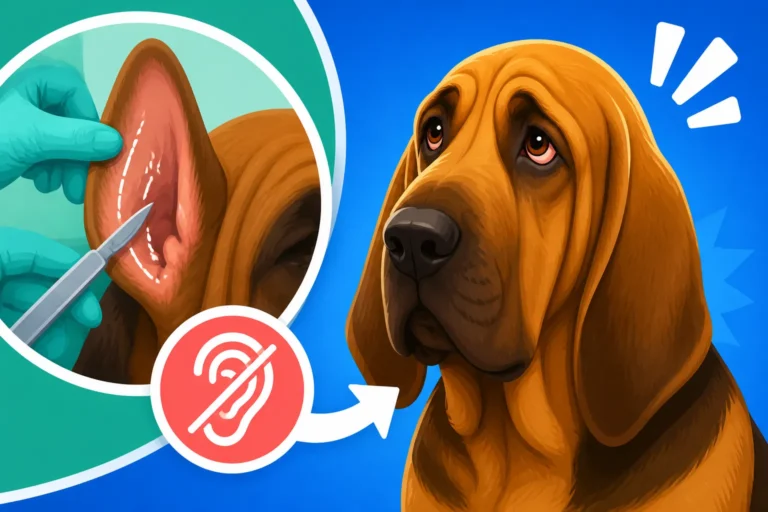
That mournful, droopy-eyed expression in a Bloodhound is undoubtedly one of their most endearing and iconic features. However, for many Bloodhound owners, this charming characteristic often brings with it a host of frustrating and sometimes painful eye issues. This guide will walk you through precisely what ectropion looks like in your beloved hound, helping you distinguish between a normal, breed-standard droop and a condition that requires your immediate attention and care.
Understanding Ectropion's Visual Presentation in Bloodhounds
Ectropion in Bloodhounds isn't just a clinical term; it's a very visible characteristic of the breed, a direct result of their wonderfully loose skin. While it contributes significantly to their famous "sad" or "wise" expression, it can also lead to genuine discomfort and health issues. Owners often struggle to know what's normal and what's a problem, and that uncertainty can be worrying.
The Distinctive "Droopy" Look of the Lower Eyelid
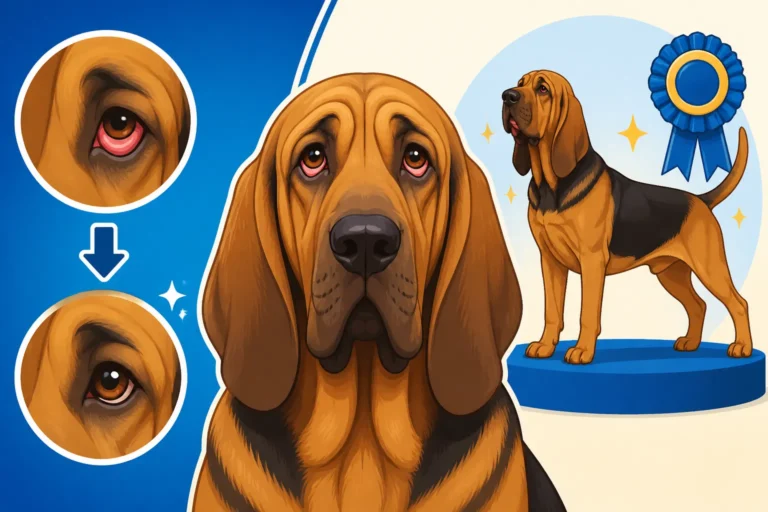
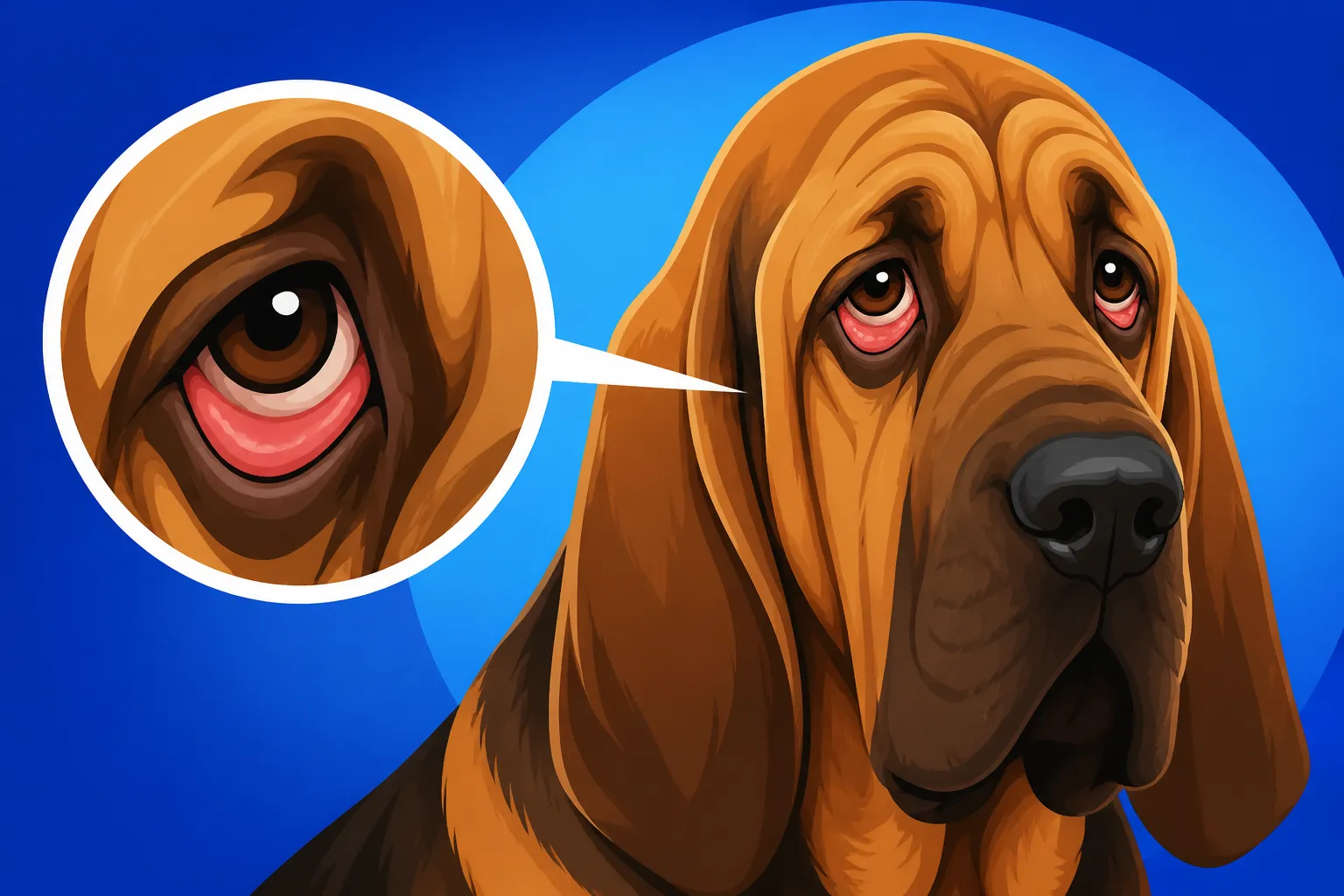
The most obvious visual hallmark of ectropion is the way a Bloodhound's lower eyelid sags or rolls outward, away from the eyeball. Instead of a tight, close fit that protects the eye, you'll see a prominent exposure of the pink or red conjunctival lining, often referred to as the "haw." It's almost like their lower lid is giving a constant, weary sigh. This isn't just a slight sag; in many Bloodhounds, it's a significant, noticeable droop that makes their eyes appear perpetually wide open and vulnerable. This laxity is part of the breed standard that gives them their unique facial structure, but it’s a double-edged sword when it comes to eye health. You might notice this more after they've been sleeping, or perhaps in different lighting, making you wonder if it's getting worse. For a deeper dive into this specific characteristic, you might find our guide on Why a Bloodhound’s Lower Lid Hangs Away From the Eye particularly insightful.
Identifying Exposed Ocular Tissues
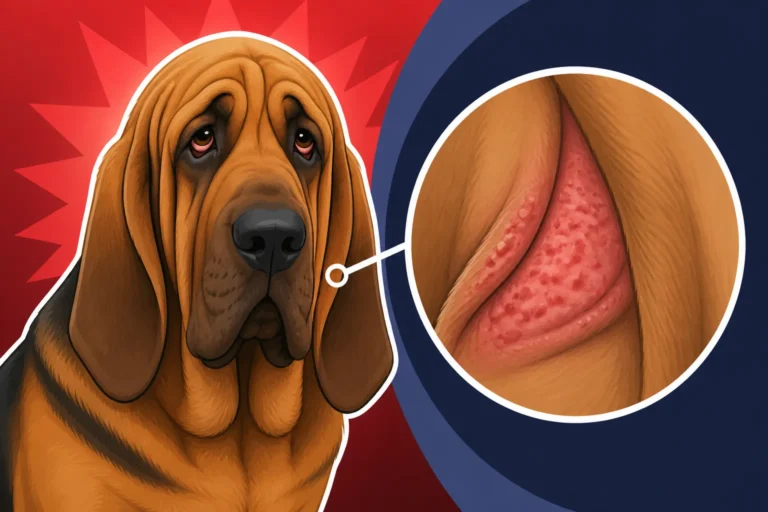
Beyond the general droop, ectropion means that the delicate, moist tissues that are normally protected within the eye socket are now exposed to the elements. This includes the conjunctiva (the pink membrane lining the inside of the eyelids) and sometimes even parts of the third eyelid, or nictitating membrane. When you look at your Bloodhound, you'll see a strip of this red or pink tissue along the bottom rim of the eye, often quite vividly. It can look inflamed even when it's not infected, simply because it's constantly interacting with air, dust, and other environmental irritants. This exposure also often leads to chronic tearing, where tears pool along the lower lid or run down their face, staining the fur beneath their eyes. This isn't just messy; it’s a visible sign that their natural tear drainage system isn't functioning optimally due to the anatomical changes.
How Ectropion Manifests Across a Spectrum of Severity
Ectropion isn't a one-size-fits-all condition; its visual appearance can range from a subtle, characteristic droop that's mostly harmless to a severe, everted lid that causes constant irritation and health risks. Knowing the difference is key to providing the right care for your Bloodhound.
Visual Cues for Mild vs. Severe Ectropion
In its mildest form, ectropion might present as a slight looseness of the lower lid, showing just a sliver of pink conjunctiva. You might only notice it when your Bloodhound is relaxed, tired, or looking down. There might be occasional watery eyes, especially in windy conditions, but usually no significant redness or discharge. This is often considered within the "normal" range for the breed's distinctive look and may require only basic daily care, such as gentle wiping.
However, severe ectropion is visually unmistakable and quite distressing. The lower lid will be significantly everted, often turning completely outward, exposing a large area of the conjunctiva. This exposed tissue will likely appear very red, thickened, and potentially swollen due to chronic inflammation. The eye itself may look perpetually irritated, and you'll often see a continuous stream of tears running down the face, creating wet trails and possibly staining the fur. In some cases, the tissue can even look dry and crusty if left unaddressed. It’s important to understand that while many Bloodhounds have some degree of ectropion, the severity dictates the level of intervention required.
Accompanying Ocular Symptoms You Can See
The visual signs of ectropion extend beyond just the droopy lid; they often include secondary symptoms that indicate irritation or infection. One of the most common is epiphora, or excessive tearing, which leads to visible tear staining on the fur beneath the eyes. This dark, reddish-brown discoloration is particularly noticeable on lighter-colored Bloodhounds and is a direct consequence of tears not draining properly or evaporating too quickly from the exposed surface.
Another common visual symptom is chronic redness of the exposed conjunctiva. This isn't just the natural pink of healthy tissue; it's an inflamed, angry red that signals constant irritation from dust, pollen, wind, or even bacteria. You might also notice thick, mucoid discharge or pus accumulating in the corners of the eyes or clinging to the eyelashes, especially after your dog wakes up. This discharge can range from clear and watery to thick, yellow, or greenish, indicating a potential bacterial infection secondary to the exposure. If you see signs like this, or suspect your Bloodhound has a Signs a Bloodhound Has a Corneal Ulcer, it's important to seek veterinary advice promptly.
Distinguishing Ectropion from Other Eye Issues
While ectropion is common in Bloodhounds, it's not the only eye condition they face, and it's crucial for owners to visually differentiate it from other problems. The "sad eye" look can mask underlying issues or be confused with entirely different conditions.
"Sad Eyes" vs. Genuine Medical Concerns
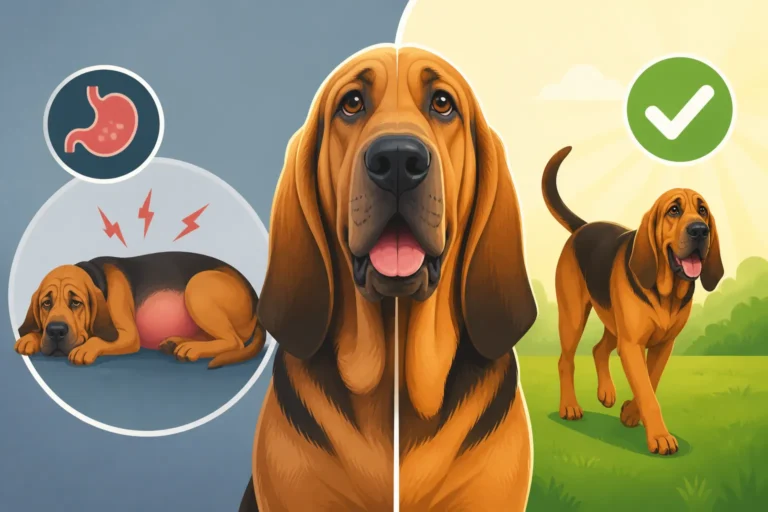
The Bloodhound's famously mournful expression is, in large part, due to their loose facial skin and, yes, a degree of ectropion. It's what makes them so endearing and instantly recognizable. However, this aesthetic charm can inadvertently lead owners to overlook or minimize genuine medical concerns. Many people see the perpetually droopy, slightly red eyes and think, "Oh, that's just how Bloodhounds look." And while a certain level of lid laxity is normal for the breed, it's vital to differentiate between a characteristic appearance and a painful or problematic condition. A healthy Bloodhound's eyes, even with some ectropion, should generally be clear, comfortable, and free from excessive discharge or constant squinting. If the redness seems more intense than usual, or if there’s a sudden increase in tearing or discharge, it’s not just "sad eyes" anymore—it’s time for a closer look.
The Clear Visual Difference: Ectropion vs. Entropion
It’s easy to confuse ectropion with its opposite, entropion, especially since Bloodhounds can unfortunately be predisposed to both. However, their visual presentations are distinctly different:
- Ectropion (Outward Roll): As we've extensively discussed, ectropion means the eyelid rolls outward, exposing the pink conjunctiva. Imagine the lower lid peeling away from the eye.
- Entropion (Inward Roll): Entropion, conversely, is when the eyelid rolls inward, causing the eyelashes and surrounding hair to rub directly against the cornea (the clear surface of the eyeball).
Visually, entropion will make the eye appear irritated, often with a visible squint or constant blinking (blepharospasm) because of the discomfort from the hair rubbing. You might not see the pink conjunctiva exposed; instead, you might see hair along the lid margin turned inward towards the eye. This rubbing can lead to serious complications like corneal abrasions or ulcers, which are incredibly painful. Our guide on What Entropion Does to a Bloodhound’s Eye offers more details on this particular issue. If you’re unsure, a veterinary check-up is always the best course of action, as both conditions can cause significant discomfort and damage if left untreated.
Visual Comparison Table: Ectropion vs. Entropion
To help you visually assess your Bloodhound's eyes, here’s a quick comparison:
| Feature | Ectropion (Outward Roll) | Entropion (Inward Roll) |
|---|---|---|
| Eyelid Position | Lower lid sags or rolls outward | Eyelid rolls inward, towards the eye |
| Visible Tissue | Pink/red conjunctiva (the "haw") is clearly exposed | Eyelashes and hair are visible, touching the eyeball |
| Eye Appearance | Often looks perpetually "droopy," "sad," or wide-open | May appear squinted, partially closed due to discomfort |
| Discharge | Excessive tearing, watery or mucoid discharge (secondary) | Watery discharge, often secondary to irritation; sometimes pus |
| Corneal Impact | Primarily exposure, dryness, foreign objects (secondary) | Direct rubbing of hair on cornea, leading to ulcers |
| Pain Level | Can be low to moderate irritation | Often moderate to severe pain due to corneal abrasion |
Factors Influencing the Visual Appearance of Ectropion
The way ectropion looks on your Bloodhound isn't static; it can be influenced by their genetics, age, and even the environment they live in. Understanding these factors can help you anticipate changes and provide proactive care.
Breed Standard and Genetic Predisposition
The very nature of the Bloodhound breed dictates their predisposition to ectropion. The breed standard calls for abundant, loose skin, especially around the head and face, creating those wonderful wrinkles and folds we adore. This laxity extends to the eyelids, resulting in the characteristic droopy appearance. It’s literally bred into them, which means genetics play a huge role in how pronounced an individual Bloodhound’s ectropion will be. Some Bloodhounds will have only a very mild, charming droop, while others will have significantly everted lower lids from a young age. This genetic blueprint means that ectropion isn't something that can typically be prevented through diet or training; it's part of their inherent structure. Responsible breeders, guided by organizations like the American Bloodhound Club, often screen their breeding stock to avoid perpetuating severe cases that compromise the dog's well-being, but some degree of ectropion is simply a feature of the breed.
How Age and Environmental Factors Can Alter the Look
While genetics set the stage, a Bloodhound's ectropion can certainly change visually over time. As a Bloodhound ages, the skin, much like human skin, can lose some of its elasticity and become even looser. This means that a mild case of ectropion in a young dog might become more pronounced as they reach their senior years. The muscles around the eyes might also weaken slightly, contributing to a more significant droop. Our article on Whether a Bloodhound’s Ectropion Gets Worse With Age provides more detail on this progression.
Environmental factors also have a huge impact on how ectropion presents visually on any given day. On a windy, dusty day, a Bloodhound with ectropion will likely show much redder, more irritated eyes with increased tearing, as their exposed conjunctiva is constantly bombarded by irritants. Even strong sunlight can cause increased squinting and discomfort. Conversely, on a calm, indoor day, their eyes might look relatively comfortable. It's a constant battle against the elements for these dogs, and you'll visibly see the effects of their environment on their eyes.
Why Visual Identification Matters for Bloodhound Health
Recognizing the specific visual cues of ectropion is more than just academic knowledge; it’s a critical component of responsible Bloodhound ownership. Being able to spot the nuances can literally make the difference in your dog's comfort and long-term health.
Early Detection of Potential Complications
The exposed nature of an ectropic eye makes it a magnet for irritation and infection. Dust, dirt, pollen, grass seeds, and even bacteria have an easier pathway to contact the delicate ocular surface. This constant exposure can lead to chronic inflammation (conjunctivitis), which you'll see as persistent redness and swelling of the pink tissues. More seriously, it increases the risk of corneal damage. The cornea, the clear outer layer of the eye, can become dry, scratched, or ulcerated due to foreign bodies or lack of proper lubrication. A corneal ulcer is not only incredibly painful but can also lead to vision impairment or even loss if not treated promptly. Recognizing a significant increase in redness, discharge, squinting, or pawing at the eye means you can catch these complications early, before they escalate into more severe problems.
Guiding Your Veterinary Consultation
When you understand what ectropion looks like and how it affects your Bloodhound, you become a much more effective advocate for their health. Instead of simply saying, "My dog's eyes look sad," you can provide specific observations: "Her lower lids seem more everted than usual," "There's a green discharge, not just clear tears," or "She's been squinting more in the wind lately." This detailed information helps your veterinarian accurately diagnose the severity of the ectropion and any secondary complications. It allows them to tailor their examination and recommend appropriate treatments, whether it's medicated eye drops, a course of antibiotics for an infection, or even discussing surgical correction. Many pet insurance plans, like those offered by Healthy Paws, emphasize preventative care and early intervention, and your detailed observations are the first line of defense. Knowing what to look for visually is the first step in ensuring your Bloodhound receives the best possible care.
Managing the Visual Impact of Ectropion and Its Complications
Living with a Bloodhound means accepting their unique needs, and ectropion often requires proactive management to ensure their comfort. The good news is that many of the visible symptoms can be alleviated with consistent care.
Daily Care for Exposed Eyes
Since ectropion exposes the delicate conjunctiva to the elements, daily attention to your Bloodhound's eyes is non-negotiable. You'll want to gently wipe away any accumulated tears, mucus, or debris from around the eyes and within the lower lid pocket. Use a soft, clean, damp cloth or a sterile saline solution applied to a cotton ball. This not only keeps their face clean but also removes potential irritants before they can cause infection. Sometimes, a gentle rinse with a veterinarian-approved eyewash can also help flush out tiny particles that have found their way into the exposed area. Our article on Whether a Bloodhound’s Eye Should Be Rinsed Daily offers practical tips for this.
Beyond cleaning, some veterinarians might recommend lubricating eye drops to help keep the exposed ocular surface moist and reduce dryness, especially in dogs with more pronounced ectropion. This can prevent that dry, crusty look and reduce irritation. Consistency is key here; incorporating eye care into your daily routine, perhaps after walks or meals, will make it a more accepted process for your Bloodhound and significantly contribute to their comfort and the healthier appearance of their eyes.
When Surgical Intervention Changes the Look
For Bloodhounds with severe ectropion that leads to chronic pain, recurrent infections, or corneal damage, surgical correction often becomes necessary. This isn't just about aesthetics; it's about improving their quality of life. The most common surgical procedure involves removing a small wedge of tissue from the affected eyelid to tighten it, allowing the lid to sit closer to the eyeball.
Visually, after a successful surgery, the difference is striking. The pronounced outward roll of the lower lid is significantly reduced or eliminated. The angry red of the chronically inflamed conjunctiva subsides, and the eye appears less exposed, healthier, and more comfortable. The constant tearing and discharge typically lessen dramatically because the lid can now perform its protective and drainage functions more effectively. While the Bloodhound will still retain their characteristic loose facial skin, the surgical intervention aims to create a more functional and comfortable eyelid margin. This procedure can dramatically improve their comfort, prevent serious vision problems, and lead to fewer vet visits for eye infections. While the cost of specialized surgery can be a concern, many owners find the investment in their dog's long-term comfort invaluable, and having a comprehensive pet insurance plan, such as those from Healthy Paws, can help alleviate the financial burden. For more information on surgical options, you can consult When a Bloodhound’s Eyelids Need Surgery.
Disclaimer
The information provided in this article is for educational and informational purposes only, and does not constitute veterinary advice. Always consult with a qualified veterinarian for any health concerns or before making any decisions about your pet's health or treatment.