Whether a Bloodhound Needs a Probiotic
Bloodhound gut health and probiotic supplements, explaining when these bacteria help digestion or prove unnecessary for dogs.

Bloodhound gut health and probiotic supplements, explaining when these bacteria help digestion or prove unnecessary for dogs.

Fish oil supplements provide omega three fatty acids like EPA and DHA to support joints and skin health in Bloodhounds.

Working Bloodhounds engaged in scent work and trailing require higher caloric intake to support their physical exertion.

Neutered Bloodhounds experience metabolic slowdowns, and owners can manage this weight gain through diet and exercise adjustments.
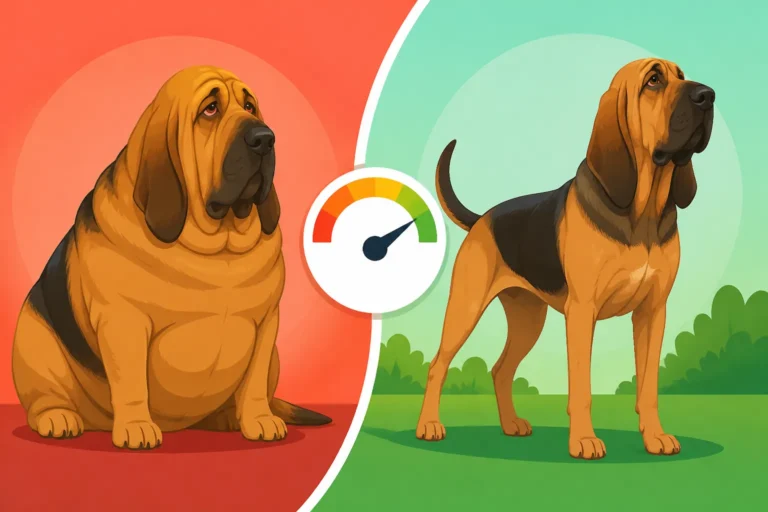
Overweight Bloodhounds face severe health issues, so this text explains safe weight loss steps and diet plans.
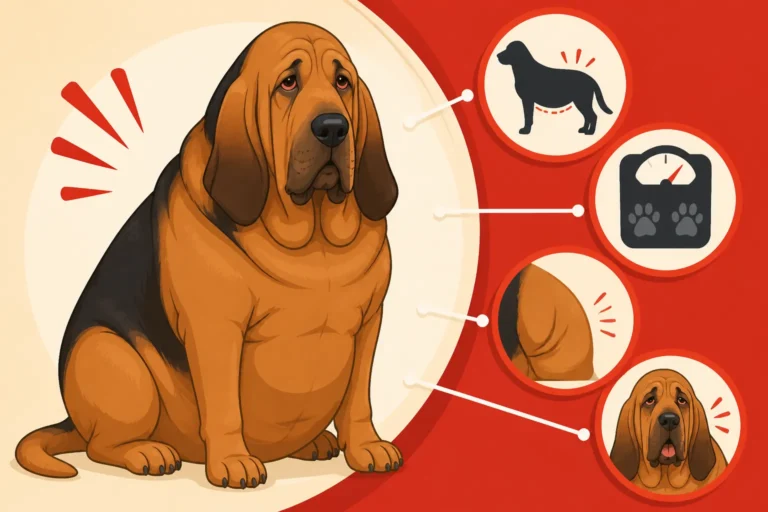
Bloodhound weight signs include hidden ribs beneath loose skin and a lack of a noticeable tuck up on heavy dogs.
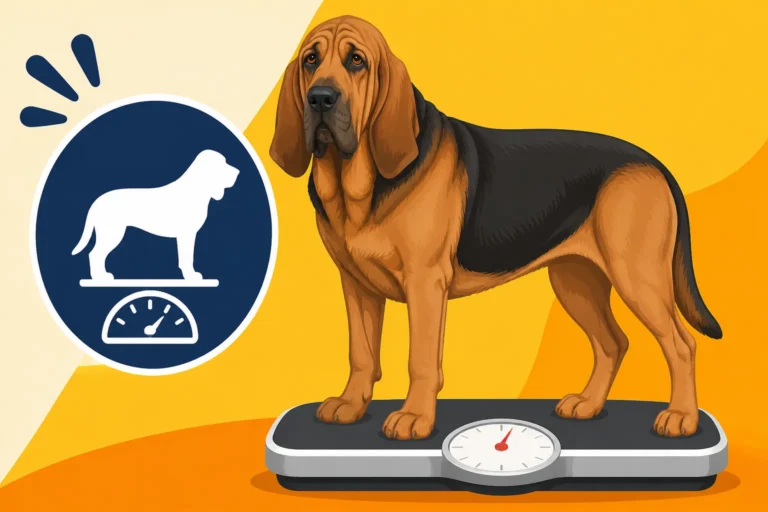
Adult female Bloodhounds typically weigh eighty to one hundred pounds according to official breed standard guidelines.
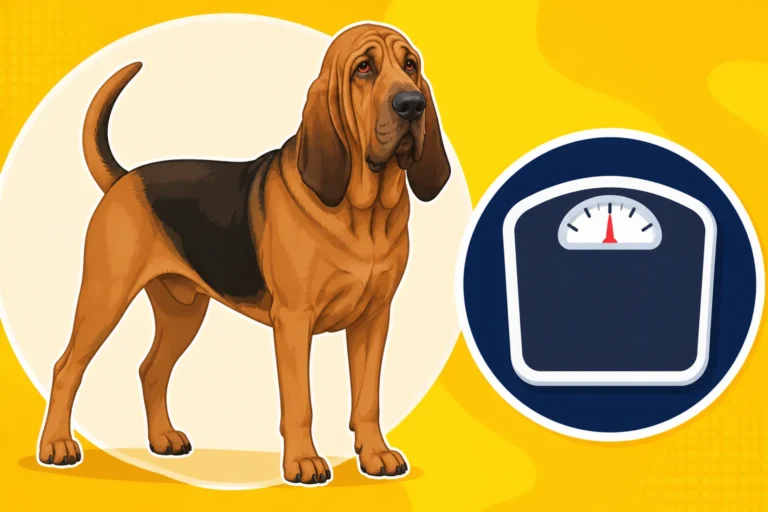
Adult male Bloodhounds typically weigh between 90 and 110 pounds based on genetics, lineage, and body condition.

Bloodhound growth timelines show that puppies reach full height at 12 to 18 months, but full weight takes up to 2 years.
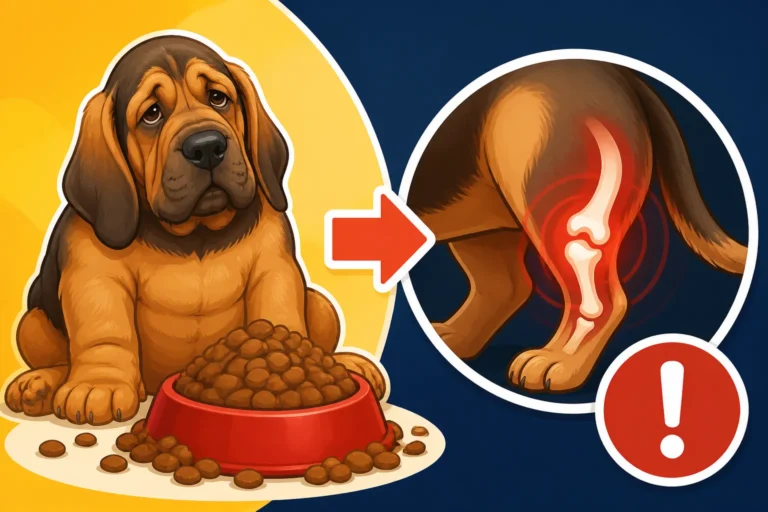
Overfeeding a Bloodhound puppy accelerates its growth, putting excess stress on vulnerable joints and causing permanent orthopedic damage.